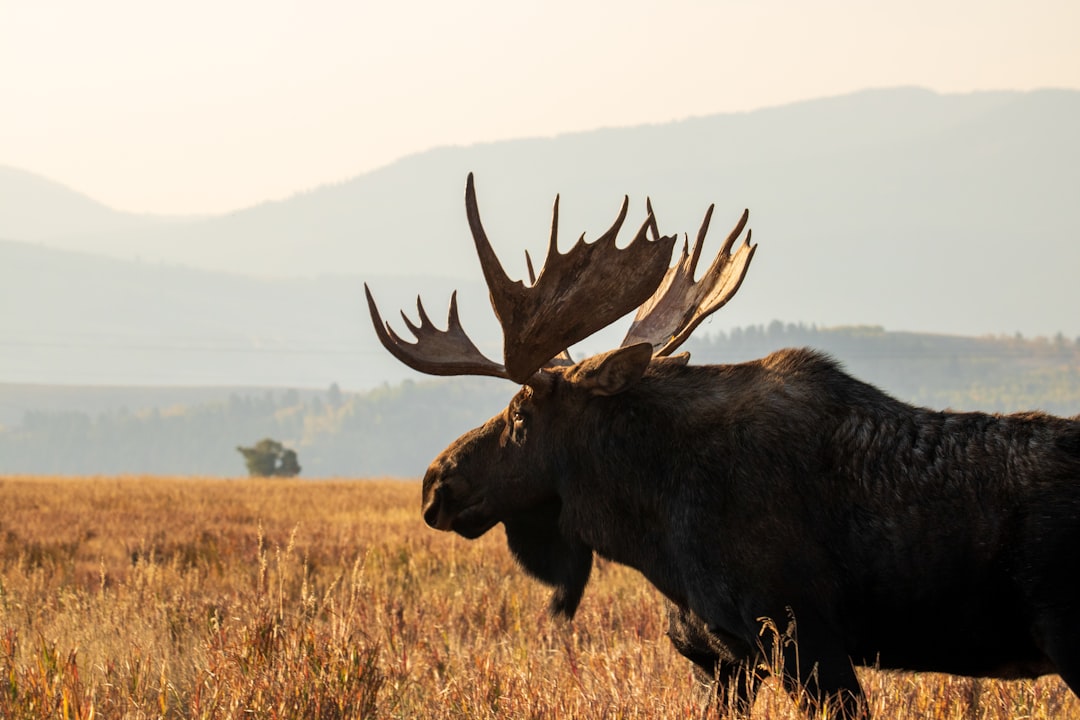
Idaho Super Hunt Draw Odds: What Are Your Chances of Winning?
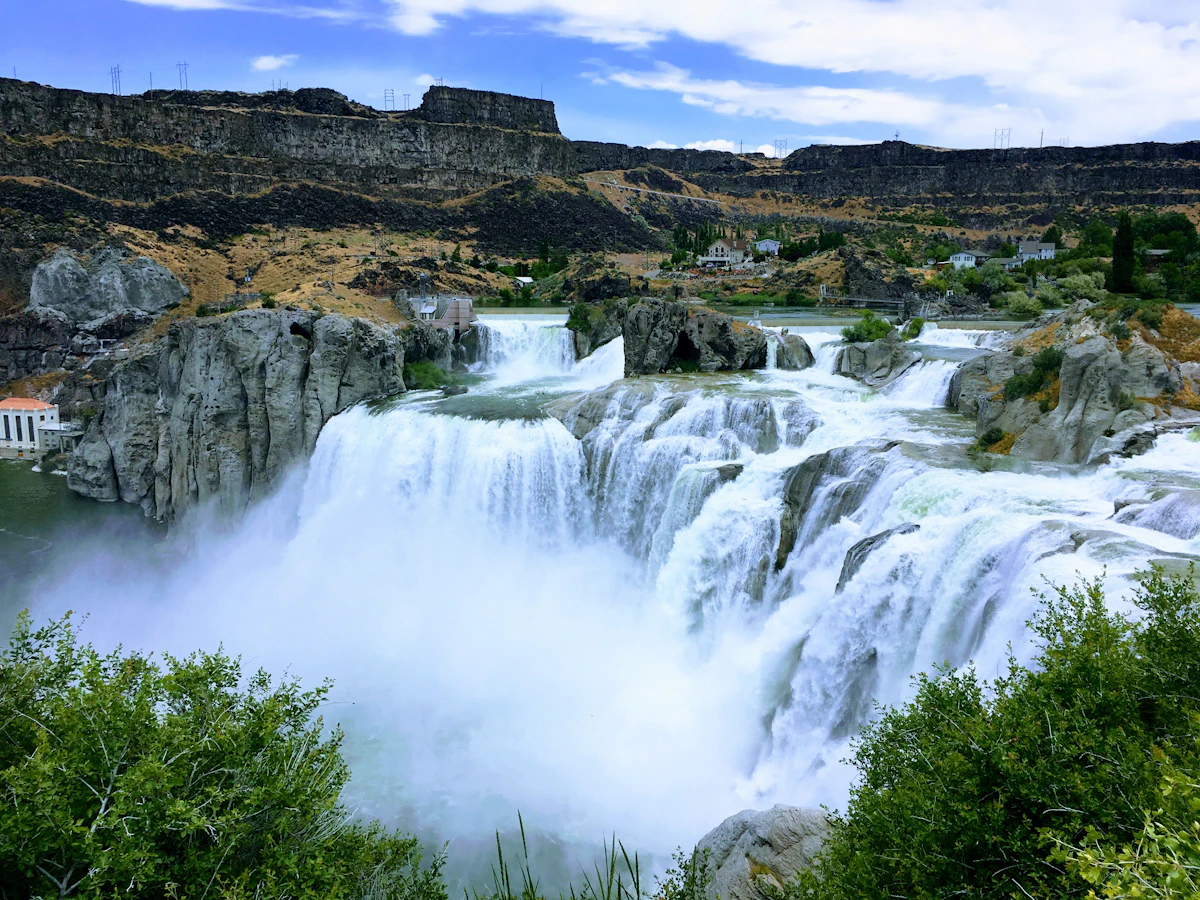
Idaho's Super Hunt lottery promises what every Western hunter dreams about: guaranteed access to premium units during peak season with near-certain harvest success. These aren't typical controlled hunt tags—Super Hunt permits come with exclusive access, landowner cooperation, and professional guide support that consistently produces 100% harvest rates across species.
But before you buy a stack of tickets hoping to draw that coveted elk or moose tag, you need realistic odds. Unlike preference point systems where dedication eventually pays off, Super Hunt is pure lottery. Your $5 ticket competes against tens of thousands of other entries, and the math rarely favors individual hunters.
How Idaho Super Hunt Works
Idaho's Super Hunt operates as a fundraising raffle for wildlife conservation. The Idaho Department of Fish and Game offers premium tags for elk, mule deer, whitetail, pronghorn, black bear, mountain lion, and occasionally moose or other species. Each tag grants access to private land or exclusive units during prime hunting periods with logistical support that removes typical barriers to success.
Tickets cost $5 each with no purchase limit. Hunters can buy one ticket or one thousand—the system doesn't cap entries. The drawing happens once annually, typically in late summer, with winners announced in August or September. Unlike controlled hunt draws where you build points over years, Super Hunt resets every season. Last year's loss means nothing for this year's odds.
Each tag is species and unit specific. An elk tag might grant access to a private ranch in Unit 39 during the rut, while a mule deer tag could cover premium habitat in the South Hills. The hunts come packaged with landowner permission, guide services, and sometimes lodging—essentially turnkey operations designed for hunters who want maximum success with minimum planning stress.
Real Draw Odds by Species
Super Hunt odds vary dramatically by species and tag desirability. Elk and moose tags draw the heaviest competition, while bear and lion hunts see fewer applicants but still face long odds.
Elk tags typically see odds between 1:8,000 and 1:12,000. If 50,000 tickets are sold for a single premium bull elk tag, your individual $5 entry gives you a 0.00125% chance of winning. Buying 10 tickets improves your odds to roughly 1:5,000—still a moonshot. The 2023 Super Hunt drew over 60,000 entries for its top-tier elk hunts, putting individual ticket odds past 1:10,000.
Mule deer and whitetail tags run slightly better at 1:5,000 to 1:8,000, but that's still microscopic. Moose tags—when offered—draw comparable competition to elk. These are once-in-a-lifetime caliber hunts with near-guaranteed harvest on mature bulls, so applicants pile in despite brutal odds.
Bear and lion tags see fewer entries, sometimes dipping to 1:2,000 or 1:3,000 range. Pronghorn odds fall somewhere between deer and bear, typically around 1:4,000. But even at best-case 1:2,000 odds, you're still more likely to draw a limited-entry Idaho moose tag through the regular controlled hunt system over a 10-year span than win a Super Hunt in any single year.
Ticket Strategies and Expected Value
Some hunters approach Super Hunt like a lottery jackpot, buying hundreds of tickets to improve odds. The math makes sense emotionally but rarely financially. If elk tag odds sit at 1:10,000 and you buy 100 tickets at $5 each, you've spent $500 to move your odds to roughly 1:100. You're still overwhelmingly likely to lose, and that $500 could fund an entire OTC elk hunt with leftover cash for gear.
The expected value calculation is straightforward but sobering. If a Super Hunt elk tag offers a hunt worth $15,000 in outfitter costs and your odds are 1:10,000, your expected value per $5 ticket is $1.50. You're paying $5 for something statistically worth $1.50—a 70% loss on every ticket. Buying more tickets doesn't change that fundamental imbalance; it just multiplies your expected loss.
This doesn't mean Super Hunt is a scam. The tags are real, the hunts deliver, and the money funds conservation. But if your goal is drawing a premium tag through systematic effort, traditional controlled hunts with preference or bonus points offer far better long-term odds. Super Hunt works best as a voluntary conservation donation where a potential hunt is a bonus outcome, not a realistic expectation.
How Super Hunt Compares to Regular Idaho Draws
Idaho's controlled hunt system uses both preference points and random draws depending on the tag. For nonresident elk hunters, general tags require no points and can be drawn reliably. Limited-entry units for premium elk require 2-5 preference points for reasonable draw odds in quality zones. A dedicated applicant builds points strategically and draws a solid tag within 3-5 years.
Moose tags are Idaho's toughest draw, but even there the odds beat Super Hunt over time. Nonresident moose odds hover around 1:200 for most units in the random draw, and applying annually for a decade gives you a cumulative 5% chance at success. Super Hunt moose odds might be 1:10,000 in a single year—20 times harder than one year of the regular draw.
The controlled hunt system rewards patience and strategy. Super Hunt rewards luck. If you're willing to apply consistently and build points, traditional draws offer far superior odds for most species. Super Hunt is the impulse-buy option for hunters who want a lottery ticket thrill without committing to multi-year application strategies.
Who Should Buy Super Hunt Tickets?
Super Hunt makes sense for three types of hunters. First, those who already have more money than time and want to support conservation while maintaining a slim chance at a turnkey hunt. If you're financially comfortable and $50-100 in tickets feels like throwing change in a charity bucket, Super Hunt is a reasonable donation with upside.
Second, hunters who've been applying for decades without drawing premium tags and want one more angle. If you're 15 years into Montana moose applications with no success, a few Super Hunt tickets alongside your regular apps adds another slim chance without disrupting your existing strategy.
Third, hunters who simply enjoy the lottery experience. Some people buy Powerball tickets knowing the odds are terrible because the fantasy is fun. If imagining that September phone call brings you joy and the $20 cost is entertainment value rather than investment strategy, go for it.
Who should skip Super Hunt? Anyone treating it as a legitimate path to a tag. Anyone who can't afford to lose the ticket cost. Anyone expecting return on investment. Anyone who would be bitter losing $100 on a long-shot gamble. Super Hunt isn't a hunting strategy—it's a conservation donation with lottery characteristics.
Maximizing Your Broader Idaho Hunting Strategy
Instead of stacking Super Hunt tickets, dedicate that budget to improving your overall Idaho hunting odds. Start by applying for controlled hunts where you actually build equity. Nonresident elk hunters should apply annually for both general and controlled hunts, building preference points in quality units while hunting general seasons.
OTC archery elk tags offer guaranteed opportunity in solid units. Focus on zones with significant public land and lower hunter density. Unit 39 and the South Hills see heavy pressure, but units in the Panhandle and central wilderness areas offer quality DIY opportunities with far less competition.
For mule deer, Idaho's controlled hunts in premium zones require only 2-4 points for nonresidents in many units. Apply every year, hunt general seasons while building points, and you'll draw a quality tag within a presidential term. Contrast that to Super Hunt's 1:8,000 odds and the choice is clear.
Pronghorn tags in southeast Idaho offer reasonable draw odds for nonresidents, often under 10:1 in decent units. Black bear tags are available OTC, and spring bear hunting provides outstanding opportunity with minimal competition. Mountain lion tags require a hunting license but are otherwise unrestricted—hire a guide and you've got a legitimate shot at a mature tom without any lottery.
Use TAGZ to compare Idaho unit draw odds, filter by weapon and season, and track your preference points across Western states. The platform shows you exactly where your points put you in the pecking order and which units offer the best balance of draw odds and hunt quality. When you're building a multi-year application strategy, data beats guesswork every time.
FAQ — Idaho Super Hunt
What are the odds of winning an Idaho Super Hunt tag?
Odds typically range from 1:2,000 for less popular species like bear to 1:12,000 for premium elk tags, depending on ticket sales each year. Individual tickets have microscopic chances regardless of species.
Can nonresidents enter the Idaho Super Hunt?
Yes. Super Hunt is open to anyone with an Idaho hunting license or who purchases one before the deadline. Nonresidents compete in the same pool as residents with identical odds.
How much do Idaho Super Hunt tickets cost?
Tickets cost $5 each with no purchase limit. Hunters can buy as many as they want, though the expected value per ticket is negative compared to the statistical win probability.
Does buying more tickets significantly improve your odds?
Slightly, but not meaningfully. If base odds are 1:10,000 and you buy 100 tickets, your odds improve to roughly 1:100. You're still overwhelmingly likely to lose, and the $500 cost funds better hunting opportunities elsewhere.
Is Idaho Super Hunt worth it compared to regular controlled hunts?
For most hunters, no. Regular Idaho controlled hunts offer far better odds through preference points and strategic applications. Super Hunt works best as a conservation donation rather than a serious tagging strategy.
When is the Idaho Super Hunt drawing held?
The drawing typically occurs in late August or early September, with winners notified shortly after. Ticket sales run through summer, with exact deadlines announced each spring by Idaho Fish and Game.
Continue Planning Your Hunt
Idaho offers outstanding hunting opportunity beyond Super Hunt long shots. Build a comprehensive application strategy across multiple Western states, track your preference and bonus points, and identify units where your points give you realistic draw odds within 2-5 years.
TAGZ helps you filter Idaho units by weapon, season, and species while comparing historical draw data across elk, deer, moose, and pronghorn. See exactly which units match your point total and where you should focus applications to maximize your chances of hunting prime habitat during peak seasons. Whether you're planning an OTC archery elk hunt in the Frank Church Wilderness or strategizing controlled hunt applications for mule deer in the South Hills, TAGZ gives you unit boundaries, terrain maps, and public land overlays so you make smarter decisions before you ever apply.
Explore more Western hunting strategies at TAGZ Insights, compare draw systems across states at TAGZ Product, or start building your multi-state application strategy today at getmytagz.com.
Was this article helpful?
Previous
Idaho Elk Super Hunt 2027: How to Apply and Where You Could Hunt
Idaho's Elk Super Hunt offers a once-in-a-lifetime chance to hunt trophy-class bulls on private ranches. Learn how to enter the 2027 drawing, what the license covers, and where past winners have hunted.
Next
Idaho Moose Super Hunt 2027: Odds, Rules, and Application Strategy
Idaho's Moose Super Hunt offers any-species hunters a shot at a trophy bull tag through a separate lottery. Learn how the 2027 draw works, what your real odds are, and how to maximize your chances without affecting your regular moose applications.