Idaho Moose Draw Odds 2027: Latest Stats & Hunt Planning Guide
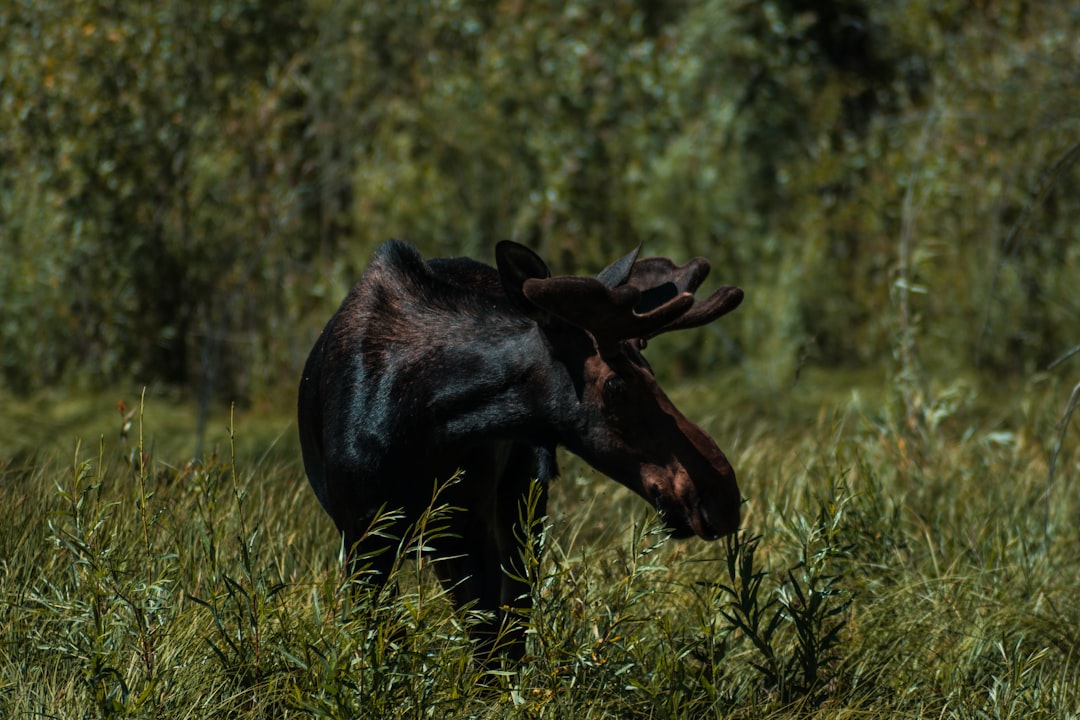
Idaho moose tags rank among the most difficult draws in the western United States. With fewer than 800 tags issued statewide in recent years and tens of thousands of applicants competing annually, most hunters face odds well below 1%. The 2027 draw will follow the same squared bonus point system that has defined Idaho moose hunting for decades, meaning applicants with more bonus points exponentially increase their chances. Understanding unit-specific odds, application timing, and the role of TAGZ in tracking your bonus points across states is essential before you commit to another year of Idaho moose applications.
Idaho Moose Draw System Overview
Idaho operates on a squared bonus point system for moose, meaning your odds increase exponentially with each point. An applicant with five bonus points receives 36 entries in the draw (5+1=6, squared), while a first-time applicant receives just one. This system heavily favors long-term applicants, and nonresidents face an additional hurdle: only 10% of moose tags are reserved for out-of-state hunters. Residents receive 90% of all tags, and while their odds are better, even Idaho residents often wait a decade or more for a bull moose tag in top units.
The application period typically opens in early December and closes in early January. Nonrefundable application fees run around $150 for nonresidents, plus a hunting license. Bonus points cost approximately $50 annually if you do not draw, and unlike preference point states, Idaho bonus points do not guarantee a tag after a set number of years. You are competing in a lottery where more entries improve your odds but never promise success.
2027 Unit-by-Unit Draw Odds
Idaho divides moose hunting into roughly 20 controlled hunt units, each with its own quota and draw odds. Historical data from recent years shows dramatic variation. Unit 1 in the Panhandle, Unit 6 near the Clearwater, and Units 16A and 17 in southeast Idaho consistently draw the heaviest competition. Nonresident odds for these premier units typically sit between 0.2% and 0.5%, even for applicants with 10+ bonus points.
Mid-tier units like Unit 26 or Unit 60A offer slightly better odds, often in the 0.5% to 1% range for nonresidents with maximum points. The trade-off is lower bull-to-cow ratios or more challenging access compared to trophy units. Cow moose tags, which Idaho issues in smaller numbers to manage population objectives, can offer better draw odds in specific years, but even cow tags remain difficult for nonresidents to draw in most units.
TAGZ helps you compare these units side by side using terrain maps, unit boundaries, and historical draw data. You can filter by weapon type, season dates, and success rates to identify which units align with your timeline and point total. Tracking your bonus points across multiple states ensures you never miss a draw deadline and can strategically allocate your applications where your odds are strongest.
Resident vs. Nonresident Odds
Idaho residents enjoy a significant advantage in the moose draw. With 90% of tags reserved for in-state applicants, resident odds in top units often exceed 2% to 3% for hunters with maximum points. Even first-time resident applicants have a fighting chance in less competitive units, particularly in years when quotas increase due to favorable population surveys.
Nonresidents face a much steeper climb. The 10% allocation means only 70 to 80 nonresident moose tags are issued statewide each year. Competition is fierce, and most successful nonresident applicants have 15 or more bonus points. If you are a nonresident hunter building points in Idaho, expect a 10- to 20-year timeline for a realistic shot at a bull tag in a quality unit. This makes Idaho moose hunting a true long-term investment, and many hunters use TAGZ to track their Idaho bonus points alongside other states like Montana, Wyoming, and Utah to diversify their draw portfolio.
Bonus Point Strategy for 2027
The squared bonus point system rewards patience. If you are just starting in the Idaho moose draw, understand that you are playing a multi-decade game. Applying annually to accumulate bonus points is essential, even if your odds remain negligible for the first several years. Each additional point significantly increases your entry count in the draw, and compounding over time is your only path to competitive odds.
For applicants with 5 to 10 bonus points, focus on mid-tier units where odds begin to approach 1% or higher. Avoid chasing trophy units like Unit 1 or Unit 6 until you reach 12 to 15 points, unless you are willing to accept decade-plus odds. Some hunters adopt a "spread" strategy, applying for a mix of high-demand and mid-demand units in alternating years to maximize flexibility.
TAGZ tracks your preference points and bonus points across multiple states so you never miss a draw deadline or forget where your points stand. This is especially valuable for hunters managing Idaho moose points alongside other species in other states. The platform's hunt filtering tools let you compare units by weapon, season, and species, giving you the data you need to make smarter decisions before the January application window closes.
How TAGZ Simplifies Idaho Moose Applications
Managing a multi-state big-game application schedule is complex, and Idaho moose adds another layer with its December-January draw window. TAGZ helps you compare units side by side using terrain maps, unit boundaries, and historical draw data. Track your bonus points across Idaho, Montana, Wyoming, and other western states in one dashboard so you never lose track of your point totals or miss a critical deadline.
The platform's unit research tools include terrain breakdowns, public land information, and access details, allowing you to evaluate which Idaho moose units match your hunting style and point total. Whether you are chasing OTC tags or planning a trophy limited-entry hunt, TAGZ gives you the tools to make smarter decisions before you ever step into the field. You can filter hunts by weapon type, season dates, and draw odds, ensuring your application aligns with your long-term strategy.
Best Units for First-Time Applicants
If you are entering the Idaho moose draw for the first time in 2027, your odds are minimal regardless of unit choice. However, some units offer marginally better odds for low-point applicants. Units in remote areas with difficult access, such as the Frank Church Wilderness (Units 26 and 27) or backcountry sections of the Selway-Bitterroot, often see slightly lower application pressure. These units require serious backcountry skills and physical fitness, which deters casual applicants.
Cow tags in specific units can also offer improved odds in years when Idaho Fish and Game increases cow quotas to manage population growth. Check the 2027 controlled hunt brochure for updated quotas and consider cow tags as a way to hunt moose sooner, even if your goal is ultimately a bull. Every application, whether for a bull or cow tag, earns you a bonus point if unsuccessful, so first-time applicants should focus on accumulating points while learning which units align with their hunting capabilities.
2027 Application Deadlines and Fees
Idaho's 2027 moose controlled hunt application period is expected to open in early December 2026 and close in early January 2027. Exact dates are published by Idaho Fish and Game each fall. Nonresidents pay approximately $150 in nonrefundable application fees, plus the cost of a hunting license. If you do not draw, you receive a bonus point, which costs around $50 to maintain for the following year.
Applications are submitted through the Idaho Fish and Game online licensing system. You must hold a valid hunting license at the time of application, and you can apply for up to five moose controlled hunts in order of preference. Only your first-choice hunt is considered in the initial draw round; if you are unsuccessful, your second-choice hunt enters subsequent rounds. Most successful applicants draw their first-choice unit, so prioritize your top unit carefully.
TAGZ tracks draw deadlines across all western states, sending reminders so you never miss an application window. This is critical for moose hunters managing Idaho applications alongside other states with overlapping December and January deadlines.
Idaho Moose Population Trends
Idaho's moose population has experienced fluctuations over the past two decades, driven by factors including winter severity, predation, and habitat changes. Fish and Game conducts aerial surveys annually to estimate population size and set tag quotas. Some units have seen slight increases in recent years, leading to modest quota bumps, while others remain stable or face minor declines.
Climate trends, particularly mild winters, can improve calf survival and boost populations in certain zones. However, predation from wolves and grizzly bears in northern Idaho remains a limiting factor. Units in the Panhandle and Clearwater regions support healthy moose densities, but competition for tags in these areas remains intense. Southeast Idaho units near Jackson Hole and the Wyoming border benefit from spillover populations but face similar draw pressure.
Understanding population trends helps you predict which units may see quota increases or decreases in 2027. TAGZ provides historical draw data and success rates, allowing you to spot trends and adjust your application strategy accordingly.
Public Land Access and Hunt Planning
Nearly all Idaho moose units overlap significant public land, including national forests, wilderness areas, and Bureau of Land Management holdings. Access varies widely by unit. Units in the Panhandle offer extensive road systems and relatively easy access, while units in the Frank Church or Selway-Bitterroot require multi-day backcountry treks. Southeast Idaho units often involve roadless backcountry with limited vehicle access, demanding horseback or drop-camp logistics.
Successful moose hunts in Idaho require thorough scouting, even for hunters who draw after years of waiting. Moose are less predictable than elk or deer, and habitat preferences shift based on forage availability and seasonal weather. TAGZ helps you research unit terrain using topographic maps and unit boundaries, giving you a head start on scouting before you commit to a unit in your application.
Public land hunting in Idaho is do-it-yourself by nature. Few outfitters offer moose-specific services compared to elk or mule deer, so expect to plan your hunt independently. This makes pre-hunt research even more critical, and TAGZ simplifies the process by consolidating unit data, terrain maps, and draw odds in one platform.
FAQ — Idaho Moose Draw Odds
What are the odds of drawing an Idaho moose tag as a nonresident in 2027? Nonresident odds in top units typically range from 0.2% to 0.5% for applicants with 10+ bonus points. Less competitive units may offer odds approaching 1%, but nonresidents should expect a 10- to 20-year timeline for a realistic chance at a bull tag.
How does Idaho's squared bonus point system work? Your total bonus points plus one are squared to determine your entry count. An applicant with five points receives 36 entries (6 squared), while a first-timer receives one entry. This exponentially favors long-term applicants.
Can a first-time applicant draw an Idaho moose tag? Yes, but odds are extremely low. First-time applicants receive one entry in the draw, making their chances negligible in competitive units. Accumulating bonus points over multiple years is essential for realistic odds.
What is the best Idaho moose unit for nonresidents? Units like 26, 27, and 60A offer marginally better odds than trophy units like Unit 1 or Unit 6. These mid-tier units require backcountry skills and physical fitness, but they reduce competition slightly compared to premier zones.
How much does it cost to apply for an Idaho moose tag? Nonresidents pay approximately $150 in nonrefundable application fees plus the cost of a hunting license. Bonus points cost around $50 annually if you do not draw.
Does TAGZ track Idaho moose bonus points? Yes. TAGZ tracks your bonus points across Idaho and other western states, sends draw deadline reminders, and provides unit-by-unit draw odds and terrain maps to help you plan smarter applications.
Continue Planning Your Hunt
Drawing an Idaho moose tag requires patience, strategic planning, and accurate tracking of your bonus points across multiple application years. TAGZ helps you compare units side by side using terrain maps, unit boundaries, and historical draw data. Track your preference points and bonus points across multiple states so you never miss a draw deadline. Whether you are chasing OTC tags or planning a trophy limited-entry hunt, TAGZ gives you the tools to make smarter decisions before you ever step into the field.
Explore more hunt planning resources on the TAGZ Insights page, compare draw odds and unit details on the TAGZ product page, or review subscription options on the pricing page. Start building your western hunting strategy with the most comprehensive draw odds and unit research platform available at getmytagz.com.
Was this article helpful?
Previous
Does Idaho Have Preference Points in 2027? Understanding Idaho's Bonus Point System
Idaho does not use preference points. The state operates on a bonus point system where each point gives you an additional entry in the draw, but does not guarantee a tag. Learn how Idaho's system works and how to maximize your odds.
Next
Idaho Controlled Elk Draw Odds 2027: Hunt Units, Success Rates & Application Strategy
Idaho's 2027 controlled elk hunt draw offers trophy opportunities across premier units like the Frank Church Wilderness and Island Park. Understanding draw odds, preference points, and unit-specific strategies helps nonresidents and residents maximize their chances at Idaho's best elk tags.