Hunting Mid-Week vs Weekends: The Real Differences for Western Big Game Hunters in 2026
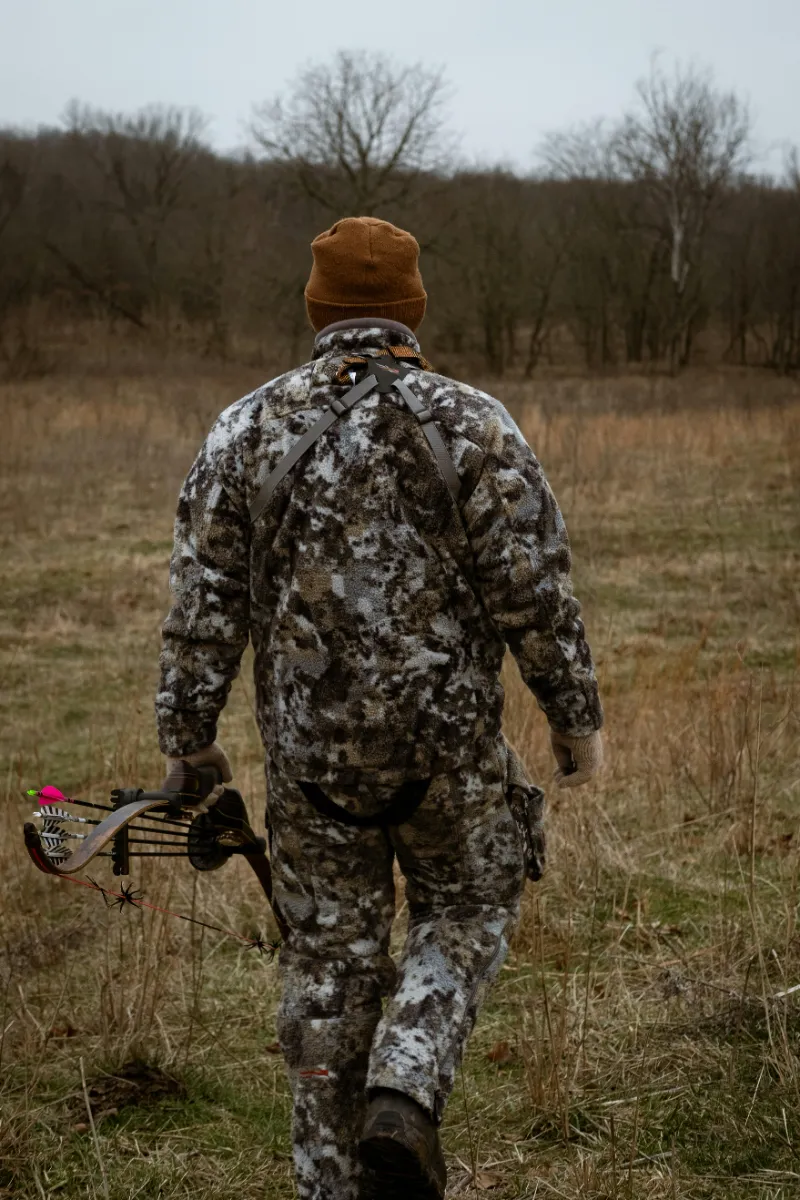
Hunting mid-week almost always means fewer hunters and more relaxed animals. But for most of us, work and life mean weekends are reality. So, does it really matter? Let’s dig into what I’ve seen after years of chasing elk and deer across the West.
How Hunter Pressure Changes Throughout the Week
If you’ve ever pulled into a trailhead on a Saturday morning, you know the parking lot scene: trucks stacked, ATVs unloading, and a buzz of anticipation. Most western big game units see a huge spike in pressure from Friday afternoon through Sunday. By Monday morning, things quiet down fast.
Mid-week, you’ll usually find:
- Fewer vehicles at access points
- Less traffic on popular glassing knobs and trails
- Animals moving more naturally, not bumped into the next county
On weekends, expect:
- Heavier pressure near roads and obvious trailheads
- Elk and deer pushing deeper or going nocturnal
- More competition for prime spots, especially in OTC or easy-to-draw units
Terrain, Access, and the Mid-Week Advantage
Not all units are created equal. In remote wilderness or true backcountry, the difference between mid-week and weekend pressure is smaller, since fewer folks are willing to hike 6+ miles in. But in accessible national forest or BLM units, weekends can turn a promising ridge into a pumpkin patch of orange vests.
Mid-week hunts let you:
- Slip into overlooked pockets with minimal disturbance
- Glass open country without being skylined by a parade of headlamps
- Spend time in transition zones where pressured animals hole up
If you’re limited to weekends, focus on spots with tough access, steep climbs, or longer hikes. Those extra miles weed out most of the crowd.
Realistic Expectations and Strategies
Not everyone can take vacation for a Tuesday hunt. If you’re stuck with weekends, get creative. Hunt farther from roads, start earlier, or stay later. Sometimes, just being in the woods as others head home on Sunday evening will turn up a shot opportunity.
Scouting pays off. Use trail cameras, glass from afar, and watch for pressure points. If you know where the crowds push animals, you can ambush them in escape cover.
TAGZ helps here: compare draw odds, tag types, and historic pressure trends by unit. Use it to spot mid-week opportunities, or target overlooked units that don’t get pounded all weekend.
TAGZ: Simplifying Your Hunt Planning
Sorting through all the variables — pressure, terrain, tag odds — can get overwhelming. That’s where TAGZ comes in. It’s built to help you analyze pressure patterns, pick the best week, and compare side-by-side units for your 2026 hunt. Less time guessing, more time hunting.
FAQ: Hunting Timing and Pressure
Do animals really move more during the week?
Yes, in most units. Less pressure means elk and deer stick to their normal routines longer, especially early in the season.
Is it worth burning vacation days for a mid-week hunt?
If you can swing it, absolutely. Even one or two days mid-week can pay off — especially in OTC or high-pressure units.
What about opening weekend?
It’s a circus in most places, but sometimes animals haven’t caught on yet. If you hunt opening weekend, plan to go deep or find overlooked pockets off the main trails.
How can I scout for pressure?
Check trailheads, talk to local wardens, and use digital mapping tools to see where folks concentrate. TAGZ’s pressure analysis is a huge help here.
Want more strategy for tough units? Check out our 2026 OTC Elk Unit Guide and How to Hunt Pressured Public Land.
Was this article helpful?
Previous
Mobile Hunting Strategy: Real-World Lessons for Western Big Game
Mobile hunting is about adapting fast, reading the country, and making your own luck. Here’s how I approach it in the West—and what actually matters.
Next
How to Field Judge Caribou — Complete Caribou Scoring Guide
Field judging caribou revolves around evaluating shovel development, bez tines, top points, mass, and overall frame. Mature bulls often display complex antler structures that create exceptional trophy quality and make caribou one of North America's most unique big game animals.