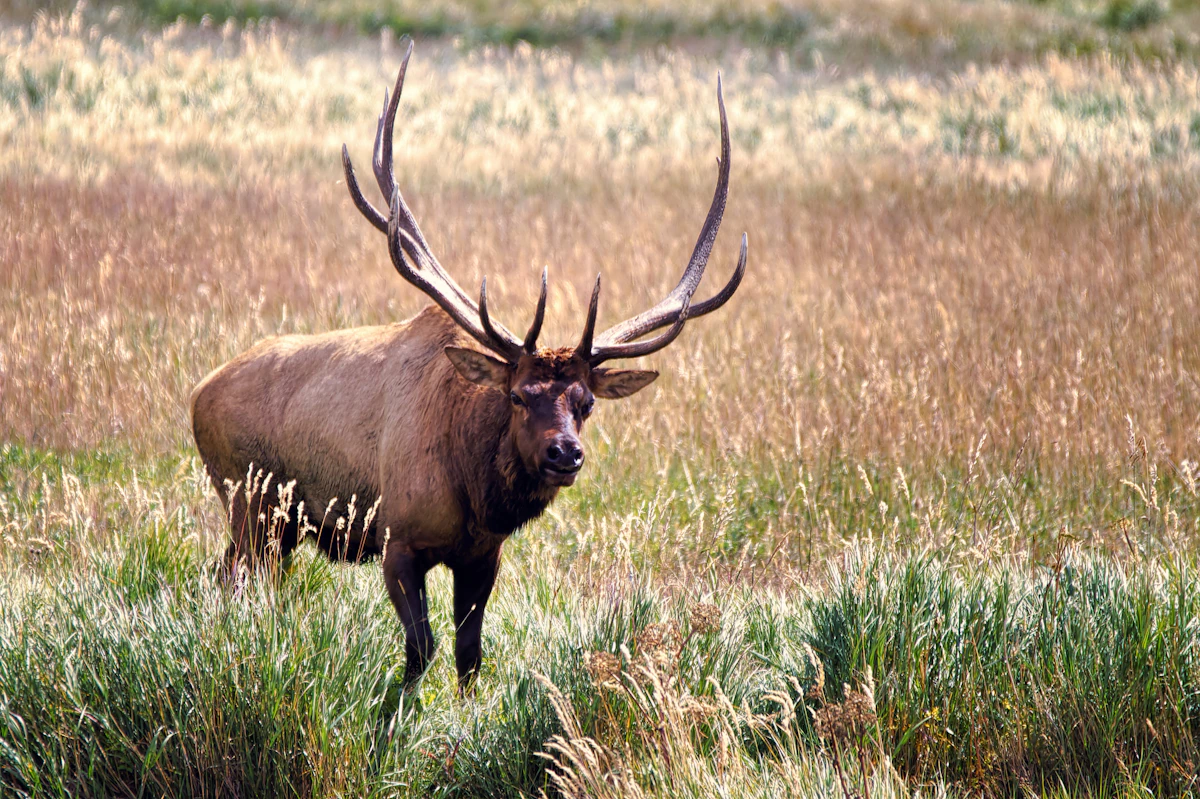
Hunting Elk Behind Private Land Boundaries (Legally): Public Land Tactics That Work
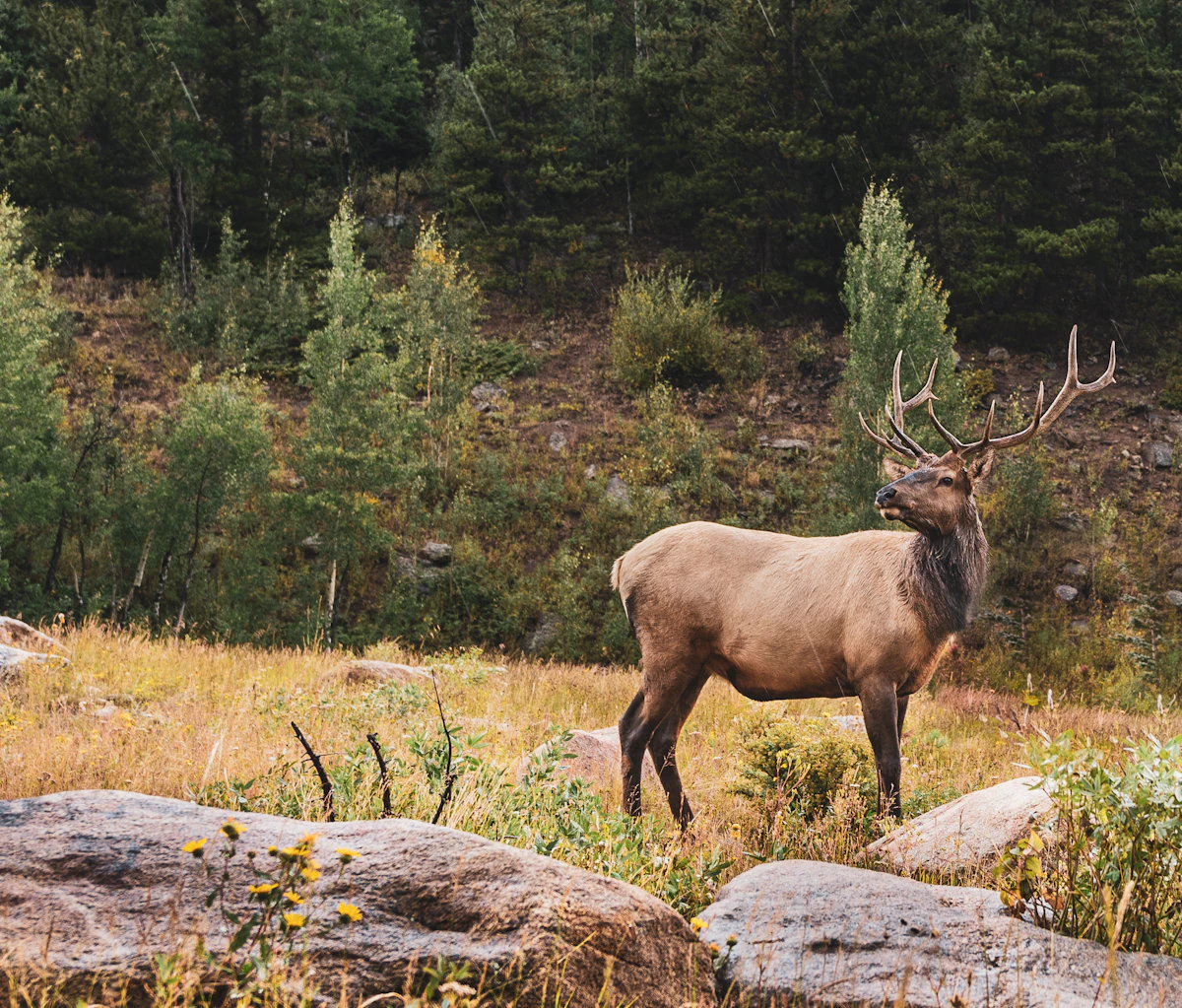
You have scouted all summer, drawn your tag, and finally found a herd of 200 elk. Then you glass them walking straight onto posted private land at first light. Every western elk hunter knows this frustration. Elk do not care about property lines, but you have to. The good news is that elk using private land as a sanctuary create predictable patterns you can exploit — legally — from public ground.
Understanding how elk move between private sanctuaries and public feeding or bedding areas gives you a massive advantage. This article breaks down the legal tactics, access strategies, and mindset shifts that help public land hunters succeed when elk spend most of their time behind no trespassing signs.
Why Elk Love Private Land Boundaries
Elk are not dumb. They learn where they feel safe, and private land often provides that sanctuary. Large ranches, timber company ground, and agricultural land offer fewer hunters, less pressure, and reliable food or cover. During rifle season, mature bulls especially will tuck into private ground during daylight and only venture onto public land at night.
The boundary itself becomes a security blanket. Elk will bed within 200 yards of a fence line, knowing that most pressure comes from the public side. They use terrain features like ridges, draws, and timbered benches that straddle the boundary to monitor both sides. If they hear a truck door slam on public land, they simply walk 100 yards onto private and wait it out.
This behavior intensifies as hunting pressure builds. Opening weekend might push elk onto private land for the entire season. But elk still need to eat, drink, and move between bedding and feeding areas. That movement creates opportunity.
Know the Boundaries Before You Hunt
You cannot hunt private land boundaries effectively if you do not know exactly where they are. Confidence in your position keeps you legal and lets you hunt aggressively right up to the line.
Start with OnX Maps or a similar GPS app that shows real-time property boundaries. Download offline maps before your hunt so you can check your position even without cell service. Walk the boundary during preseason scouting and mark key fence corners, gates, and terrain features in your GPS. Look for physical markers like fence posts, survey ribbons, or rock cairns.
Pay attention to access points. Some private land borders are impossible to reach without crossing private ground. Other sections have legal public access via forest roads, trails, or adjacent BLM land. Knowing where you can legally set up makes all the difference.
Do not assume that unfenced land is public. Many western states have checkerboard land patterns where public and private sections alternate every square mile. Always verify ownership before you step off a known public access point.
Hunt the Transition Zones
Elk do not live on private land 24 hours a day. They move between feeding areas, water sources, and bedding cover. These transition zones are where public land hunters kill bulls.
Glass the boundary at first and last light. Elk often feed on private ground at night and move back toward public timber to bed at sunrise. Set up on the public side of ridges, saddles, or timbered benches where elk naturally travel. A bull that beds 50 yards onto private land might walk through public ground to get there.
Water sources near boundaries are gold. If a spring, creek, or stock tank sits on public land within a quarter mile of private ground, elk will use it. Set up downwind of the water before daylight and wait. Elk moving back to private sanctuaries often stop to drink.
Pay attention to terrain funnels. A narrow strip of public timber between two private ranches will concentrate elk movement. Saddles, benches, and ridge fingers that connect private bedding areas to public feeding areas become natural ambush points.
Use Hunting Pressure to Your Advantage
Pressure on public land pushes elk onto private ground, but it also makes them predictable. When other hunters bump elk toward the boundary, you can be waiting on the public side where they feel safe.
Position yourself between the pressure and the private land escape route. If you know other hunters are working a drainage that dead-ends into a private ranch, set up on the public ridge above the boundary. Elk pushed out of the drainage will often circle back through public timber rather than expose themselves crossing open private land in daylight.
Still hunt parallel to the boundary during midday. While other hunters push through the heart of public land, work the edge. Elk that moved onto private at sunrise often bed just across the fence. A bull 40 yards onto private land can still hear, smell, and see you. If you move slowly and call softly, he might step back onto public ground to investigate.
Be there when the shift happens. Elk that spend daylight on private land often move back onto public ground at dusk. Set up on the public side of a known crossing 90 minutes before dark and wait. This is especially effective during the rut when bulls are more willing to move in daylight.
Calling Near Boundaries
Elk respond to calls differently near private land boundaries. Bulls that feel safe on private ground are often more vocal and aggressive because they know they can retreat if threatened.
Call from the public side toward private land. Set up 100 to 200 yards from the boundary and bugle or cow call aggressively. A rutting bull on private ground may respond immediately. If he bugles back, he is telling you exactly where he is. Now you know whether he is 50 yards onto private land or 500.
If the bull sounds close but will not commit, try a different angle. Circle to another access point along the boundary and call again. Elk often have a preferred route back onto public land, and changing your position might put you in his travel corridor.
Use soft cow calls to pull bulls across the line. Aggressive bugles can intimidate younger bulls, but mews and soft chirps sound non-threatening. A bull that will not cross the fence for a challenge bugle might walk onto public ground to investigate a small group of cows.
Never shoot across a property boundary. Even if the elk is standing on public land, if your shooting lane crosses private land, you risk a trespassing violation. Some states consider the bullet's flight path as part of the hunt. Know your state's laws before you squeeze the trigger.
Walk-In Access and Corner Crossing
Some of the best elk hunting near private land happens where public access is limited. If other hunters will not walk two miles to reach a boundary, elk feel safer and you have less competition.
Look for landlocked public land sections. These are legal to hunt if you can reach them without crossing private ground. Some western states have walk-in programs or easements that allow access through private land to reach public ground. Check your state's game and fish website for walk-in area maps.
Corner crossing — stepping from one public section to another at a shared corner without touching private land — remains a legal gray area in most western states. A 2022 Wyoming court case ruled in favor of hunters who corner crossed, but the issue is not settled everywhere. If you plan to corner cross, understand the local laws and be prepared to defend your position if challenged.
Knock on doors. Some landowners will grant permission to cross their property to access public land, especially if you are polite and explain that you are not asking to hunt their ground. Offer to help with ranch work, provide your contact information, and respect their decision if they say no. A five-minute conversation can unlock access that other hunters never attempt.
When Elk Bed Just Over the Line
One of the most frustrating scenarios is glassing a bedded bull 50 yards onto private land. You know he is there, but you cannot reach him. Waiting him out is often your best play.
Set up on the public side and wait for movement. Elk do not bed all day without shifting position. A bull might stand to stretch, reposition to watch his back trail, or move to a different bedding area. If you are patient and positioned correctly, he might step onto public ground for just a few seconds. That is all you need.
Be ready for the evening move. Elk that bed near boundaries often move at last light. Set up your shooting position before the elk stands up. Range landmarks, clear shooting lanes, and have your bow or rifle ready. When the bull rises and takes his first steps, you need to be prepared to shoot immediately.
If the wind is wrong or the elk will not budge, back out and return the next morning. Bumping a bull off his bed teaches him that even the private land edge is not safe. A bull that gets spooked today will bed 400 yards deeper onto private land tomorrow.
Scout for Patterns, Not Just Elk
Successful boundary hunting is about understanding patterns, not chasing individual elk. Spend time before the season learning how elk use the landscape.
Glass from public land at dawn and dusk for multiple days. Watch where elk enter and exit private ground. Are they using the same saddle every morning? Do they water at a specific spring? Are they feeding on a particular ridge before moving onto private land at sunrise?
Look for sign along the boundary. Rubs, wallows, and heavily used trails near fence lines tell you where elk spend time. Fresh tracks crossing onto public land at first light show you where to set up. Elk droppings and beds just inside the public side mean elk are using that area regularly.
Talk to other hunters, ranchers, and forest service employees. Local knowledge is gold. A rancher might tell you that elk always move through a specific gate at dawn. A forest service employee might mention a water source that elk use daily. Other hunters might share where they have seen elk crossing from private to public land.
Respect Landowners Even When You Disagree
Public land hunters and private landowners do not always see eye to eye, but respect goes a long way. Landowners have legal rights to their property, and antagonizing them helps no one.
Do not shoot across property lines, even if the elk is on public land. Do not set up your tent or park your truck within sight of a ranch house. Do not walk along a fence line glassing into private land if it makes the landowner uncomfortable. These actions create conflict and hurt future access opportunities for all hunters.
If a landowner approaches you and asks what you are doing, be honest and polite. Explain that you are hunting public land and staying legal. Show them your GPS to prove your position if needed. Most landowners just want to know you are not planning to trespass.
Some landowners are hostile to public land hunters. They may have dealt with trespassers, poachers, or disrespectful hunters in the past. Do not take it personally. Stay calm, stay legal, and move on if the situation escalates.
How TAGZ Helps You Hunt Smarter Near Boundaries
Planning a hunt near private land requires detailed maps, unit research, and access information. TAGZ gives you the tools to identify units where public land borders private ground and find the best access points before you ever leave home.
Use TAGZ terrain maps to study unit boundaries, public land sections, and landlocked areas. Filter hunts by weapon type, season, and draw odds to find units where pressure pushes elk toward private boundaries. Track your preference points across multiple states so you can apply strategically for units with better public access.
TAGZ also shows you historical draw data so you can plan hunts in units where you can actually draw a tag. Whether you are chasing OTC opportunities or building points for a limited-entry unit, TAGZ helps you make smarter decisions before you apply.
Hunt the Edge, Not the Middle
Most public land hunters focus on the heart of wilderness areas or roadless sections far from private land. That is where they expect to find unpressured elk. But elk do not always follow expectations.
Boundary hunting requires a different mindset. You are not looking for solitude or wilderness experience. You are hunting the edge where elk feel safe but still vulnerable. You are using private land as a tool, not an obstacle.
The hunters who succeed near private boundaries are patient, confident in their boundaries, and willing to wait for the right moment. They do not chase elk onto private land. They let the elk come to them.
FAQ — Hunting Elk Near Private Land Boundaries
Can I shoot an elk standing on public land if I am on private land?
No. You must be on public land to legally hunt public land animals. Your physical position matters as much as where the elk is standing.
What happens if I accidentally cross onto private land while tracking a wounded elk?
Most states allow you to retrieve a wounded animal from private land without permission in certain circumstances, but you should contact the landowner and local game warden as soon as possible. Some states require you to notify authorities before crossing. Know your state's laws before the hunt.
Is it legal to call to elk on private land from public land?
Yes. Calling across a boundary is legal. You are on public land, and elk can choose to respond or not. However, if the elk crosses onto public land and you shoot it, make sure your shooting lane does not cross private property.
How close to a property boundary can I hunt?
You can hunt right up to the property line as long as you are on public land and your bullet or arrow does not cross private land. Use GPS to confirm your position and shooting lanes.
Do elk always bed on private land during rifle season?
Not always, but mature bulls and pressured herds often do. Elk behavior depends on hunting pressure, food availability, terrain, and how much private land is nearby. Some elk stay on public land all season if they find secure bedding areas.
What should I do if a landowner confronts me while I am hunting legally on public land?
Stay calm and polite. Show them your GPS to confirm you are on public land. Explain that you are staying legal and respecting boundaries. If the situation escalates, leave and contact your state's game warden to document the encounter.
Continue Planning Your Hunt
Hunting elk near private land boundaries is one of the most effective strategies for public land hunters willing to put in the work. Understanding elk behavior, knowing property lines, and hunting the transition zones can turn a frustrating situation into a filled tag.
Whether you are planning your first western elk hunt or refining your strategy after years in the field, TAGZ helps you research units, compare draw odds, and track application deadlines across multiple states. Explore detailed terrain maps, filter hunts by season and weapon type, and make confident decisions before you ever step into the mountains.
Check out more hunt planning strategies on the TAGZ Insights blog, compare draw odds and unit details with the TAGZ hunt planning tools, or review pricing options to get started. The best elk hunters do not just work harder — they plan smarter.
Was this article helpful?
Previous
Afternoon Elk Bedding Patterns: Where Bulls and Cows Rest During Midday
Elk retreat to predictable bedding areas during afternoon hours to ruminate and escape midday heat. Understanding these patterns helps hunters position for evening movements and increases success during midday stalks.
Next
Best Draw Weight for Elk Hunting: What You Really Need
Choosing the right draw weight for elk hunting balances arrow energy, accuracy, and shooter comfort. Most adult hunters succeed with 60-70 pounds, but your ideal weight depends on draw length, shooting form, and practice commitment.