Hunting During the Full Moon: What the Science Actually Says
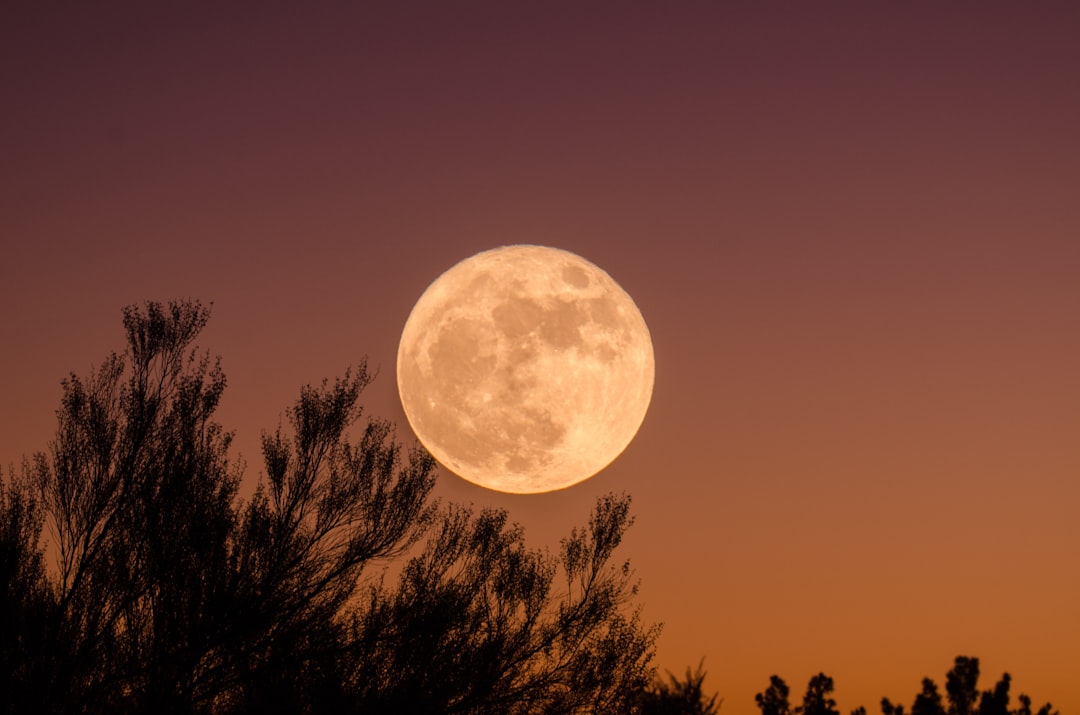
Every bowhunter has heard the warnings about hunting during a full moon. Camp conversations overflow with stories of empty tree stands and nocturnal bucks that vanish when the moon shines bright. But recent GPS collar studies and trail camera data paint a more nuanced picture than the old folklore suggests.
The truth is that lunar phases do influence deer behavior, but the effects are subtle and heavily dependent on other factors like weather, hunting pressure, and food availability. Understanding how the moon actually impacts movement patterns helps you adapt your strategy rather than write off entire weeks of prime hunting time.
What Research Actually Shows About Lunar Influence
Multiple university studies using GPS-collared deer have tracked movement patterns across complete lunar cycles. The data reveals that deer do increase nocturnal activity during full moon periods, but daytime movement does not stop completely. Instead, peak activity times shift by 30 to 90 minutes compared to new moon phases.
Mature bucks show the most dramatic response. During bright moon phases, they tend to feed heavily between midnight and 3 AM when visibility is high and human activity is zero. This extended nighttime feeding session means they bed earlier in the morning and may not stand up for their typical late-afternoon feeding session until closer to dark.
Does and younger bucks show less pronounced changes. Their feeding patterns remain more consistent across lunar phases, though you will still see some shift toward earlier morning bedding during full moon weeks.
Why Full Moon Periods Are Not Ruined Hunts
The biggest mistake hunters make is assuming full moon means no movement. Deer still need to eat, drink, and breed regardless of lunar phase. What changes is timing and the specific hours when movement peaks.
During full moon periods, focus your efforts on:
- First light and last light transitions when feeding activity concentrates
- Bedding area edges rather than food sources during midday
- Travel corridors between bedding and feeding areas
- Water sources during warm weather when deer may visit multiple times per day
- Afternoon hunts from 2 PM onward rather than waiting until the final hour
Weather trumps moon phase every time. A cold front, rain event, or significant temperature drop will pull deer to their feet regardless of how bright the moon shines. If you have to choose between hunting a perfect weather day during full moon or a poor weather day during new moon, take the weather.
The Rutting Moon Exception
Lunar phase takes on different significance during the rut. The "rutting moon" or second full moon after the autumnal equinox has long been associated with peak breeding activity in whitetails. While the moon does not trigger the rut, which is controlled by photoperiod, it may influence the intensity of daytime rutting activity.
Bucks searching for does will move during daylight regardless of moon phase when the rut peaks. However, some biologists theorize that bright moon nights allow for more successful breeding encounters, which could reduce the urgency for bucks to search during the following day. The data here is less clear than for feeding behavior.
What matters more during the rut is doe estrous timing. When does enter estrus, bucks will be on their feet. Moon phase becomes almost irrelevant when breeding activity peaks. Your best strategy is hunting known doe bedding areas and travel corridors during the seeking and chasing phases regardless of lunar conditions.
Elk and Mule Deer Respond Differently
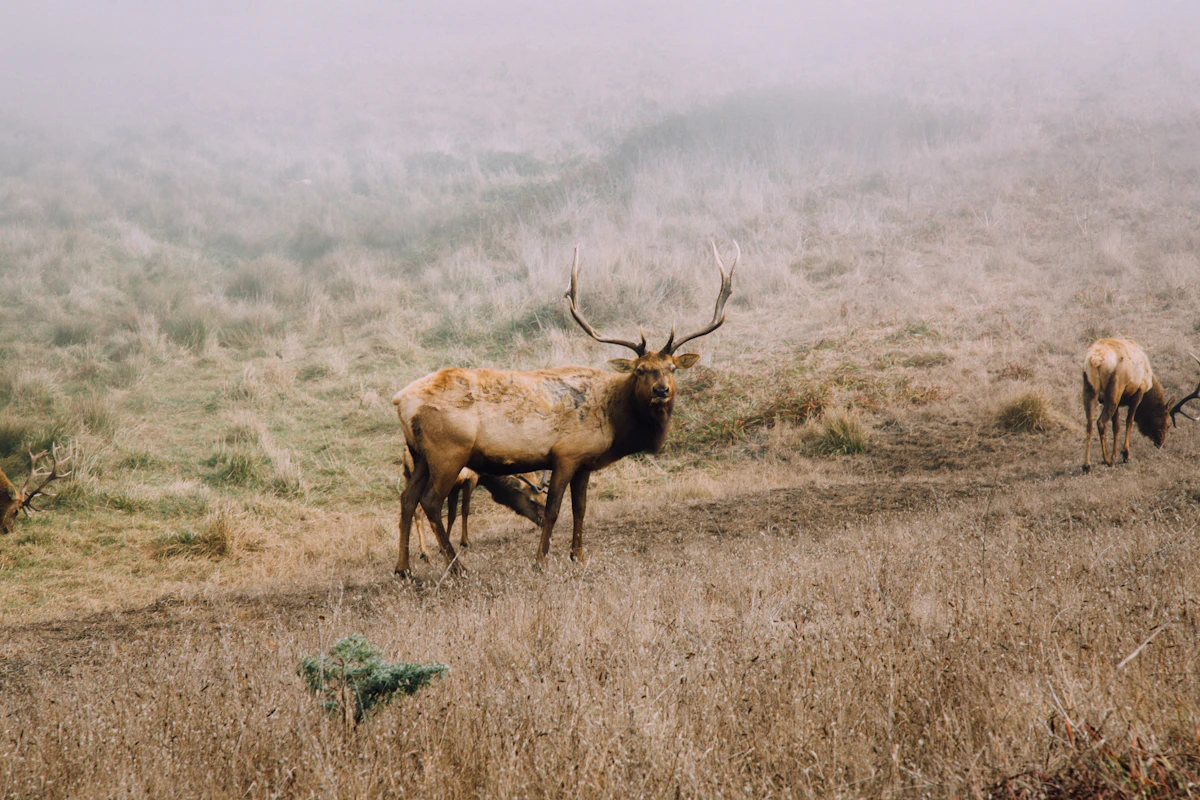
Western hunters targeting elk and mule deer should understand that these species show different lunar responses than whitetails. Elk in particular are highly vocal during the rut, and full moon periods often correspond with intense bugling activity during early morning hours.
Mule deer in open country face different predation pressures than whitetails in timber. Bright moonlight allows them to feed more efficiently in open sage flats and meadows at night, but it also increases their vulnerability to predators. You will often find mule deer bedded in thick cover earlier during full moon mornings and holding tight until later in the afternoon.
High-country elk may actually increase daytime movement during full moons because alpine predators like mountain lions and bears are more active at night. Elk respond by concentrating their feeding in daylight hours when they can see threats approaching across open basins.
Practical Tactics for Full Moon Hunting
Adjust your approach rather than abandoning your hunting time. Start your morning hunts earlier to catch deer moving back to bedding areas. Be in position 45 minutes before legal shooting light rather than 15 minutes.
Shift afternoon hunts earlier as well. Rather than arriving at your stand at 4 PM for a 5:30 sunset, get there by 2 PM. Deer that fed all night may stand up from their beds earlier in the afternoon to stretch and browse near bedding cover.
Focus on funnels and transition zones rather than destination food sources. Deer moving in daylight during full moon periods are often traveling between secure bedding and feeding areas rather than spending extended time in open fields. Set up along trails, saddles, and pinch points where you can intercept deer in transition.
Hunt closer to bedding areas during midday. Deer bedded after a long night of feeding may stand to stretch, urinate, or browse within 50 to 100 yards of their beds. A quiet midday sit overlooking bedding cover can produce shot opportunities on deer that never would have visited a food plot in daylight.
When Moon Phase Matters Most
Lunar influence peaks during these conditions:
- Early season bowhunts when hunting pressure is minimal and food is abundant
- Mild weather patterns without frontal systems or temperature swings
- Areas with low hunting pressure where deer maintain natural movement patterns
- Late-season hunts after the rut when deer return to predictable feeding patterns
Moon phase matters least during:
- The rut, especially the peak breeding and chasing phases
- Severe weather events including cold fronts, storms, and significant temperature changes
- High-pressure hunting areas where human activity disrupts natural patterns
- Opening weekends when increased hunter activity overrides other factors
If you can only hunt certain weekends due to work schedules, hunt them regardless of moon phase. You will learn more in the field than you will sitting at home waiting for perfect conditions. Hunters who spend more days in the woods consistently kill more mature animals than hunters who wait for perfect lunar alignments.
Trail Camera Data for Your Specific Property
The single best way to understand how moon phase affects deer on your property is running trail cameras year-round. Compare movement patterns across different lunar phases using the timestamps on your photos.
You will likely find that your specific property has unique patterns based on available food sources, cover types, and hunting pressure. A farm with limited bedding cover may show less lunar influence because deer have nowhere to hide regardless. A property with extensive timber and multiple food sources may show dramatic shifts.
Organize your trail camera photos by lunar phase and look for patterns in:
- Time of first morning deer appearance
- Time of last evening deer appearance
- Midday movement frequency
- Mature buck appearances during daylight
- Doe and fawn movement consistency
After two or three years of data, you will have a reliable baseline for how deer respond to moon phases on your specific hunting ground. This beats generic advice because it accounts for the unique variables that matter on your property.
Moonrise and Moonset Timing
Some hunters focus less on moon phase and more on moonrise and moonset times. The theory suggests that deer movement increases during the hour before and after moonrise, similar to how feeding activity increases around sunrise and sunset.
The data supporting this is mixed. Some GPS collar studies show slight movement increases around moonrise during nighttime hours, but the effect during daytime moonrise periods is minimal. Where this might matter most is during midday hunts when a moonrise coincides with late morning or early afternoon hours.
If you are hunting all day during the rut, knowing when the moon rises could help you stay alert during what would otherwise be dead midday hours. The psychological benefit of having a reason to stay focused might be more valuable than the actual biological effect.
How TAGZ Helps You Plan Around Moon Phases
TAGZ helps western hunters track moon phases alongside draw deadlines and application dates so you can plan hunts around optimal conditions. The platform integrates lunar calendars with unit-specific historical data, helping you identify patterns between moon phases and tag quotas for limited-entry hunts.
When you are comparing units side by side, TAGZ shows you hunt dates alongside moon phase data so you can evaluate whether a September archery elk hunt falls during a new moon or full moon period. This helps you make informed decisions about which tags to prioritize based on your hunting style and moon preferences.
For states with multiple hunt periods across different weapon types, TAGZ lets you filter options by season dates and cross-reference them with lunar calendars. Hunters who prefer new moon periods for spot-and-stalk hunts can prioritize applications for hunt codes that align with darker moon phases.
FAQ — Hunting During the Full Moon
Does a full moon really ruin deer hunting?
No. Deer still move during daylight in full moon periods, but peak activity times shift earlier in the morning and later in the afternoon. Adjust your hunting schedule rather than staying home.
Should I skip bowhunting during the full moon?
Absolutely not. Weather, food availability, and rut timing matter far more than moon phase. Focus on hunting high-percentage locations during optimal times rather than avoiding certain weeks.
Do elk respond to the full moon like whitetails?
Elk show different patterns. They often increase bugling activity during full moon periods and may concentrate more feeding during daylight hours to avoid nocturnal predators in open country.
What is the best moon phase for hunting mature bucks?
New moon periods show slightly higher daytime movement rates for mature bucks, but the difference is small. Hunt mature bucks in the right locations regardless of moon phase rather than waiting for perfect lunar conditions.
How much earlier do deer move during a full moon?
GPS collar data shows deer typically shift morning activity 30 to 90 minutes earlier during full moon periods. Plan to be in your stand earlier to catch deer moving back to bedding areas.
Does the rutting moon actually trigger peak breeding?
No. The rut is triggered by photoperiod, not lunar phase. However, the second full moon after the autumnal equinox often coincides with peak breeding activity, which is why hunters associate it with the rut.
Continue Planning Your Hunt
Understanding how moon phases affect game movement is just one piece of the hunting puzzle. Successful western hunters combine lunar knowledge with terrain analysis, weather patterns, and historical draw data to make informed tag decisions.
TAGZ gives you the tools to compare units side by side using detailed terrain maps, unit boundaries, and historical draw odds across multiple states. Track your preference points and bonus points so you never miss a draw deadline. Whether you are chasing OTC tags or planning a trophy limited-entry hunt, TAGZ helps you make smarter decisions before you ever step into the field.
Explore unit-specific data, filter hunts by weapon type and season dates, and build a multi-state application strategy based on your point totals and hunting goals. Start planning your next western hunt at getmytagz.com.
For more hunting strategies and application insights, browse our complete library of western hunting articles at TAGZ Insights. Create a free account to start tracking your points and comparing units at getmytagz.com/pricing.
Was this article helpful?
Previous
Best Clothing for Whitetail Hunters: Field-Tested Gear That Works
The right clothing system keeps whitetail hunters comfortable, quiet, and concealed from September through December. This guide covers base layers, insulation, outer shells, and scent control across early-season bowhunts and late-season gun hunts.
Next
Best Compound Bows for Elk Hunting in 2025
Choosing the right compound bow for elk hunting requires balancing draw weight, axle-to-axle length, and shootability. This guide breaks down the top performers for backcountry and treestand hunters, plus the specs that matter most when hunting North America's toughest big game.