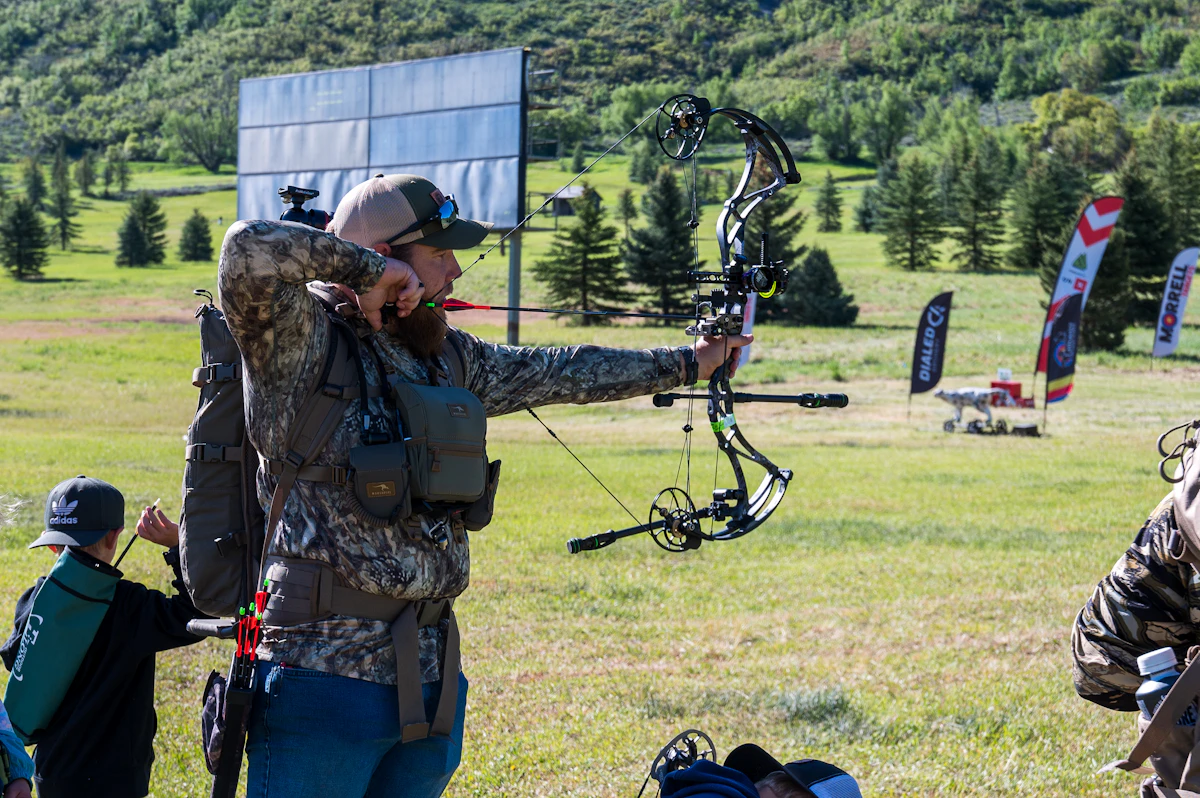
Hoyt and Mathews have battled for bowhunting supremacy for decades, and 2026 brings refined flagship models that represent each brand's core philosophy. Hoyt builds adjustable, bombproof platforms for hunters who want complete control over setup and performance. Mathews engineers smooth-drawing, whisper-quiet bows that prioritize hunting performance straight from the shop. Both brands produce excellent hunting bows, but the right choice depends on your priorities, shooting style, and how you plan to use the bow in the field.
This comparison breaks down the 2026 flagship models—Hoyt RX-9 and Mathews Phase4—across draw cycle, accuracy, noise signature, speed, forgiveness, and value. The goal is to help you make an informed decision based on real hunting scenarios, not marketing hype.
Draw Cycle and Shootability
The draw cycle is where Hoyt and Mathews diverge most sharply. Hoyt's RX-9 uses their proven cam system with a moderately aggressive valley and solid back wall. The draw feels firm and deliberate, building tension smoothly until you hit a defined stop. This design gives excellent let-off control and allows micro-adjustments to holding weight and draw length without a bow press. Experienced archers appreciate the positive feedback—you know exactly where you are in the draw and when you reach full draw.
Mathews Phase4 prioritizes a buttery-smooth draw with minimal hump at peak weight. The cam rolls over effortlessly, dropping into a forgiving valley with a soft back wall. This draw cycle reduces fatigue during long practice sessions and makes it easier to draw on game without excessive movement. The trade-off is less adjustability—changing draw length or weight typically requires a press and cam module swap.
For western hunters glassing from prone positions or drawing on bedded animals, Mathews' smooth cycle allows quieter, less strenuous draws. For treestand hunters or shooters who prefer a crisp, defined feel, Hoyt's more aggressive geometry provides better shot execution feedback.
Accuracy and Consistency
Both bows deliver exceptional accuracy when properly tuned. Hoyt's longer riser and wider stance create a stable platform that resists torque and forgives minor form errors. The RX-9's brace height (typically 7 inches) offers a balance between speed and forgiveness. Hoyt's modular system lets you fine-tune everything from cam timing to limb pocket alignment, which appeals to precision shooters who want to dial in every detail.
Mathews Phase4 achieves accuracy through inherent balance and vibration dampening. The bow sits dead in your hand at full draw, and the integrated dampening system kills vibration before it reaches your hand. The slightly shorter brace height (6.5 inches on most models) increases arrow speed without sacrificing much forgiveness, assuming proper shooting form. Mathews bows tend to be more forgiving of inconsistent grip pressure and anchor point variation.
In practical hunting terms, both bows will group arrows inside a paper plate at 60 yards when the shooter does their part. The difference shows up in how forgiving each bow is when you don't execute perfectly—like when drawing on a bull at 40 yards while your heart pounds and your arms shake.
Noise and Vibration
Quiet operation matters when elk, mule deer, and pronghorn can jump the string at 30 yards. Mathews holds a clear advantage here. The Phase4 incorporates Engage Grip, Centerguard Cable Containment, and internal dampening that produces one of the quietest hunting bows on the market. The shot impulse feels soft, vibration is minimal, and the overall signature is nearly silent. This makes Mathews bows excellent for spot-and-stalk hunting where animals are hyper-alert and close encounters are common.
Hoyt's RX-9 is quieter than previous generations thanks to improved limb dampening and the Shock Pod system, but it still produces more noticeable vibration and hand shock than comparable Mathews models. The difference isn't dramatic—both bows are quiet enough for hunting—but if you've shot them side by side, the Mathews feels softer and sounds quieter. Adding aftermarket stabilizers and string dampeners closes the gap significantly.
For eastern whitetail hunters shooting from treestands where deer are often inside 20 yards and extremely alert, Mathews' noise advantage can be the difference between a clean kill and a high hit from a deer ducking the string.
Speed and Kinetic Energy
Hoyt generally produces slightly faster bows at comparable draw weights and lengths. The RX-9 generates IBO speeds around 340-345 fps with a 70-pound draw weight and 30-inch draw length. This translates to impressive downrange energy with heavy hunting arrows, making Hoyt a favorite among western hunters shooting longer distances at elk and mule deer.
Mathews Phase4 delivers speeds in the 335-340 fps range under similar conditions. The 5-10 fps difference is negligible in most hunting scenarios. Both bows push 450-500 grain hunting arrows fast enough for ethical shots beyond 60 yards when trajectory is properly accounted for.
Speed matters less than shot placement and arrow selection. A 450-grain arrow from a Mathews at 330 fps delivers devastating kinetic energy on elk at 50 yards. Chasing maximum speed often requires lighter arrows that sacrifice penetration and durability. Both manufacturers recommend total arrow weights between 400-500 grains for big game hunting.

Free to join
Download mobile app
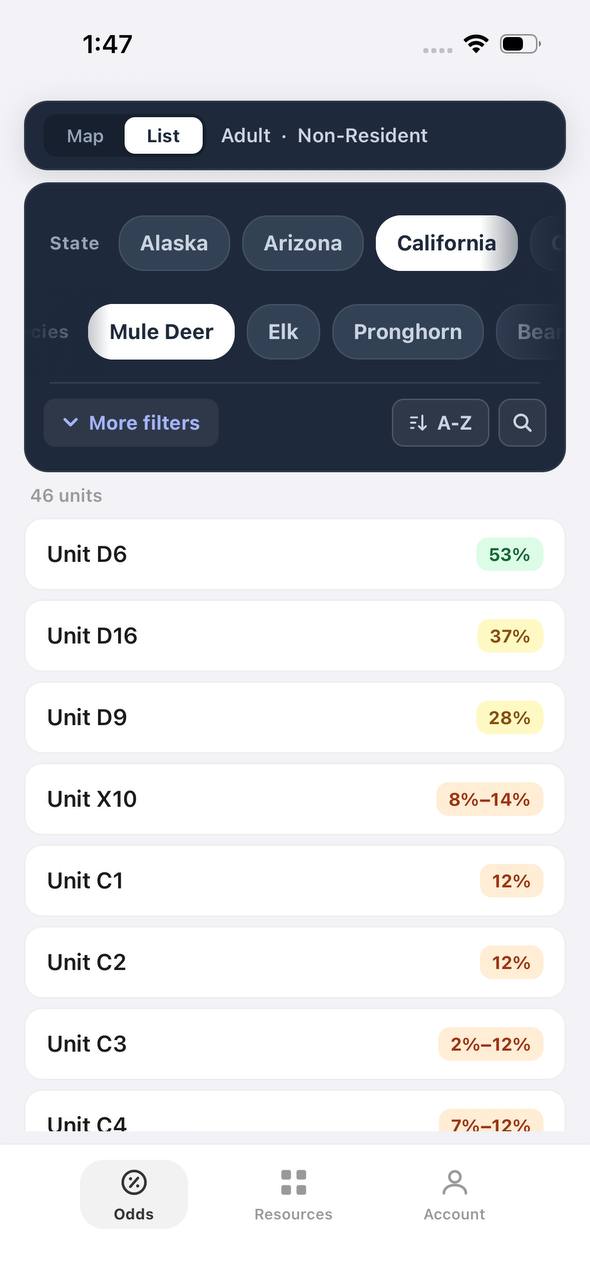
- Detailed draw odds
- Point tracking
- Deadline reminders
- 18 states covered



Free to join
Download mobile app
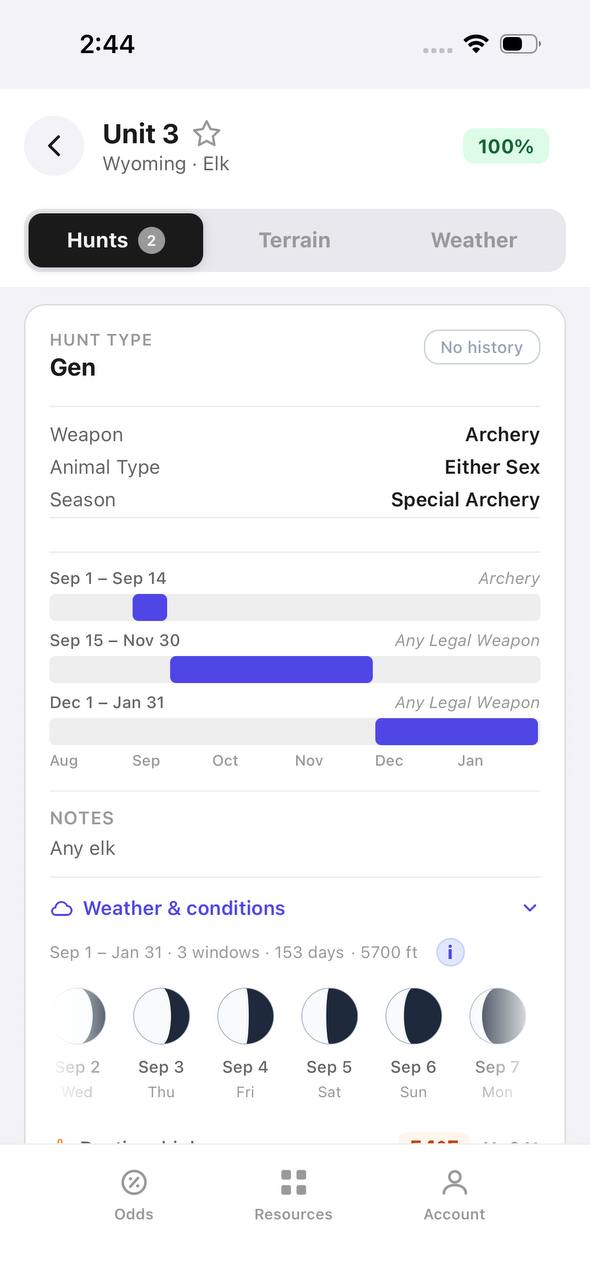
- Detailed draw odds
- Point tracking
- Deadline reminders
- 18 states covered




Free to join
Download mobile app
- Detailed draw odds
- Point tracking
- Deadline reminders
- 18 states covered

Adjustability and Customization
Hoyt dominates this category. The RX-9's modular design allows draw length and weight adjustments without a bow press. Limb bolts provide a 10-pound weight range, and draw length can be tweaked in half-inch increments by rotating modules. This flexibility is valuable for hunters who share bows with family members, travel frequently and need to adjust for different clothing layers, or simply want maximum control over their setup.
Mathews uses a more integrated design that prioritizes out-of-the-box performance over adjustability. Changing draw length or weight typically requires visiting a pro shop with a bow press. This philosophy assumes most hunters will dial in their setup once and leave it alone. For hunters who know their specs and don't anticipate changes, this isn't a limitation. For those who want to tinker or frequently adjust settings, it's a significant drawback.
Hoyt also offers more riser finish options and custom color combinations through their in-house customization program. Mathews provides standard colorways that appeal to most hunters but less room for personalization.
Durability and Build Quality
Both brands build rugged hunting bows designed for backcountry abuse. Hoyt's reputation for durability is legendary—their machined aluminum risers and forged limb pockets withstand drops, impacts, and extreme temperature swings without issue. Guides and outfitters often choose Hoyt for clients because the bows tolerate rough handling and inconsistent maintenance. The finish options include Cerakote treatments that resist scratches and corrosion in wet environments.
Mathews bows are equally well-built but use a different construction approach. The Phase4's riser is machined from a single billet of aluminum, eliminating potential weak points from welds or joints. Mathews' anodized finishes hold up well in normal hunting conditions but may show wear faster than Cerakote in extreme environments. Both brands offer excellent warranty support, though Hoyt's lifetime warranty applies to original owners only, while Mathews warranties are also non-transferable.
In 20 years of guiding elk hunters, I've seen both brands take serious abuse. Hoyt bows survive horse falls and truck bed bouncing with minimal damage. Mathews bows hold zero and maintain accuracy even after being dropped on rocks or dragged through timber. Neither brand has a meaningful advantage in real-world durability.
Value and Price Point
Both flagship models retail between $1,200-$1,500 for the bare bow, with ready-to-hunt packages (sight, rest, quiver, stabilizer) pushing $2,000-$2,500. Hoyt tends to be slightly more expensive at MSRP, but dealer pricing and sales often equalize the cost.
Value depends on what you prioritize. Hoyt offers better long-term versatility through adjustability and a wider ecosystem of compatible accessories. If you plan to keep the bow for 10+ years and modify it as your shooting evolves, Hoyt provides better return on investment.
Mathews delivers better out-of-the-box hunting performance with less tuning required. If you want a bow that shoots incredibly well with minimal setup and don't care about adjustability, Mathews offers excellent value. The resale market favors both brands equally—well-maintained flagship models from either company hold 50-60% of retail value after three years.
Which Bow Fits Your Hunting Style?
Choose Hoyt if you prioritize adjustability, durability, and hands-on tuning. Hoyt bows reward shooters who enjoy dialing in every detail and need a platform that adapts to changing conditions or preferences. Western hunters shooting in extreme weather, guides outfitting clients, and technical archers who want maximum control will appreciate what Hoyt offers.
Choose Mathews if you want the smoothest possible draw, quietest operation, and excellent out-of-the-box performance. Mathews bows excel for spot-and-stalk hunting, close-range whitetail setups, and hunters who prefer simplicity over customization. If you plan to set your bow once and focus on shooting rather than tinkering, Mathews is the better choice.
Both bows will kill elk, mule deer, whitetail, and pronghorn cleanly at realistic hunting distances. The difference comes down to shooting feel, adjustability preferences, and how you interact with your equipment. Test-shoot both models at a pro shop with hunting-weight arrows before deciding. The bow that feels right in your hands and inspires confidence is the one that will perform when a trophy steps into range.
FAQ — Hoyt vs Mathews Hunting Bows
Which bow is quieter, Hoyt or Mathews? Mathews Phase4 is noticeably quieter than Hoyt RX-9 due to superior integrated dampening systems. Both are quiet enough for hunting, but Mathews produces less vibration and hand shock.
Can you adjust Hoyt and Mathews bows without a bow press? Hoyt RX-9 allows draw length and weight adjustments without a press through modular cams and limb bolts. Mathews Phase4 requires a bow press for most draw length and weight changes.
Which bow shoots faster? Hoyt RX-9 generates slightly higher speeds, typically 5-10 fps faster than Mathews Phase4 at comparable draw weights and lengths. The difference is negligible for hunting purposes.
Are Hoyt bows more durable than Mathews? Both brands build extremely durable hunting bows. Hoyt has a reputation for surviving extreme abuse, but Mathews bows are equally reliable in normal hunting conditions. Neither brand has a meaningful durability advantage.
Which bow has a smoother draw cycle? Mathews Phase4 offers a noticeably smoother, more effortless draw with a softer valley and back wall. Hoyt RX-9 has a firmer, more defined draw cycle that some shooters prefer for shot execution feedback.
Do Hoyt or Mathews bows hold resale value better? Both brands hold resale value equally well. Well-maintained flagship models from either company retain 50-60% of retail value after three years. The used market favors condition and setup quality over brand preference.
Was this article helpful?
Previous
Best Bear Archery Bows for Hunting in 2026
Bear Archery's 2026 lineup delivers proven performance for western big-game hunters. From the flagship Redemption EKO to budget-friendly options, these bows combine forgiveness, speed, and field-tested reliability.
Related
Best Hoyt Bows for Hunting in 2026: Top Picks for Western Big Game
Hoyt's 2026 lineup delivers proven accuracy and reliability for western hunters. From the flagship RX-9 to budget-friendly options, we break down which Hoyt bow fits your hunt.
Next
Best Mathews Bows for Hunting in 2026: Top Models Compared
Mathews continues to dominate the bowhunting world in 2026 with flagship models that balance forgiveness, speed, and silent operation. From the all-new Phase4 38 to the compact Lift 33, we break down which Mathews bow fits your hunting style and budget.