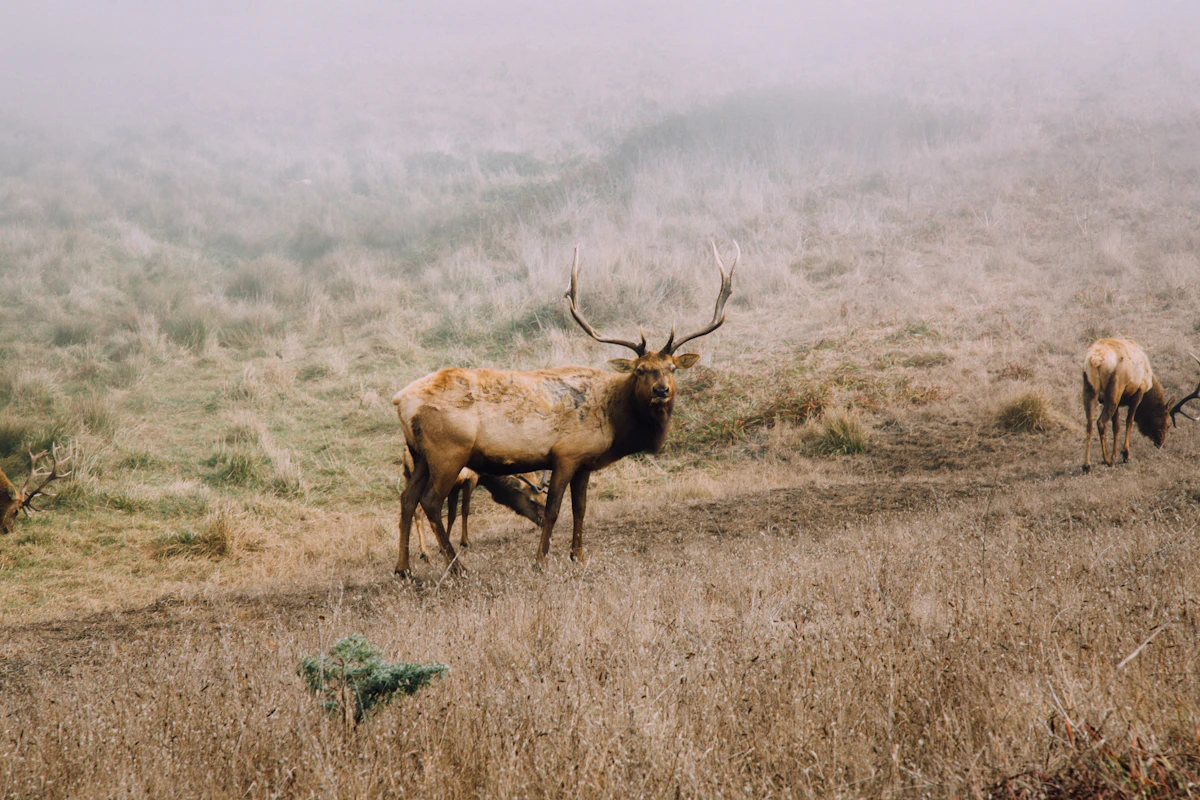
How to Scout Without Cameras: Proven Methods for Finding Western Big Game
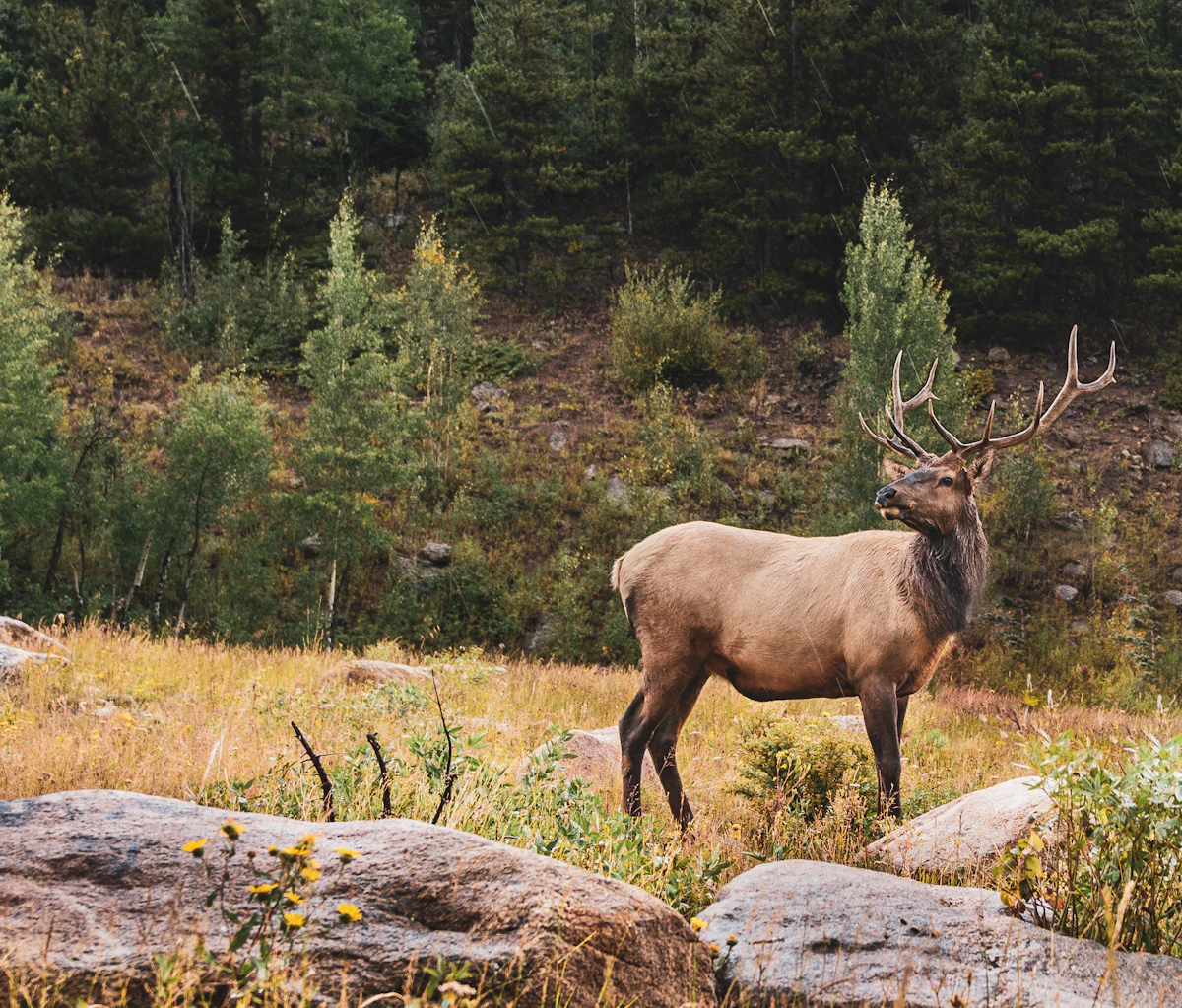
Trail cameras have become standard equipment for whitetail hunters across the country, but Western big-game hunters face a different reality. Several states now ban trail cameras entirely, including Arizona, Nevada, and Montana for certain species. Even where they are legal, the vast landscapes, migratory patterns, and public land pressures of Western hunting make cameras less effective than in the East.
The good news is that camera-free scouting often produces better results in the West. Learning to read terrain, interpret fresh sign, and glass effectively will prepare you for hunts where technology cannot follow. These methods work whether you are chasing elk in Colorado's high country, mule deer in Wyoming's sagebrush basins, or pronghorn on Montana's prairie.
Why Western Hunting Favors Camera-Free Scouting
Western game animals cover enormous distances between summer and fall ranges. Elk may move 20 miles or more as weather shifts. Mule deer transition from alpine basins down to winter range over the course of a season. Pronghorn wander across sections of prairie that would require dozens of cameras to monitor.
A trail camera placed in July often captures zero animals by October. The cost and logistics of maintaining camera networks across scattered public land parcels make the approach impractical for most hunters. Meanwhile, a single day of glassing and terrain reading during or immediately before the season reveals current animal locations and movement patterns that cameras placed weeks earlier cannot match.
States with trail camera bans recognize that these devices can concentrate hunting pressure and give unfair advantages on limited public land. Hunters who master camera-free methods gain skills that translate across state lines and regulatory changes.
Glassing: The Foundation of Western Scouting
Quality optics and systematic glassing replace trail cameras as your primary scouting tool in the West. The goal is to cover maximum terrain from vantage points that let you observe animal behavior without bumping them from their preferred zones.
Start glassing at first light when animals are most active and visible. Position yourself above the terrain you want to scout, ideally with the sun at your back to avoid glare. Use a spotting scope on a tripod for distant basins and ridgelines. Binoculars work for closer observation and scanning.
Grid your field of view into sections and glass each thoroughly before moving to the next. Do not just scan for whole animals. Look for horizontal lines that break the vertical pattern of trees and brush, the flick of an ear, or the white rump patch of a bedded mule deer. Glass shaded pockets where animals bed during midday heat.
Evening glassing sessions reveal where animals feed and water as they emerge from bedding areas. Note the terrain features they use as travel corridors between feeding and bedding zones. These patterns repeat day after day unless hunting pressure or weather forces a shift.
Reading Sign to Confirm Animal Presence
Fresh sign tells you what animals are doing right now, not what they did when you placed a camera three weeks ago. Learn to distinguish recent tracks, droppings, rubs, scrapes, and beds from old sign that no longer reflects current animal activity.
Elk sign is often obvious. Fresh tracks in soft dirt show sharp hoof edges and clear dewclaw marks. Droppings that are dark, moist, and have not yet dried out indicate elk passed through within the last day. Rubs on aspen or pine trees with fresh sap and bark shavings on the ground mark active bull territories during the rut.
Mule deer leave subtler sign. Look for tracks in dusty trails between feeding and bedding areas, browsed bitterbrush with clean-cut stems rather than ragged breaks, and oval depressions in grass or duff where deer bedded. Scrapes near bedding zones indicate pre-rut buck activity.
Pronghorn concentrate around water sources and leave well-worn trails across open prairie. Fresh tracks near stock tanks and windmills show whether antelope are using a water source regularly. Droppings scattered around feeding areas confirm the herd is in the vicinity.
Combine sign reading with terrain analysis. If you find fresh elk tracks entering a dark timber bench at midday, you have identified a bedding area. If mule deer droppings concentrate on a sagebrush ridge at dawn, you have found a feeding zone.
Using Terrain and Habitat to Predict Animal Locations
Western game animals choose habitat based on food availability, security cover, water access, and escape terrain. Understanding these preferences lets you predict where animals will be without ever seeing them.
Elk favor north-facing slopes with thick timber for bedding during warm early-season hunts. As temperatures drop and hunting pressure increases, they move to steeper, darker timber pockets that offer security and proximity to escape routes. Look for benches and saddles that connect bedding areas to feeding zones in parks and meadows.
Mule deer use terrain edges where different habitat types meet. Glass ridgelines where sagebrush transitions to oakbrush or aspen. Check basins with mixed vegetation that provide browse, cover, and visibility for predator detection. In steep country, bucks bed on points and ridges where they can watch their backtrail.
Pronghorn need open sightlines and escape routes but also seek terrain features that provide shade and wind protection. Low ridges, coulees, and stock ponds attract herds during midday heat. Morning and evening feeding occurs in flatter basins with good grass.
TAGZ helps you scout digitally before you ever leave home by overlaying terrain maps with unit boundaries and public land access. Use the platform to identify benches, ridgelines, and transitions that match the habitat preferences of your target species. Filter units by terrain type, elevation, and vegetation to narrow your scouting focus before you invest time in the field.
Scouting During the Season vs. Pre-Season
Pre-season scouting in July and August shows you where animals spend the summer, but conditions change by opening day. Elk migrate to higher elevations during summer and drop lower as weather turns. Mule deer bucks form bachelor groups in alpine basins before dispersing as the rut approaches. Pronghorn bucks establish territories that they may abandon as the rut progresses.
In-season scouting — glassing and sign reading during the hunt itself — reflects real-time animal behavior. Plan to spend the first day or two of your hunt observing rather than pursuing. Glass heavily at dawn and dusk to locate animals and identify their movement patterns. Adjust your strategy based on what you learn rather than hunting where you think animals should be.
If you can only scout once before the season, do it within two weeks of your opener. Weather, hunting pressure, and food availability will be similar to what you will encounter during the hunt. The patterns you observe are more likely to hold.
Avoid Common Camera-Free Scouting Mistakes
Many hunters waste scouting time by focusing on low-probability areas or misinterpreting sign. Avoid these mistakes:
Do not scout from roads. Animals visible from roads are also visible to other hunters. Hike or ride at least a mile from vehicle access to find unpressured game.
Do not assume old sign means current use. A wallow that held elk in August may be dry and abandoned by September. Always confirm recent activity before committing to an area.
Do not bump animals while scouting. If you push elk or deer out of their core areas, they may not return for days. Glass from a distance and avoid entering bedding zones until you are ready to hunt.
Do not ignore secondary areas. If your top choice gets crowded opening weekend, have backup zones already scouted. Animals pushed by pressure often move to nearby terrain with similar characteristics.
TAGZ simplifies multi-state scouting by tracking your preference points and bonus points so you know which units you can realistically draw. Use the platform to compare unit maps side by side and mark potential glassing points, water sources, and access routes. This preparation maximizes your limited scouting time by focusing effort where it matters most.
Building a Scouting System That Works Every Season
Successful camera-free scouting requires a repeatable process you can apply in any unit or state. Start with digital research using terrain maps and unit boundaries. Identify transition zones, water sources, and access points. Filter for units that match your weapon type, season dates, and draw odds.
Once you have narrowed your target area, plan a scouting trip focused on glassing from high vantage points. Bring quality optics, a spotting scope, and a tripod. Spend dawn and dusk glassing feeding areas and midday observing bedding zones from a distance.
Record what you see in a journal or mapping app. Note terrain features, sign concentrations, and animal movement times. Take photos of landmarks so you can relocate glassing points on opening day. Mark waypoints for key areas like water sources, benches, and saddles.
Review your notes and adjust your hunt plan based on observed patterns. If animals consistently feed in a certain basin at dawn, plan to be in position before first light. If you found fresh rubs in a timber pocket, hunt the benches above it during midday when bulls bed.
This system works whether you are hunting elk in Colorado, mule deer in Wyoming, or pronghorn in Montana. The fundamentals of terrain reading, sign interpretation, and systematic glassing remain constant across species and states.
FAQ — Scouting Without Cameras
Can you successfully scout Western big game without trail cameras?
Yes. Glassing, sign reading, and terrain analysis often produce better results than trail cameras in the West because animals migrate long distances and states increasingly ban cameras on public land.
What optics do you need for camera-free scouting?
Quality 10x or 12x binoculars for general glassing and a spotting scope in the 15-45x range for distant observation. A sturdy tripod is essential for extended glassing sessions without fatigue.
How do you know if animal sign is fresh enough to matter?
Fresh elk droppings are dark and moist. Fresh tracks show sharp edges in soft dirt. Rubs with wet sap and green bark shavings indicate activity within the last day or two. Dry, weathered sign means animals moved through days or weeks ago.
Is pre-season scouting worth it if animals migrate?
Pre-season scouting helps you learn terrain and access routes, but in-season scouting during the first day or two of your hunt reveals current animal locations. If you can only scout once, do it within two weeks of your opener.
What terrain features should you focus on when glassing?
Glass transition zones where different habitat types meet, saddles and benches that connect feeding and bedding areas, north-facing timbered slopes for bedding cover, and water sources during dry conditions. Animals concentrate where food, cover, and escape terrain overlap.
How does TAGZ help with camera-free scouting?
TAGZ provides terrain maps, unit boundaries, and public land layers so you can identify glassing points, benches, and transition zones before your scouting trip. Track preference points across multiple states and compare units side by side to focus your limited scouting time on the areas you can actually draw.
Continue Planning Your Hunt
Mastering camera-free scouting gives you the skills to hunt successfully in any Western state, regardless of trail camera regulations or terrain challenges. Combine these field techniques with digital tools that help you plan smarter applications and maximize your draw opportunities.
TAGZ helps you research unit terrain, compare draw odds, and track application deadlines across multiple states so you can focus your scouting effort on units you can realistically hunt. Whether you are building preference points for a trophy limited-entry tag or chasing OTC opportunities, the platform gives you the data to make confident decisions before you ever hit the trail.
Explore more hunt planning resources on the TAGZ Insights page or learn how the platform simplifies Western draw applications at getmytagz.com/product. Ready to start planning your next hunt? Check current pricing and build your multi-state strategy today.
Was this article helpful?
Previous
Best Clothing for Whitetail Hunters: Field-Tested Gear That Works
The right clothing system keeps whitetail hunters comfortable, quiet, and concealed from September through December. This guide covers base layers, insulation, outer shells, and scent control across early-season bowhunts and late-season gun hunts.
Next
Best Compound Bows for Elk Hunting in 2025
Choosing the right compound bow for elk hunting requires balancing draw weight, axle-to-axle length, and shootability. This guide breaks down the top performers for backcountry and treestand hunters, plus the specs that matter most when hunting North America's toughest big game.