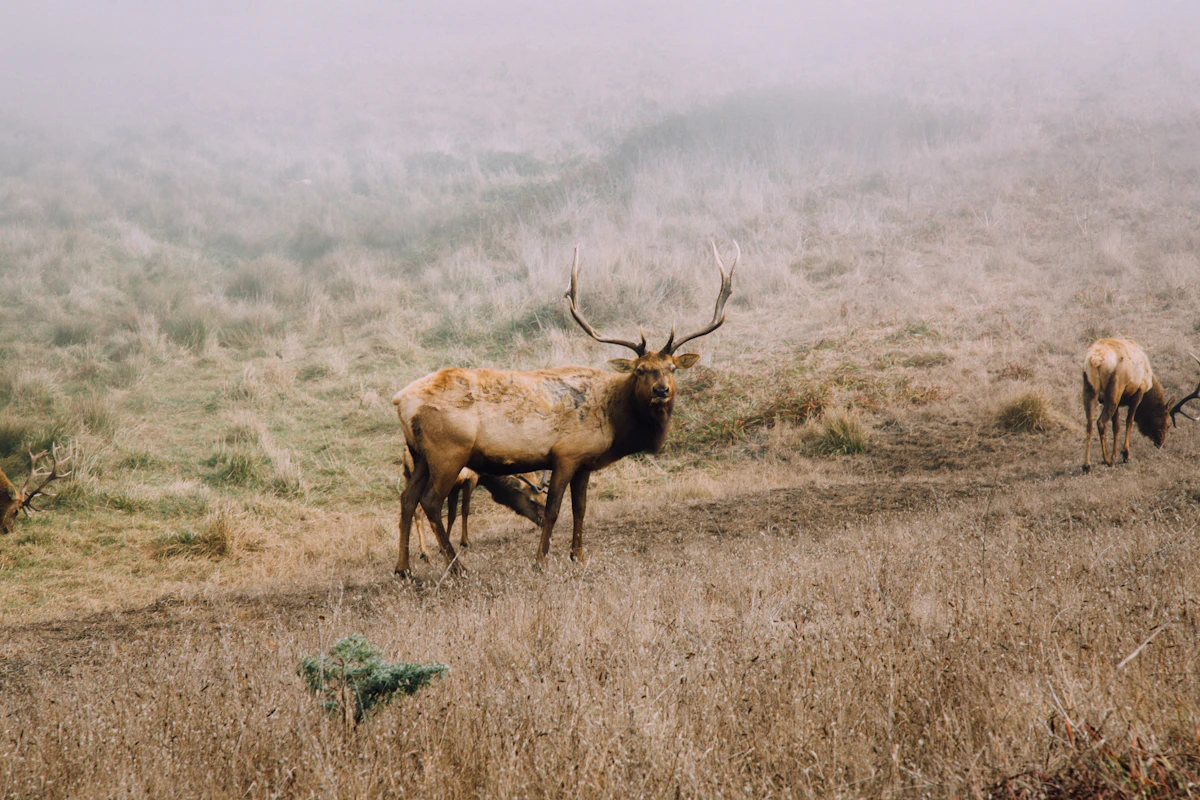
How to Scout Whitetail Without Trail Cameras — Proven Boots-on-the-Ground Methods
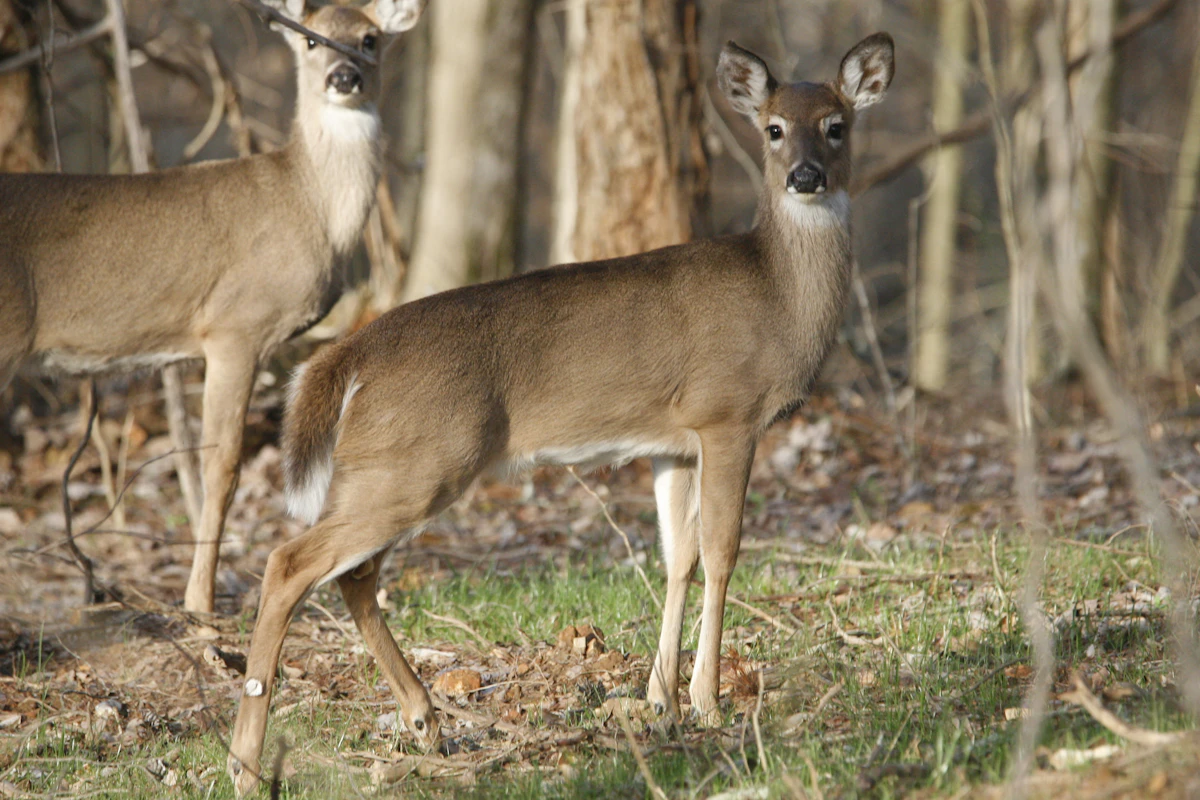
Trail cameras have become so embedded in whitetail culture that scouting without them feels almost radical. But cameras are not always practical, legal, or even the best tool. Public land regulations increasingly restrict them. Private land hunters sometimes lack permission to leave equipment. And in high-pressure areas, the presence of cameras can educate deer as much as hunters.
Scouting without cameras forces you to develop deeper woodsmanship. You learn to read landscapes, interpret fresh sign, and predict movement patterns based on terrain and food sources rather than timestamped photos. The skills you build translate into better hunts, whether you eventually use cameras or not. This guide covers the field-proven methods that locate mature whitetails without a single SD card.
Read Bedding Areas by Terrain, Not Photos
Mature bucks bed where they feel secure. That means thick cover with good visibility or escape routes, usually on elevated terrain that lets them monitor approaches. Instead of relying on daytime camera hits to confirm bedding, read the landscape.
Look for benches on ridge sides, inside corners where two drainages meet, or dense pockets of regeneration timber surrounded by open hardwoods. In flat country, check grown-over clearcuts, cattail edges, or any brushy tangle with defined entry and exit trails. Walk the perimeter without pushing into the core. Fresh beds, droppings, and multiple trails converging on thick cover confirm you have found the zone.
Pay attention to wind. Bucks bed where prevailing thermals let them smell danger before it arrives. A north-facing slope with thick cover and a view downhill is classic terrain. You do not need a photo to know a mature deer is using it.
Track Rub Lines to Define Travel Corridors
Rubs tell you where bucks move, how often, and their relative size. A single rub means little. A line of fresh rubs on the same side of trees, all moving in one direction, defines a travel route.
Walk field edges, transition zones between bedding and feeding areas, and terrain funnels like saddles or creek crossings. Fresh rubs on saplings the diameter of your wrist or larger indicate a mature deer. If you find multiple rubs within 50 yards, all facing the same direction, you have a corridor worth hunting.
Rubs peak during pre-rut, but older rubs from previous seasons show long-term patterns. A tree rubbed year after year in the same spot is a landmark. Position stands to intercept deer moving along that line during October and November.
Dissect Scrape Activity Without Waiting for Photos
Scrapes signal breeding areas and check-in points where bucks monitor doe activity. But not all scrapes matter. Mature bucks often work scrapes at night, and random scrapes in open fields rarely produce daylight encounters.
Focus on scrapes under overhanging branches in terrain funnels, along ridge edges, or near bedding-to-feed transitions. Fresh scrapes with torn-up soil, hoof prints, and a worked licking branch overhead indicate recent activity. If you find a cluster of scrapes within 100 yards, you have a primary area.
Check scrapes every few days during October and early November. Increased activity, larger scrapes, and fresh rubs nearby signal bucks are ramping up for the rut. You do not need a camera to know when to move in with a stand.
Map Food Sources by Season and Hunting Pressure
Whitetails are stomachs with legs. Find their current preferred food and you find deer. But preferred foods shift from early season through late season, and hunting pressure changes where deer feed.
In September and early October, look for soft mast like apples, pears, and persimmons. By late October, acorns dominate if available. White oak acorns are preferred over red oak. After leaf drop, bucks move to standing crops like soybeans, corn, and brassicas. In late season, they shift to high-carb foods like waste grain and standing corn.
Walk field edges at dawn or dusk to confirm recent feeding. Fresh tracks in soft soil, droppings, and browsed plants tell you what deer are eating and when they arrived. On public land, pressured deer often abandon open food sources and shift to hidden options like wooded creeks with acorns or thick cover with browse.
Use Tracks and Trails to Age Deer
Tracks reveal size, direction, and timing without a camera. A mature buck track is three inches or longer from tip to dew claw, blocky rather than tapered, and often shows drag marks in snow or soft soil because older bucks walk flat-footed.
Fresh tracks in mud, snow, or dust along trails tell you when deer moved through. If you find large tracks along a rub line leading from thick bedding toward an evening food source, you have a huntable pattern.
Pay attention to trail intersections. Bucks often use secondary trails that parallel main doe routes, staying 20 to 50 yards off the beaten path. These subtle trails rarely show up on cameras because bucks avoid open areas. But if you walk slowly and watch for faint paths through cover, you will find them.
Scout During the Right Conditions
Scouting without cameras requires getting close to where deer live, so timing matters. Scout aggressively in late winter after season closes. Bucks have dropped their guard, and snow or mud makes tracks and beds easy to read. You can push through bedding areas without consequence and map the entire property.
During summer, limit intrusion. Walk field edges and trails in early morning to check food sources and rub lines without bumping deer. Avoid bedding areas entirely unless you are setting stands, and even then, enter only once with favorable wind.
In October, scout lightly and let sign accumulate. Check scrapes, rubs, and trail intersections every few days, but do not overhunt. The goal is to identify patterns without educating deer to your presence.
Combine Observations to Build a Hunt Plan
Scouts who rely on cameras often get locked into hunting one stand because that is where the biggest buck showed up. Scouts who read terrain and sign develop multiple options.
Once you have identified bedding areas, travel corridors, food sources, and rub lines, overlay them mentally or on a map. Look for pinch points where terrain forces deer into a narrow zone. A ridge saddle between bedding and feeding is ideal. A creek crossing with fresh tracks and rubs on both sides is another.
Set stands based on wind direction and entry routes that let you get in and out without spooking deer. Cameras can tell you a buck is in the area. Boots-on-the-ground scouting tells you how to kill him.
FAQ — Whitetail Scouting Without Cameras
Can you successfully scout whitetail without trail cameras?
Absolutely. Boots-on-the-ground scouting using tracks, rubs, scrapes, and terrain analysis has worked for decades and often provides better intel than cameras because you learn to read landscapes rather than just individual deer.
What are the most important signs to look for when scouting without cameras?
Fresh rub lines, active scrapes with worked licking branches, large tracks along defined trails, and terrain features like benches, saddles, and thick cover near food sources. These signs reveal travel patterns, bedding areas, and breeding zones.
How do you know if a mature buck is using an area without photos?
Large tracks (three inches or more), rubs on thick saplings or trees, clusters of scrapes in terrain funnels, and beds in security cover with good wind advantage all indicate a mature deer. Multiple signs in the same zone confirm habitual use.
When is the best time to scout without disturbing deer?
Late winter after season closes is ideal for aggressive scouting because you can push through bedding areas without consequence. During hunting season, limit scouting to early mornings along field edges and trails, and avoid bedding areas except when setting stands with favorable wind.
How often should you check scrapes and rubs during the season?
Every three to five days during October and early November. Increased activity, fresh scrapes, and new rubs signal bucks are preparing for the rut. Check more frequently as the rut approaches, but avoid overhunting the same areas.
Is scouting without cameras better than using them?
Not necessarily better, but it builds deeper woodsmanship and is often more practical on public land where cameras are restricted or stolen. Combining both methods gives the most complete picture, but strong scouting skills let you hunt effectively anywhere, with or without electronics.
Continue Planning Your Hunt
Whether you are chasing whitetails on small parcels or scouting public land across multiple states, TAGZ helps you organize research, track draw deadlines, and compare hunting opportunities side by side. From mapping units to analyzing terrain and public land access, TAGZ gives you the tools to make smarter decisions before you step into the field.
Explore more hunting insights and strategies on the TAGZ Insights page, compare draw odds and unit details with the TAGZ platform, or learn how TAGZ simplifies hunt planning at getmytagz.com.
Mastering boots-on-the-ground scouting is not about rejecting technology. It is about building skills that make you a better hunter regardless of the tools you carry. Trail cameras are valuable, but the ability to read sign, interpret terrain, and predict deer movement turns you into the kind of hunter who finds success in any conditions.
Was this article helpful?
Previous
Best Clothing for Whitetail Hunters: Field-Tested Gear That Works
The right clothing system keeps whitetail hunters comfortable, quiet, and concealed from September through December. This guide covers base layers, insulation, outer shells, and scent control across early-season bowhunts and late-season gun hunts.
Next
Best Compound Bows for Elk Hunting in 2025
Choosing the right compound bow for elk hunting requires balancing draw weight, axle-to-axle length, and shootability. This guide breaks down the top performers for backcountry and treestand hunters, plus the specs that matter most when hunting North America's toughest big game.