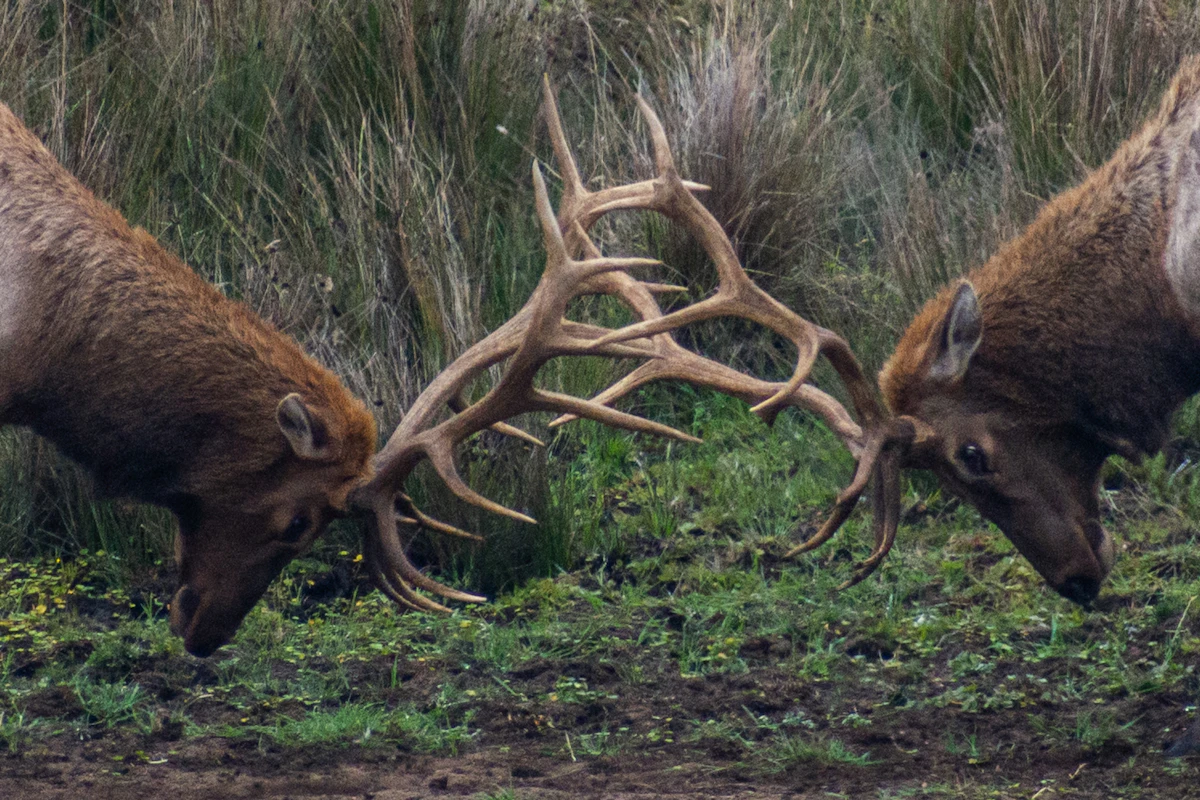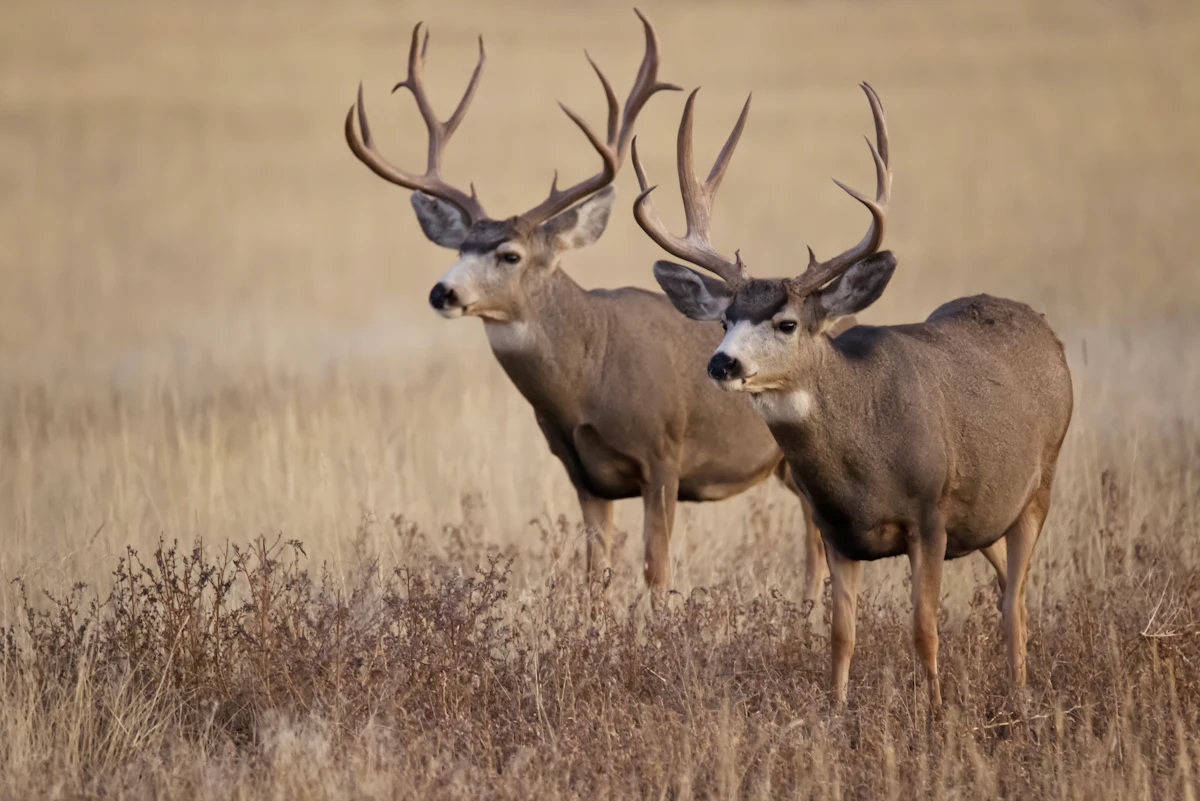
You scout mule deer by combining digital tools, maps, and real time in the field, focusing on terrain, feed, pressure, and realistic expectations. Here’s how I actually do it, and how most serious Western hunters get it done.
Start With E-Scouting, But Don’t Stop There
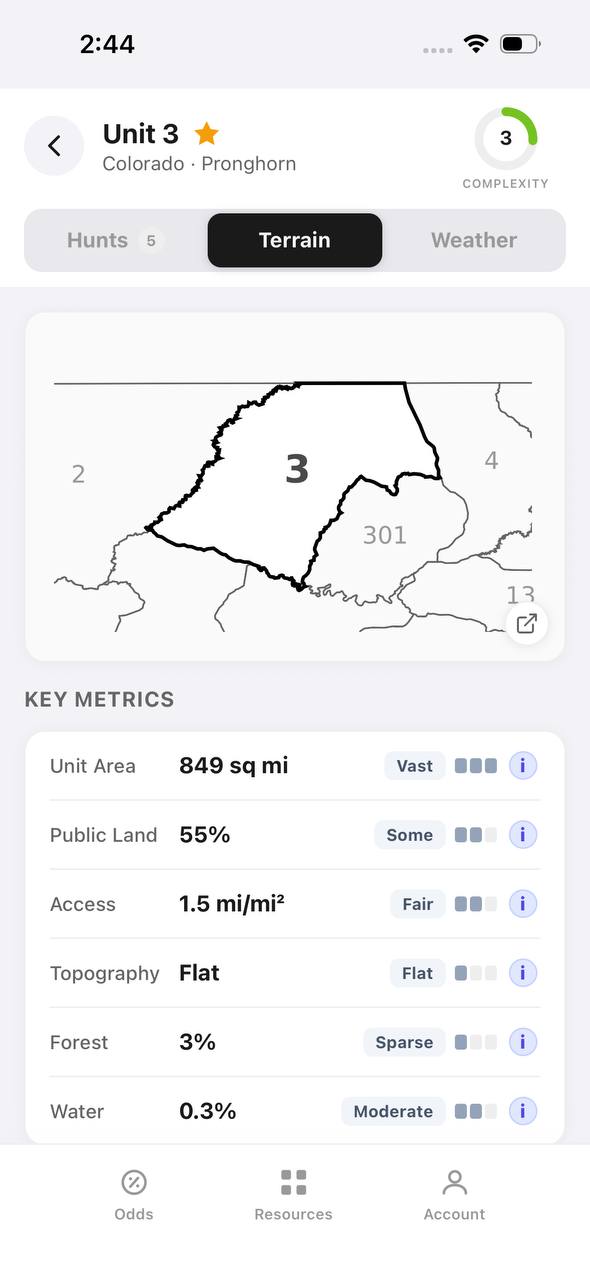
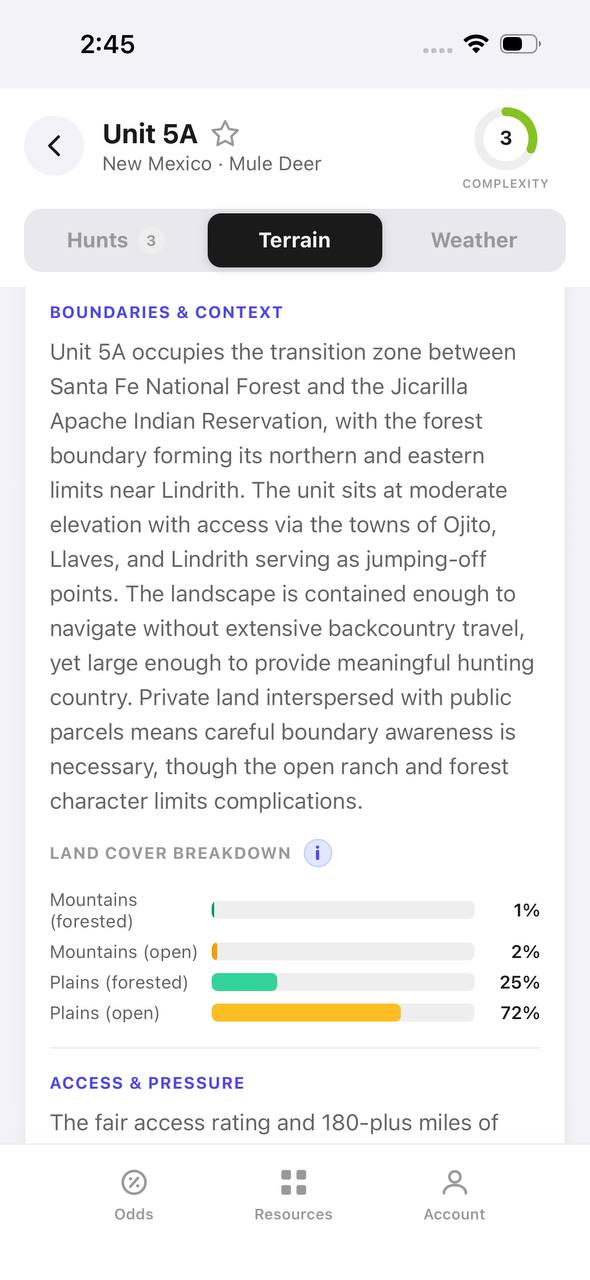
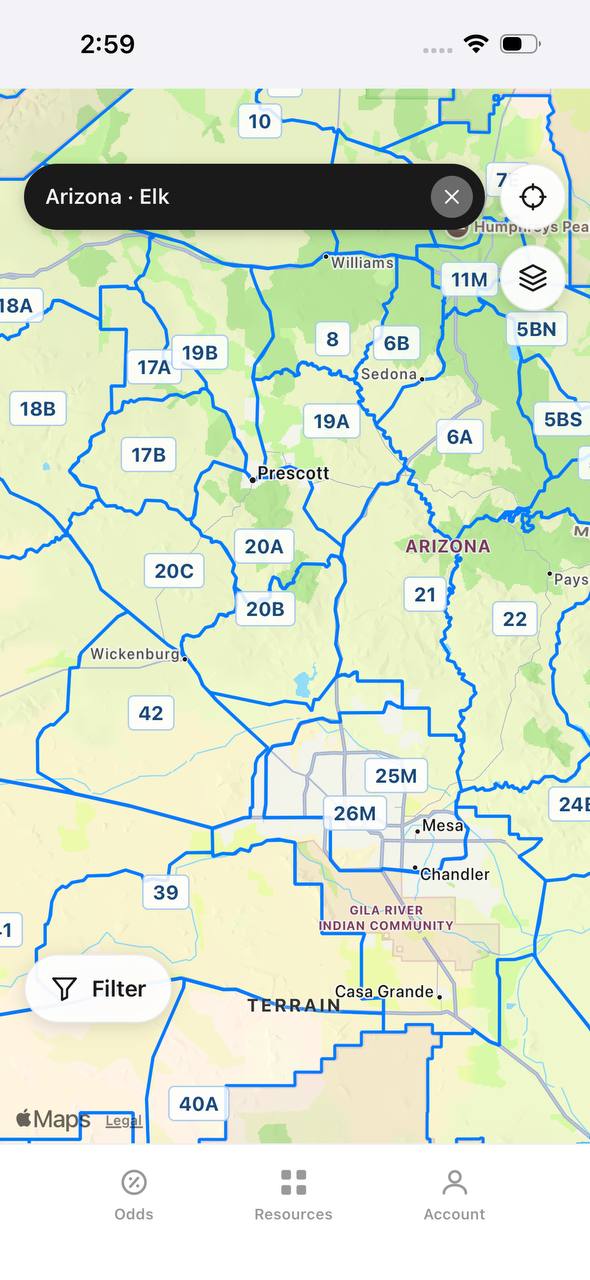
E-scouting is how almost every modern hunt starts, and it’s way more than clicking around on a map. I’ll mark glassing points, bedding cover, water, and possible access routes on TAGZ or my mapping app. Look for benches, north-facing slopes, broken country, and even overlooked pockets near roads that get ignored. Google Earth’s 3D view is your friend — it helps you see how deer move through cuts, saddles, and ridges that aren’t obvious on a topo.
But the map is just the start. You have to get boots on the ground. Mule deer live where they find security, feed, and escape from pressure — and sometimes that means tossing your e-scouting plan if sign or fresh tracks tell a different story.
Reading Pressure and Terrain Like a Local
Don’t buy into the fantasy that all big bucks are deep in wilderness. Some are, but plenty live closer to roads — especially if most hunters drive past them. During your scouting, pay close attention to:
- Pressure: Glass for boot tracks, tire marks, and old camps. If you’re seeing a lot, expect deer to shift patterns come season.
- Terrain: Mule deer love edges — where timber breaks into sage, or where a steep slope softens into a bench. They’ll bed with a view, often just over a rise where you can’t see from the road.
- Feed and Water: In dry years, find water. In early season, focus on green feed. In snow, look for south slopes that melt off first.
Scouting isn’t just about finding deer. It’s understanding how they react to hunters, weather, and food. That’s what puts you a step ahead.
Scouting in the Field: Timing and Tactics
Ideally, I scout late summer into early fall, when bucks are still in a pattern. Get up early and glass from a distance. Muleys are creatures of habit — until the first ATVs show up. Mark every deer you see, but also mark where you don’t see deer. Sometimes, empty country is telling you to move on.
I’ll stash a few trail cams if legal, always checking regs for the state I’m in. But nothing beats the time spent behind glass. If you’re scouting new country, hike in as far as you realistically want to pack a buck out, then go a little farther. You’ll learn the terrain, the access, and your own limits.
Using TAGZ to Plan Smarter, Not Harder
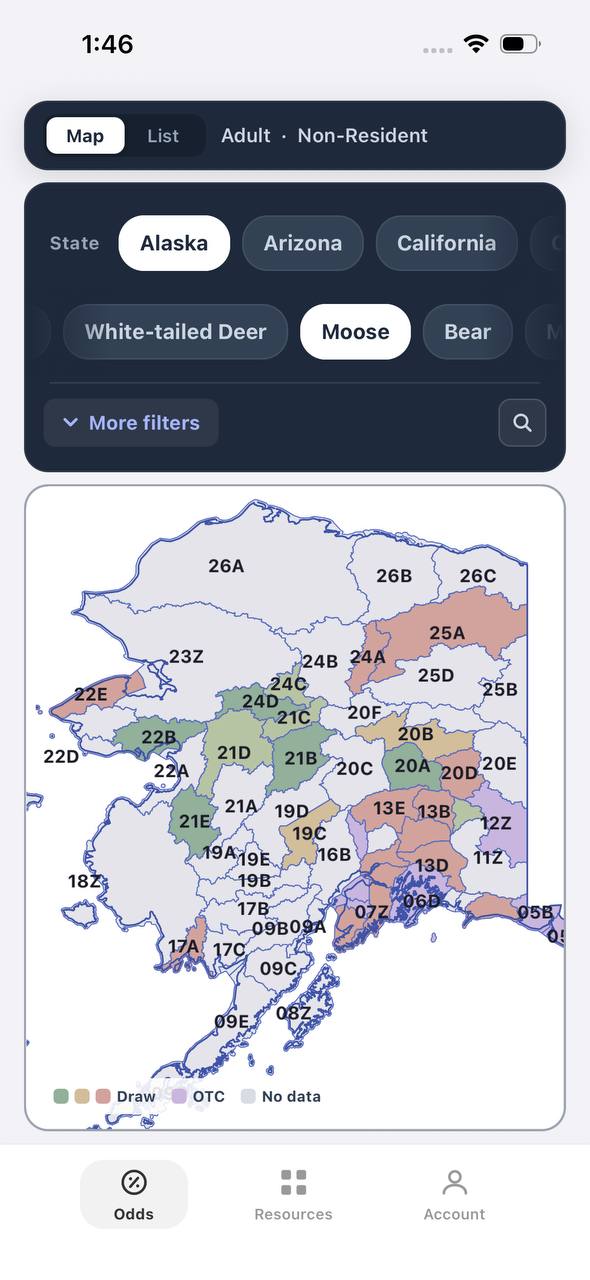
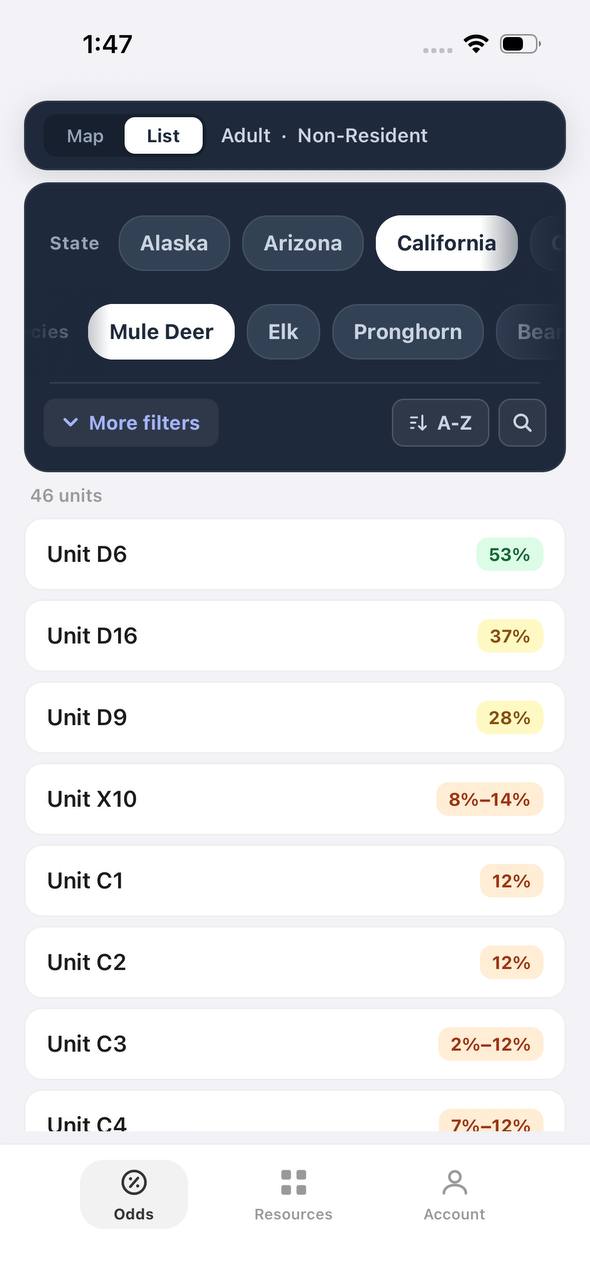
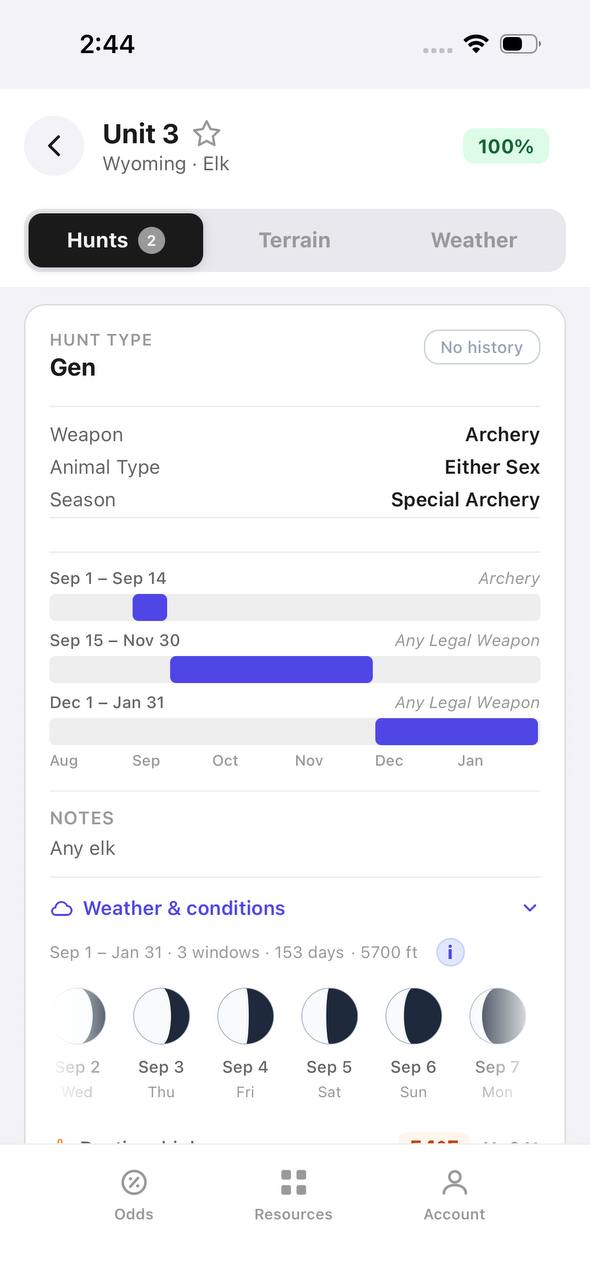
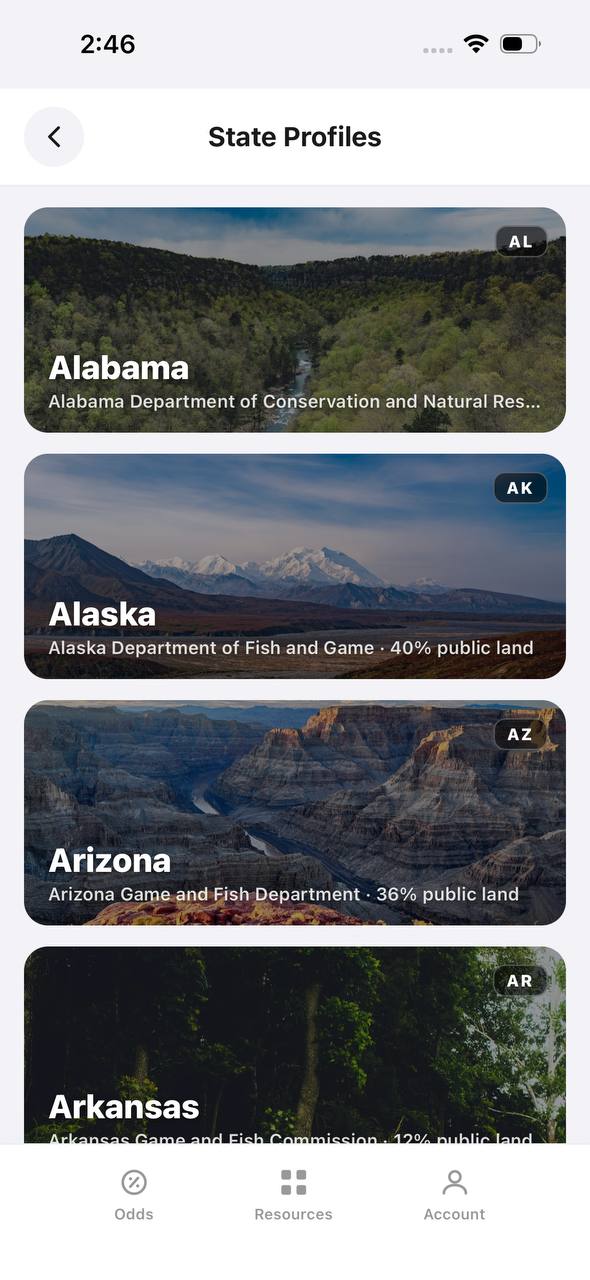
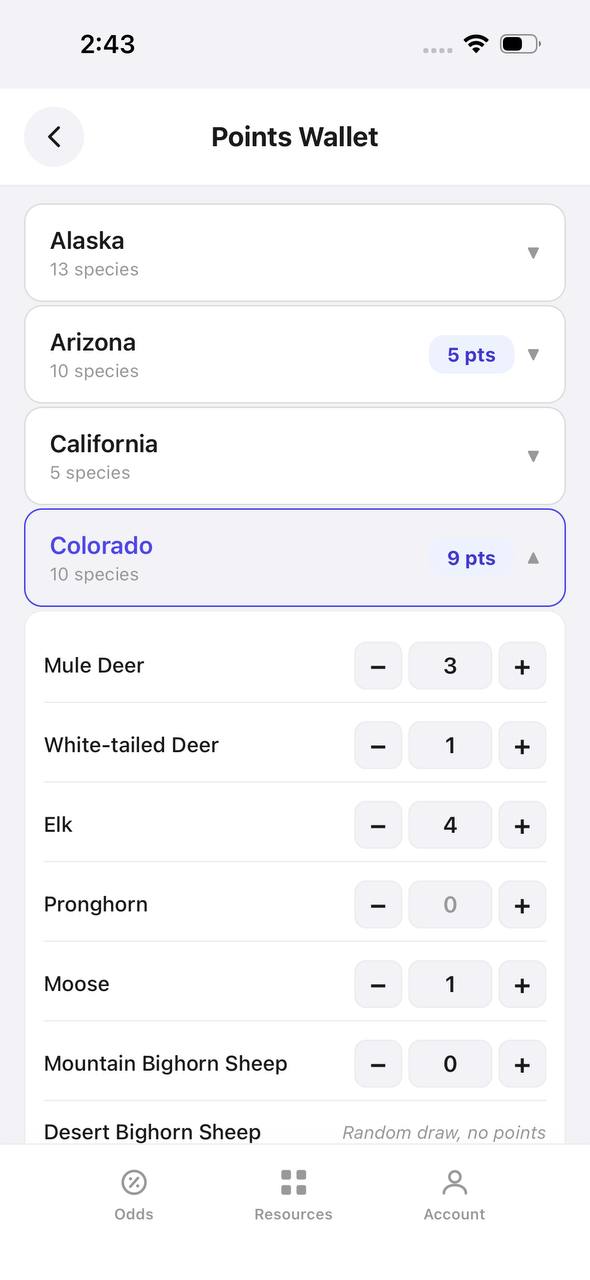
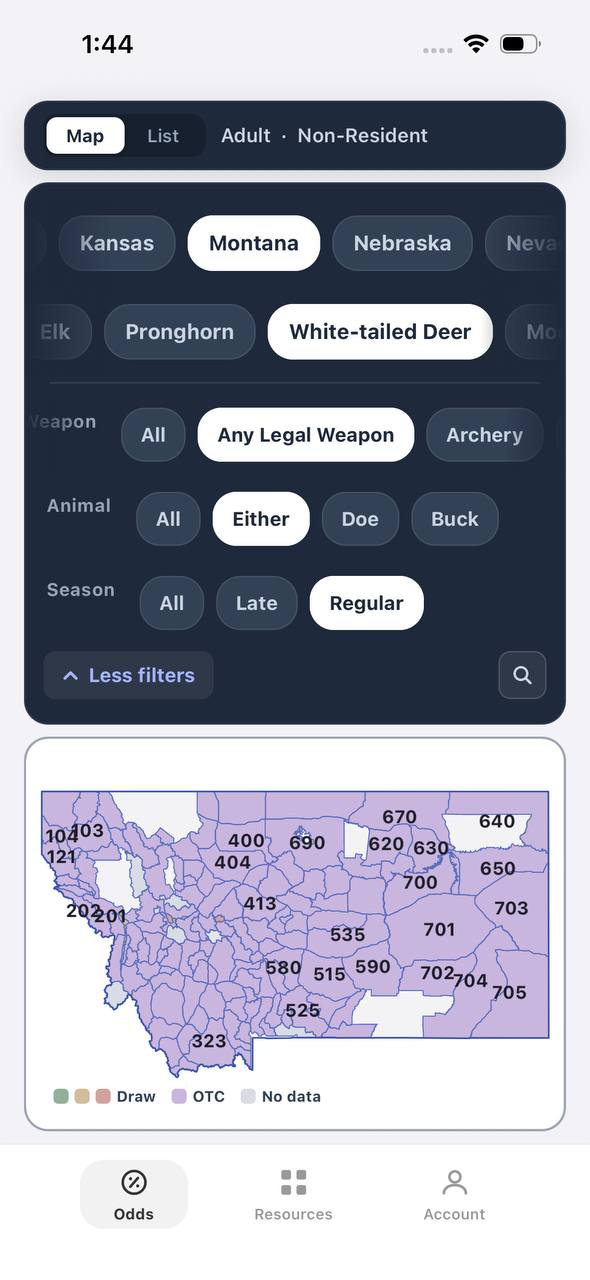
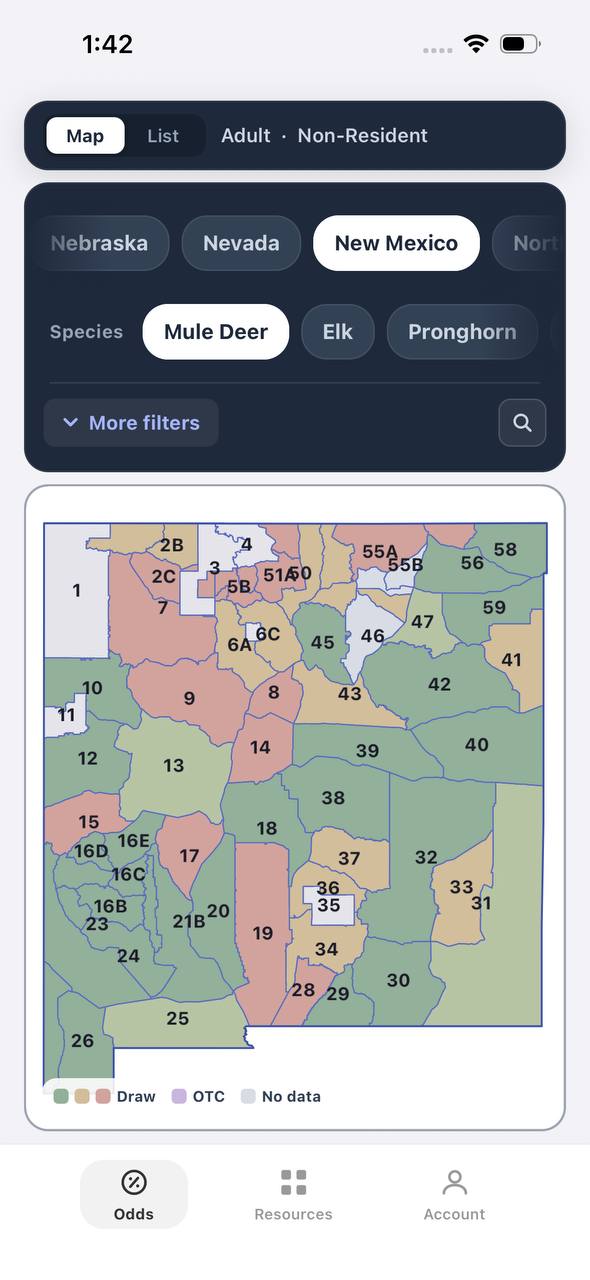
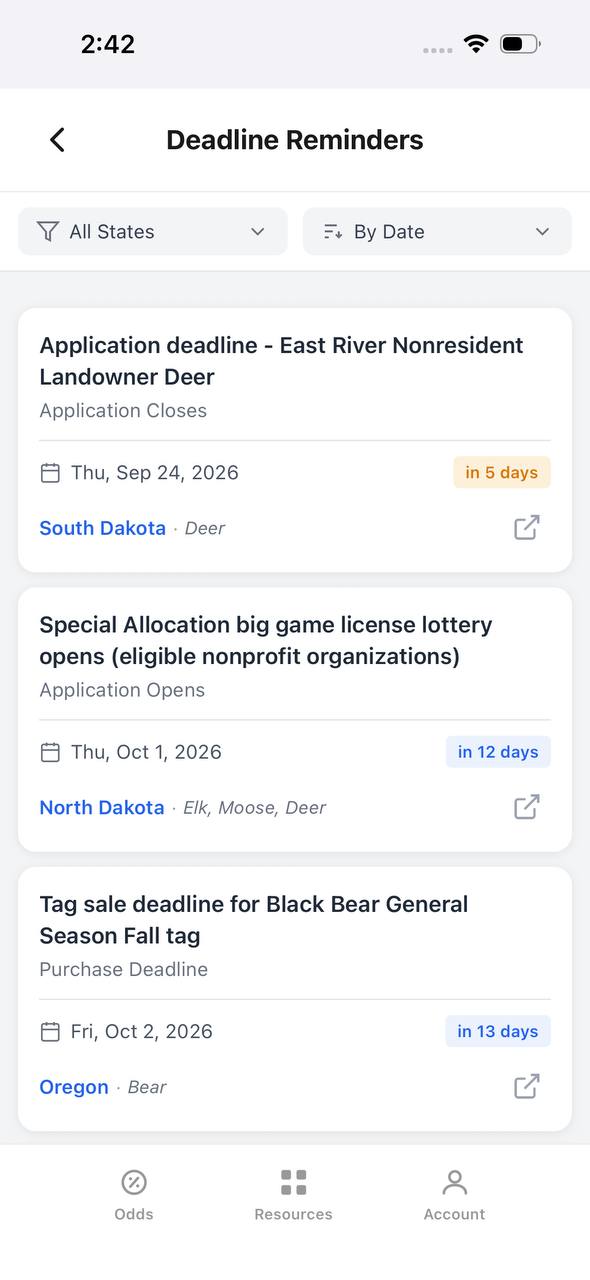
TAGZ makes it easier to narrow down units, compare historical data, and see real draw odds so you don’t waste time on impossible tags. I use it to cross-check what I’m seeing with what’s realistic. If a unit looks good on paper but the odds are 1%, I pivot my plan. Don’t get fixated on the sexiest units; sometimes the best hunt is where you can actually get a tag and put in the work.
Free to join
Download mobile app
- Detailed draw odds
- Point tracking
- Deadline reminders
- 18 states covered

Free to join
Download mobile app
- Detailed draw odds
- Point tracking
- Deadline reminders
- 18 states covered
Free to join
Download mobile app
- Detailed draw odds
- Point tracking
- Deadline reminders
- 18 states covered
FAQ: Mule Deer Scouting
Q: Do I need to scout every year?
A: Yes, if you can. Conditions, pressure, and deer movement change season to season.
Q: Is trail camera scouting worth it?
A: In some states, yes — but don’t rely on it. Use them to confirm patterns, not as your only intel.
Q: How far from roads should I focus?
A: Far enough to beat most hunters, but don’t ignore overlooked spots close to access. Mule deer pattern people, too.
For more on e-scouting and unit selection, check out our draw odds breakdowns and unit profiles on TAGZ.
Was this article helpful?
Previous
Best Colorado Mule Deer Units
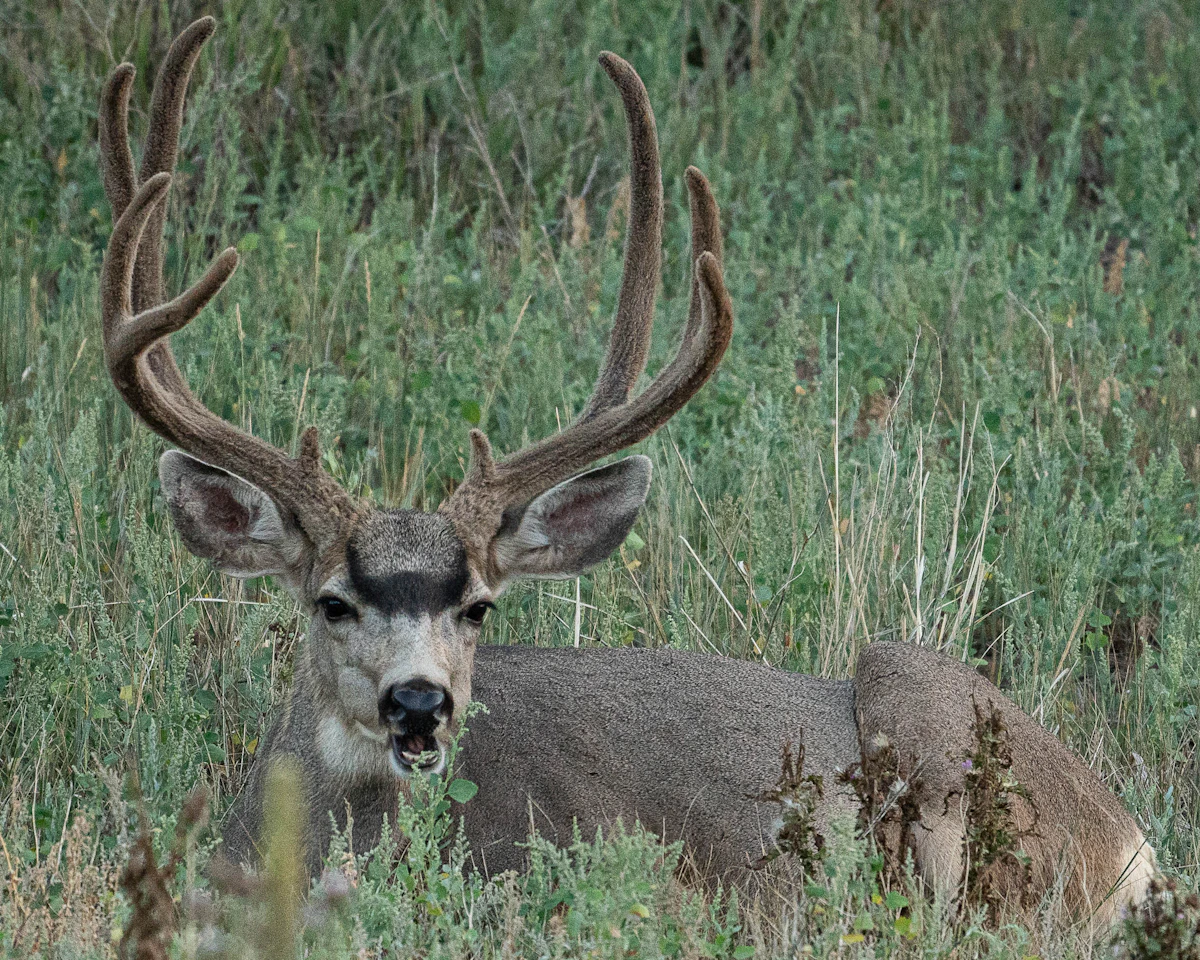
Colorado mule deer units vary widely by terrain, access, season timing, and pressure. The best unit is usually the one that matches your points, scouting time, and hunting style.
Related
Best New Mexico Elk Units
Best New Mexico Elk Units breaks down realistic elk planning around terrain, access, pressure, scouting, and hunter behavior so TAGZ readers can build a practical western hunt plan instead of chasing hype.
Next
Fixed vs Mechanical Broadheads for Elk Hunting — Which Is Better?
Both fixed and mechanical broadheads can kill elk effectively, but most experienced western hunters continue to trust fixed blades because of their penetration, durability, and reliability on large-bodied animals.