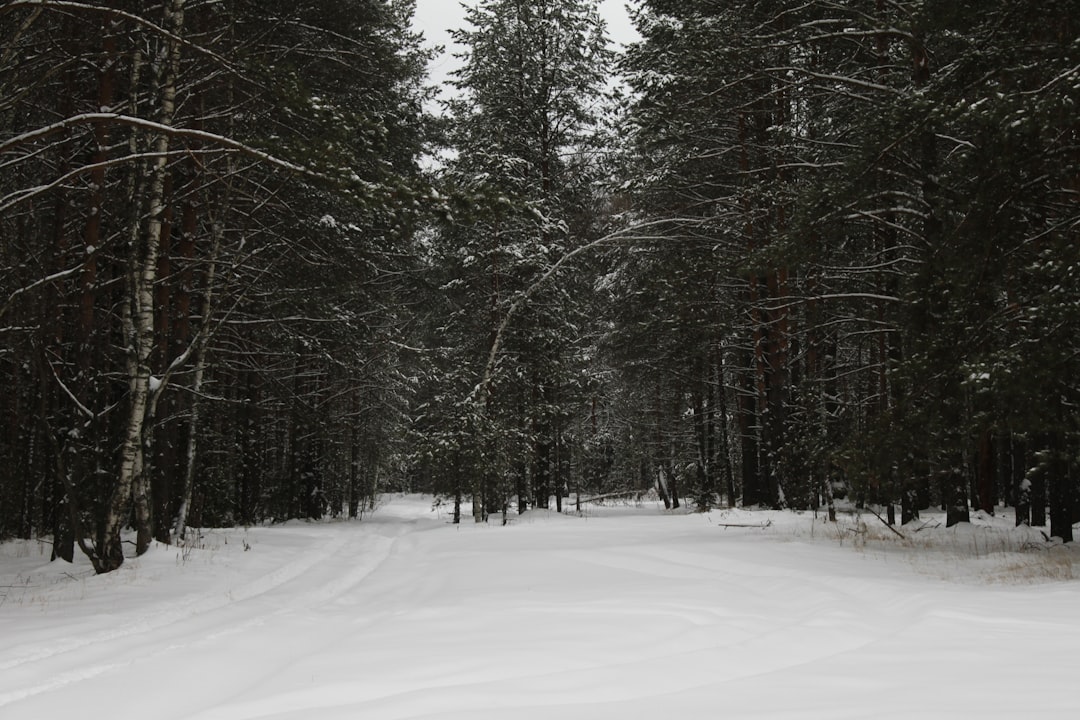
Early Season vs Late Season Elk Hunting: Real-World Pros, Cons, and Tactics
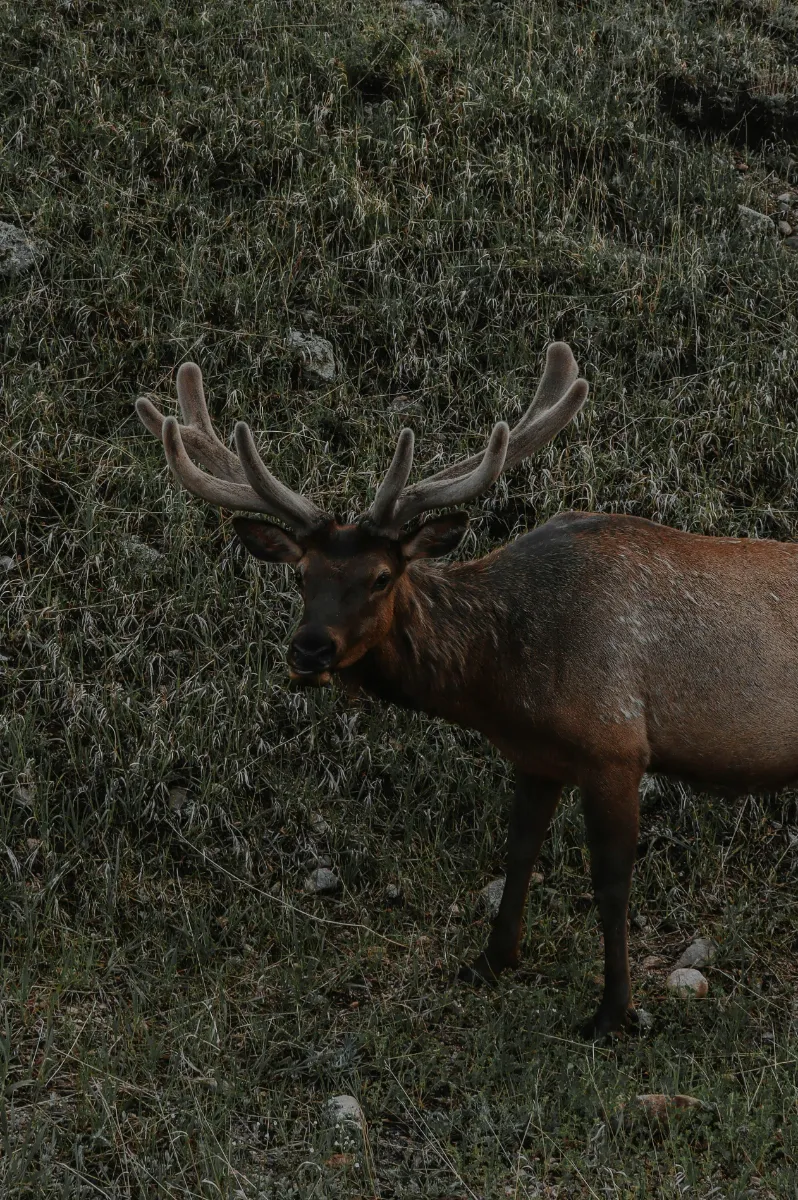
Both early and late season elk hunts have their own set of challenges and opportunities. Which one you pick comes down to your goals, your style, and what you’re willing to put up with in the field. Here’s how I see it, after years of chasing elk on both sides of the calendar.
Why Early Season Draws a Crowd (and Bulls Out)
Most hunters get fired up for the early season—especially archery and muzzleloader—because elk are still in their summer patterns. Bulls are bunched up or just starting to break out, and cows are relaxed. In some units, you’ll catch pre-rut action, which means bulls are visible and vocal, but not yet fully runned-down.
- Pressure: Early can mean fewer hunters in tougher, backpack terrain, but OTC units see crowds, especially near trailheads.
- Access: Roads are usually open and weather is mild. You can push higher, glass open basins, and move fast.
- Behavior: Elk are still hitting predictable feed and water. Early bugling is sporadic, but a bull might answer if you get lucky.
Early Season Tactics
- Focus on north-facing timber edges at first and last light.
- Glass open meadows and transition zones.
- If you hear bugles, move fast—they won’t last long.
- Water sources and wallows can be gold when it’s hot.
Late Season: Pressure Drops, But The Game Changes
Come late October or November, most general rifle hunters are out, and so are most elk—at least from the easy places. Late hunts call for patience, glass, and a willingness to eat tag soup more often than not.
- Pressure: Fewer hunters, but the elk that are left have been pushed hard. They’re cagey.
- Access: Snow and mud can close roads. Be ready to hike or use chains. Some drainages become impassable.
- Behavior: Elk are in survival mode. Cows and calves bunch up in dark timber or private. Bulls are recovering post-rut, often alone or with a few buddies.
Late Season Tactics
- Glass big country for tracks and distant herds.
- Hunt the edge of private or steep, nasty cover.
- Be patient. Midday movement is rare, but not impossible with storms.
- Don’t ignore overlooked pockets—sometimes a single draw holds all the elk for miles.
Setting Realistic Expectations
Early season can feel like a bugling bonanza on TV, but it’s usually a grind. Late season offers big bulls, but rarely easy ones. Know your unit, scout hard, and accept that weather and pressure will dictate your odds as much as your skills.
How TAGZ Helps You Plan Smarter
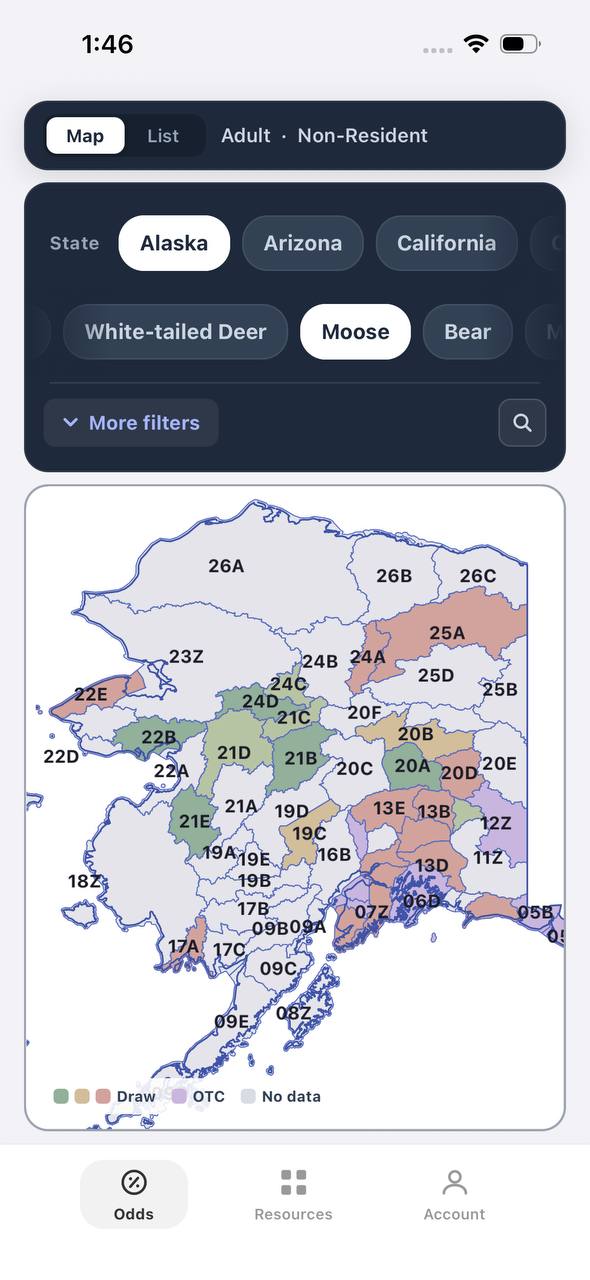
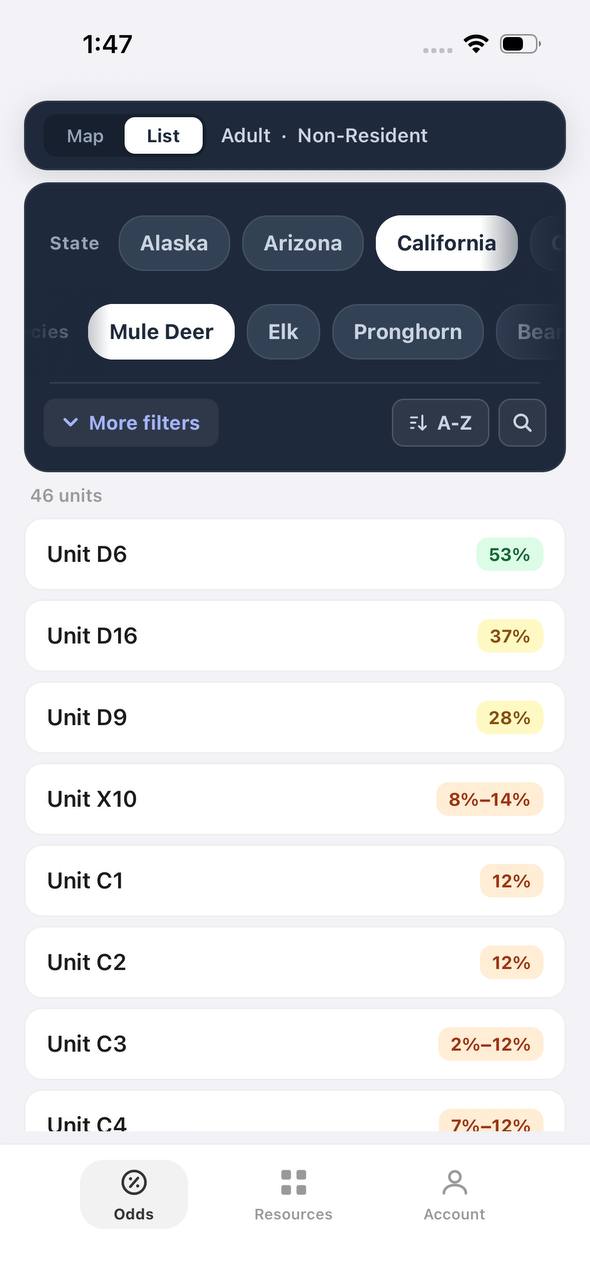
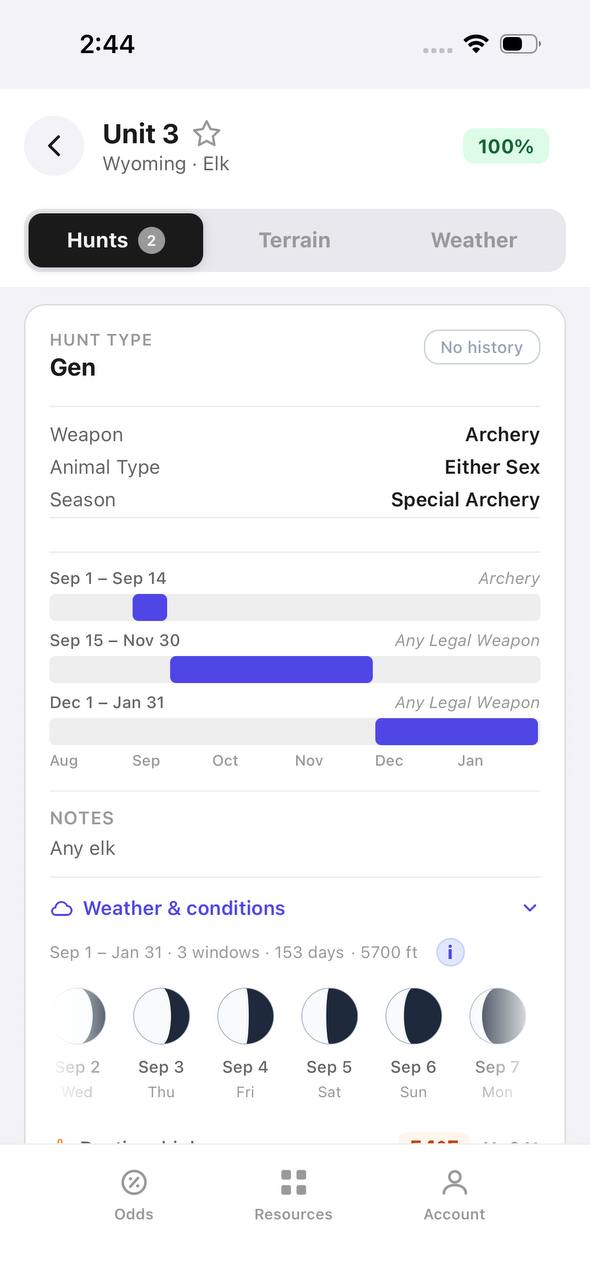
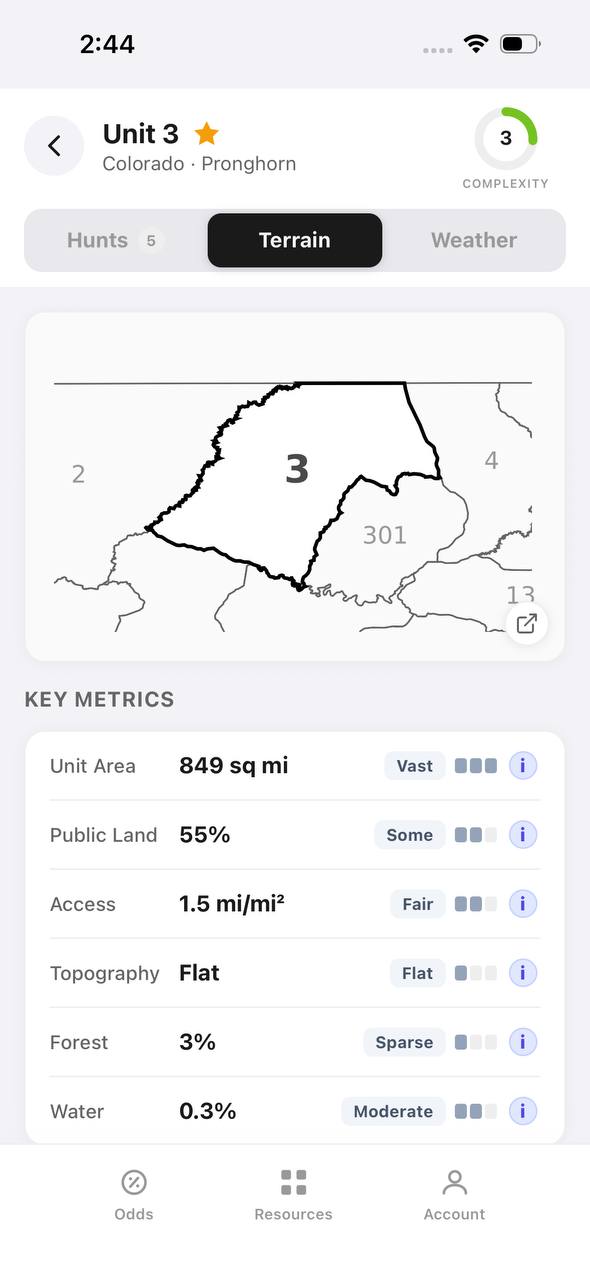
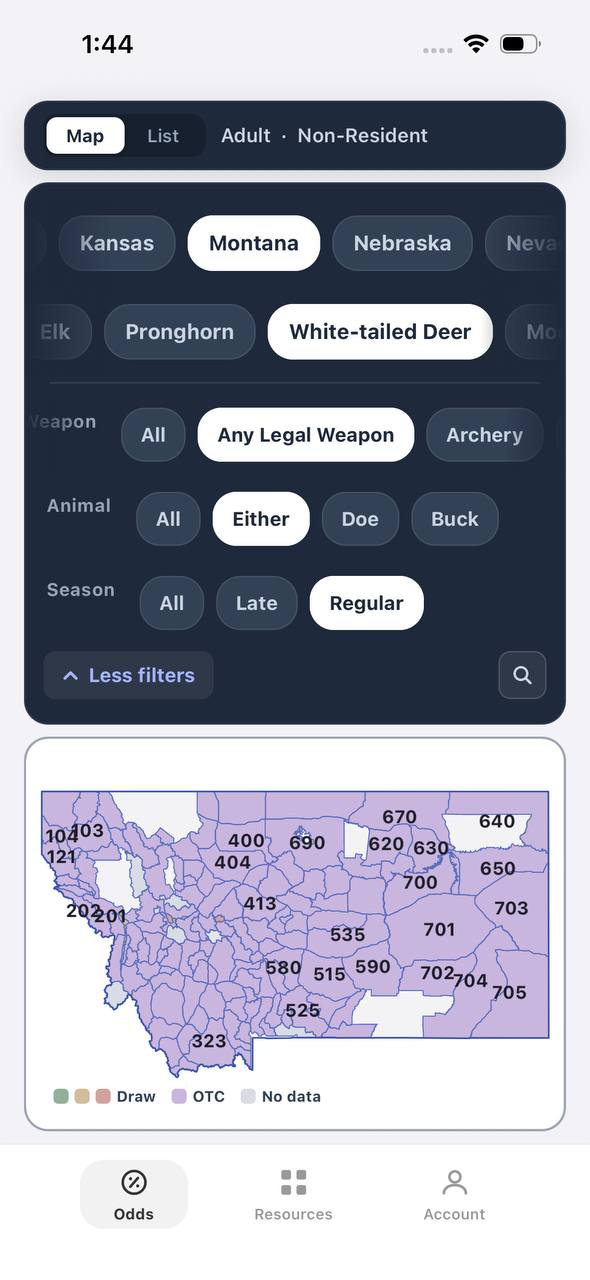
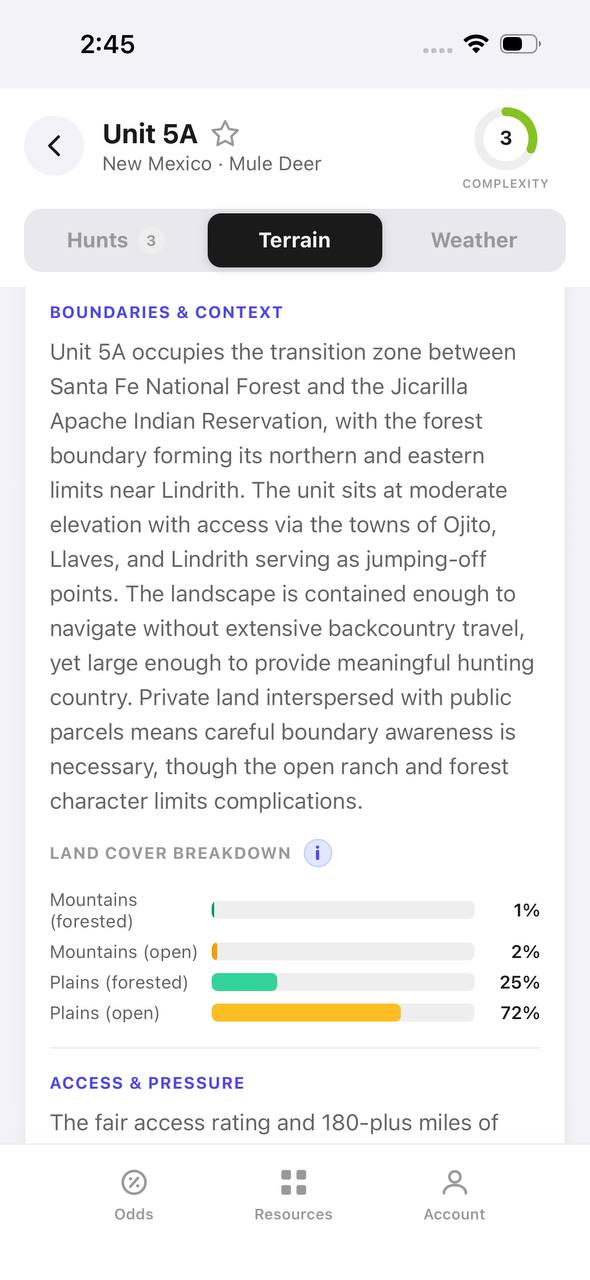
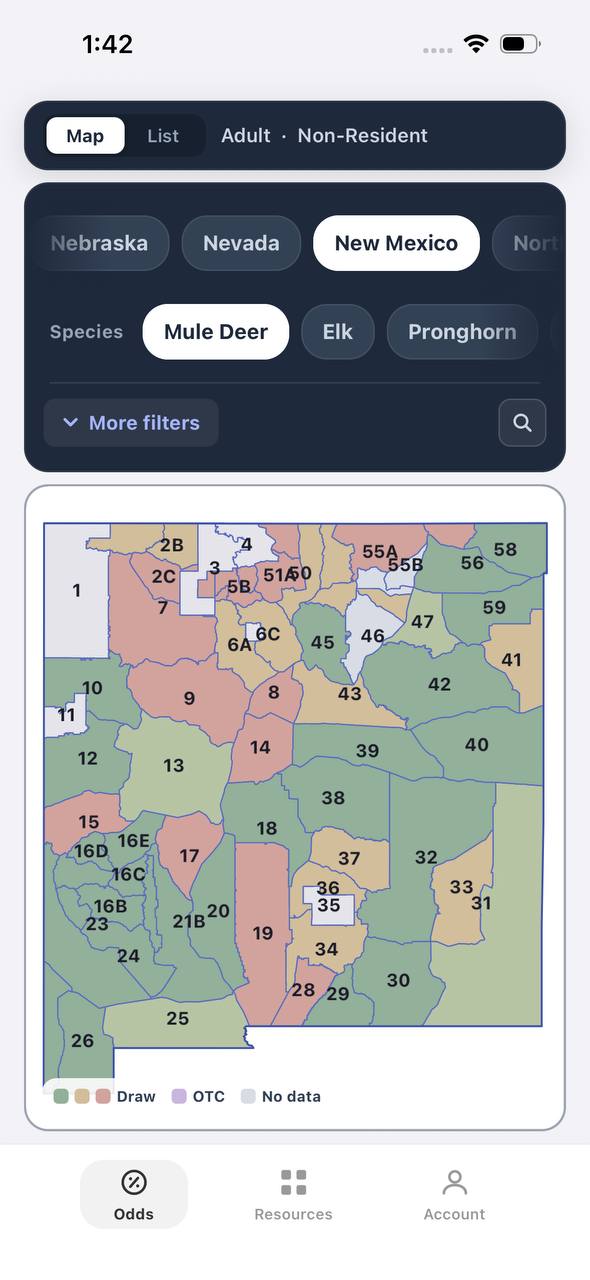
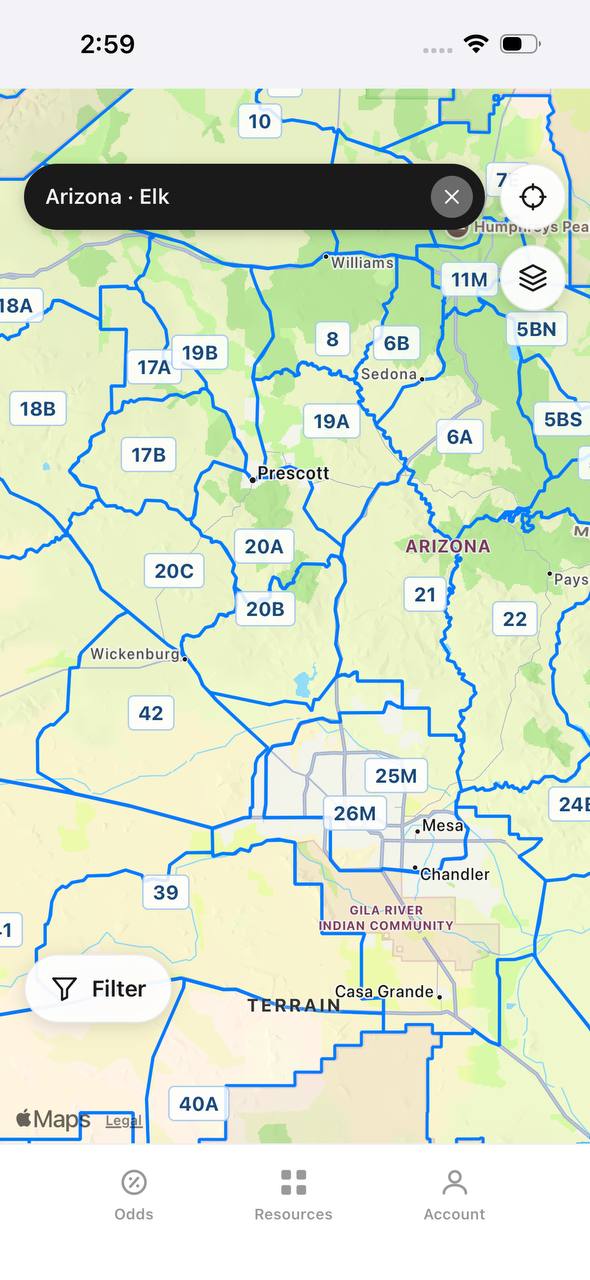
If you’re tired of guessing which units have the right mix of access, pressure, and elk numbers, TAGZ takes out a lot of the guesswork. The platform lets you see historical draw odds, hunter density, and terrain overlays so you can match your hunt style to the season—and maybe find that overlooked pocket no one else is talking about.
Free to join
Download mobile app
- Detailed draw odds
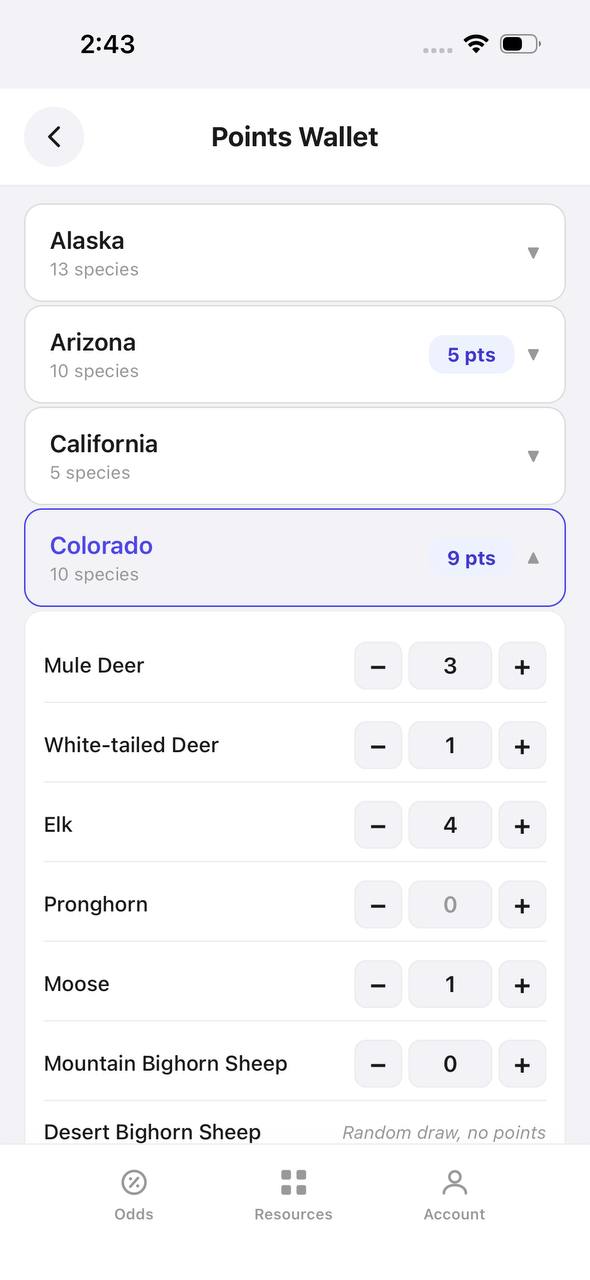
- Point tracking
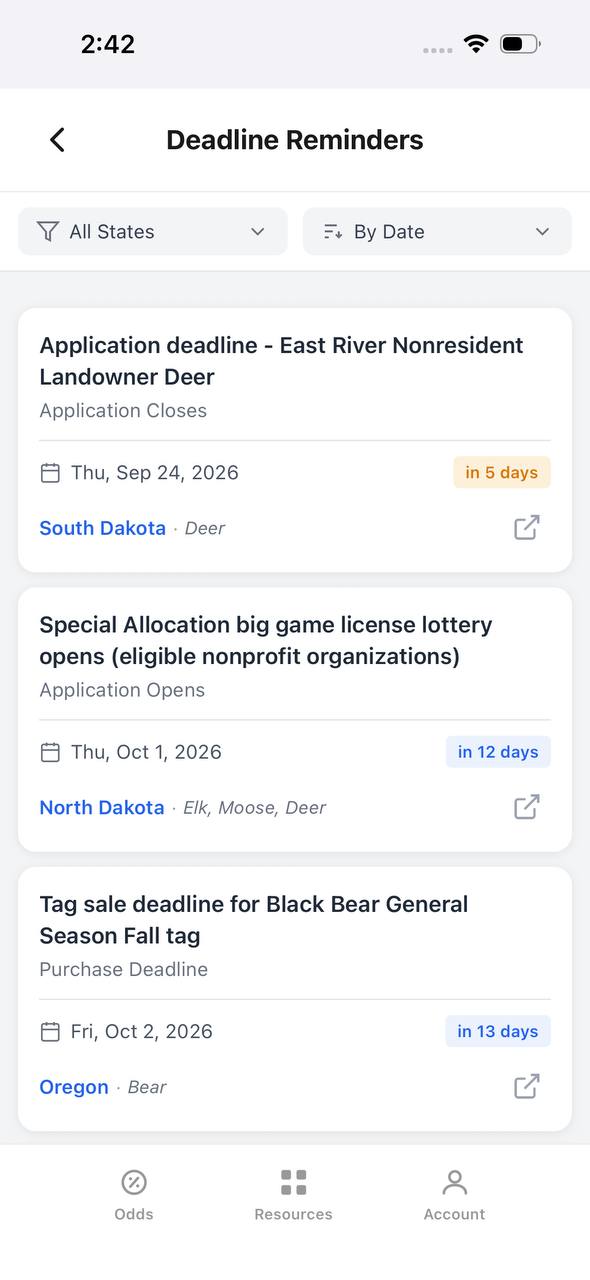
- Deadline reminders
- 18 states covered

Free to join
Download mobile app
- Detailed draw odds
- Point tracking
- Deadline reminders
- 18 states covered
Free to join
Download mobile app
- Detailed draw odds
- Point tracking
- Deadline reminders
- 18 states covered
FAQ: Early vs Late Season Elk Hunting
Q: Which season is better for beginners? A: Early season is usually more forgiving for learning elk behavior, but expect more company. Late season is less crowded, but elk are harder to find and access is tougher.
Q: Can you really pattern elk late season? A: You can pattern where elk want to be for food and safety, but their movements are unpredictable due to pressure and weather.
Q: Do calling and bugling work late season? A: Rarely. Bulls are mostly silent. Focus on glassing and tracking instead.
Q: Should I focus on public or look for private boundaries? A: Late season, elk often stack up on private. Hunt the edges if possible, but respect boundaries.
Looking for more tips on how to break down a new elk unit? Check out our Guide to Scouting Western Elk Units.
Was this article helpful?
Previous
Heavy FOC Arrow Setups for Elk Hunting — Do Heavy Arrows Work Better?
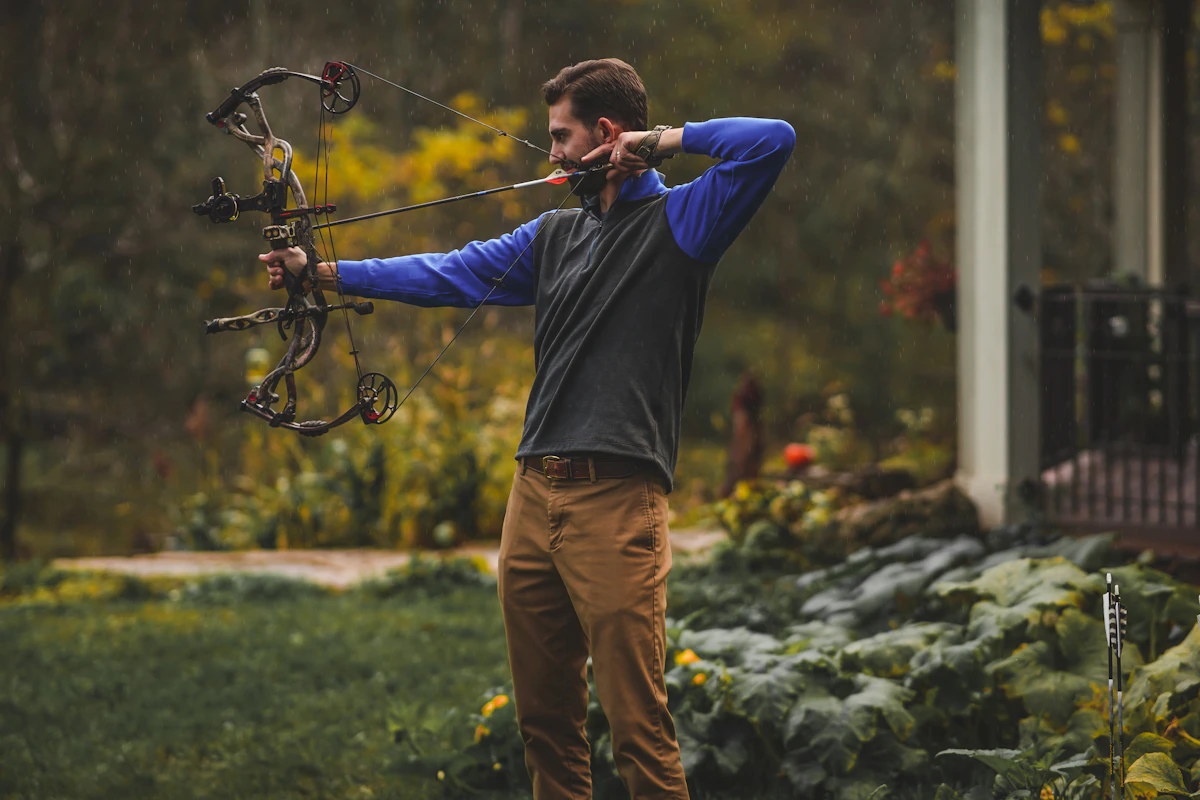
Many experienced elk hunters are moving toward heavier arrows and higher FOC setups because penetration matters more than speed. A well-tuned 450–550 grain arrow with a quality fixed blade broadhead remains one of the most effective elk hunting setups available.
Related
How to Hunt Pressure: Real-World Tactics for Western Big Game
Learn smart, realistic strategies to hunt around pressure in western big-game units—straight talk on adapting tactics, reading terrain, and planning better hunts.
Next
Colorado GMU 551 Elk Hunting Guide
Colorado GMU 551 is a mountain unit that can offer solid elk hunting for hunters who understand access, pressure, and seasonal movement. This guide breaks down terrain, access, pressure, scouting, and practical elk strategy so hunters can build a realistic plan before committing time or points.