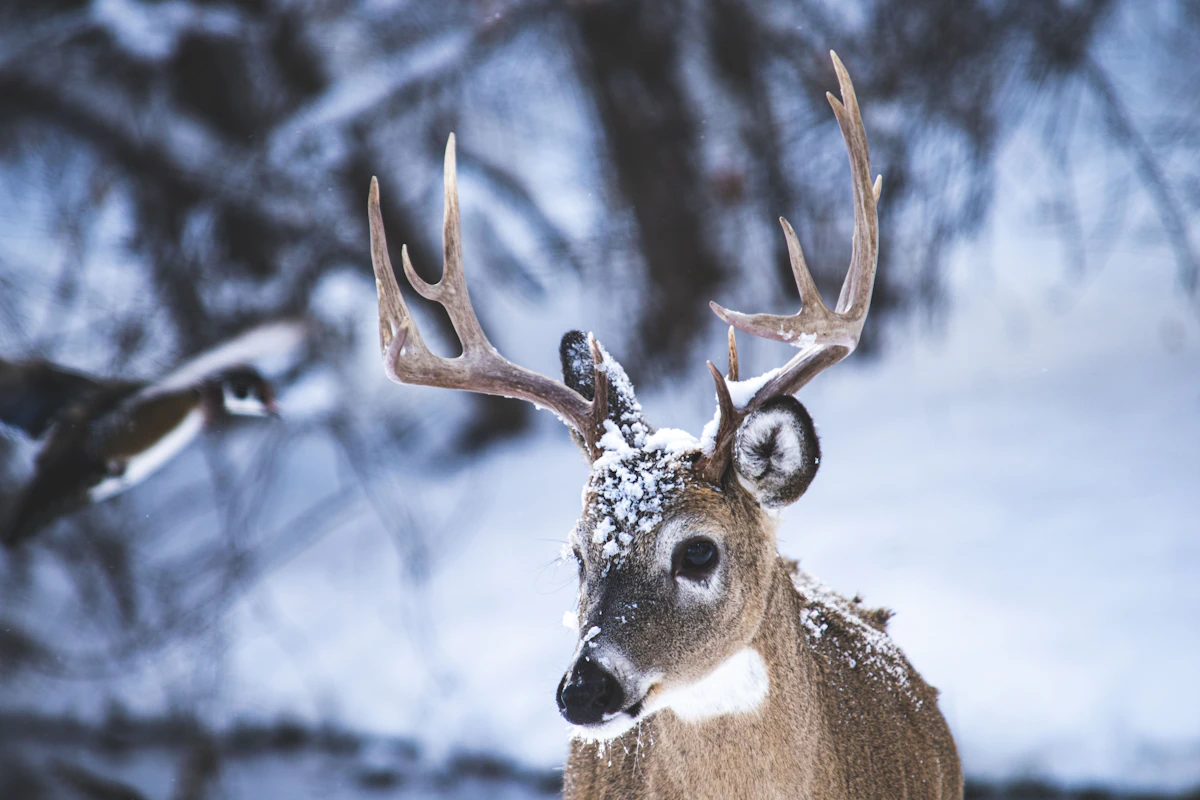
How to Hunt Whitetails During Cold Fronts: Timing, Stand Placement & Strategy
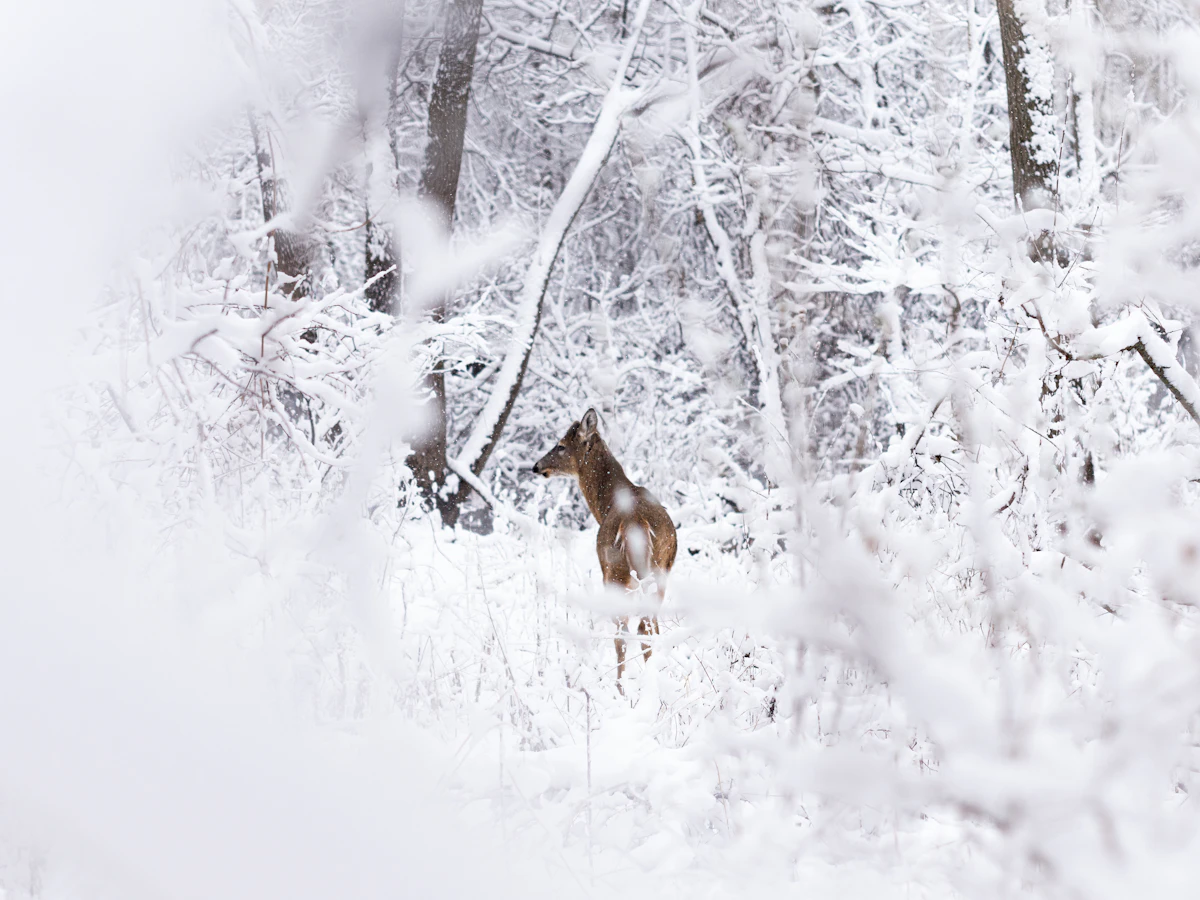
Cold fronts are the most predictable deer movement trigger in the whitetail woods. When a front moves through, deer behavior shifts dramatically — feeding patterns intensify, movement windows expand, and bucks that have been nocturnal suddenly show up in daylight. Understanding how whitetails respond to dropping temperatures and changing barometric pressure gives you a massive advantage during both early season and the rut.
The challenge is timing. Most hunters wait until after the front passes to hit the stand, but the biggest movement often happens in the 12 to 24 hours before the system arrives. Knowing when to hunt, where to position yourself, and how to adjust your approach as conditions change separates average cold front hunts from the ones that end with a mature buck on the ground.
Why Cold Fronts Trigger Deer Movement
Whitetails are hardwired to respond to weather changes. When barometric pressure drops ahead of a cold front, deer sense the incoming system and ramp up feeding activity. They are trying to tank up before the storm hits and conditions deteriorate. This pre-frontal feeding frenzy often produces the heaviest daylight movement of the entire season.
Once the front passes and pressure rises, deer continue to move — but differently. Post-frontal movement tends to be more focused on staging areas near bedding, with bucks cruising downwind of doe groups. The combination of cooler temperatures and high pressure keeps deer on their feet longer, especially during morning and late afternoon.
The exception is severe cold. If temperatures plummet into the single digits or teens overnight, deer often bed tight through the morning and wait until midday sun warms things up before feeding. In that case, your best window shifts to late morning and early afternoon rather than the traditional dawn sit.
Best Times to Hunt Before a Cold Front
The 12 to 24 hours before a front arrives is your golden window. Deer know the weather is changing, and they feed aggressively to prepare. Does push into food sources early, and bucks follow — especially during the rut when does are more active.
Plan to be in your stand by mid-afternoon on the day before the front hits. Evening hunts are critical here because deer often start filtering into fields and feeding areas an hour or more before dark. If you normally see deer at last light, expect them 30 to 60 minutes earlier when a front is approaching.
Morning hunts can also be excellent, but only if you can access your stand without spooking bedded deer. If your approach crosses a feeding area or known bedding edge, save the morning sit for after the front when deer are more likely to be on their feet at first light.
Post-Frontal Hunting: The Day After Matters Most
The first 24 to 48 hours after a front passes are when bucks make mistakes. Cooler temperatures mean deer can move comfortably during midday, and the high-pressure system that follows most fronts keeps them active longer. Morning and evening hunts are both productive, but do not ignore the late-morning window — especially if the front brought a hard temperature drop.
Bucks also shift their movement patterns post-front. Instead of hammering food sources like they did before the storm, they start cruising downwind of bedding areas and doe staging zones. If you have been hunting field edges, consider moving closer to bedding or setting up on inside corners of cover where bucks scent-check multiple trails.
Wind direction becomes even more critical after a front. Most cold fronts swing winds from the south or southwest to the northwest or north. If your stand locations are set up for south or west winds, you may need to rotate to a completely different setup once the front passes.
Stand Placement Strategy for Cold Fronts
Before the front, focus on food sources. Deer will be feeding hard, and your best chance at a mature buck is catching him following does into a field or feeding area. Set up on the downwind side of the entry point deer use most often — usually a corner, ditch, or transition from cover to open ground.
If you are hunting a large agricultural field, do not set up on the field edge. Get 30 to 50 yards back into the timber on the downwind side of the trail deer use to enter. This gives you better shooting lanes and keeps your scent from drifting across the entire feeding area.
After the front, shift to transition zones and bedding edges. Bucks are less likely to commit to open food sources in daylight, but they will still be moving. Focus on funnels, saddles, and ridge points where bucks can scent-check bedding areas without exposing themselves. If you are hunting the rut, set up on the downwind side of doe bedding — bucks will cruise these zones all day after a cold front.
Another strong post-frontal setup is along creek bottoms or ditches that connect bedding to food. Bucks use these corridors to move between areas while staying out of sight, and the cooler temperatures keep them on their feet through midday.
Wind and Barometric Pressure: What Actually Matters
Barometric pressure gets a lot of attention, but what actually drives deer movement is the trend, not the number. Falling pressure before a front increases movement. Rising pressure after a front sustains it. Stable high pressure keeps deer active during daylight. The worst condition is stable low pressure — cloudy, warm, and calm — which often shuts down daytime movement entirely.
You do not need a weather station to track this. If a cold front is forecasted, assume pressure will drop the day before and rise the day after. Hunt accordingly. If you want to nerd out, download a weather app that shows barometric trend lines. Look for a steady drop followed by a sharp rise — that is your cue to clear your schedule and get in the woods.
Wind matters more than pressure. No amount of cold front magic will overcome bad wind. If the front flips the wind into a direction that blows your scent toward bedding or approach trails, do not hunt that stand. Rotate to a setup that matches the new wind, even if it is not your A-list spot. A mediocre stand with good wind always beats a great stand with bad wind.
Temperature Drops and Deer Behavior
A 10 to 15 degree temperature drop is the sweet spot for triggering movement. Anything less and deer barely notice. Anything more — especially a sudden plunge into the teens or lower — and deer may hunker down for part of the day.
If a cold front drops overnight lows into the 20s after a week of 50s, expect deer to move all day. If it drops into the single digits, expect them to bed tight until late morning when the sun warms things up. In extreme cold, shift your hunt times to 10 a.m. to 2 p.m. and focus on south-facing slopes where deer bed to catch sunlight.
Early-season cold fronts — especially the first real cold snap in October — are dynamite. Deer have not felt cooler temperatures in months, and even a modest drop into the 40s can trigger heavy movement. These fronts also coincide with the October lull when bucks are cautious and mostly nocturnal. A well-timed cold front can make a mature buck move during daylight when nothing else will.
How to Time Multiple Fronts in a Season
Most seasons bring several cold fronts, and not all of them are worth burning a vacation day. Prioritize fronts that bring a significant temperature drop — at least 10 degrees — and coincide with the rut or a major feeding period like the October acorn drop or late-season agricultural leftovers.
If you are hunting the pre-rut or peak rut, any cold front is worth hunting hard. Bucks are already on their feet looking for does, and a front amplifies that movement. If you are hunting early season or late season, focus on fronts that hit during weekdays when hunting pressure is low. A cold front on a Saturday in a pressured area will still move deer, but every other hunter in the county will be out there too.
Also consider what the weather was like before the front. If you have had a week of warm, stable conditions and deer have been mostly nocturnal, a cold front is a reset button. If the weather has been cool and variable all week, the next front may not produce the same dramatic shift in behavior.
Scent Control and Approach During Cold Fronts
Colder temperatures reduce how far your scent travels, but that does not mean you can get lazy. In fact, post-frontal high pressure often creates stable, predictable wind that carries scent farther than the swirling winds that come with low pressure. Play the wind perfectly, especially on post-frontal hunts when deer are moving during daylight.
Your approach matters more during cold fronts because deer are already on edge. If you bump a doe group or young buck on your way to the stand before a front, you have just blown the one evening when mature bucks were most likely to show up in daylight. Use access routes that keep you away from bedding and feeding areas, even if it means a longer walk.
If you are hunting a morning sit after a front, get in early — at least an hour before shooting light. Deer are moving earlier in cooler temperatures, and the last thing you want is to walk past a buck on his way back to bedding.
Adapting to Wind Shifts After the Front
Most cold fronts bring a wind shift, usually from south or southwest to northwest or north. If you hunt the same stand before and after the front, you are probably hunting it with bad wind at least one of those sits. Have a backup stand ready that works with the post-frontal wind direction.
If you do not have a second stand in position, use the wind shift as a reason to hunt a completely different area. Maybe you have a north-wind-only stand you have been saving for the right conditions. A cold front that swings the wind to the north is your opportunity.
Some hunters try to get cute and hunt marginal wind if the deer movement is supposed to be good. Do not. One bad sit can ruin a stand location for the rest of the season, especially if you blow out a mature buck. Trust the wind, even if it means sitting out a day when the conditions are otherwise perfect.
Using TAGZ to Plan Western Hunts Around Weather
While cold fronts are critical for whitetail hunting, western big-game hunters face a completely different set of challenges when planning hunts across multiple states. Draw deadlines, preference points, bonus points, and unit research require a level of organization that most hunters struggle to manage on their own.
TAGZ helps you compare units side by side using terrain maps, unit boundaries, and historical draw data. Track your preference points and bonus points across multiple states so you never miss a draw deadline. Whether you are chasing OTC tags or planning a trophy limited-entry hunt, TAGZ gives you the tools to make smarter decisions before you ever step into the field. You can filter hunts by weapon, season, and species, and see which units offer the best combination of draw odds and hunt quality.
If you are applying in multiple states, TAGZ also tracks deadlines so you know exactly when to submit applications and avoid late fees or missed opportunities. The platform is built for hunters who treat draw strategy seriously and want to maximize their odds of pulling tags in competitive units.
FAQ — Whitetail Cold Front Hunting
When should I hunt before a cold front arrives?
Hunt the afternoon and evening 12 to 24 hours before the front hits. Deer feed aggressively as barometric pressure drops, and bucks often show up in daylight earlier than normal.
Do deer move more before or after a cold front?
Both windows are excellent, but for different reasons. Pre-frontal movement is heavier and more concentrated on food sources. Post-frontal movement is more spread out and often includes midday activity as deer take advantage of cooler temperatures.
How much of a temperature drop triggers deer movement?
A 10 to 15 degree drop is ideal. Less than that and deer barely notice. More than 20 degrees, especially into the teens, can cause deer to bed tight until late morning.
Should I hunt all day after a cold front?
Yes, especially if the temperature drop is significant. Deer stay active longer in cooler weather, and bucks cruise all day during the rut after a front passes. Late-morning hunts from 10 a.m. to 1 p.m. can be just as productive as dawn sits.
What is the best stand setup for post-frontal hunts?
Focus on transition zones and bedding edges rather than field edges. Bucks cruise downwind of doe bedding areas and use funnels to move between cover after a front. Set up on inside corners and saddles where deer can scent-check without exposing themselves.
Does barometric pressure actually affect deer movement?
Yes, but the trend matters more than the number. Falling pressure before a front increases movement. Rising pressure after a front sustains it. Stable high pressure is also good. Stable low pressure — warm and overcast — often shuts down daylight movement.
Continue Planning Your Hunt
Whether you are chasing whitetails during cold fronts or building a multi-state western draw strategy, having the right tools makes all the difference. TAGZ helps western hunters track draw odds, manage preference points, and compare units using detailed terrain maps and public land boundaries. See how TAGZ simplifies hunt planning and application strategy at getmytagz.com.
Explore more hunting strategies and unit breakdowns on the TAGZ Insights blog, or learn how the platform helps you filter hunts by weapon, season, and species at getmytagz.com/product. If you are ready to start planning your next western hunt, check out pricing options and see how TAGZ gives you the edge when it matters most.
Was this article helpful?
Previous
Best Budget Elk Calls — Proven Options for Under $40
You do not need expensive gear to call in a bull. These budget elk calls under $40 deliver proven performance for bugle tubes, diaphragms, and cow calls without breaking the bank.
Next
Complete Guide to Whitetail Hunting: Strategies, Tactics & Year-Round Planning
Master whitetail hunting with proven strategies for scouting, stand placement, rut tactics, and shot selection. This complete guide covers everything from pre-season preparation to post-season evaluation for consistent success on whitetail deer.