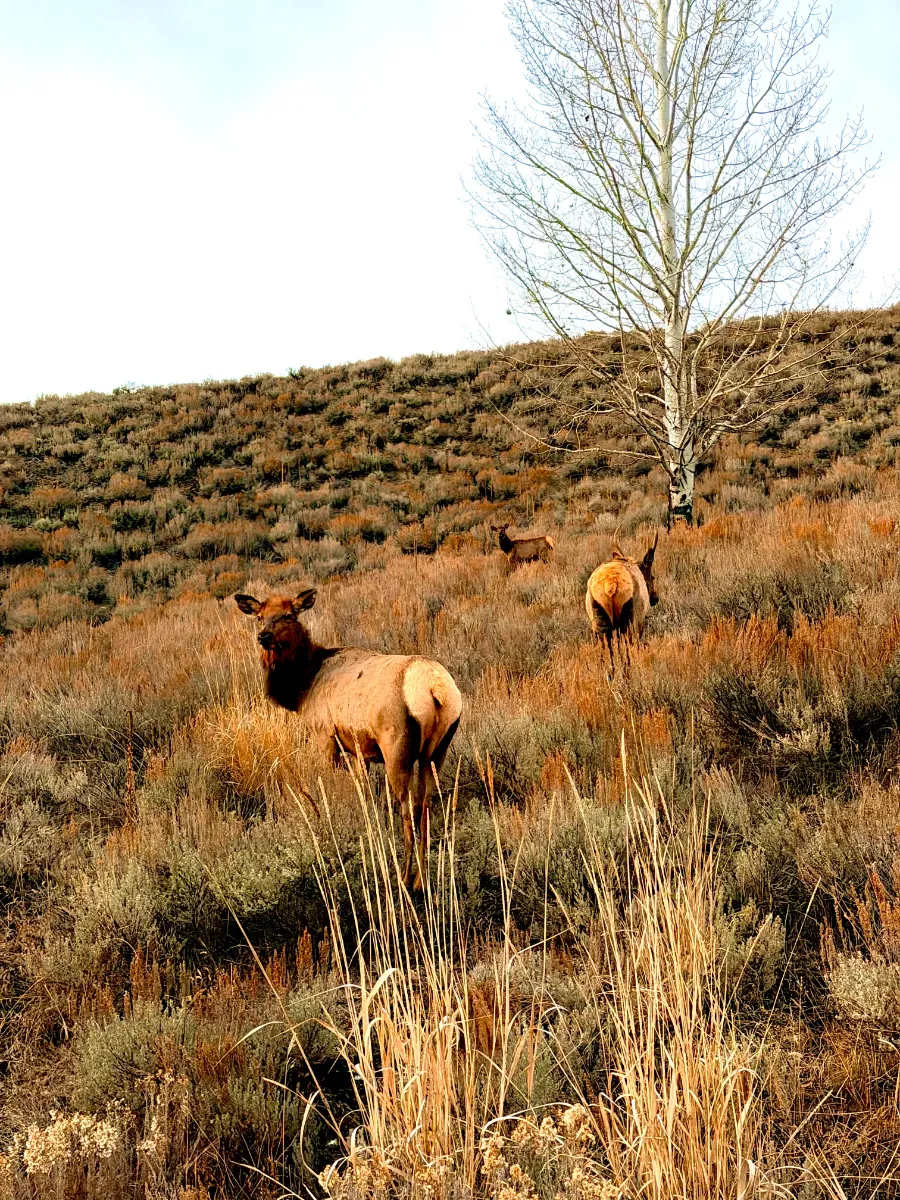
How to Glass for Elk Effectively: Real-World Tactics and Hard Truths
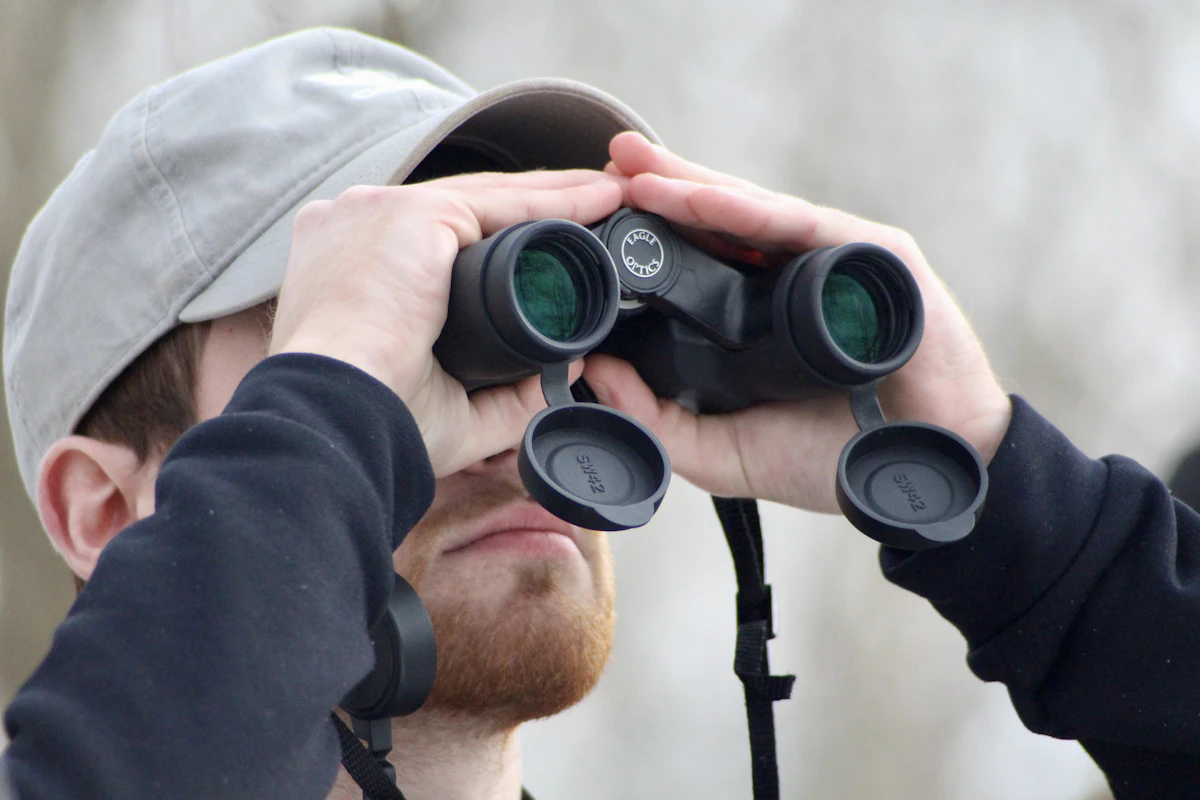
If you want to spot more elk in big country, you need to get serious about glassing. It isn’t just sitting on a hill and hoping. It’s about picking the right vantage, understanding elk habits, and working smarter than other hunters.
Why Glassing Beats Beating the Brush
Western elk live in big, broken country. Most of the time, you’ll never out-hike them. Glassing lets you cover miles of terrain with your eyes, not your boots. The trick is to find places where you can see into the places elk actually use—edges, benches, burns, and dark timber openings—without blowing them out or giving away your position.
When I started out, I thought glassing meant just scanning for tan bodies. Now I know it’s more about catching movement, looking for an ear flick, a tine, or a rump patch in the shadows. Elk rarely stand out in the open during daylight, especially after opening morning.
Choosing Your Glassing Spot: Pressure, Access, and Terrain
Don’t just pick the highest knob or the first open ridge. Think about where elk will be after the shooting starts. Pressure pushes them into thicker cover, north slopes, or private boundaries. Use a map to find spots other hunters overlook—benches just off the main trail, old burns that have regrown, or little pockets of aspen in the timber.
Access matters. The best glassing points are sometimes a brutal hike in the dark, but that’s what keeps easy hunters away. I’d rather spend an extra hour getting to a spot where I can see into three different basins than waste daylight walking through elkless country.
Practical Glassing Strategy: Optics, Patience, and Patterns
You don’t need the fanciest glass, but you do need a tripod. Binoculars on a tripod let you pick apart the landscape slowly, grid by grid. I’ll spend 20-30 minutes on a single hillside before moving to the next. Don’t just scan and move on—elk blend in better than you think.
Morning and evening are best, but don’t ignore midday. Bulls in pressured units often get up to feed or move bedding spots around lunch if it’s been quiet.
Keep notes on where you see elk and what they’re doing. Patterns emerge—sometimes it’s a certain bench, a north-facing slope, or a water source. The more you glass, the more you see these little details add up.
How TAGZ Makes Glassing and Hunt Planning Easier
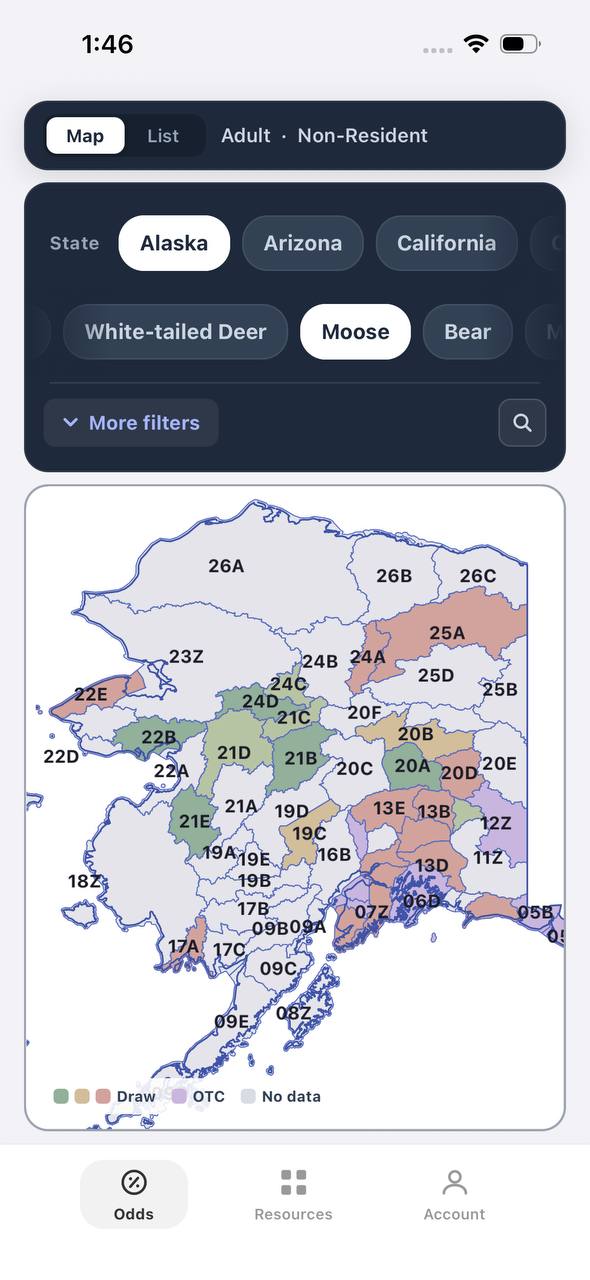
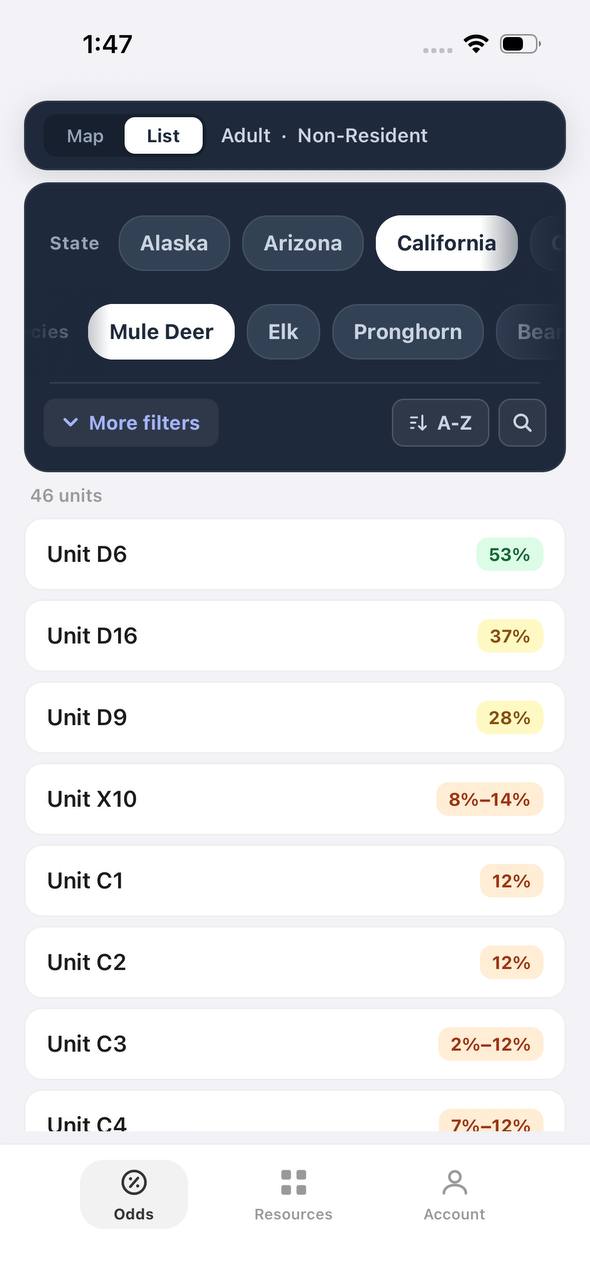
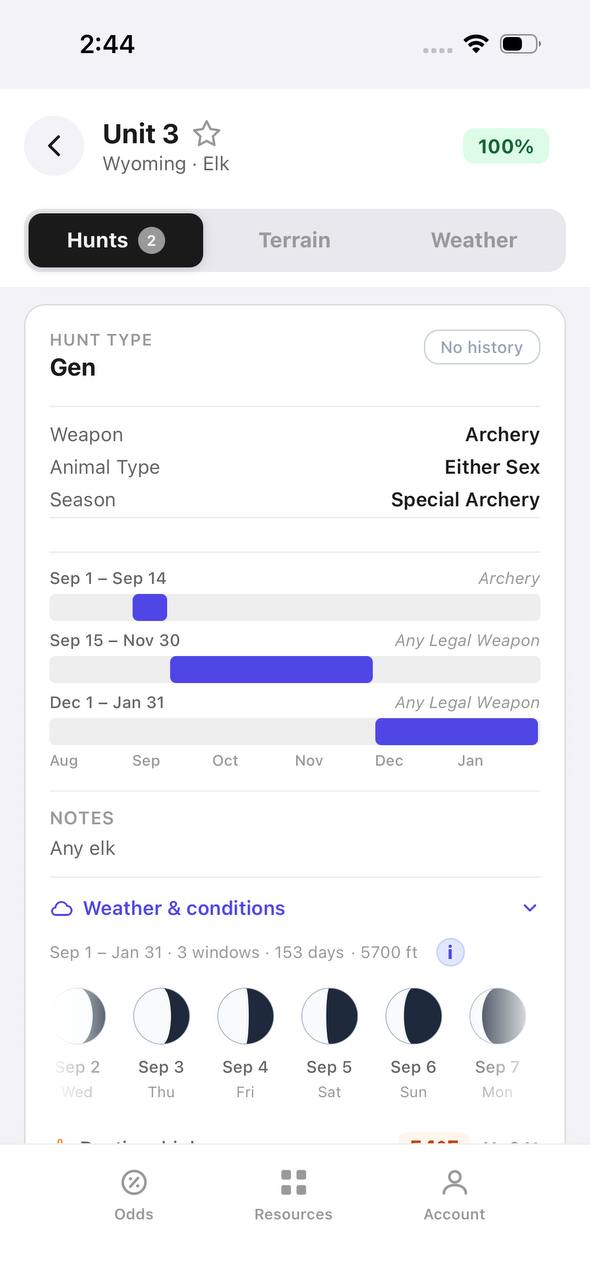
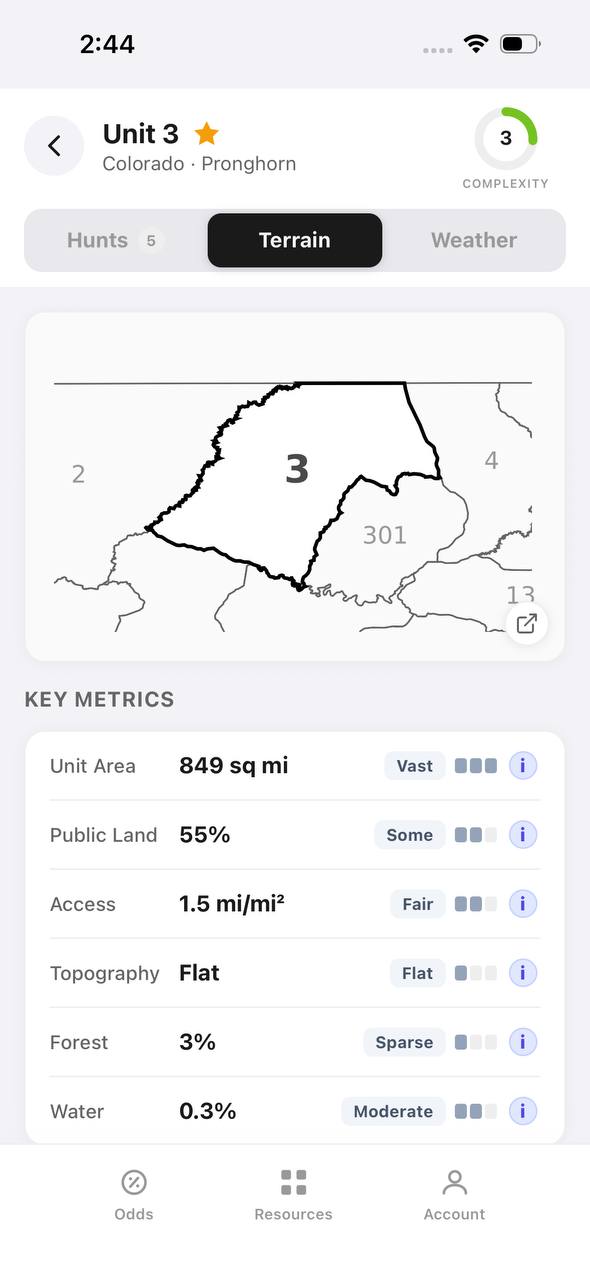
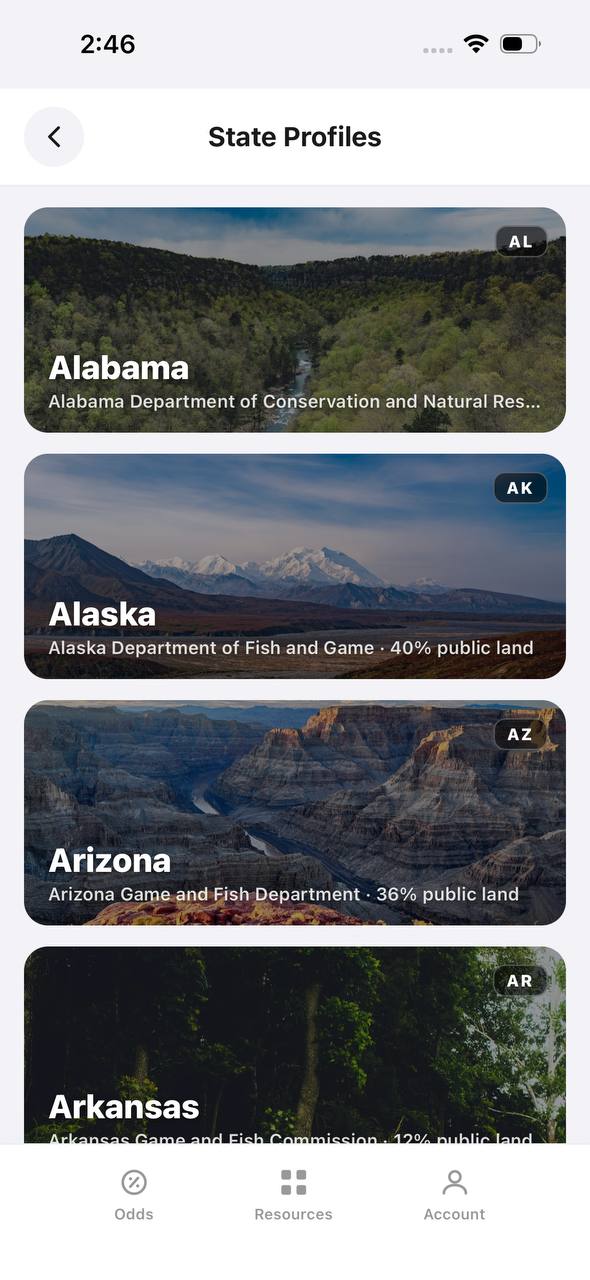
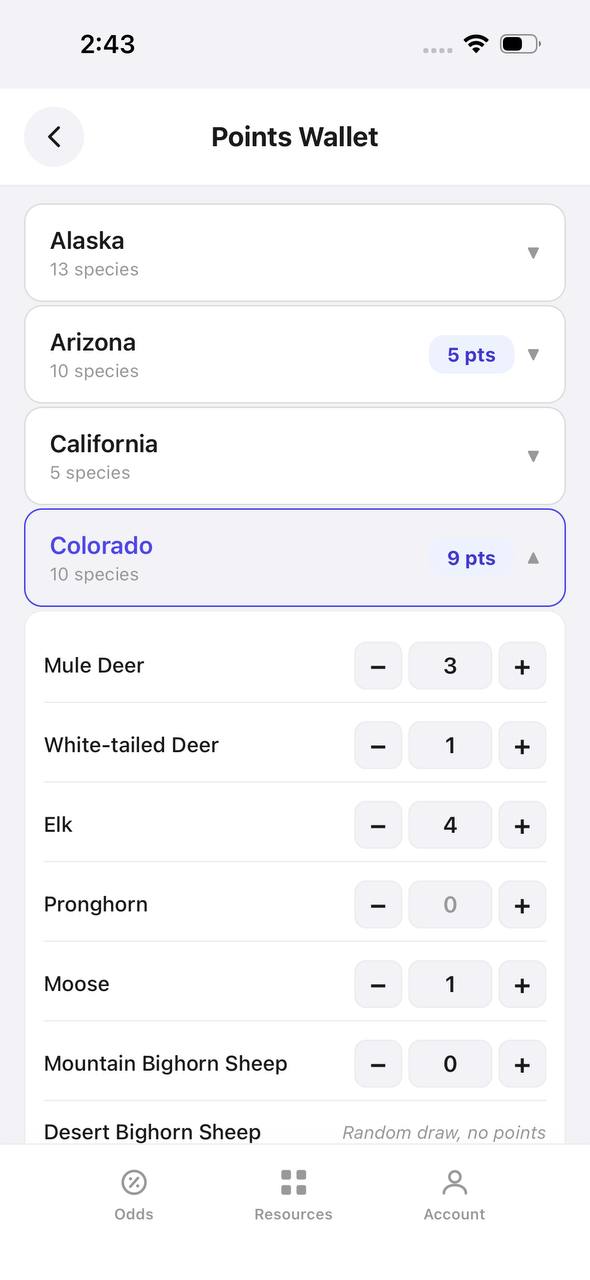
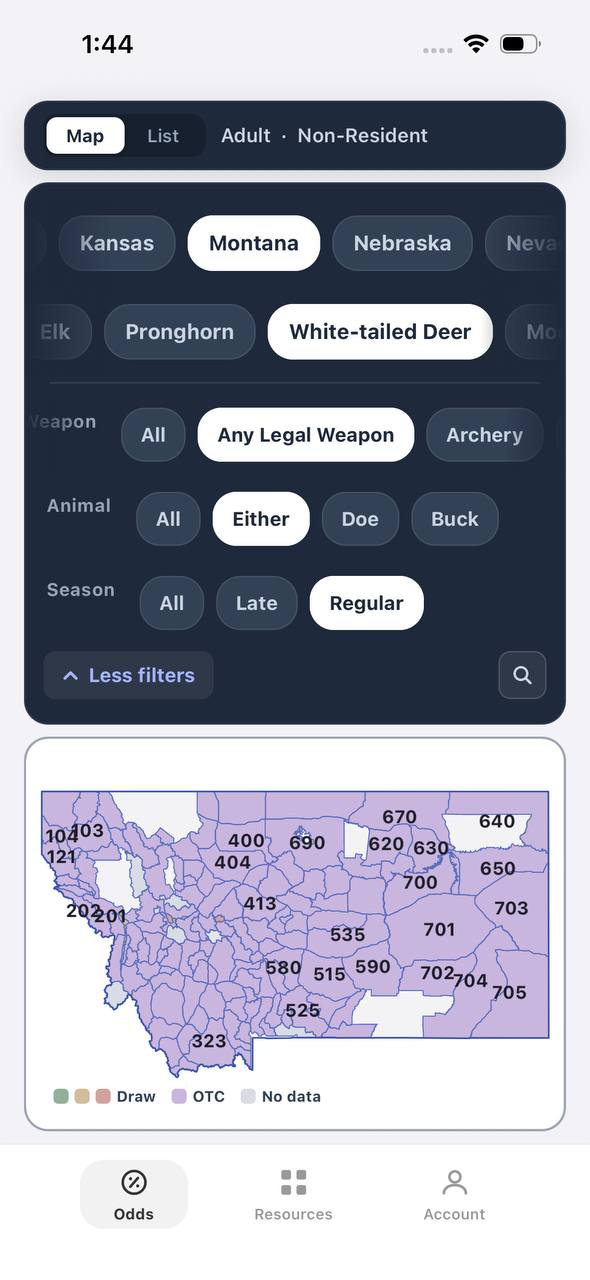
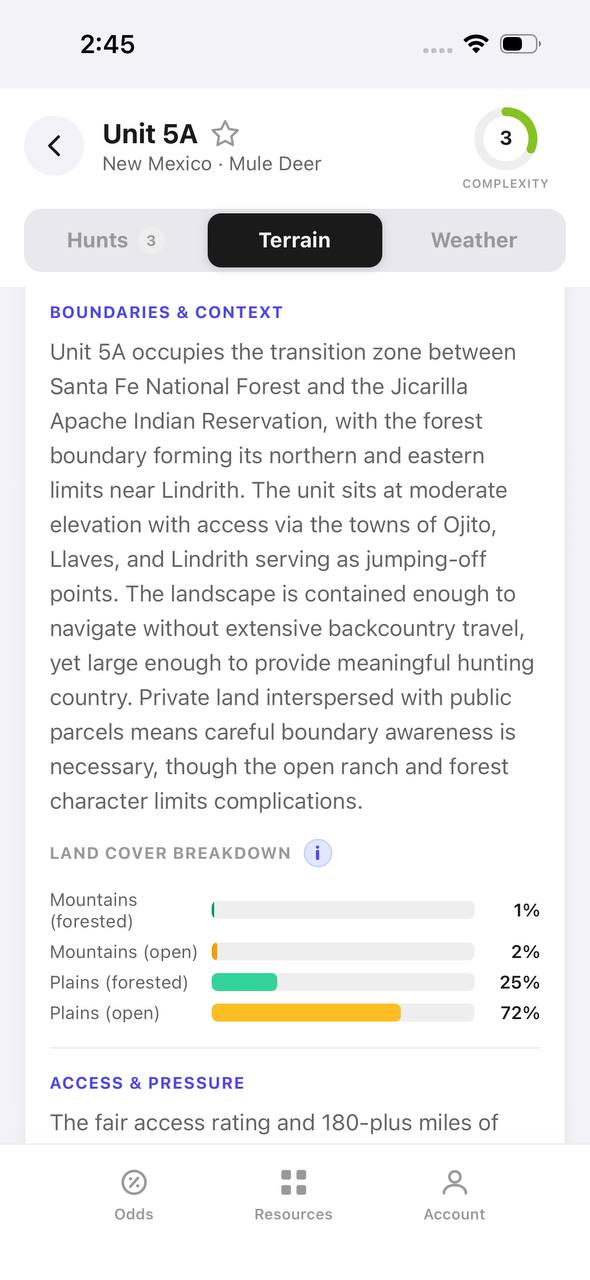
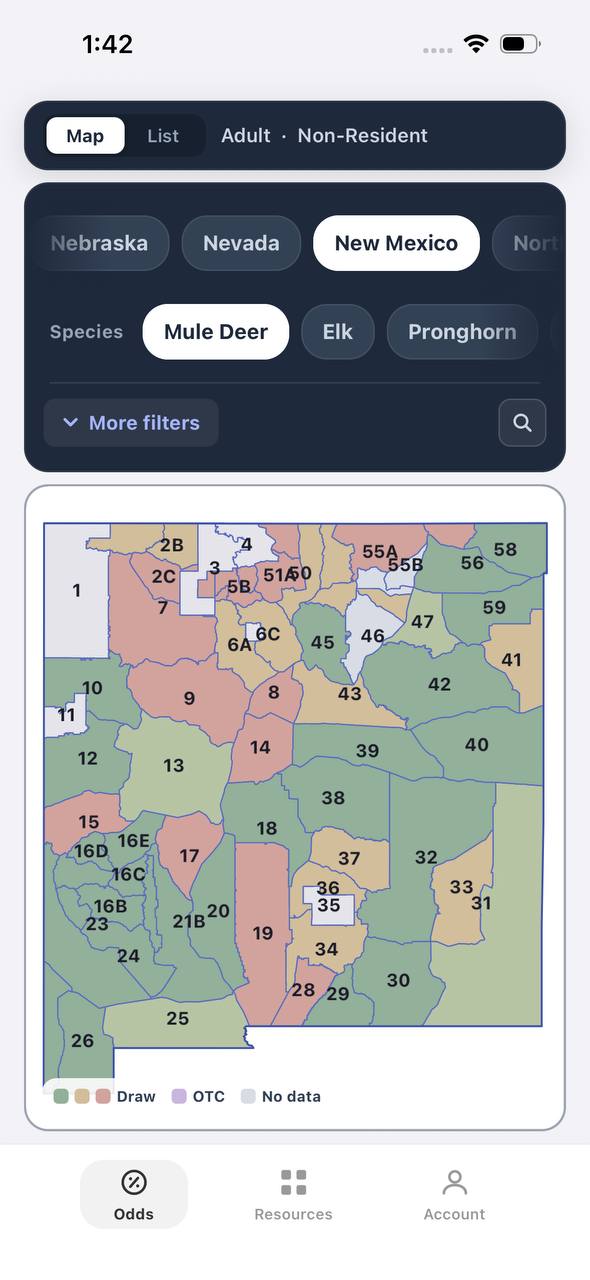
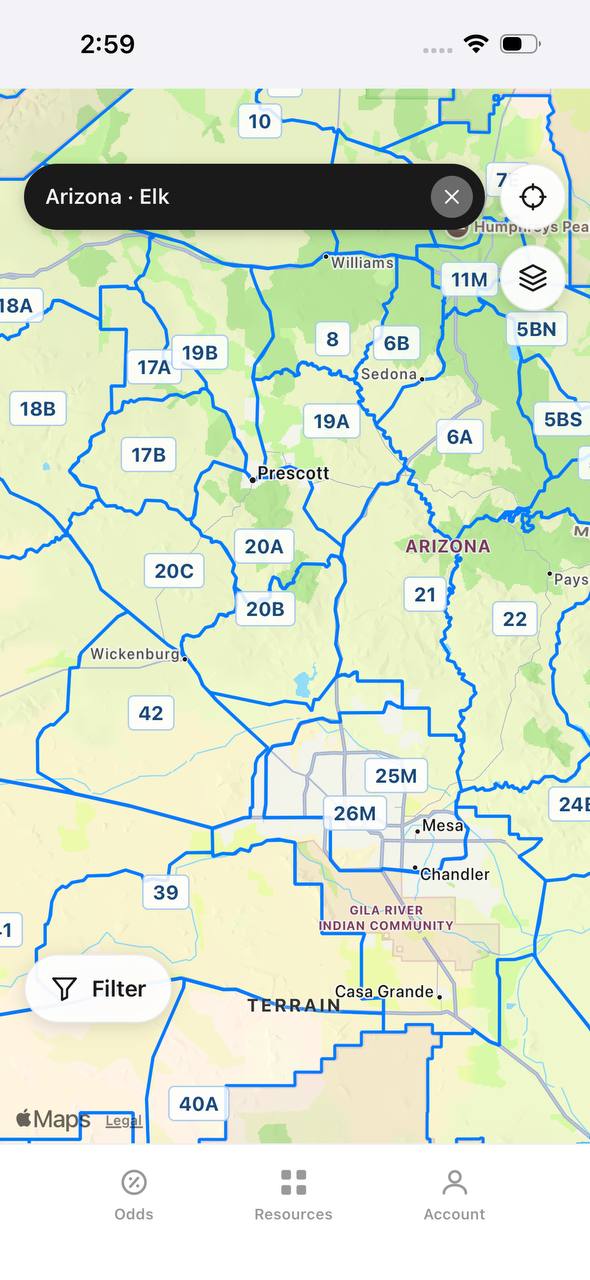
TAGZ isn’t magic, but it does take the headache out of finding good glassing points, analyzing pressure, and understanding terrain. Use the mapping and odds tools to pinpoint areas with less pressure, likely elk hangouts, and realistic access routes. It saves days of e-scouting and makes your boots-on-the-ground time more productive.
Free to join
Download mobile app
- Detailed draw odds
- Point tracking
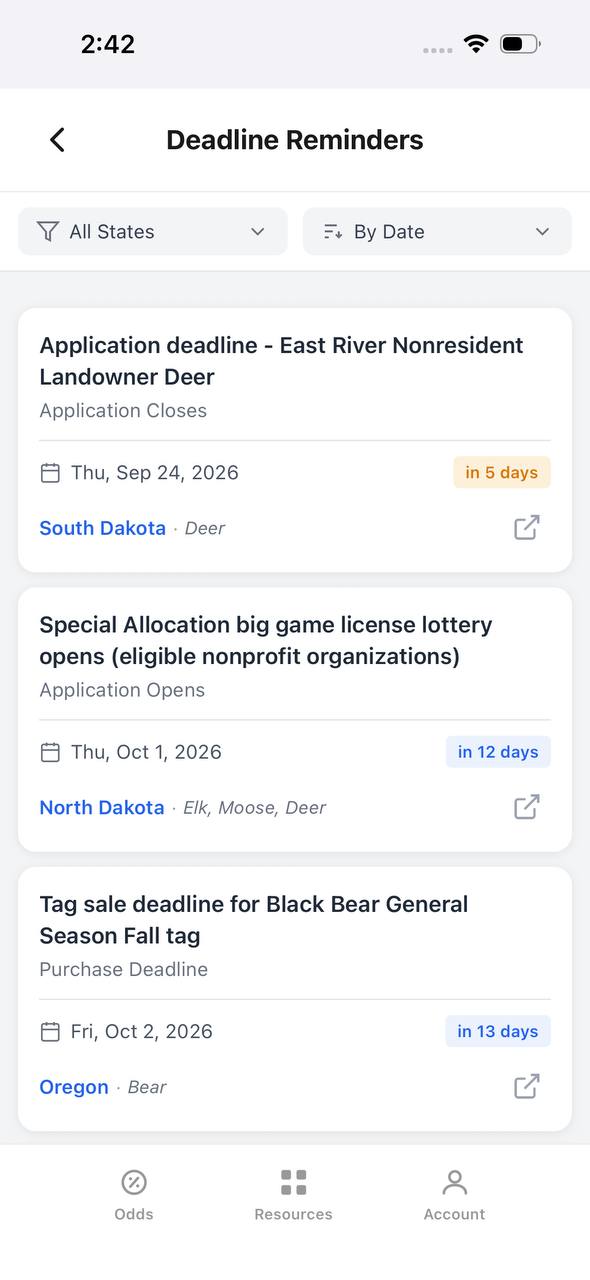
- Deadline reminders
- 18 states covered

Free to join
Download mobile app
- Detailed draw odds
- Point tracking
- Deadline reminders
- 18 states covered
Free to join
Download mobile app
- Detailed draw odds
- Point tracking
- Deadline reminders
- 18 states covered
FAQs: Elk Glassing in the West
What optics do I really need?
- 10x42 binoculars are the sweet spot. Add a spotting scope for open country or if you want to judge bulls at distance.
How long should I glass one area?
- At least 20 minutes before moving. Elk rarely stick out—patience is key.
When is the best time to glass?
- First and last light, but don’t ignore midday movement, especially in pressured areas.
How do I avoid spooking elk while glassing?
- Stay low, keep the sun at your back, and avoid skylining yourself. Approach your glassing spot quietly and early.
Looking to stack the odds in your favor this season? Check out other TAGZ articles on unit selection and e-scouting strategies for more practical tips.
Was this article helpful?
Previous
Best Western Hunting Packs for Elk Hunting — Complete Pack Guide
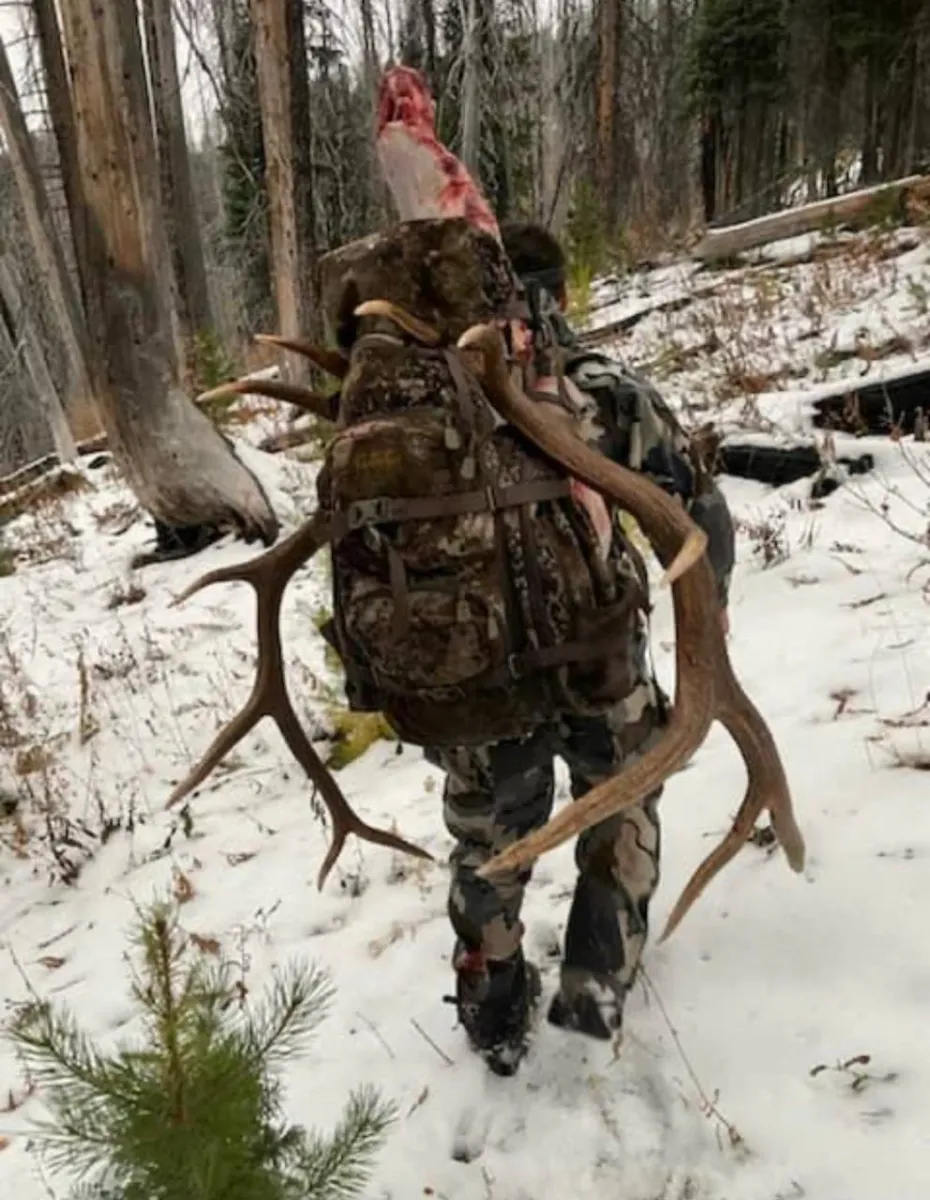
A quality hunting pack is one of the most important pieces of western hunting gear. The best packs haul heavy meat loads comfortably while supporting long days in rugged elk country.
Related
Understanding G1-G6 Measurements — Elk & Deer Scoring Guide
G1-G6 measurements identify individual antler points used in Boone & Crockett and Pope & Young scoring systems. Understanding these measurements helps hunters field judge animals more accurately and better evaluate trophy potential in the field.
Next
How to Hunt Sage Country Elk in 2026: Honest Advice for Western Hunters
Sage country elk hunting in 2026 offers unique rewards and challenges. This guide covers pressure, terrain, strategy, and realistic expectations.