How to Field Judge Sheep — Complete Ram Judging Guide
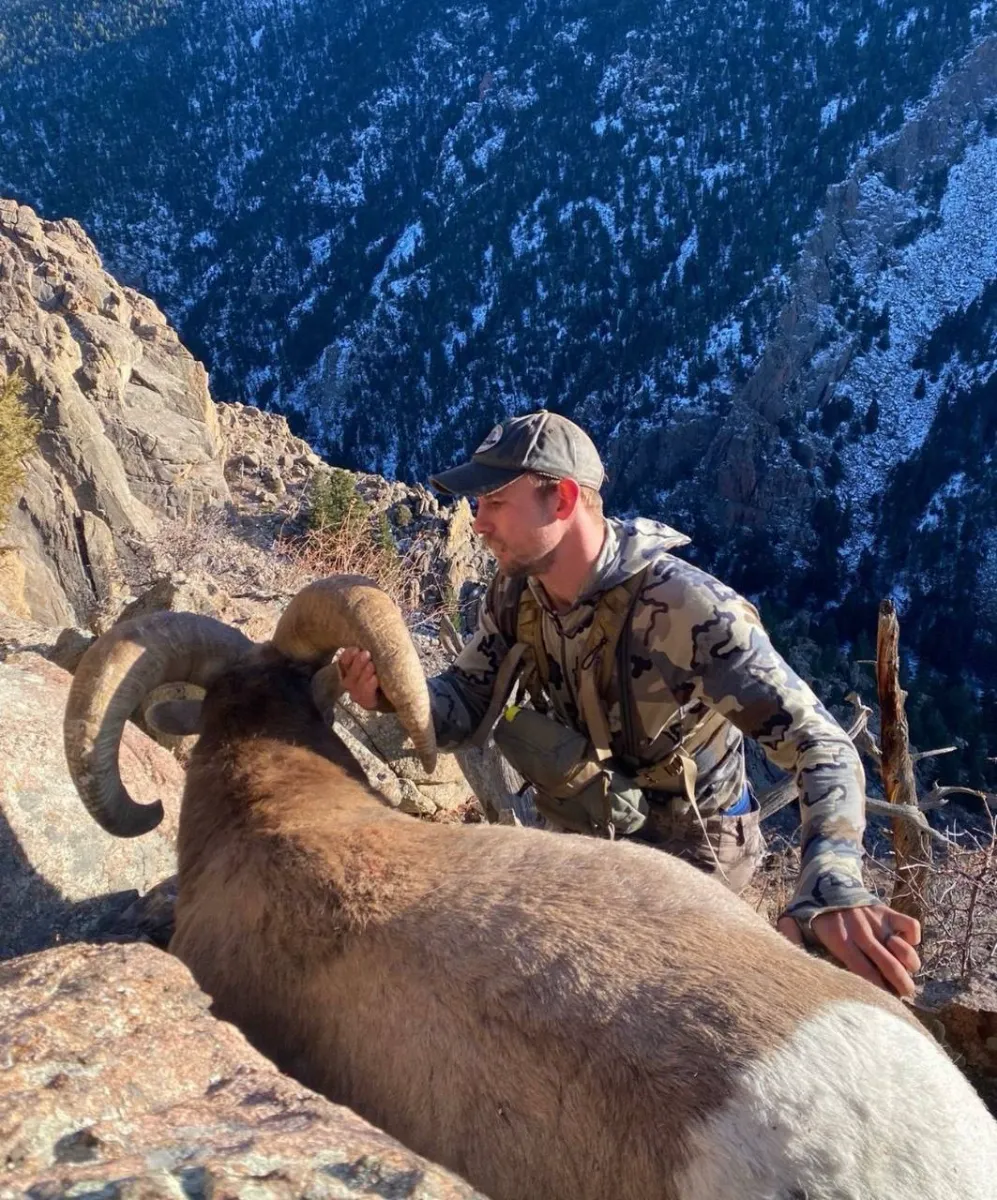
Few animals capture a hunter's imagination like wild sheep, and few are judged the way they are. Whether you're after Rocky Mountain bighorns, California bighorns, desert bighorns, Dall, or Stone sheep, evaluating a ram is unlike judging any other North American big game. Points and tine length don't matter here. Sheep come down to curl, mass, length, and age. Most hunters wait decades for a sheep tag, so when the chance finally comes, reading a ram quickly and accurately matters enormously. The goal isn't deciding whether he scores 174 or 178, it's knowing whether you're looking at a young ram, a legal ram, or a true trophy.
Why sheep are hard to judge
Sheep live in unforgiving country, and you'll usually evaluate rams across canyons, through a spotting scope, at steep angles, and in changing light. All of that distorts horn appearance. A ram can look enormous at first glance and turn out average, while a heavy mature ram may not stand out until you see him from the right angle. That's exactly why you have to read the whole animal, bases, length, curl, mass, and brooming, rather than fixating on any one feature.
Bases and mass win
The horn base, where the horn meets the skull, tells you a great deal about maturity. Average bases run 13 to 15 inches, good ones 15 to 16, and exceptional rams carry 16 to 18-plus. Heavy bases point to age and strong genetics, and they catch a sheep hunter's eye immediately. Mass is what separates average rams from trophies, because it adds value throughout the entire horn. A ram with heavy bases, consistent mass, and good curl will routinely outscore a longer but lighter ram, which is why the best hunters never judge on length alone.
Curl, brooming, and length
Curl describes how far the horns wrap around the ram's head, and it's a primary legal measurement in many areas, with rams classed as half, three-quarter, or full curl. Older rams generally develop deeper curl. Brooming, when horn tips break or wear off through fighting and age, often makes a ram look shorter, but those missing inches usually represent years of maturity, and many hunters specifically prefer broomed rams because they signal an old animal. Length still counts: mature rams run 30 to 34 inches, good ones 35 to 38, and exceptional rams 39 to 42-plus, with the giants combining that length with heavy mass.
Knowing the species
Each sheep looks a little different. Rocky Mountain bighorns are the iconic North American sheep, known for massive curl, heavy bases, and excellent mass, with top rams scoring past 180. California bighorns generally run smaller but carry beautiful curl, strong symmetry, and good mass. Desert bighorns often show long, sweeping, elegant horns and outstanding curl. Dall sheep, with their white coats and long horns, are judged heavily on curl, age, and brooming, and Stone sheep, the dark-coated crown jewel for many hunters, combine beauty with deep curl and strong horn development.
Age, and trusting your glass
Score and age aren't the same thing. A young ram looks thin-horned, athletic, and sleek, while a mature ram shows heavy bases, deep curl, thick horns, and a blocky look that stands out once you've seen enough sheep. A trophy ram excels in all four categories at once, curl, length, mass, and age. The common mistakes are fixating only on curl, ignoring mass and age, misjudging broomed rams, and judging from poor angles. Few hunts reward quality optics like sheep hunting, so a good spotting scope is essential. And because sheep tags can take years to draw, TAGZ helps you research draw odds, compare states, and build the long-term strategy that gets you to the tag of a lifetime.
Was this article helpful?
Previous
Ram Curl Measurements Explained — How to Judge Legal Rams
Ram curl measurements are used to determine legality and trophy quality in sheep hunting. Understanding full curl, horn mass, brooming, and maturity helps hunters accurately evaluate rams and avoid costly mistakes in the field.
Next
Hunting Transition Zones: How to Find More Elk and Deer in the West
Transition zones hold more game than most hunters realize. Here’s how to find them, hunt them, and use them to beat the pressure in big country.