How to Field Judge Caribou — Complete Caribou Scoring Guide
Caribou are one of the most distinctive animals in North America, and one of the trickiest to judge. Both bulls and cows carry antlers, and a mature bull grows some of the most complicated headgear in the hunting world: main beams, bez tines, shovels, top points, back scratchers, and crowns, all on the same rack. Plenty of bulls look impressive, but few are genuinely exceptional, and learning to tell the difference is the whole skill. Once you know what creates trophy quality, evaluating bulls gets a lot easier.
Start with the shovels
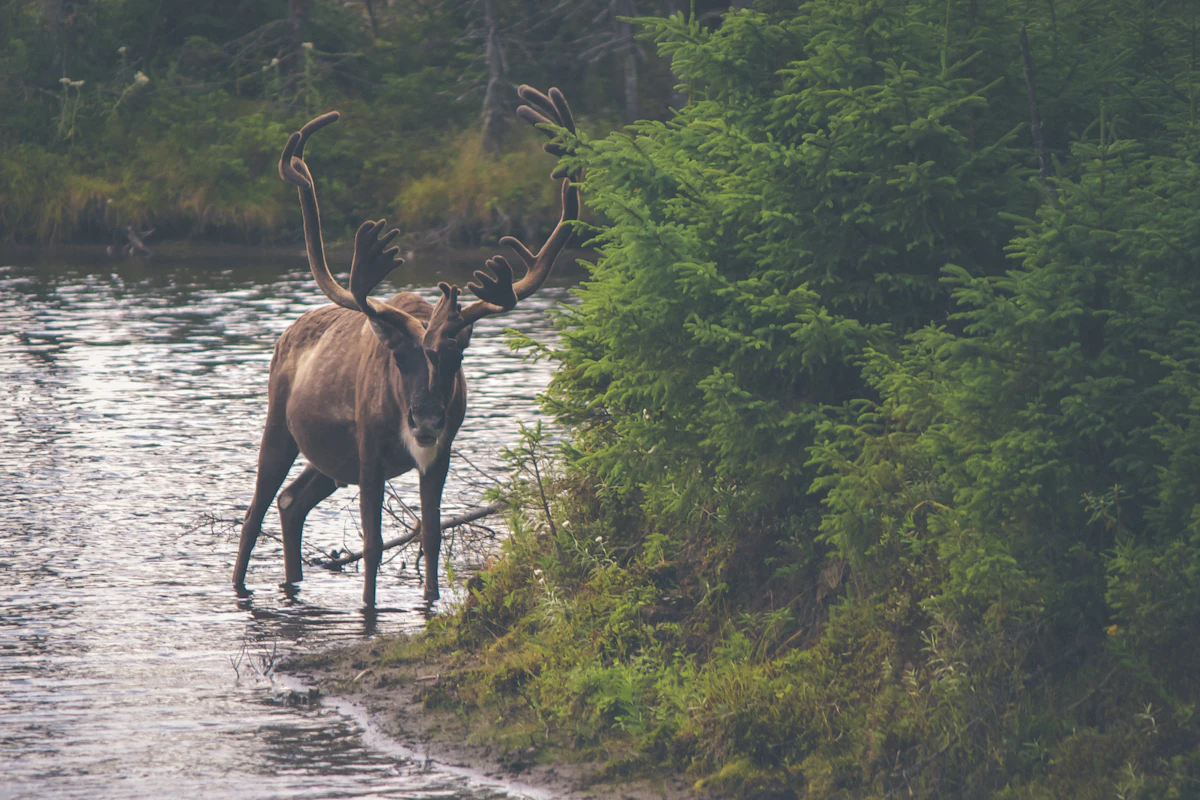
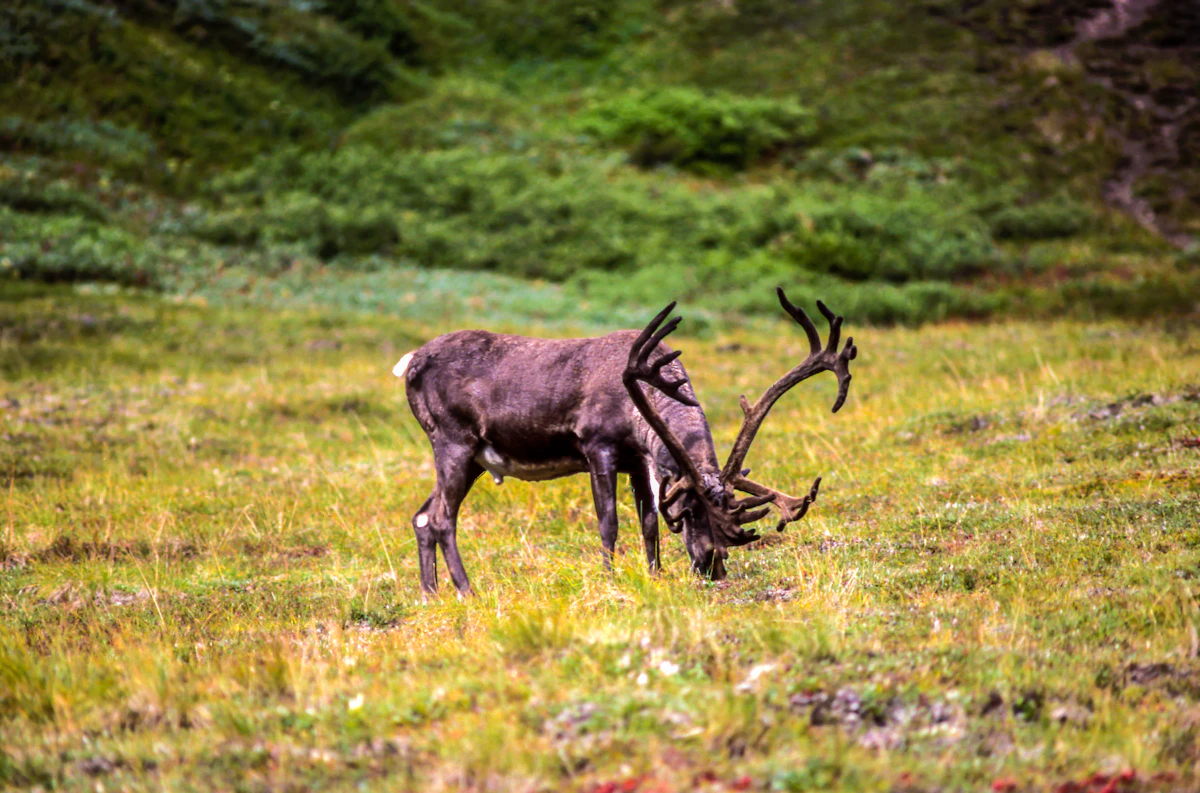
The front shovel is the most recognizable feature on a caribou, the broad flattened panel near the front of the antler that gives trophy bulls their look. Average bulls show only small shovel development, good bulls carry noticeable shovels, and exceptional bulls grow huge sweeping ones that catch your eye instantly. Better still are double or split shovels, which a lot of record-book bulls display and which usually signal advanced age and excellent genetics. If a bull has big, well-developed shovels, you're already looking at something worth a closer look.
Bez tines, tops, and back scratchers
The bez tine projects forward near the base, and strong bez development adds a lot of score while creating that busy, complex appearance hunters want. Top points build height, going from a few weak tops on an average bull to crown-like clusters covering the upper beam on the best ones. Then there are back scratchers, the famous long rearward points that look like they could reach the bull's back, which tend to mark a mature animal with strong genetics. A bull that combines all of these is the real deal.
Frame and mass
Main beams set the frame, running from moderate on a young bull to long and sweeping on a giant, and frame is what gives everything else room to develop. Mass gets overlooked because hunters fixate on shovels and tops, but heavy circumference throughout the antler points to age and good nutrition, and massive bulls routinely score higher than expected. Unlike moose, caribou aren't scored mainly on palm width; the Boone and Crockett system rewards beam length, point length, circumference, and spread, so overall complexity drives the number.
Symmetry versus character
Caribou are unusual in that many of the biggest bulls aren't symmetrical at all. Instead they carry character, complexity, and abnormal growth that adds up to a stunning trophy. Some hunters chase clean, matched racks and others prefer wild character, and both can produce exceptional bulls, so don't dismiss a bull just because his sides don't mirror each other.
Young, mature, and trophy bulls
A young bull looks athletic and clean, with small shovels, limited points, a narrow frame, and thin antlers. A mature bull starts showing real trophy potential, with stronger shovels, better mass, more tops, and a bigger frame. A true trophy looks oversized in every category at once, huge shovels, heavy bez tines, long tops, heavy beams, and back scratchers, and he grabs your attention the second he steps into view. Subspecies matter too: barren ground bulls are known for large antlers, long beams, and extensive points, while woodland caribou tend toward heavier mass and more compact racks, and both produce outstanding trophies.
Read the body and trust your optics
As the rut approaches, mature bulls become obvious through their bodies alone, carrying larger necks, heavier shoulders, and a more muscular build than younger animals. Caribou country is enormous, and you'll often be sizing up bulls hundreds of yards out across tundra or valleys, so good glass is not optional. The most common mistakes are fixating on spread, ignoring shovels and mass, overrating young bulls, and rushing the call. The best bulls excel across multiple categories at once, so work through shovels, points, frame, and mass before you decide. If you're planning a northern hunt, TAGZ helps you research opportunities, compare applications, and organize the planning before you ever head north.
Was this article helpful?
Previous
Hunting Mid-Week vs Weekends: The Real Differences for Western Big Game Hunters in 2026
Mid-week hunts mean less pressure, but are weekends really that bad? Here’s what experienced western hunters should know about timing their 2026 hunts.
Next
How Water Affects Elk Movement: Real-World Insight for Western Hunters
Elk rely on water, but it doesn’t always mean you’ll find them on a pond’s edge. Here’s how water impacts elk behavior and what that means for your hunt.