How to Field Judge Black Bears — Complete Bear Hunting Guide
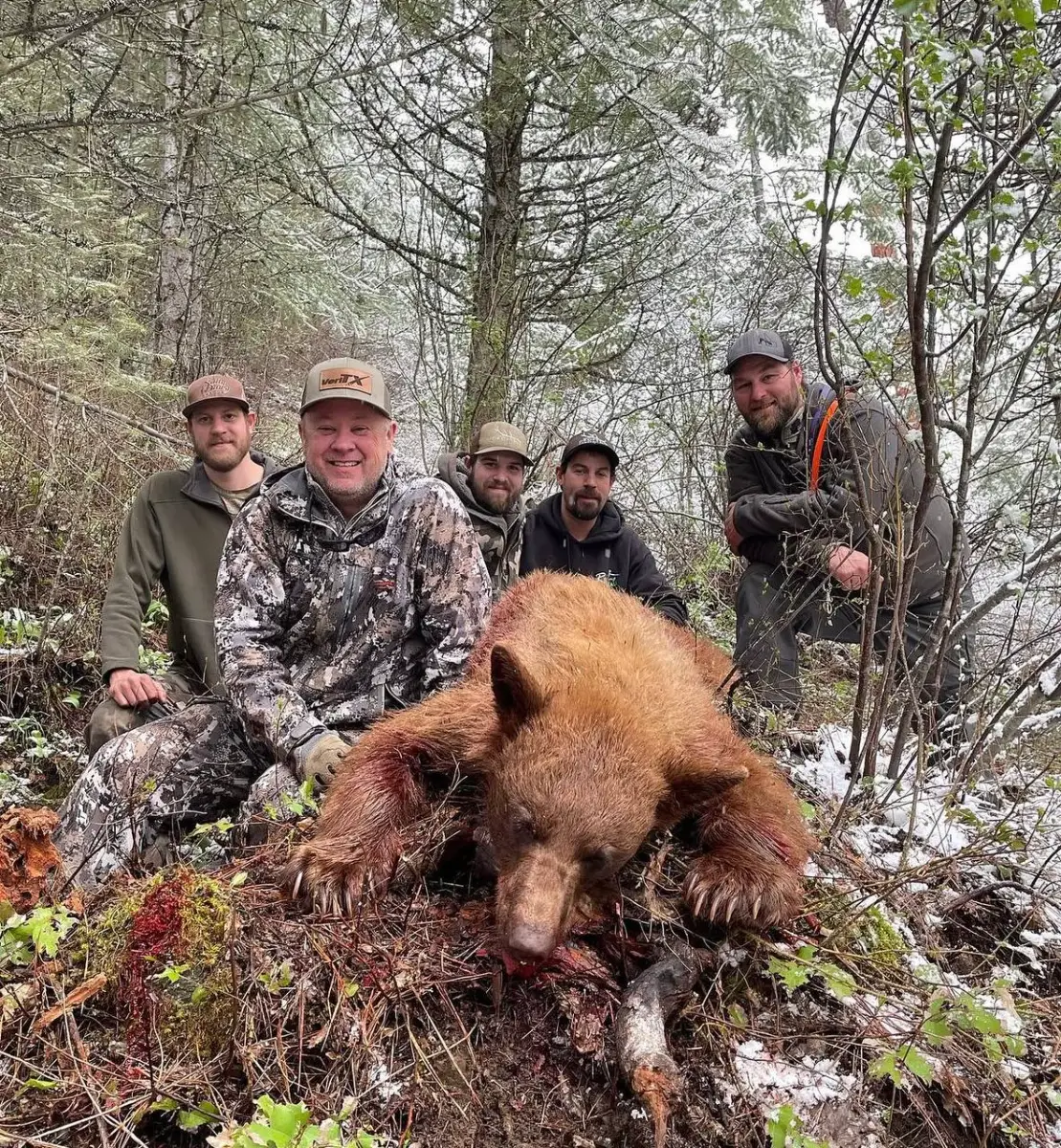
Black bears are some of the hardest animals in North America to judge. They carry no antlers or horns to give you an obvious clue, so everything comes down to reading body size, head shape, ears, legs, and overall maturity. Plenty of hunters shoot the first bear they see thinking it's a giant, only to find out it was a young boar or a mature sow. Just as often, hunters pass mature boars because they badly underestimate how big the animal really is. Learning to read a bear changes both your success and the quality of what you take.
Color and weight will lie to you
Black bears come in black, chocolate, cinnamon, and blonde, and color tells you nothing about size. A giant black bear can look smaller than a young cinnamon. Color is genetics; size is maturity. Weight is just as unreliable, because a bear's appearance changes dramatically with the season, available food, fur length, and viewing angle. Stop trying to guess pounds and start reading maturity indicators instead, because mature bears simply look different.
Start with the head and ears
The head is the best place to begin. Young bears have narrow heads, long noses, big ears, and a thin look. Mature boars have wide, blocky heads, snouts that look shorter, and faces that resemble a five-gallon bucket. The ears are the giveaway most hunters lean on: on a young bear they look large, tall, and prominent, while on a mature bear they appear tiny, short, and set wide apart. The ears didn't shrink, the head grew around them. When a bear's ears look small and far apart, pay attention, you're probably looking at an old animal.
Boar or sow
Sex matters for trophy potential. Mature boars carry blocky heads, thick necks, broad shoulders, a heavy front end, and those small-looking ears, and they tend to look powerful and front-heavy. Sows have longer, narrower faces, more pointed muzzles, and larger-appearing ears, and generally look more refined and athletic. Reading that difference keeps you from tagging a sow you mistook for a shooter boar.
The body tells the rest
A few body cues stack up fast on mature bears. Big boars show heavy shoulders and thick front quarters, so the front end looks larger than the rear. Older bears develop sagging, low-hanging bellies, where younger bears stay tight and athletic. And the classic leg illusion: young bears look long-legged and lean, while mature bears look short-legged and low to the ground because the body has grown so much it makes the legs look too short. Put it together and the old-bear test most veterans use is simple, a mature boar looks like a 55-gallon drum with legs, round and thick everywhere, while a young bear looks long and skinny.
What the season and fur do
Fur fools people constantly. Long spring fur can make an average bear look big, and wet fur can make a giant look small, so judge structure, not coat. Season matters too. Spring bears just out of the den look leaner and longer, while fall bears, packing on weight before denning, look massive and round. Factor in the time of year before you decide what you're really looking at.
Skull and the score sheet
You can't measure it in the field, but mature bears show wide, blocky skulls and broad foreheads, and skull size is exactly what the Boone and Crockett system rewards. A big, square head viewed straight on is one of the strongest signs of an old, high-scoring bear.
Spot-and-stalk versus bait
When you're spot-and-stalk hunting, give it time and watch how the bear walks, how the head and ears read, and how the shoulders are built, because patience reveals details a quick look misses. Over bait, camera and viewing angles distort size badly, so use a consistent reference like the barrel, a tree, or the bait station to compare against. Either way, the common mistakes are the same: judging by color, judging by fur, guessing weight, ignoring the ears, and rushing the call.
Why it's worth the patience
A mature black bear has survived hunting pressure, hard winters, competition, and predators for years, and age usually matters more than raw weight. Take the extra minutes to read the head, ears, belly, and legs before you commit. If you're planning a western bear hunt or sorting out DIY opportunities, TAGZ helps you research units, compare draw odds, and build a plan before the season ever opens.
Was this article helpful?
Previous
DIY Elk Hunt Planning: Real-World Strategies, Pitfalls, and Honest Expectations
Cut through the noise and get a boots-on-the-ground look at planning your own elk hunt—honest talk about pressure, access, and getting it done DIY.
Next
Best Elk Habitat Types
Best Elk Habitat Types breaks down realistic elk planning around terrain, access, pressure, scouting, and hunter behavior so TAGZ readers can build a practical western hunt plan instead of chasing hype.