Choosing Your First Elk Rifle — Complete Beginner Guide
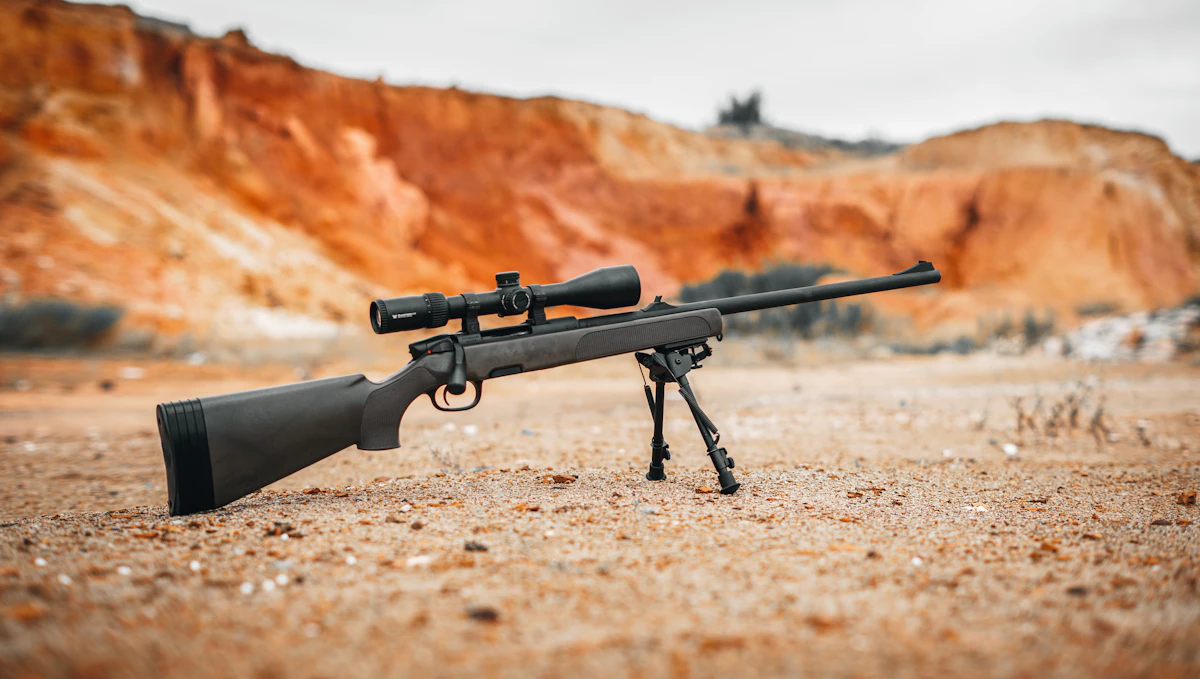
Few purchases generate more questions than a first elk rifle. Walk into any sporting goods store and you'll hear recommendations for the 7 PRC, 7mm Remington Magnum, .300 Win Mag, .300 PRC, .30-06, and .308 Winchester, with everyone swearing their choice is best. The reality is simpler, because most modern hunting cartridges are perfectly capable of killing elk. The real challenge is finding a rifle and caliber combination that fits your budget, experience level, hunting style, and recoil tolerance. A first elk rifle doesn't need to be expensive, it needs to be reliable, accurate, comfortable, affordable, and easy to practice with, and above all it should be a rifle you actually enjoy shooting, because the more you practice the more effective you become.
Don't buy too much rifle
One of the biggest mistakes new hunters make is buying a rifle that's too powerful, reaching for a .300 PRC, .300 Win Mag, or .338 magnum only to discover that the recoil hurts, practice becomes unpleasant, and accuracy suffers. A smaller caliber shot accurately beats a larger caliber shot poorly every single time. Elk are tough but they aren't bulletproof, and proper shot placement matters far more than caliber selection, so a well-placed shot from a 7mm, .308, or .30-06 will outperform a poorly placed shot from any magnum. Focus on accuracy first.
Best beginner calibers
A few cartridges stand out for first-time elk hunters. The .308 Winchester is one of the most underrated elk cartridges, with mild recoil, affordable and widely available ammunition, and effective performance to 400 or 500 yards for most hunters, making it ideal for new and budget-conscious shooters. The .30-06 Springfield is possibly the most proven elk cartridge ever created, offering excellent versatility, a wide ammunition selection, manageable recoil, and a track record that has probably accounted for more elk than anything else, which makes it ideal for nearly everyone. The 7mm Remington Magnum is flat shooting with excellent energy and decades of guide-trusted elk performance for hunters wanting additional range, while the modern 7 PRC delivers outstanding ballistics and long-range capability and is quickly becoming a western favorite. The .300 Winchester Magnum remains the king of western hunting camps with tremendous energy and long-range performance, though its heavier recoil makes it better suited to experienced shooters. For a deeper breakdown, see our best rifle calibers guide, our .30-06 vs .300 Win Mag comparison, and our 7 PRC vs 7mm Rem Mag comparison.
Best first rifles
When it comes to actual platforms, several stand out for value and performance. The Howa 1500 is one of the best values available, with excellent accuracy and a reliable action that many call a hidden gem, and the Savage 110 backs its accuracy reputation with an adjustable trigger and great value. The CVA Cascade has become extremely popular for being affordable, accurate, and lightweight, while the Ruger American is one of the best-selling hunting rifles in America and an outstanding budget-friendly starter. The Tikka T3X is often considered the best factory hunting rifle short of premium pricing thanks to its smooth action, excellent accuracy, and reliability, and many western hunters never outgrow theirs. Stepping into the premium category, the Christensen Mesa is lightweight, accurate, and beautifully finished, and rifle makers like Gunwerks build some of the finest shooting systems available, though most first-time hunters are better served spending that money on practice, optics, and hunting trips before going ultra-premium.
Setup, optics, and practice
New hunters often underestimate rifle weight, since light rifles carry easier but kick harder while heavy rifles shoot softer but carry harder, and a scoped rifle weighing 8 to 9 pounds is ideal for most. Many hunters spend too much on the rifle and too little on optics, so look for a scope with clear glass, reliable adjustments, and good low-light performance, with 3-15x or 4-16x covering timber, open country, and longer shots without excessive complexity. Leupold, Maven, Vortex, Nightforce, Swarovski, and Zeiss are all worth considering, and the old advice holds, buy quality once and cry once. Don't ignore binoculars either, because you'll spend far more time behind glass than behind the trigger, and a hunter with great optics and an average rifle often finds more animals, which we cover in our optics and glassing guide. Before chasing upgrades like new stocks, triggers, or carbon barrels, spend time practicing, because skill usually returns more than equipment. Be honest about your effective range, which depends on practice, conditions, and shooting position, since ethical hunting starts with knowing your limits, and practice from realistic field positions, prone, sitting, kneeling, and off packs or bipods, rather than just the bench. The common first-rifle mistakes are buying too much recoil, too much magnification, ignoring optics, skipping practice, and chasing trends, and simple usually wins: a Tikka T3X, Howa 1500, Savage 110, Ruger American, or CVA Cascade in .30-06, 7mm Rem Mag, 7 PRC, or .308, topped with a quality 3-15x or 4-16x scope at 8 to 9 pounds, can hunt elk anywhere in North America. The right rifle matters, but the right hunt matters more, which is where TAGZ helps with unit research, draw odds, and application strategy before opening day.
Was this article helpful?
Previous
How to Learn a New Unit Fast: A Realistic Western Hunter’s Guide
Breaking down proven tactics to quickly get your bearings in a new hunting unit, from map work to boots-on-the-ground scouting and adapting on the fly.

Next
Western Hunt Travel Planning
Western Hunt Travel Planning breaks down realistic big game planning around terrain, access, pressure, scouting, and hunter behavior so TAGZ readers can build a practical western hunt plan instead of chasing hype.