How to Build a Five-Year Western Hunting Application Strategy
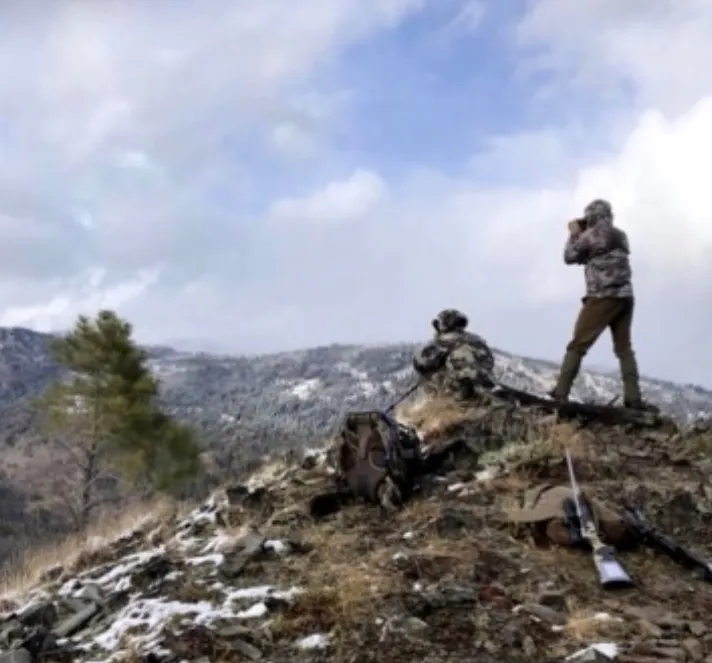
Hunters who approach Western big-game applications with a multi-year plan consistently outperform those who apply reactively each spring. A five-year strategy forces you to make deliberate choices about where to invest points, when to cash them in, and which states deserve your limited application budget. Without this framework, you risk burning accumulated points on mediocre hunts or spreading yourself so thin that you never build meaningful preference in any system.
Why Five Years Is the Right Planning Horizon
Five years hits the sweet spot between too short and unrealistically long. A one or two-year outlook keeps you stuck in reactive mode, chasing whatever unit looks good this season without building toward anything substantial. A ten-year plan sounds impressive but ignores reality: regulations change, your life circumstances shift, and nobody can predict draw odds a decade out with useful accuracy.
Five years gives you enough runway to accumulate meaningful preference in multiple states while remaining flexible enough to adjust when opportunities arise or systems change. Most Western states see major regulation overhauls every three to five years anyway, so your strategy needs built-in checkpoints for reassessment.
The goal is not to lock yourself into rigid commitments. Instead, you are creating a framework that guides annual decisions while allowing tactical pivots when the data shifts.
Step One: Define Your Primary Objectives
Before touching an application, you need clarity on what you actually want from Western hunting over the next five years. This sounds obvious, but most hunters skip it and end up with scattered points across eight states and nothing to show for it.
Ask yourself these questions:
- Do you want one exceptional hunt or multiple solid hunts?
- Which species matter most to you right now?
- Are you building toward a specific bucket-list unit or optimizing for annual opportunity?
- What is your realistic annual budget for applications, travel, and outfitters?
- How much time can you dedicate to scouting and hunting each fall?
Your answers shape everything else. A hunter saving for one incredible Wyoming elk hunt in a wilderness unit will make completely different choices than someone who wants to hunt elk somewhere every single year. Neither approach is wrong, but mixing them guarantees frustration.
For deeper guidance on aligning your goals with specific units, read Colorado Game Units | TAGZ before building your state-by-state plan.
Step Two: Audit Your Current Point Balances
Pull your point totals from every state where you have applied. Create a simple spreadsheet with columns for state, species, point type, current balance, and estimated years to draw your target unit at that balance.
This audit often reveals uncomfortable truths. You might discover you have been building Colorado elk points for six years but are still fifteen points away from your dream unit. Or you have four Wyoming antelope points sitting idle because you forgot to apply last year. Or you are paying into Nevada's bonus point system without understanding that bonus points work completely differently than preference points.
Understanding Product Preview | TAGZ is essential before you commit to any long-term accumulation strategy. States like Nevada and Montana give point holders better odds but no guarantees, while Wyoming and Colorado preference systems create predictable timelines for max-point holders.
Identify Dead-End Investments
Be honest about points that will never pay off. If you have three moose points in a state where residents with fifteen points are not drawing, continuing to invest makes no mathematical sense unless you plan to apply for thirty more years. Cut your losses, stop paying application fees, and redirect that budget elsewhere.
Step Three: Select Your Core States
Most serious Western hunters cannot realistically manage more than three to four states well. Application deadlines cluster in spring, research takes time, and travel logistics compound with each additional commitment. Spreading across seven states means doing all of them poorly.
Choose two to three primary states where you will build points aggressively and apply with full effort every year. Add one to two secondary states for opportunistic applications or bonus point accumulation with minimal research investment.
Primary State Criteria
- Realistic path to your target species and hunt quality within five years
- Application process you can manage without professional help if budget is tight
- Geographic accessibility for scouting trips
- Regulations and point systems you understand thoroughly
Secondary State Criteria
- Low application fees for point accumulation
- Bonus point systems where you might get lucky before reaching max points
- States you may elevate to primary status in years four or five
Colorado, Wyoming, and Montana form the core for most nonresident elk and deer hunters due to tag availability and accessible regulations. Nevada and Arizona work better as secondary states where you buy points annually and wait for bonus point luck or a decade-long accumulation to pay off.
Step Four: Map Your Five-Year Timeline
With objectives defined, points audited, and states selected, build a year-by-year projection. This is not a binding contract. It is a decision-making framework you will revisit annually.
Year One: Apply for your highest-odds realistic hunts in primary states. Continue point accumulation in secondary states. Establish baseline data on which units interest you.
Year Two: Reassess based on year-one results and any regulation changes. If you drew a tag, your timeline shifts. If not, evaluate whether your target units still make sense given updated draw odds.
Year Three: Midpoint checkpoint. You should have enough data to know if your primary state strategy is working. This is the year to make major pivots if needed, not year five when you have already sunk costs.
Year Four: Final accumulation year before potential point redemption. Identify your cash-in candidates for year five.
Year Five: Execute your primary objective if points and odds align. If not, extend the timeline or redirect to a secondary target.
For a structured approach to analyzing whether your target units are realistic, explore and run the numbers before committing.
Step Five: Build in Flexibility for Bonus Hunts
A rigid five-year plan focused only on premium tags leaves opportunity on the table. Every year, certain units have draw odds Pricing | TAGZ that spike due to regulation changes, bad weather forecasts, or shifts in hunter behavior. These become bonus opportunities for hunters paying attention.
Reserve fifteen to twenty percent of your annual application budget for opportunistic plays. This might mean applying for a random-draw unit in a state you do not normally target, jumping on an over-the-counter tag when conditions look favorable, or grabbing a leftover tag in August when your primary state application fails.
Opportunistic hunting also keeps you in the field while building points for that bucket-list unit. Waiting eight years without hunting is miserable. Finding quality random-draw or OTC opportunities fills the gap and makes you a better hunter when the premium tag finally comes.
Step Six: Review and Adjust Annually
Treat your five-year plan as a living document. After each draw cycle:
- Update point balances across all states
- Review regulation changes that affect your target units
- Recalculate draw odds for your primary targets using current data
- Assess whether your objectives have shifted based on life circumstances
- Decide if any states should move from secondary to primary status or be dropped entirely
The annual review is where good strategies become great ones. Hunters who set a plan and ignore it for five years end up with outdated assumptions and missed opportunities. Hunters who review annually catch the shifts early and adjust before small problems become wasted years.
Stay current on regulatory changes by checking Insights | TAGZ throughout the year as states announce updates that could affect your strategy.
Common Mistakes That Derail Five-Year Plans
Chasing Points Without a Target
Accumulating points in every state without knowing what you are building toward is the most common mistake. Points are worthless until you redeem them. Holding fifteen elk points in three different states while never actually hunting elk defeats the purpose.
Ignoring Opportunity Cost
Every year you hold points is a year you are not hunting. Sometimes cashing in at twelve points for a solid hunt beats waiting four more years for a marginally better one. Run the math on what you are giving up.
Underestimating Budget Creep
Application fees, point fees, license fees, and nonresident surcharges add up fast. A five-state strategy can easily cost $800 to $1,200 annually before you draw a single tag. Make sure your plan is financially sustainable over five years, not just year one.
Failing to Scout Target Units
Building points for a unit you have never visited is risky. What looks good on paper may not match your hunting style, fitness level, or access constraints. Visit your top target units during years two or three, even if just for a weekend scouting trip.
FAQ — Five-Year Application Strategy
How many states should I apply in each year?
Most hunters do best with two to three primary states where they invest serious research and one to two secondary states for opportunistic point accumulation. More than five states typically means none get adequate attention.
Should I buy points in states I might not hunt for a decade?
Only if the fees are low and the species truly matters to you. Paying $50 annually for ten years adds up, and regulations may change before you cash in. Prioritize states where you can realistically hunt within five to seven years.
What if I draw my dream tag in year two?
Celebrate and hunt it. Then rebuild your plan around new objectives. Drawing early is not a problem; it is the goal. The plan exists to maximize your chances, not to force you into a rigid timeline.
How do I decide when to cash in points versus keep building?
Compare the hunt quality available at your current point level versus projected quality in two to three more years. If the difference is marginal, cash in and hunt. If waiting significantly upgrades your experience, keep building.
Is it worth hiring an application service?
Application services add value for hunters who lack time for research or find the process overwhelming. They cost money but reduce errors and often identify opportunities you would miss. Evaluate based on your budget and how much you enjoy the research process.
Can I execute a five-year plan on a tight budget?
Yes, but you must be selective. Focus on one or two states with reasonable application fees. Skip expensive states like Nevada or Arizona until your budget expands. Quality planning matters more than quantity of applications.
Was this article helpful?
Previous
What Different Elk Bugles Mean: A Hunter's Guide to Reading Bull Talk
Elk vocalizations carry specific meanings that savvy hunters can decode. Understanding the difference between a location bugle, a challenge bugle, and estrus calls can dramatically improve your odds during the rut.
Next
How to Choose Your First Western Hunt: A Practical Guide for New Hunters
Choosing your first Western hunt means balancing species, state, and hunt type against your budget, fitness, and timeline. This guide breaks down the key decisions so you can pick a hunt that sets you up for success, not frustration.