How to Avoid Getting Stuck While Elk Hunting: A Field Guide to Vehicle Recovery
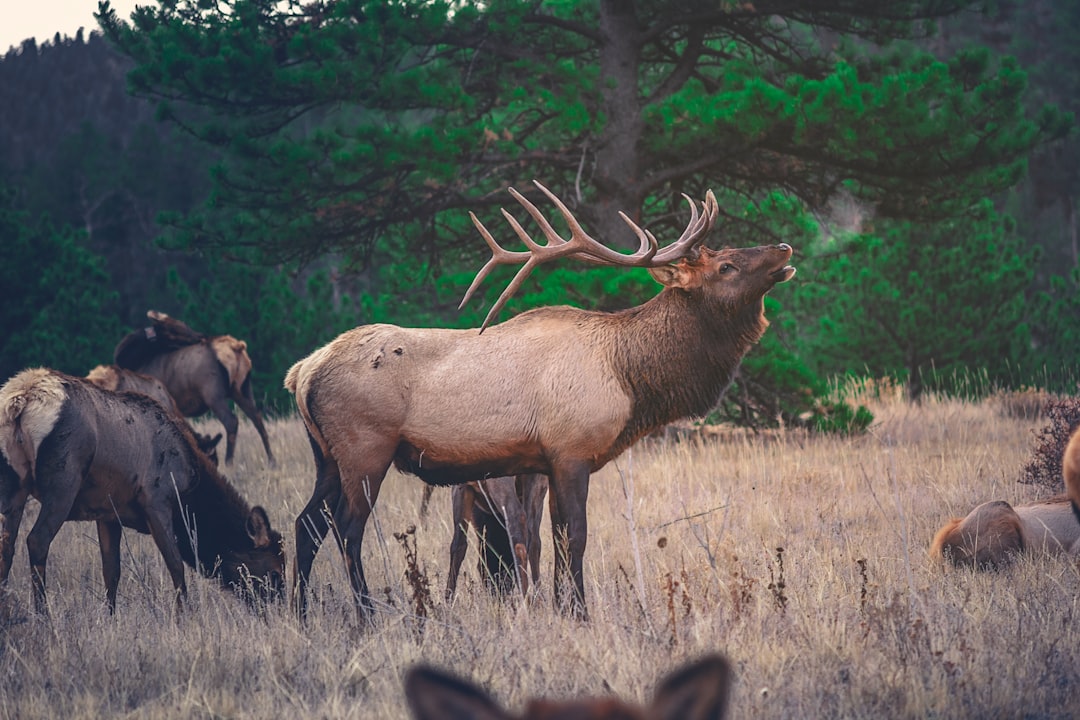
You are three miles up a Forest Service road at 4 AM, headlights illuminating fresh elk tracks crossing the two-track. The road ahead drops into a drainage bottom where yesterday's rain has pooled. You have seen this situation end two ways: hunters who made it through and glassed elk at sunrise, and hunters who spent six hours digging out their truck while bulls bugled a ridge away.
Getting stuck does not just waste time. It can cost you hundreds in recovery fees, damage your vehicle, or strand you overnight in country where cell service does not exist. After two decades guiding elk hunters and recovering vehicles in Colorado, Montana, and Wyoming, I have learned that staying mobile comes down to three things: reading terrain before you commit, running the right equipment, and knowing your vehicle's limits before you find them the hardest way possible.
Read the Road Before You Commit
The worst decision happens fifty yards before you get stuck, not when your tires start spinning. Experienced backcountry hunters walk sketchy sections before driving them.
Get out and inspect any drainage crossing, muddy section, or steep shelf road where the consequences of getting stuck are severe. Look for these red flags: standing water deeper than your vehicle's ground clearance, mud that holds a boot print without springing back, or ruts deeper than your differential. If you can push a walking stick into mud past your knee, your truck will not make it.
Pay attention to what other hunters drove. Fresh tire tracks that end in torn-up ground mean someone got stuck recently. Multiple sets of tracks taking an alternate route around a section tell you where the smart money drives. In early September, roads that were bone-dry in August can turn into grease after afternoon thunderstorms. By late October in high country, mud freezes overnight and turns to soup by noon.
Airing down tires before you hit questionable sections gives you more flotation and traction. Drop from 35 PSI to 20 PSI for muddy forest roads or 15 PSI for sand. Carry a portable air compressor so you can air back up before hitting pavement. This single adjustment has saved me from getting stuck more times than any other technique.
Essential Recovery Gear Every Elk Rig Should Carry
You can prevent most stuck situations, but you cannot prevent all of them. The difference between a fifteen-minute inconvenience and a hunt-ending disaster is the gear you carry.
A quality recovery kit lives in my truck from August through November. The core pieces: a 12,000-pound electric winch with 80 feet of synthetic rope, a recovery strap rated for your vehicle's weight, a high-lift jack, a folding shovel, traction boards, work gloves, and a tree saver strap. If you are hunting solo or in remote units, add a second recovery strap and soft shackles.
Winches get trucks unstuck when nothing else works, but only if you have an anchor point. In open sage country or alpine basins above treeline, there may not be a tree within winch-rope distance. That is where a deadman anchor earns its weight. Bury your spare tire eighteen inches deep perpendicular to your pull direction, attach your winch rope, and backfill the hole. A buried spare can anchor a pull that would otherwise require another vehicle.
Traction boards bridge the gap between minor slippage and calling for help. MaxTrax or similar brands give your tires something to bite when you are spinning in mud or snow. Place them directly under your drive wheels, not in front of them. Clear mud from your tires first so the cleats can engage. Traction boards work best for getting initial momentum, not pulling you through fifty yards of slop.
A high-lift jack does more than change tires. You can use it to lift a stuck vehicle, then shove rocks or logs under the tires to build a platform for your next attempt. In deep ruts, jack one corner at a time and fill the rut with whatever material you can find: rocks, branches, floor mats, or even your traction boards.
Know When to Turn Around
The hardest skill in backcountry navigation is recognizing when to stop before you are committed. I have watched hunters push through conditions they should have avoided because they already drove forty minutes up a drainage and did not want to backtrack.
Here is the decision framework that keeps me mobile: if I question whether I can make it through a section, I question even harder whether I can reverse back out if I get stuck halfway. Backing uphill out of a muddy drainage with spinning tires ends badly. The road you drove down often plays different when you need it in reverse under duress.
Weather changes the equation fast. A road that was firm at dawn can be impassable by 2 PM after thunderstorms roll through. If rain starts falling and you are miles deep on primitive roads, your window to drive out is shrinking. Mud does not improve with time or traffic.
Know your vehicle's clearance, breakover angle, and approach angle. Most light-duty pickups have 8 to 9 inches of clearance. That sounds like a lot until you are straddling a rock in a two-track and your skid plate is dragging. Three-quarter-ton trucks sit higher but are heavier, which means more mass to sink in soft ground. Four-wheel-drive helps you keep moving; it does not make physics optional.
Recovery Techniques That Work in Elk Country
When prevention fails, methodical recovery gets you moving again without breaking parts or digging deeper.
Start with the simplest solution: try reverse. Sometimes backing up twenty feet and taking a different line gives your tires fresh ground to grab. If you are spinning, stop immediately. Spinning tires dig holes. Digging holes buries your truck.
Clear the obstacles first, recover second. Dig mud away from your tires and undercarriage. Remove rocks from under your differential. Build a ramp in front of or behind your tires using rocks, logs, or dirt. You want your tires to drive onto something solid, not claw through deeper mud.
If you have traction boards, place them under your drive wheels and creep forward with steady throttle. Jerky inputs spin tires. Smooth acceleration lets your tires climb the boards. Once you are on solid ground, do not stop until you are completely clear of the bad section.
Winching requires an anchor point within rope distance. Look for large trees at least eight inches in diameter. Wrap your tree saver strap around the trunk low and tight, attach your winch hook, and take up slack slowly. Keep tension on the winch while giving your truck gentle throttle. The winch pulls, your tires push, and you are out faster with less strain on equipment. Never stand near a winch rope under load. If synthetic rope snaps, it falls. If steel cable snaps, it whips.
If you are truly stuck and solo with no winch anchor, the deadman technique works. Dig a hole perpendicular to your pull direction, bury your spare tire or a large log, and attach your winch. Backfill the hole and compact it. This anchor will not hold forever, but it will hold long enough for short pulls.
Free to join
Download mobile app
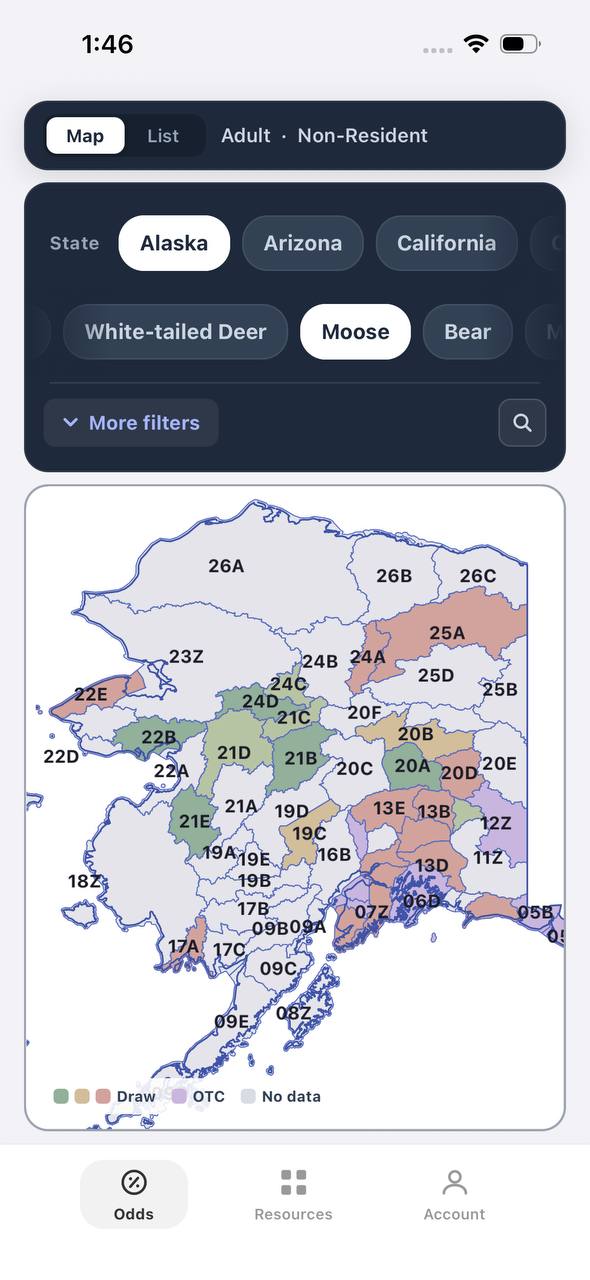
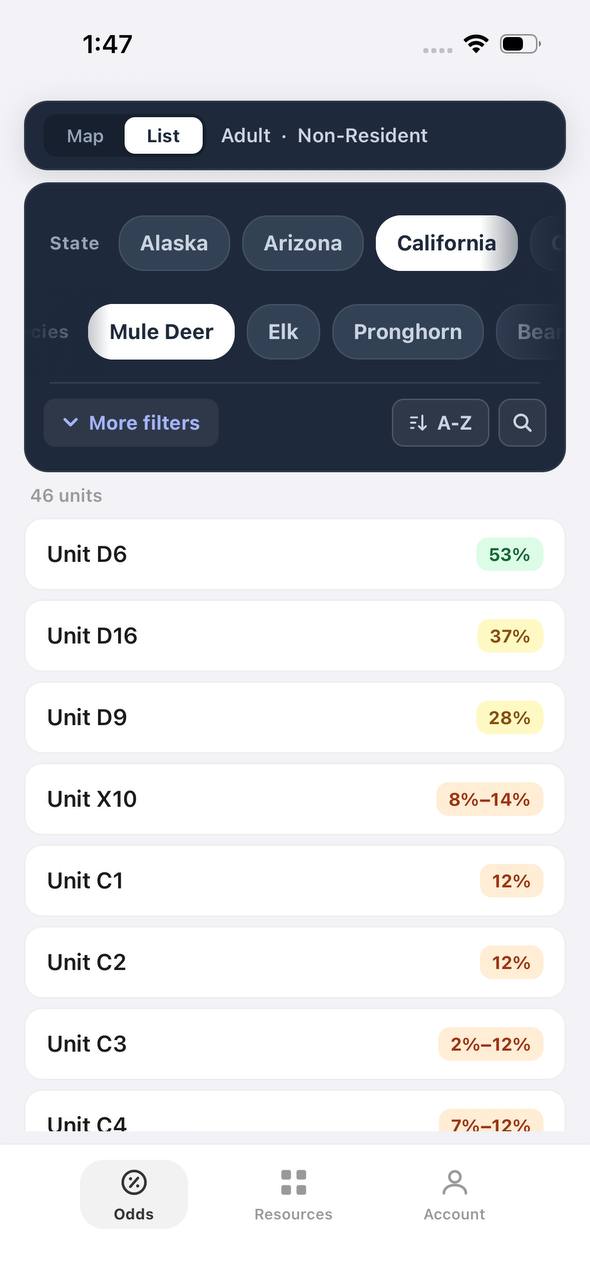
- Detailed draw odds
- Point tracking
- Deadline reminders
- 18 states covered

Free to join
Download mobile app
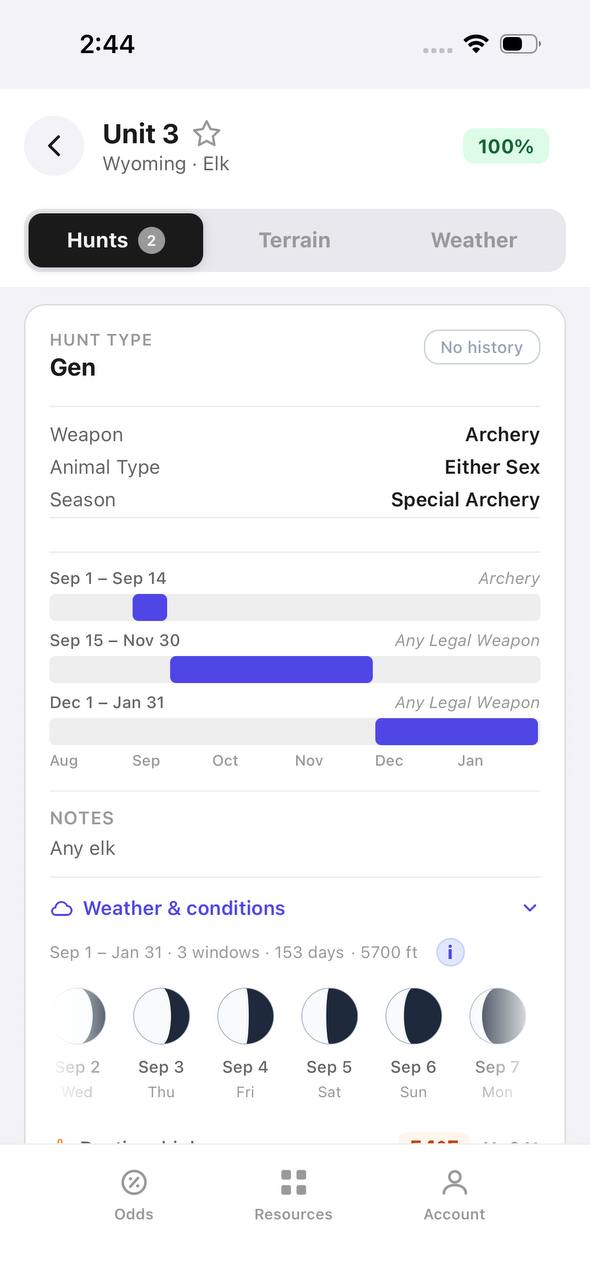
- Detailed draw odds
- Point tracking
- Deadline reminders
- 18 states covered
Free to join
Download mobile app
- Detailed draw odds
- Point tracking
- Deadline reminders
- 18 states covered
Tire Selection Makes or Breaks Backcountry Mobility
You can own the best four-wheel-drive system money buys, but if you are running highway tires, you will get stuck in conditions that aggressive treads laugh at.
All-terrain tires are the minimum for serious elk hunting. Look for tires with deep tread blocks, wide channels that clear mud, and strong sidewalls that resist punctures from sharp rocks. Popular choices among western hunters include BFGoodrich KO2s, Goodyear DuraTrac, and Toyo Open Country AT3. These tires balance on-road manners with legitimate off-road grip.
Mud-terrain tires are overkill for hunters who stick to maintained Forest Service roads, but they are worth the road noise if you are hunting units where primitive two-tracks are the only way in. Mud terrains have larger voids between tread blocks, which means better self-cleaning in sticky clay. The tradeoff: lousy wet-road traction on pavement and faster wear. If you hunt high-elevation units with loose shale and scree, aggressive sidewall lugs prevent punctures that strand you miles from help.
Tire width matters more than most hunters realize. Narrower tires cut through mud and snow to find firm ground underneath. Wider tires float on top of soft surfaces. For mixed conditions, a 285-width tire on a half-ton or three-quarter-ton truck gives you the best balance. If you are running a one-ton dually, you are already riding on narrow rear tires designed to cut through, not float.
Check tire pressure every morning during elk season. Cold nights drop pressure. Underinflated tires flex more, build heat, and are prone to sidewall punctures on sharp rocks. Overinflated tires lose contact patch and traction. Run the pressure your vehicle's door jamb recommends for normal driving, then air down deliberately when terrain demands it.
Vehicle Setup for Backcountry Elk Hunting
Four-wheel-drive is not optional if you are hunting backcountry units. The question is whether you need low-range gearing, locking differentials, and lifted suspension.
Low range gives you mechanical advantage on steep climbs and descents. It also gives you crawling speed with high torque, which is what you need when inching through boulder fields or crossing deep ruts. If your hunting involves maintained gravel roads and established parking areas, you may never touch low range. If you are chasing elk in roadless units where the GPS track ends at 10,000 feet, low range is not a luxury.
Locking differentials force both wheels on an axle to turn at the same speed, which means if one tire has traction, you keep moving. Factory lockers come standard on some trucks or as add-on options. Aftermarket air lockers give you on-demand traction but cost two thousand dollars installed. For most elk hunters, open differentials with good tires and smart driving are enough. If you are hunting sand, deep snow, or units known for axle-deep mud, lockers earn their cost.
Lifted suspension raises your breakover angle and clearance, but it also raises your center of gravity and makes shelf roads sketchier. A mild two-inch lift clears bigger tires without killing highway manners. Anything taller is for rock crawling, not elk hunting. I have driven thousands of miles on primitive forest roads in bone-stock trucks. Lift helps, but driver judgment helps more.
Skid plates protect your oil pan, transmission, and transfer case from rock strikes. If you are hunting units with embedded bedrock or boulder-choked drainages, skid plates are cheap insurance against a trailside oil leak that ends your hunt. Factory skid plates are thin stamped steel. Aftermarket aluminum or steel plates offer real protection.
Communication and Emergency Planning
Getting stuck becomes dangerous when nobody knows where you are and you cannot call for help.
Carry a satellite communicator like a Garmin inReach or Zoleo. Cell service does not exist in most prime elk units. A satellite device lets you text your location and situation to someone who can send help. Even if you can self-recover, letting someone know you are delayed prevents search-and-rescue callouts.
Before you drive into questionable country, drop a pin on your GPS and text it to someone who is not hunting with you. Tell them what time you expect to be back to cell service. If you do not check in, they know where to start looking.
Carry extra food, water, and cold-weather clothing even on day hunts. If you are stuck overnight, you need calories and insulation. A sleeping bag, fire starter, and headlamp with fresh batteries are not dead weight. They are survival gear.
If you are seriously stuck and self-recovery is not an option, stay with your vehicle. It is bigger, warmer, and easier to spot than a person wandering through timber. Run your engine for heat in short intervals to conserve fuel. Tie something bright to your antenna so search aircraft can see you.
TAGZ Helps You Plan Hunts Around Road Conditions
Knowing which elk units have accessible roads versus which require high-clearance four-wheel-drive changes your planning before you ever apply.
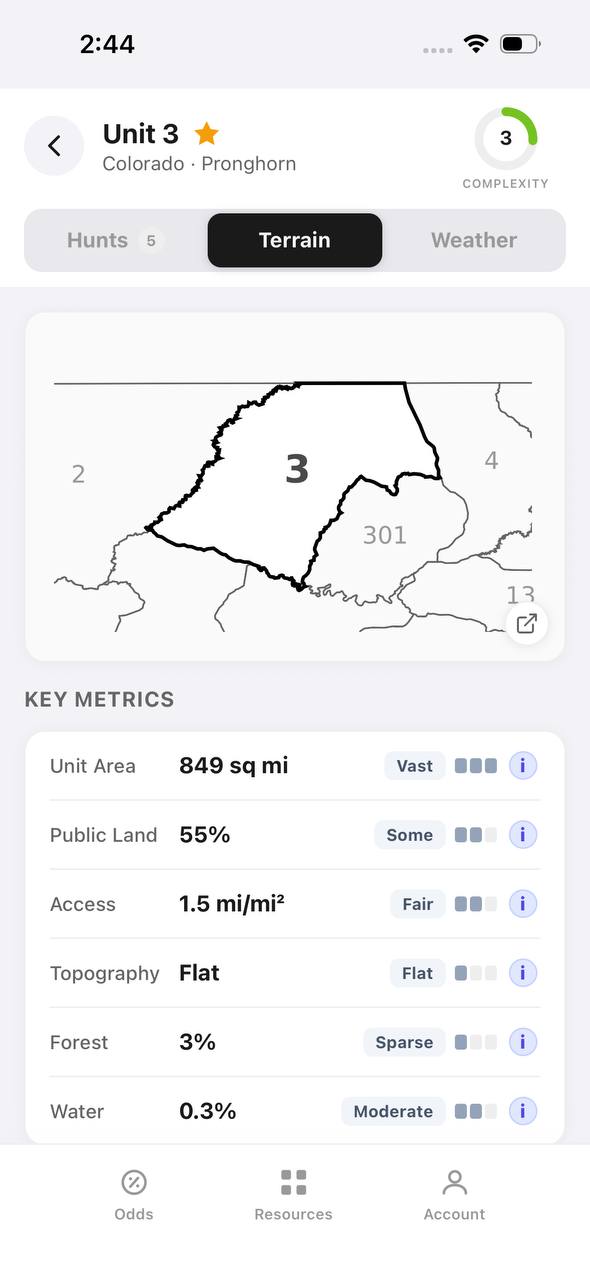
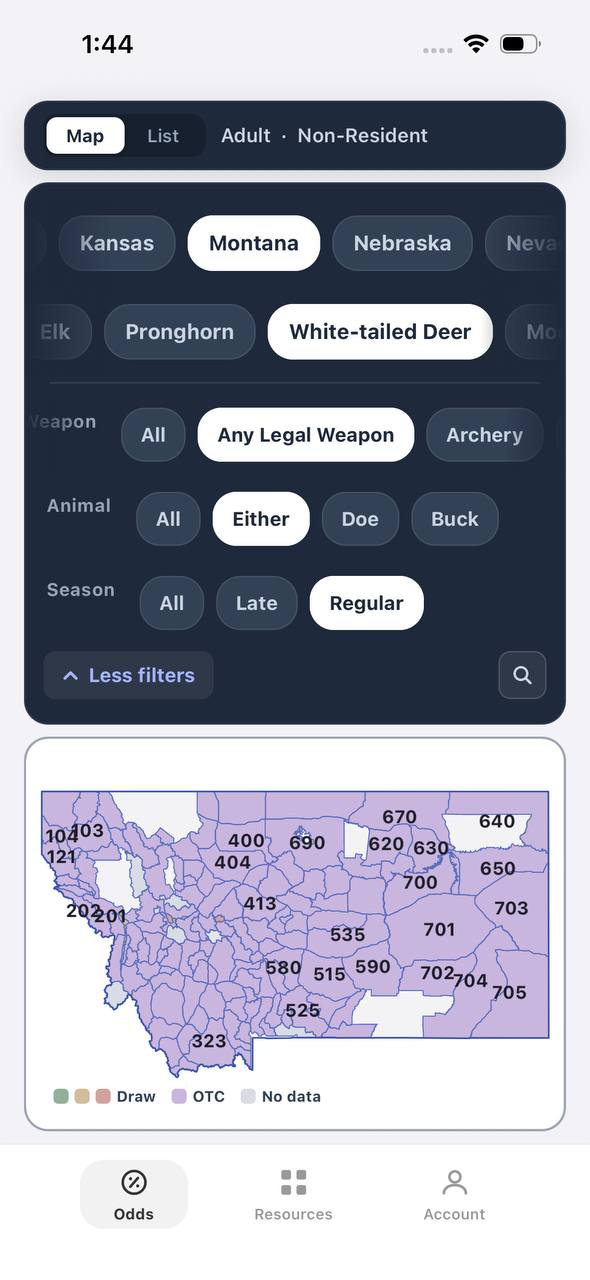
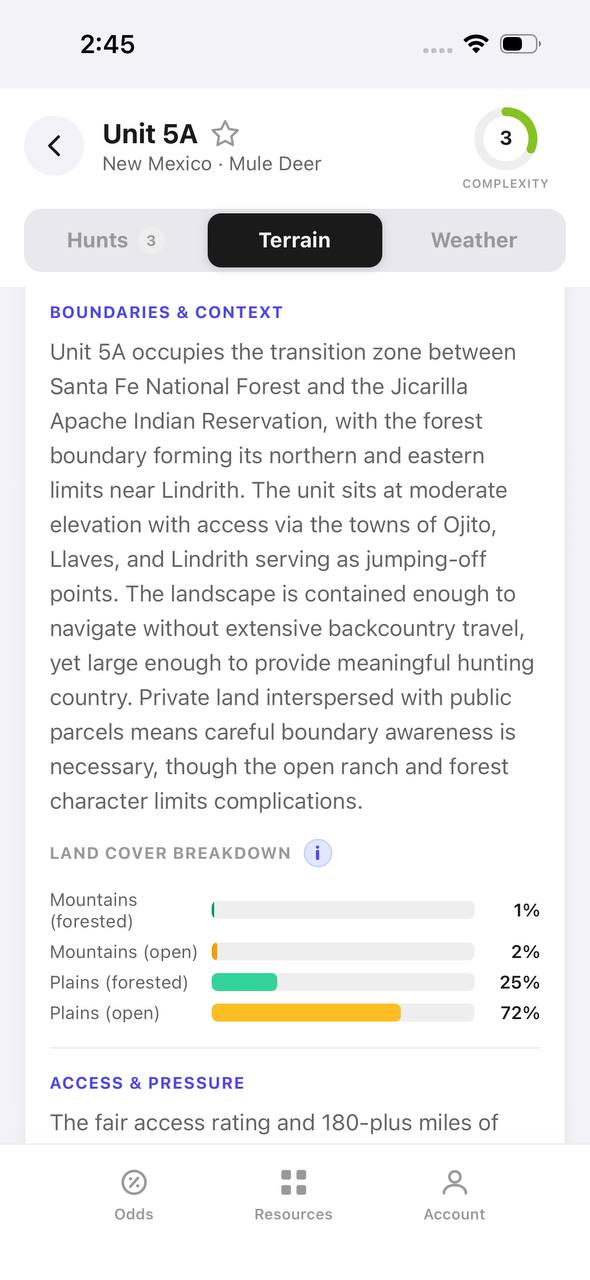
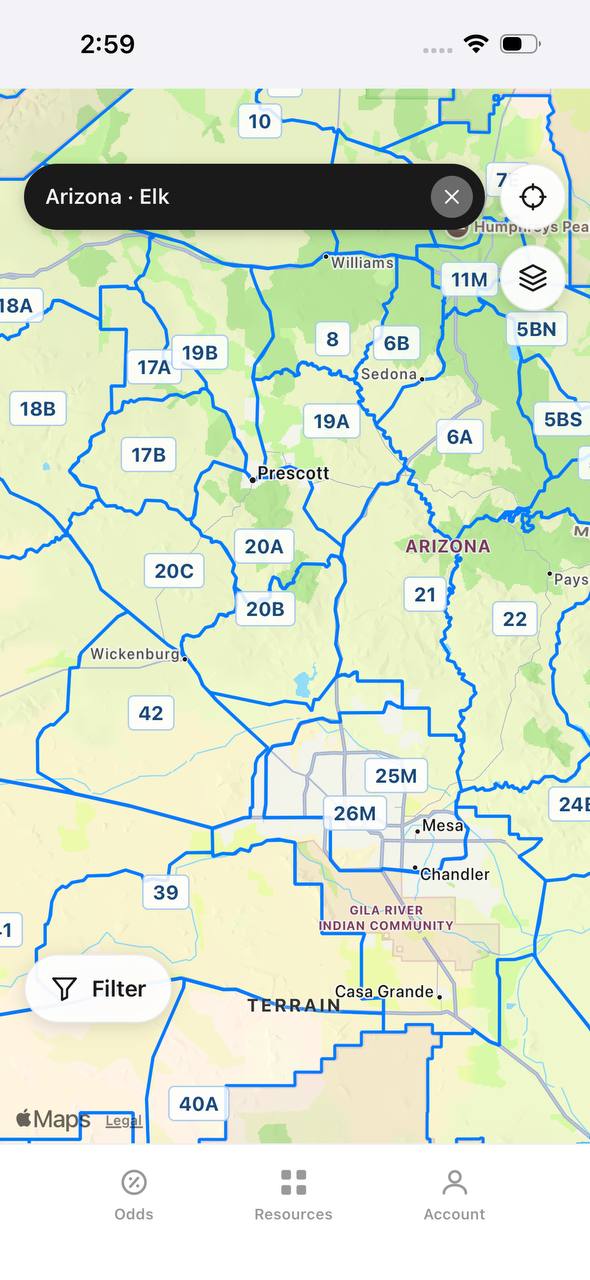
TAGZ unit profiles include terrain breakdowns that show road networks, public land access, and whether units require specialized vehicles. You can filter elk hunts by season, weapon, and unit characteristics, then compare terrain maps side by side to see which units match your vehicle's capabilities. Some units offer glassing knobs within a mile of maintained roads. Others require miles of primitive two-track just to reach trailheads. TAGZ shows you the difference before you burn preference points on a hunt your truck cannot access.
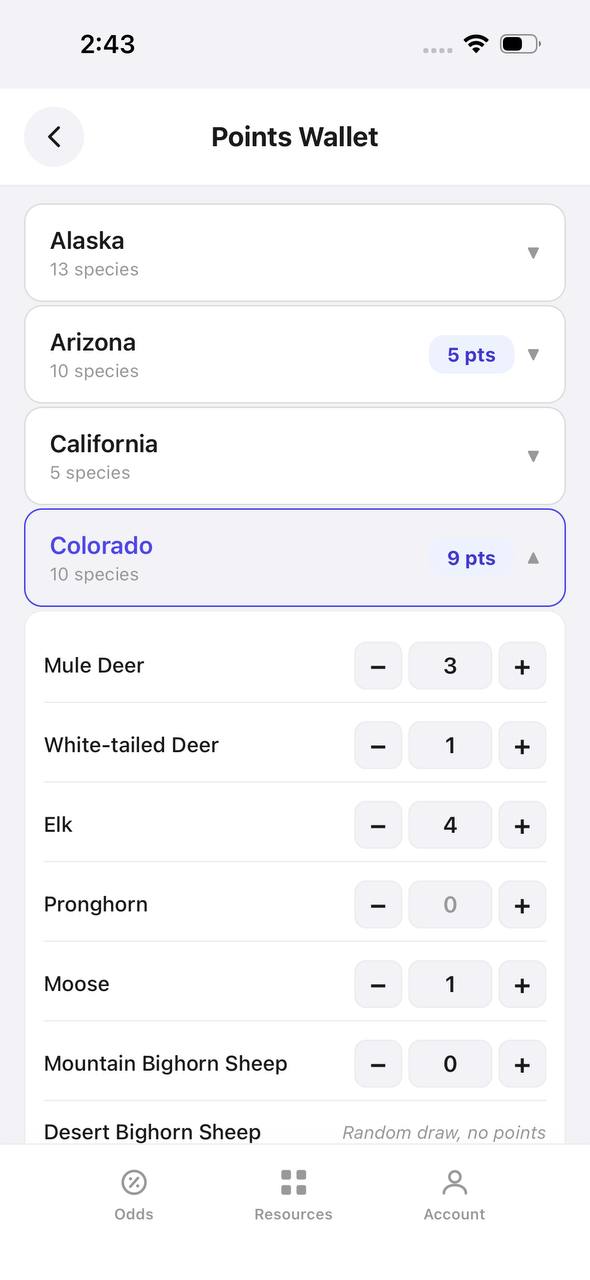
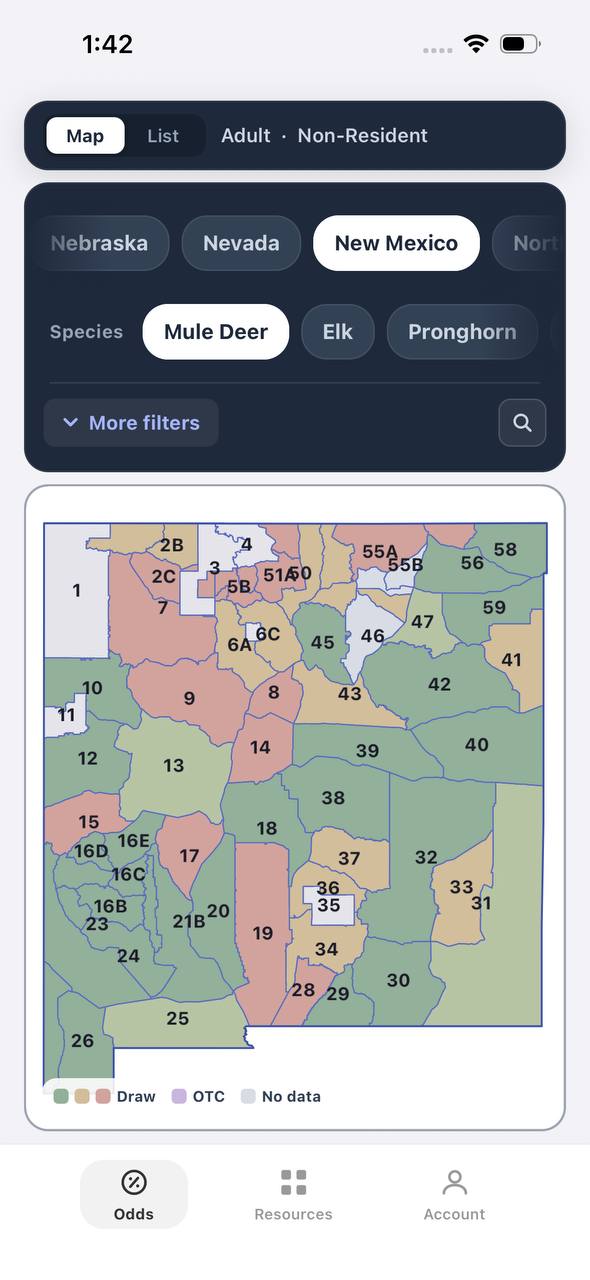
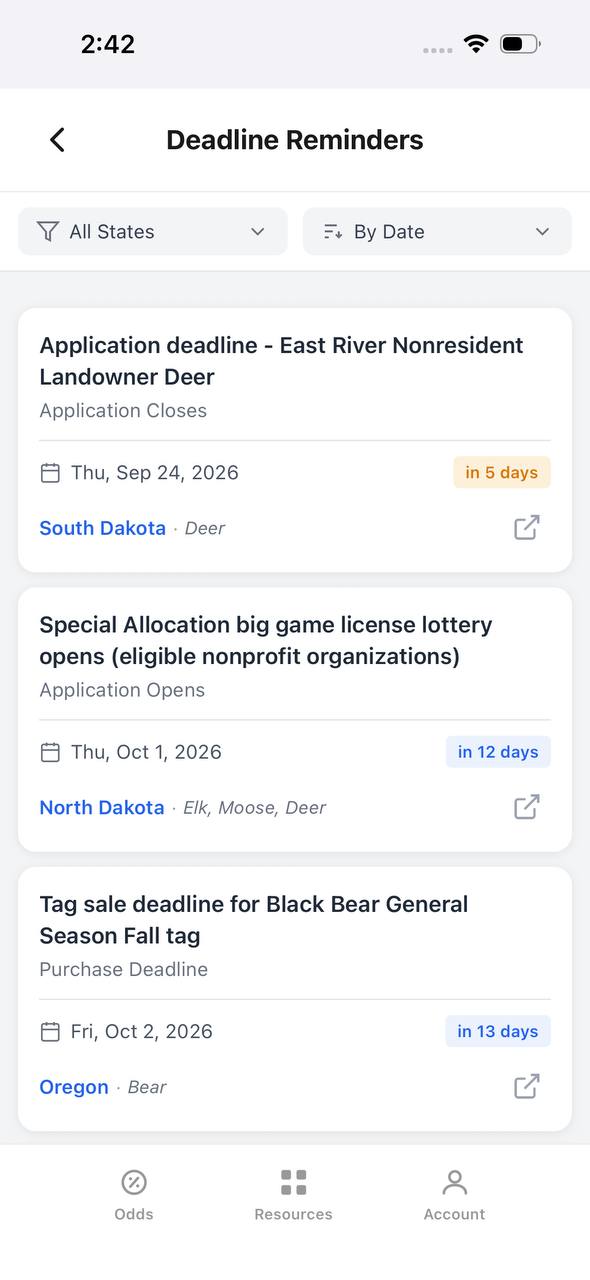
Track your preference points and bonus points across Colorado, Montana, Wyoming, Idaho, and other western states so you never miss a draw deadline. Compare draw odds for units with good road access versus units that require serious backcountry driving. If you are hunting solo and worried about getting stuck, target units with higher hunter density where other rigs travel the same roads. If you want solitude and can handle primitive conditions, filter for units with limited road access and lower draw odds.
TAGZ terrain maps layer unit boundaries, public land, and topography so you can scout access roads before you ever leave home. Identify alternate routes in case your primary access is washed out or gated. Find camping spots near good hunting that do not require driving through drainages that turn to grease after rain.
Whether you are chasing OTC tags in Colorado or planning a trophy limited-entry hunt in Nevada, TAGZ gives you the tools to make smarter decisions before you step into the field. Compare units, track points, and plan hunts with maps and data that show you what you are getting into.
FAQ — Vehicle Recovery and Elk Hunting
What is the most common reason elk hunters get stuck?
Pushing too far into muddy drainages after rain or attempting steep climbs with inadequate tires. Most stuck situations happen because hunters commit to questionable sections without walking them first.
Do I need a winch if I hunt with a partner?
Not necessarily, but a winch gives you self-recovery capability when your partner is stuck too or hunting a different drainage. A quality recovery strap and tow points on both vehicles cover most two-vehicle recoveries.
Should I air down my tires before driving forest roads?
Only when conditions demand it. Air down to 20 PSI for muddy roads or 15 PSI for deep sand. Running low pressure on normal roads overheats tires and increases puncture risk. Carry a portable air compressor to reinflate before hitting pavement.
What is the minimum ground clearance for backcountry elk hunting?
Eight inches handles most maintained forest roads and moderate two-tracks. If your unit has embedded bedrock, deep ruts, or boulder fields, nine to ten inches prevents undercarriage damage. Stock light-duty trucks usually clear eight to nine inches.
Can I hunt remote units without four-wheel-drive?
Some units have paved or well-maintained gravel access that two-wheel-drive handles fine. Most backcountry elk units require four-wheel-drive for primitive roads, drainage crossings, and steep climbs. Check unit road conditions before applying.
How do I know if mud is too deep to drive through?
If you can push a walking stick into mud deeper than your vehicle's ground clearance, do not drive it. Walk the section first and look for boot prints that hold their shape without springing back. That consistency will trap your truck.
Continue Planning Your Hunt
Staying mobile in elk country requires the right equipment, smart decisions, and knowing when to turn around before you are committed. But avoiding stuck situations starts even earlier, during the planning phase when you are choosing which units to apply for.
TAGZ helps you research elk units using terrain maps that show road access, public land boundaries, and topography. Compare units side by side to find hunts that match your vehicle's capabilities. Track your preference points across multiple states and never miss a draw deadline. Whether you are planning your first western elk hunt or adding another state to your rotation, TAGZ gives you the data to make confident decisions.
Explore detailed unit breakdowns, historical draw odds, and hunt filtering tools on the TAGZ Insights page. Ready to simplify your hunt planning and maximize your draw opportunities? Check out TAGZ pricing or dive into the product features that help thousands of western hunters plan smarter hunts every season.
Was this article helpful?
Previous
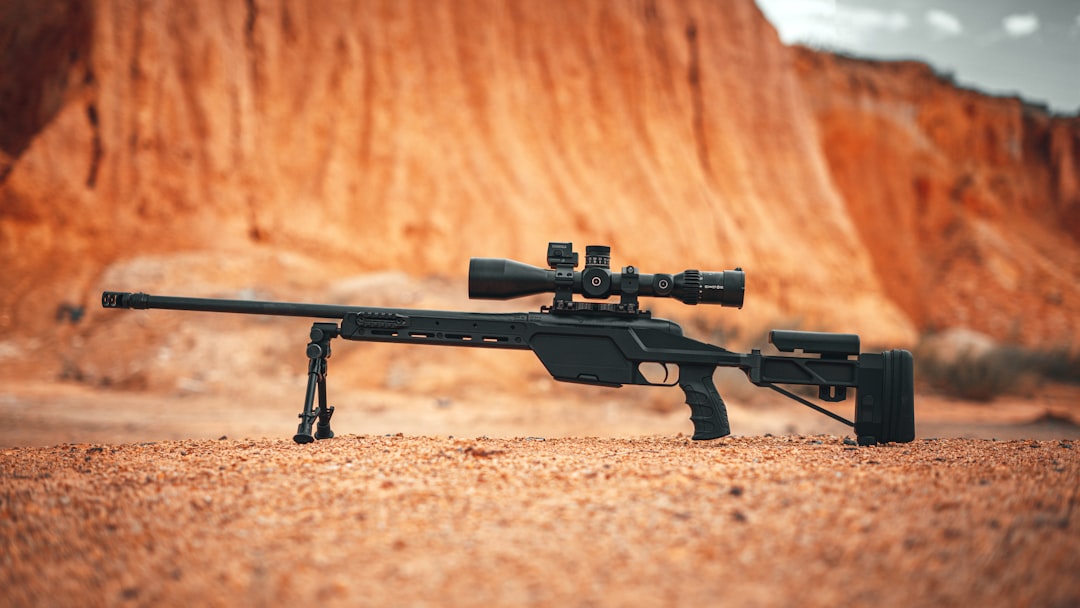
Best Budget Mule Deer Rifles for Western Hunters in 2026
From open sage flats to steep alpine basins, mule deer hunting demands accurate rifles that won't break the bank. This guide covers the top budget-friendly bolt-actions, chamberings, and optics combinations that serious hunters rely on across the West.
Related
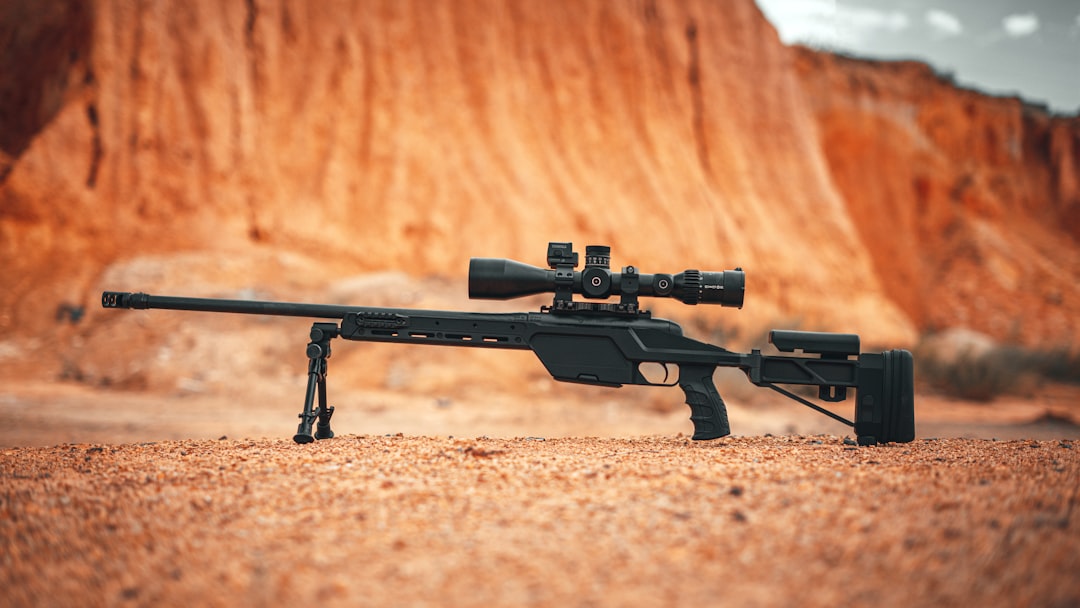
Best Budget Mule Deer Rifles: Top Affordable Picks for Western Hunters
Quality mule deer rifles don't require a $2,000 price tag. We break down the best budget-friendly rifles that deliver accuracy and reliability across Western terrain, from open sage flats to high-elevation timber.
Next
Best Remington 700 Calibers for Elk Hunting: Cartridge Comparisons for Western Mountains
The Remington 700 remains the most popular elk rifle platform among western hunters, but choosing the right caliber matters more than the action. This guide compares proven elk cartridges chambered in the 700, from the .270 Winchester to magnum options, with real-world field performance data.