How to Apply for a Florida Bear Permit: Complete 2025 Guide
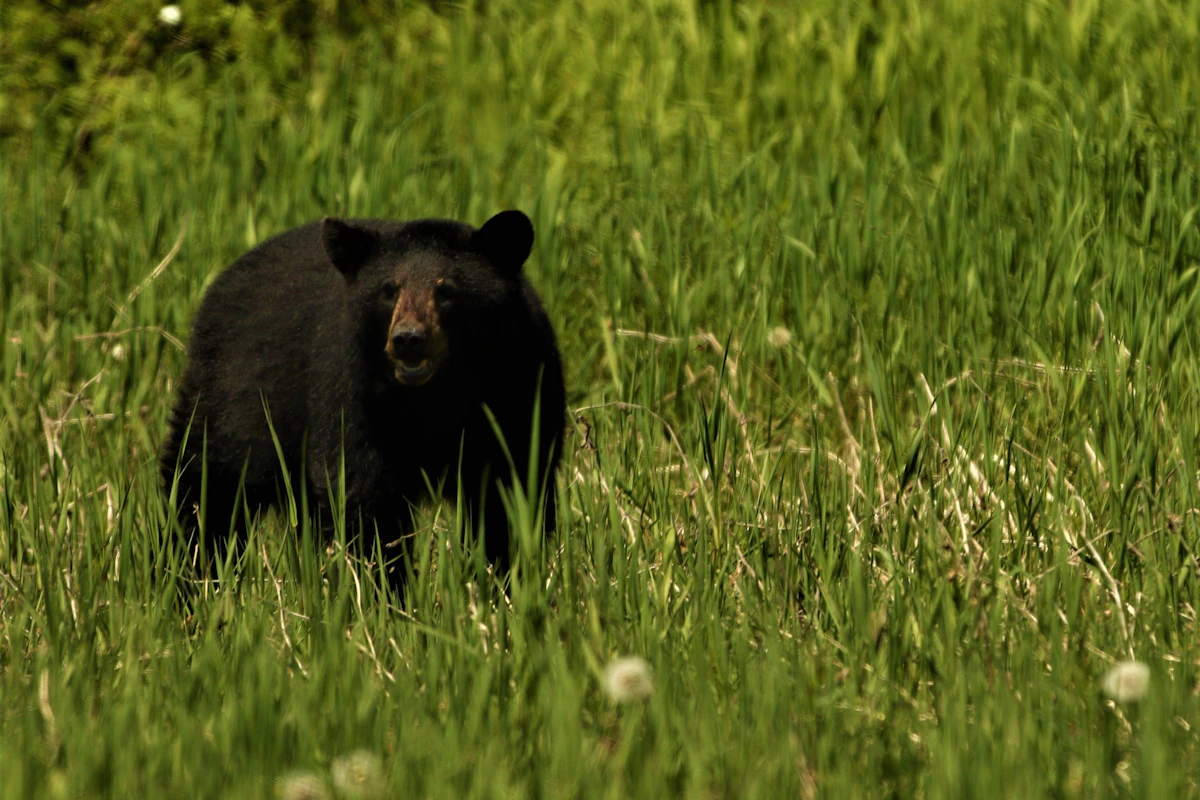
Florida offers one of the few black bear hunting opportunities in the Southeast, but permits are extremely limited and awarded through a lottery system. The state manages bear populations carefully, opening seasons only when harvest goals align with wildlife management objectives. If you want to hunt bears in Florida, understanding the application process and improving your draw odds starts months before the season.
Florida's bear hunting operates differently than Western big-game draws. There are no preference points, no bonus points, and no guaranteed tags. Every applicant enters the lottery on equal footing, and the Florida Fish and Wildlife Conservation Commission (FWC) announces hunt details, application periods, and permit allocations each year based on population surveys and management goals. The most recent bear season in 2015 sold out within hours, and future seasons remain dependent on bear population assessments.
Eligibility Requirements for Florida Bear Permits
To apply for a Florida bear permit, you must meet specific eligibility criteria set by the FWC. First, you need a valid Florida hunting license. Residents and nonresidents can both apply, though permit allocations and fees differ. You must also complete a bear hunting training course before applying. This online course covers bear biology, hunting ethics, shot placement, and field care. The course takes about two hours and costs around twenty dollars.
Applicants must be at least sixteen years old. If you are under eighteen, you need written parental consent to participate in the lottery. The FWC verifies hunter education credentials during the application review, so make sure your certifications are current and linked to your customer number before the deadline.
Criminal convictions related to wildlife violations can disqualify you from the lottery. The FWC reviews each applicant's history, and serious violations within the past five years typically result in rejection. Check your eligibility status before applying to avoid wasting application fees.
Understanding Florida's Bear Management Units
Florida divides bear hunting into four Bear Management Units (BMUs): East Panhandle, Central, South Central, and North. Each BMU has distinct bear densities, habitat types, and harvest quotas. The FWC sets permit numbers for each unit annually based on population estimates and management objectives.
The East Panhandle BMU covers the western portion of the state north of the Suwannee River. This area holds the highest bear densities and typically receives the most permit allocations. Habitat includes pine flatwoods, swamps, and hardwood hammocks. Public land access is good, with national forests and wildlife management areas offering hunt opportunities.
The Central BMU stretches from the Ocala National Forest north through the Osceola National Forest. Bear densities are moderate, and hunters often work creek bottoms, oak ridges, and palmetto thickets. Public land is abundant, but hunting pressure concentrates in accessible areas near roads.
The South Central BMU surrounds Lake Okeechobee and includes parts of Big Cypress National Preserve. This unit has lower bear densities but unique terrain that challenges hunters. Swamps, sawgrass prairies, and dense cypress stands make navigation difficult without local knowledge.
The North BMU covers northeast Florida, including the St. Johns River basin. Bear populations here are growing, and the FWC adjusts quotas accordingly. Habitat varies from river swamps to agricultural edges, and bears often move between public and private lands.
How to Submit Your Florida Bear Permit Application
The FWC opens the bear permit application window several weeks before the lottery draw date. Applications are submitted online through the FWC's licensing portal. You cannot apply by mail or in person. The application fee is nonrefundable, and you pay it when you submit your entry. Check the FWC website in early summer for the current year's application dates, as the bear season does not occur every year.
Log into your FWC account using your customer number and password. If you do not have an account, create one and link your hunting license and certifications. Navigate to the bear permit lottery section and select your preferred BMU. You can only apply for one unit per lottery, so research draw odds and unit characteristics before committing.
After selecting your unit, review your application for errors. Double-check that your contact information is current, your bear hunting training certificate is attached, and your payment method is valid. Submit the application before the deadline. The FWC does not accept late entries or corrections after submission.
You will receive a confirmation email immediately after submitting. Save this email as proof of entry. The FWC conducts the lottery draw after the application period closes, typically within one to two weeks. Draw results are posted online, and successful applicants receive notification by email and can check their status through their FWC account.
Strategies for Improving Your Draw Odds
Florida's bear lottery is a random draw with no point system, so every applicant has an equal chance based purely on the number of permits available versus the number of applicants. However, you can improve your odds by making smart unit choices and understanding application trends.
The East Panhandle BMU typically has the highest number of permits and the most applicants. Draw odds here might range from five to fifteen percent depending on the year and total permit allocation. The Central and North BMUs usually have fewer permits but also attract fewer applicants, which can result in similar or slightly better odds. The South Central BMU often has the lowest permit numbers and the worst draw odds due to limited bear populations and restricted access.
Choosing a unit based solely on draw odds is a mistake if you cannot effectively hunt that terrain. Research each BMU's public land access, habitat types, and local hunting pressure. If you draw a permit for a unit you cannot scout or hunt effectively, you waste the opportunity. Consider applying for a unit with moderate draw odds but better access and habitat that matches your hunting style.
Timing your application within the window does not affect draw odds. The FWC treats all applications equally regardless of submission date, as long as they arrive before the deadline. Focus on submitting a complete, error-free application rather than rushing to be first.
Preparing for Your Florida Bear Hunt After Drawing
If you draw a Florida bear permit, preparation begins immediately. The bear season is short, typically lasting just one or two days, and success depends on preseason scouting and strategy. Start by obtaining detailed maps of your chosen BMU, including public land boundaries, roads, and water sources. TAGZ provides unit maps and terrain breakdowns that help you identify prime bear habitat and access points before you ever visit the area.
Scout your unit at least two to four weeks before the season. Look for bear sign including tracks, scat, claw marks on trees, and feeding areas. Bears in Florida feed heavily on palmetto berries, acorns, and saw palmetto hearts during fall. Identify active feeding zones and travel corridors between bedding areas and food sources.
Florida bear hunting regulations prohibit baiting and using dogs. Most hunters use spot-and-stalk or stand hunting methods. Set up near active feeding areas or along travel routes at dawn and dusk when bears are most active. Shot opportunities often come quickly, so practice shooting from realistic field positions before the hunt.
Harvest reporting is mandatory. If you kill a bear, you must check it in within twenty-four hours at a designated FWC check station. Bring your permit, hunting license, and identification. The FWC collects biological data including age, weight, and gender to inform future management decisions. Failure to check in your bear results in heavy fines and potential loss of future hunting privileges.
Understanding Florida's Bear Season Framework
Florida does not hold a bear season every year. The FWC evaluates bear populations annually and only opens seasons when harvest can be sustained without harming long-term population health. This approach differs from Western states where big-game seasons occur annually with adjusted quotas.
When the FWC does open a bear season, it typically occurs in late October or early November to coincide with peak fall feeding activity. The season length is extremely short, often just two days, and the FWC closes units immediately once harvest quotas are met. During the 2015 season, some units closed within hours of opening because hunters reached quotas faster than anticipated.
Legal weapons for Florida bear hunting include rifles, shotguns, muzzleloaders, and archery equipment. Handguns are legal if they meet minimum caliber and barrel length requirements. Check current FWC regulations for specific weapon restrictions, as they can change between seasons.
Hunters must wear at least five hundred square inches of blaze orange on their head, chest, and back while hunting bears. This requirement applies even on private land. The FWC enforces hunter orange laws strictly, and violations result in citations and fines.
Nonresident Considerations for Florida Bear Hunting
Nonresidents can apply for Florida bear permits, but they face higher application fees and potentially different permit allocations. The FWC reserves a percentage of permits for Florida residents to prioritize local hunters. Nonresident applicants pay the same lottery entry fee but face steeper costs for hunting licenses and permits if drawn.
Nonresident hunters must also complete the bear hunting training course and meet all eligibility requirements. The training course is available online to out-of-state applicants, and certification is valid indefinitely once completed. Factor in travel costs, lodging, and equipment when deciding whether to apply as a nonresident. Florida bear hunting requires significant upfront investment for an uncertain draw and a very short season.
Public land access is equal for residents and nonresidents. Once you draw a permit, you can hunt any legal area within your assigned BMU regardless of residency. However, local knowledge matters more in Florida than in Western states because of the thick vegetation, swamp terrain, and limited scouting time. Hiring a guide is difficult because bear hunting occurs infrequently, and few outfitters maintain bear hunting programs.
Tracking Application Deadlines and Season Announcements
The FWC announces bear hunting opportunities through press releases, website updates, and social media. The agency typically posts season details in early summer if a hunt will occur that fall. Application deadlines fall in late summer or early fall, giving hunters a few weeks to prepare applications and complete required training.
Missing the application deadline means waiting until the next season, which could be several years away. Set calendar reminders for early summer to check the FWC website for bear season announcements. Sign up for FWC email alerts to receive automatic notifications when new hunting seasons are announced.
TAGZ helps hunters track draw deadlines across multiple states, including Florida. While Florida's bear season is unpredictable, TAGZ sends alerts when the FWC opens application periods so you never miss a chance to enter the lottery. This feature is especially useful for hunters managing applications in several states who cannot monitor every wildlife agency website daily.
Using TAGZ to Plan Your Florida Bear Hunt
TAGZ simplifies Florida bear permit applications by centralizing deadlines, unit information, and draw odds in one platform. When the FWC announces a bear season, TAGZ updates application dates and permit numbers immediately. You can compare BMUs side by side using terrain maps, unit boundaries, and public land overlays to identify the best unit for your hunting style and access.
The platform tracks your application status and sends reminders before deadlines. If you draw a permit, TAGZ provides detailed unit maps showing roads, water sources, terrain features, and land ownership. This information helps you scout remotely and plan access routes before visiting the unit in person.
TAGZ also consolidates draw results and harvest statistics from previous Florida bear seasons. While the state does not hold seasons annually, historical data reveals application trends, unit-specific success rates, and harvest distribution across BMUs. This information guides your unit selection strategy and sets realistic expectations for your hunt.
Whether you are chasing OTC tags in Western states or entering Florida's bear lottery, TAGZ gives you the tools to make smarter decisions before you ever step into the field. Track your applications, compare units, and maximize your hunting opportunities with a single platform designed for serious big-game hunters.
FAQ — Florida Bear Permit
How often does Florida hold a bear hunting season?
Florida does not hold bear seasons annually. The FWC opens seasons only when bear populations can sustain harvest without long-term impacts, which happens every few years based on population surveys.
Can I apply for multiple Florida bear permits in one year?
No. You can only apply for one Bear Management Unit per lottery. If you are drawn, you cannot apply again until the next season.
What are the odds of drawing a Florida bear permit?
Draw odds vary by unit and year but typically range from five to fifteen percent. The East Panhandle unit generally has the most permits and applicants, while South Central has the fewest and lowest odds.
Do I need to complete a training course before applying?
Yes. All applicants must complete the FWC's bear hunting training course before submitting a lottery application. The course is available online and costs about twenty dollars.
What happens if I draw a permit but cannot hunt?
Permits are nontransferable and cannot be refunded. If you draw and cannot hunt, the permit goes unused. Plan your schedule carefully before applying.
Can nonresidents apply for Florida bear permits?
Yes. Nonresidents can apply but pay higher fees and compete for a smaller percentage of permits reserved for out-of-state hunters.
How long is Florida's bear season?
The season is extremely short, usually just one or two days. Units close immediately when harvest quotas are met, sometimes within hours of opening.
Is baiting or using dogs allowed for Florida bear hunting?
No. Florida prohibits baiting and using dogs for bear hunting. Hunters must use spot-and-stalk or stand hunting methods.
Continue Planning Your Hunt
Florida's bear lottery offers a unique Southeast hunting opportunity, but success requires careful planning and realistic expectations. Understanding the application process, unit selection strategy, and hunt preparation puts you ahead of most applicants. Whether you are targeting Florida bears or planning hunts across multiple Western states, TAGZ helps you track deadlines, compare units, and maximize your draw odds.
Explore more hunting strategies and application guides on the TAGZ Insights page, where you will find detailed breakdowns of draw systems, unit research, and hunt planning tips for serious big-game hunters. If you are ready to simplify your application season and stop missing deadlines, check out TAGZ pricing to find the plan that fits your hunting goals. From preference point tracking to terrain maps and multi-state deadline alerts, TAGZ is the decision-making platform that takes the guesswork out of Western hunting applications and helps you hunt smarter from application season through the field.
Was this article helpful?
Previous
Best Budget Elk Calls — Proven Options for Under $40
You do not need expensive gear to call in a bull. These budget elk calls under $40 deliver proven performance for bugle tubes, diaphragms, and cow calls without breaking the bank.
Next
Complete Guide to Whitetail Hunting: Strategies, Tactics & Year-Round Planning
Master whitetail hunting with proven strategies for scouting, stand placement, rut tactics, and shot selection. This complete guide covers everything from pre-season preparation to post-season evaluation for consistent success on whitetail deer.