How to Age a Whitetail Buck: Field Techniques Every Hunter Should Know
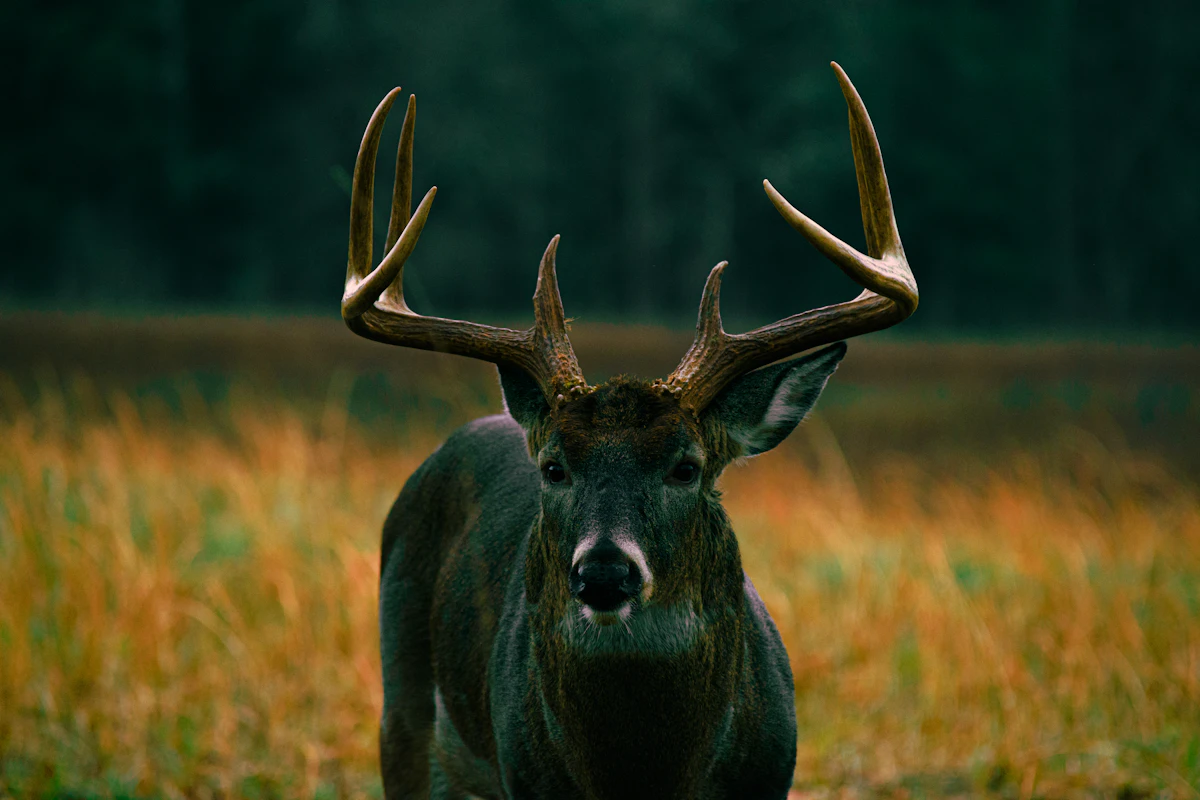
Walk up to any mature whitetail buck and most hunters immediately focus on the antlers. But experienced deer managers look at the entire animal—body proportions, muscle development, facial features, and skeletal structure tell a more complete story than headgear alone. Aging whitetail bucks accurately in the field separates trophy management from random harvest and helps you understand the age structure of the deer herd you are hunting.
Whether you are managing a small property or hunting public land, recognizing the difference between a 2.5-year-old and a 4.5-year-old buck changes how you hunt. Young bucks make mistakes mature deer avoid. Older bucks hold different core areas and respond differently to pressure. Learning to estimate age on the hoof gives you context for every decision you make during the season.
Body Characteristics Are More Reliable Than Antlers
Antlers lie. Genetics, nutrition, and injury create massive variation in antler size at any given age. A well-fed 2.5-year-old on prime Midwestern farmland might carry a 140-inch rack, while a 5.5-year-old in poor habitat struggles to break 120 inches. Body structure tells the truth.
Mature bucks develop a blocky, front-heavy appearance. The chest deepens and becomes barrel-shaped. The neck swells during the rut until it blends seamlessly into the shoulders, creating that classic "no-neck" profile hunters associate with dominant deer. The belly sags and the back often appears slightly swayed under the weight of muscle mass accumulated over multiple seasons.
Yearling bucks (1.5 years old) look like does with antlers. Long-legged and lean, they lack the muscling and bulk that develops in later years. Their necks remain thin year-round and show little swelling even during peak rut. The chest appears narrow when viewed head-on.
2.5-year-old bucks begin to show muscle development but still maintain a rangy, athletic build. The front shoulders start to fill out, but the body retains a somewhat rectangular profile rather than the blocky shape of older deer. During the rut, the neck swells noticeably but still shows clear separation from the shoulders when viewed from the side.
Facial Features Change Dramatically With Age
A whitetail's face transforms as it ages, and these changes remain consistent across different populations. Yearling bucks have a long, slender face with a pointed nose. The eyes appear large relative to head size, creating an alert, almost doe-like expression. The forehead rises at a gentle angle from nose to antler bases.
By 3.5 years, the muzzle broadens and the forehead becomes more pronounced. The face takes on a mature appearance, though it still lacks the heavy, weathered look of truly old deer. The eyes begin to look proportionally smaller as surrounding facial structure develops.
4.5-year-old and older bucks develop a distinctly roman-nosed profile. The bridge of the nose develops a slight downward curve. The jaw becomes heavy and squared off. Deep creases appear around the eyes and muzzle, particularly visible when the deer is alert. The forehead appears wide and flat between the antler bases. These facial characteristics remain consistent even in bucks that never develop large antlers.
Tooth Wear Provides Definitive Age Data
While body and facial features allow for reasonable age estimates on live deer, tooth wear patterns provide the most accurate aging method once you have a harvested animal. Whitetails are born with milk teeth that are gradually replaced by permanent teeth during their first 18 months. After that, age is determined by examining wear patterns on the molars.
The tooth wear and replacement method examines the lower jaw. At 1.5 years, deer have replaced all milk teeth with permanent teeth, but these teeth show minimal wear. The enamel ridges on the grinding surface stand tall and sharp. By 2.5 years, the third molar shows light wear, while the first and second molars display moderate flattening of the cusps.
At 3.5 years, all three molars show distinct wear. The first molar is heavily worn with significant dentine exposure (the darker material beneath the white enamel). The second molar shows moderate wear, and the third molar displays light to moderate wear depending on diet and local soil conditions.
By 5.5 years and beyond, the first molar may be worn nearly flat, with the chewing surface reduced to small islands of enamel surrounded by exposed dentine. The second molar shows heavy wear, and even the third molar—the last to erupt—displays significant flattening. Deer older than 6.5 years can be aged by examining the degree of wear and the specific patterns of enamel remaining, though this requires experience and reference materials.
Antler Development Follows Predictable Patterns
While antlers alone should not determine age, they do follow general developmental patterns that support body-based assessments. Most whitetail bucks produce their largest antlers between 4.5 and 6.5 years of age, assuming adequate nutrition throughout their lives.
Yearling bucks typically grow spikes or small 6 to 8-point racks. The antler bases remain relatively small, usually less than 4 inches in circumference. Tines are short and the overall frame is narrow. Even in exceptional nutrition, yearlings rarely exceed 100 inches of antler.
2.5-year-old bucks show significant antler growth over their yearling rack. Most develop 8 points with moderate tine length and beam mass. The antlers begin to develop the characteristic shape and configuration that will define that individual's rack architecture for life. Main beams extend well beyond the ears, and G2 tines (the first point off the main beam) begin to develop respectable length.
3.5-year-old bucks typically carry their most impressive-looking rack relative to body size because antler growth peaks while body development continues. Many bucks reach 8 to 10 points with good mass and tine length. However, the antler bases still appear proportionally small compared to the neck and shoulder development of truly mature deer.
4.5-year-old and older bucks develop heavy antler bases, often exceeding 5 inches in circumference. Mass extends throughout the main beam, creating that thick, mature appearance hunters associate with older deer. Tine length may continue increasing through age 5.5 or 6.5, though genetics play a larger role than age at this point.
Seasonal Timing Affects Age Assessment
Buck appearance changes dramatically throughout the year, complicating age estimation. During summer, bucks carry sleek coats and well-defined muscle structure. The neck remains relatively thin even on mature deer. Early fall brings transitional pelage as summer coats shed in favor of heavier winter fur.
The rut transforms buck appearance. Mature bucks swell their necks to nearly twice their off-season diameter. The shoulders and chest expand. Intense breeding activity causes rapid weight loss, creating that gaunt, battle-hardened look on the oldest bucks. Younger deer show neck swelling but maintain better body condition through the rut.
By late season, the rut takes a visible toll on mature bucks. Heavy deer entering November may appear emaciated by January, particularly in northern regions where harsh winters compound breeding stress. Younger bucks recover body condition faster and often appear healthier than truly mature deer during late winter.
Practice in the Field Builds Accuracy
Age estimation improves with repetition. Trail camera photos allow you to study individual bucks over time and track their physical development year to year. Pay particular attention to bucks you observe as yearlings—following their growth through multiple seasons calibrates your eye for body characteristics at each age class.
When you harvest a buck, take time to examine the jawbone and compare tooth wear to published aging guides. Note how the deer's body structure matched your pre-shot age estimate. Over time, you will develop an intuitive sense for the subtle differences between age classes.
Many states and wildlife agencies offer workshops where you can practice aging deer using known-age specimens. These hands-on sessions with biologists compress years of learning into a single afternoon and provide immediate feedback on your assessments.
Common Age Estimation Mistakes
Most hunters overestimate the age of young bucks and underestimate the age of mature deer that never develop large antlers. A 2.5-year-old 8-pointer in prime habitat looks impressive, but it is still a young deer with several years of growth remaining. Conversely, a 5.5-year-old buck from poor habitat may carry only a mediocre 8-point frame, but its body reveals its true age.
Viewing angle creates errors. A broadside view allows accurate assessment of body depth, leg length, and the relationship between chest and hindquarters. A head-on or quartering-away view obscures these proportions. Wait for the right angle before making age-based harvest decisions.
Excitement clouds judgment. The appearance of any decent buck triggers adrenaline that interferes with objective assessment. Experienced hunters pause and consciously evaluate the deer against specific criteria: Does the belly sag? Does the neck blend into the shoulders? How deep is the chest relative to leg length? This systematic approach counteracts the natural impulse to shoot first and assess later.
How Age Affects Hunting Strategy
Yearling and 2.5-year-old bucks make predictable mistakes. They move during daylight more frequently, respond aggressively to calling and rattling, and often travel with other young bucks. They bed in obvious locations and follow the same trails repeatedly.
3.5-year-old bucks begin showing mature behavior but still make occasional errors. They respond to hunting pressure but may not completely abandon an area. They travel more at night but still move during low-light periods. They investigate doe groups during the rut but with less recklessness than younger deer.
4.5-year-old and older bucks become largely nocturnal in pressured areas. They bed in isolated cover with multiple escape routes. They approach doe groups from downwind and often stage at a distance until after dark. They rarely respond to calling or rattling unless the timing and setup are perfect. Hunting mature bucks requires understanding core areas, transition zones, and the timing of doe estrus rather than attempting to intercept random movement.
Why Age Matters for Management
Properties managed for mature bucks require passing young deer year after year. Without accurate age estimation, you cannot make informed decisions about which bucks to harvest and which to protect. A management program that targets 3.5-year-old and older bucks requires identifying and passing 1.5 and 2.5-year-old deer, regardless of antler size.
Age structure also reveals hunting pressure and population dynamics. A herd dominated by yearling and 2.5-year-old bucks indicates heavy harvest pressure or high natural mortality. Seeing multiple mature bucks suggests light harvest, adequate habitat, or both. Understanding the age structure of your hunting area shapes realistic expectations and appropriate management goals.
Even on public land where you cannot control overall harvest, aging bucks helps you understand what you are hunting. Repeatedly encountering only young deer suggests you need to hunt deeper, hunt different timing, or target areas with less pressure. Seeing mature bucks validates your hunting strategy and indicates you are in areas other hunters overlook.
FAQ — Aging Whitetail Bucks
Can you accurately age a buck by counting antler points?
No. Antler points reflect genetics and nutrition more than age. A 2.5-year-old buck on excellent range may grow 10 points, while a 5.5-year-old in poor habitat carries only 8. Body characteristics provide far more reliable age indicators.
What is the most common age of harvested bucks?
Most bucks harvested across North America are 1.5 or 2.5 years old. In heavily hunted areas, fewer than 10 percent of bucks reach 3.5 years, and mature 4.5-year-old or older bucks represent less than 5 percent of the harvest.
How old does a buck need to be to reach its antler potential?
Most bucks produce their largest antlers between 4.5 and 6.5 years of age, with peak antler growth typically occurring at 5.5 years. Genetics and nutrition affect this timeline, but very few bucks reach maximum antler size before age 4.5.
Is tooth wear aging accurate for all whitetails?
Tooth wear aging is highly accurate through age 5.5. Beyond that, individual variation increases due to differences in diet, browse type, and soil characteristics. Deer feeding heavily on agricultural crops show slower tooth wear than deer consuming coarse browse in rocky terrain.
How can you tell a 3.5-year-old from a 4.5-year-old buck in the field?
The difference is subtle. Both appear mature, but 4.5-year-old bucks show heavier shoulders, a deeper chest, and a more pronounced belly sag. The neck swells thicker during the rut and the face appears more weathered. Side-by-side comparison over multiple seasons calibrates your eye for these distinctions.
Does a buck's body size indicate its age better than antlers?
Yes. Body proportions—particularly the relationship between leg length, chest depth, and neck diameter—provide more consistent age indicators than antlers. A mature body with small antlers is an old deer. A young body with large antlers is still a young deer.
Was this article helpful?
Previous
Best Clothing for Whitetail Hunters: Field-Tested Gear That Works
The right clothing system keeps whitetail hunters comfortable, quiet, and concealed from September through December. This guide covers base layers, insulation, outer shells, and scent control across early-season bowhunts and late-season gun hunts.
Next
Best Compound Bows for Elk Hunting in 2025
Choosing the right compound bow for elk hunting requires balancing draw weight, axle-to-axle length, and shootability. This guide breaks down the top performers for backcountry and treestand hunters, plus the specs that matter most when hunting North America's toughest big game.