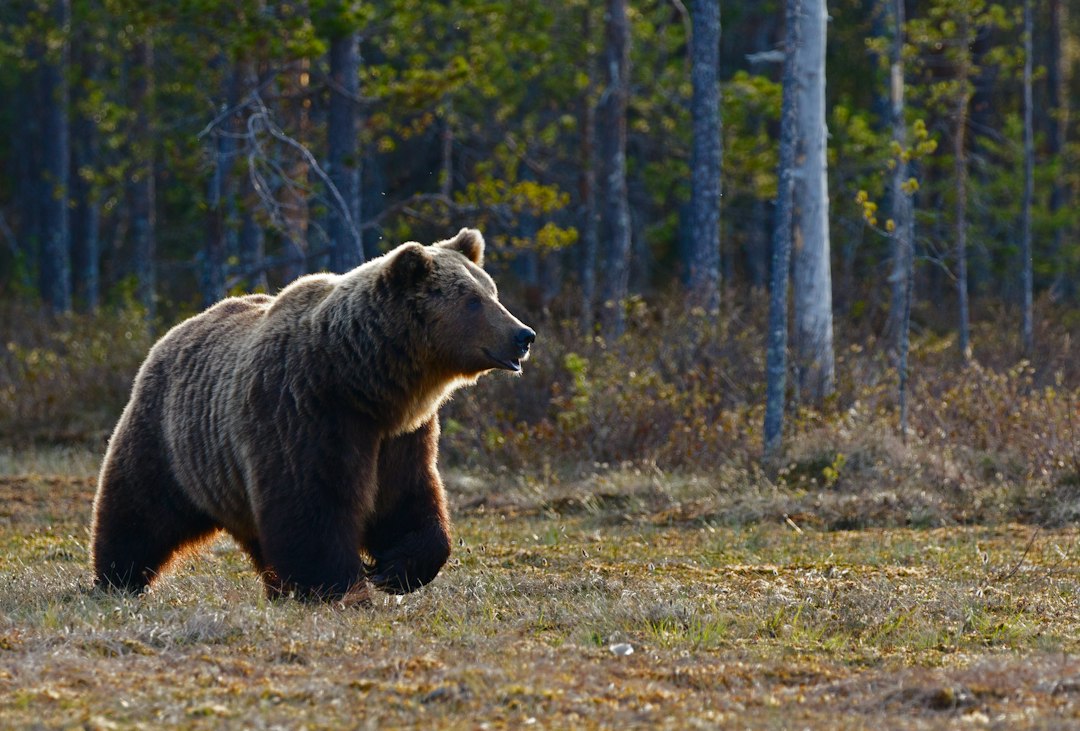
Grizzly bear hunting in the United States is not legally available for the 2027 season in any Lower 48 state. Federal Endangered Species Act protections remain in place for grizzly populations in the Greater Yellowstone Ecosystem, Northern Continental Divide, and other recovery zones. Alaska allows limited grizzly hunting in certain areas, but harvest regulations are subject to ongoing changes based on population management. No commercial guided hunts for grizzly bears can be legally booked for 2027 in Montana, Wyoming, Idaho, or Washington.
Legal Status of Grizzly Hunting in the Lower 48
Grizzly bears remain listed as threatened under the Endangered Species Act across their range in the contiguous United States. Multiple attempts to delist populations and establish state-managed hunting seasons have been blocked by federal courts. Montana, Wyoming, and Idaho have proposed frameworks for limited trophy hunts in the past, but none have been implemented. The most recent delisting effort for the Greater Yellowstone population was vacated in 2018, and no new delisting decisions are expected before 2027. Hunters cannot legally pursue grizzlies in any Lower 48 state regardless of willingness to pay.
Tribal members may hunt grizzly bears under treaty rights in certain circumstances, but these opportunities are not available to the general public. Conservation hunting, where hunters pay to remove problem bears under agency supervision, does not exist for grizzlies. Any advertisement offering grizzly hunts in Montana, Wyoming, or Idaho should be considered fraudulent.
Alaska Grizzly Bear Hunting Regulations
Alaska allows grizzly bear hunting in most Game Management Units, though specific seasons, bag limits, and methods vary by area. The Alaska Department of Fish and Game manages grizzly populations as a game species separate from federal Endangered Species Act protections that apply in the Lower 48. Nonresident hunters must be accompanied by a licensed guide or a resident relative within the second degree of kindred when hunting brown or grizzly bears. Resident hunters may hunt grizzlies without a guide in most units.
Drawing tags are not required for most Alaska grizzly hunts. Hunters purchase a hunting license and bear tag, then hunt during open seasons in their chosen unit. Some units have registration permit requirements or restricted harvest quotas that close the season once met. The Alaska Department of Fish and Game annually publishes season dates and bag limits in the official hunting regulations, which should be consulted for the current year.
Guided grizzly hunts in Alaska typically cost between $15,000 and $30,000 depending on unit, season length, hunt style, and success rates. Spring hunts often cost less than fall hunts due to lower trophy quality and challenging weather. Fly-in wilderness hunts command premium prices. Hunters should budget an additional $1,500 to $3,000 for licenses, tags, taxidermy deposits, meat processing, and tips. These cost estimates are based on 2024-2026 industry averages and are not guaranteed for 2027.
Why Grizzly Hunts Are Unavailable in Most States
Grizzly bear populations in the Lower 48 collapsed during the 19th and early 20th centuries due to unregulated killing, habitat loss, and predator control programs. By 1975, fewer than 1,000 grizzlies remained in the contiguous United States, concentrated in northwestern Montana and the Greater Yellowstone area. Federal protections under the Endangered Species Act allowed populations to recover slowly over five decades. Current estimates place the Greater Yellowstone population around 1,000 bears and the Northern Continental Divide population around 1,100 bears.
State wildlife agencies in Montana and Wyoming have argued that recovered populations could sustain limited hunting seasons similar to those managed for black bears. Federal courts have rejected these arguments, citing concerns about genetic isolation, habitat fragmentation, and long-term population viability. Environmental groups successfully challenged delisting rules in 2007, 2009, and 2018. Until federal protections are removed and state management plans are approved, grizzly hunting remains prohibited regardless of population size.
The political and legal landscape surrounding grizzly delisting remains contentious. Conservation organizations, tribal governments, and hunting advocacy groups hold divergent positions on whether populations have sufficiently recovered. No clear timeline exists for when or whether grizzly hunting might resume in the Lower 48.
Black Bear Hunting as an Alternative
Black bears are legally hunted across most western states and offer challenging spot-and-stalk or baiting opportunities similar to grizzly hunting tactics. Montana, Wyoming, Idaho, Colorado, and Washington all have robust black bear seasons with over-the-counter or draw opportunities. Black bear hunts cost significantly less than Alaska grizzly hunts, with guided packages ranging from $2,500 to $6,000 depending on location and method.
Black bears inhabit many of the same mountain ranges, river corridors, and forest ecosystems as grizzlies. Hunters interested in bear behavior, tracking, and fair-chase pursuit can develop skills that would transfer directly to grizzly hunting if seasons ever open. Spring hunts coincide with post-hibernation feeding activity. Fall hunts target pre-denning bears at peak body condition.


Free to join
Download mobile app
- Detailed draw odds
- Point tracking
- Deadline reminders
- 19 states covered





Free to join
Download mobile app
- Detailed draw odds
- Point tracking
- Deadline reminders
- 19 states covered






Free to join
Download mobile app
- Detailed draw odds
- Point tracking
- Deadline reminders
- 19 states covered

What to Watch for Future Grizzly Seasons
Hunters interested in eventually pursuing grizzlies in the Lower 48 should monitor federal delisting decisions and state wildlife commission proposals. The U.S. Fish and Wildlife Service periodically reviews the status of grizzly populations and publishes findings in the Federal Register. Montana Fish, Wildlife & Parks, Wyoming Game and Fish, and Idaho Department of Fish and Game all maintain grizzly management plans that would take effect if federal protections are lifted.
If hunting seasons are eventually authorized, they will likely resemble closely controlled limited-entry draws with very low tag quotas. Montana's proposed 2018 season would have issued fewer than 25 tags across the state. Preference points or bonus points may apply depending on the draw system each state adopts. Early participation in state draw systems for other species can position hunters to apply immediately when grizzly tags become available.
Alaska remains the only state where grizzly hunting is consistently available. Hunters willing to invest in a guided Alaska hunt can pursue grizzlies legally without waiting for Lower 48 policy changes. Booking 12 to 18 months in advance is standard for quality grizzly outfitters. Deposits typically range from $2,500 to $7,500 depending on the outfitter and hunt package.
FAQ — Grizzly Bear Hunting Costs
Can I legally hunt grizzly bears in Montana or Wyoming in 2027?
No. Grizzly bears remain protected under the Endangered Species Act in all Lower 48 states. No legal grizzly hunting seasons are available in Montana, Wyoming, Idaho, or Washington for 2027.
How much does a guided grizzly hunt cost in Alaska?
Guided Alaska grizzly hunts typically cost between $15,000 and $30,000 depending on the unit, season, and hunt style. Nonresidents must hunt with a licensed guide or eligible resident relative.
Are there any states where I can hunt grizzly bears without a draw?
Alaska allows grizzly hunting in most Game Management Units without drawing a tag. Hunters purchase a license and bear tag, then hunt during open seasons. Some units have registration permits or quota closures.
What is the cheapest way to hunt a grizzly bear?
There is no legal low-cost grizzly hunt available. Alaska guided hunts start around $15,000 for nonresidents. Black bear hunting in western states offers a more affordable alternative with similar tactics and terrain.
Will grizzly hunting ever be legal again in the Lower 48?
Possibly, but no timeline exists. Federal delisting and state management plans must be approved before any Lower 48 grizzly seasons can open. Legal challenges have blocked previous attempts, and the political environment remains contested.
Do I need a preference point to hunt grizzly bears?
No preference points currently exist for grizzly bears. Alaska does not use a draw system for most grizzly hunts. If Lower 48 states eventually open seasons, they may implement limited-entry draws with preference or bonus point systems at that time.
Was this article helpful?
Previous
Best Florida WMAs for Bear Hunting in 2027
Florida's bear zones offer unique subtropical hunting opportunities across diverse WMAs. Central and North zones consistently produce the most harvest, with Ocala National Forest, Apalachicola, and Osceola leading success rates.
Related
Rifle Elk Hunting Utah: Draw Strategies, Unit Selection, and Season Timing
Utah rifle elk hunting offers general and limited-entry opportunities across diverse terrain. Drawing a premium limited-entry tag requires years of patience, but general-season any-bull units and spike hunts provide accessible fall options for nonresidents and first-time applicants.
Next
Public Land Elk Hunting in Montana: 2027 Guide to Units, Access, and Strategies
Montana offers over 90,000 square miles of public land for elk hunting, with general licenses available for nonresidents and residents. This guide covers top units, access strategies, and what to expect in 2027.