Public Land Elk Hunting in Montana: 2027 Guide to Units, Access, and Strategies
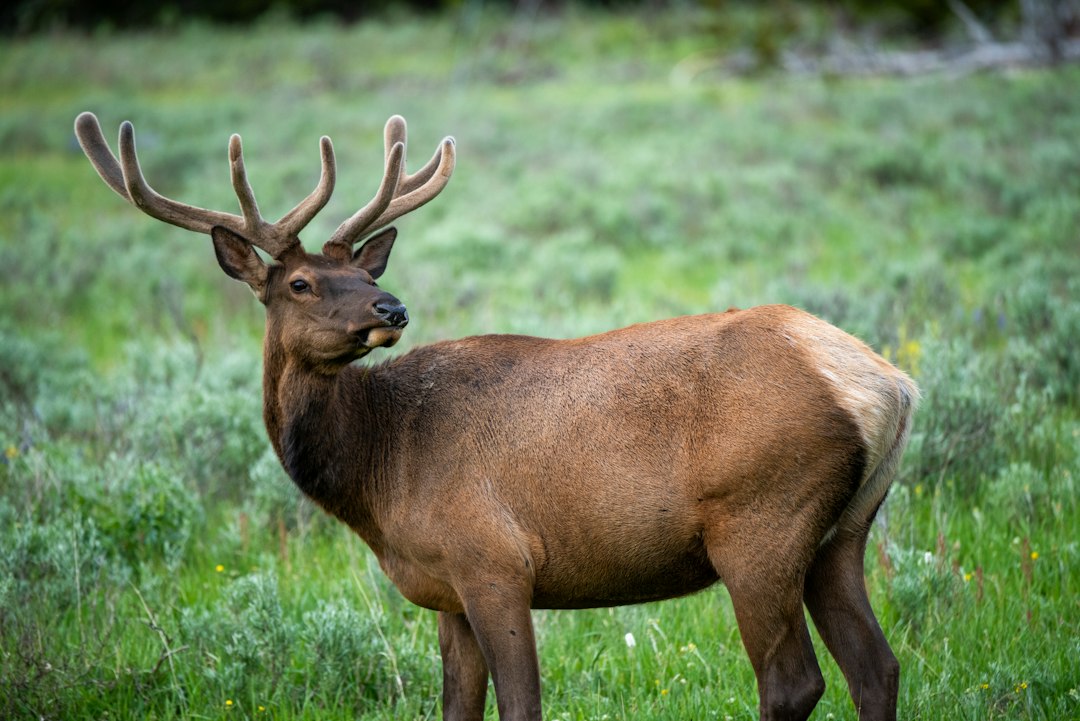
Montana holds the largest elk population in the United States and provides hunters with extraordinary public-land access. With over 30 million acres of public land — including national forests, BLM holdings, and state trust lands — Montana is built for the DIY elk hunter. General elk licenses allow both residents and nonresidents to hunt many units without entering a draw, though some limited-entry permits offer access to premier areas. Understanding Montana's unit structure, license types, and terrain will position you for success in 2027.
Montana's General Elk License System
Montana divides the state into hunting districts (HDs), and most are open to general elk license holders. Residents purchase an elk license over the counter. Nonresidents must apply for the Big Game Combo, which includes elk and deer. The combo is allocated through a preference-point draw, but odds remain favorable — most applicants with one or two points draw successfully. Once you hold a combo, you can hunt general elk districts without further applications. Limited-entry permits, issued through a separate random draw, unlock special districts with controlled quotas and often better bull-to-cow ratios.
Top Public Land Elk Units for 2027
Several districts consistently produce opportunities on accessible public land. District 380 in the Gravelly Range offers high elk numbers, expansive Forest Service ground, and minimal vehicle traffic once you hike beyond trailheads. Districts 300 and 302 in the Bob Marshall Wilderness Complex provide true backcountry hunting with low pressure, though access requires packstock or long hikes. District 270 in the Elkhorn Mountains sits closer to civilization but still holds huntable elk populations on a mix of Helena-Lewis and Clark National Forest and scattered BLM parcels. District 103 in the Snowcrest Range southeast of Dillon combines open sage slopes with timbered drainages and sees moderate hunting pressure during rifle season.
Weapon Seasons and Public Land Pressure
Montana's archery season opens in early September and runs through the third week of the month, coinciding with the elk rut. Pressure is lightest during this window, and bulls are vocal. The general rifle season spans five weeks from late October through Thanksgiving, with opening weekend drawing the largest crowds. Many hunters concentrate near roads and established camps. If you can hike two miles from a trailhead or push into roadless blocks, encounter rates with other hunters drop significantly. Some districts also offer a December late season focused on cow harvest in areas with over-objective populations.
Access Strategies and Land Ownership
Public land in Montana is interspersed with private ranches, particularly in valley bottoms. OnX or similar mapping tools are essential. Many national forest trailheads provide entry into large contiguous blocks, but be prepared for elevation gain — most elk country sits between 6,000 and 9,000 feet. BLM parcels in central and eastern Montana can be landlocked, requiring a landowner-access program or creative route planning. Montana's Block Management Program pays private landowners to allow public hunting access, adding thousands of acres to your options. Some Block Management Areas border national forest, creating hybrid access opportunities.
Scout Before the Season
Elk move between summer range and fall staging areas as weather shifts. A unit that looks empty in August may hold elk by mid-September after they migrate down from alpine basins. If possible, scout in late August or the week before your hunt. Glass open parks at dawn and dusk, and look for fresh sign along trails and in wallows. Elk often bed on north-facing slopes with thick timber during midday. Identify multiple zones — if one area receives unexpected pressure, you can shift without wasting days.
Terrain and Weather Considerations
Montana's public land spans dramatic terrain. Western units feature steep mountain ranges with dense lodgepole and Douglas fir. Central Montana includes forested mountains transitioning to prairie foothills. Eastern breaks contain ponderosa pine ridges and juniper draws. Early-season archery hunts may encounter warm weather and dry conditions, requiring hunters to focus on water sources. By rifle season, snow is common above 7,000 feet, and temperatures can swing from 50°F during the day to below zero at night. Plan for layered clothing, a reliable shelter, and the ability to pack meat several miles.


Free to join
Download mobile app
- Detailed draw odds
- Point tracking
- Deadline reminders
- 19 states covered





Free to join
Download mobile app
- Detailed draw odds
- Point tracking
- Deadline reminders
- 19 states covered






Free to join
Download mobile app
- Detailed draw odds
- Point tracking
- Deadline reminders
- 19 states covered

Draw Tags vs. General Licenses
General elk licenses allow you to hunt across numerous districts without applying for a specific permit. This flexibility is ideal for hunters who want to adjust plans based on weather, access conditions, or scouting reports. Limited-entry permits restrict you to a single district but often come with better bull age class and lower hunter density. Popular limited-entry districts like 380-20 (Gravelly archery) or 300-20 (Bob Marshall backcountry) may require multiple years of applying to draw. If you are new to Montana or value mobility, start with a general license and scout multiple units before committing to a draw tag.
Nonresident Application Timeline
Nonresident Big Game Combo applications open in late February and close in late March. Montana uses a preference-point system: each year you apply without drawing, you gain a point. Points do not guarantee a tag but increase your odds. First-time applicants should still apply — many draw with zero or one point. The draw results are announced in early May, giving successful applicants five months to plan logistics, secure tags, and arrange time off. If you do not draw the combo, you cannot purchase a general elk license as a nonresident.
Calling and Rut Tactics on Public Ground
September archery hunts coincide with the elk rut, when bulls are most responsive to calling. Public land elk often experience pressure from multiple hunters running aggressive call sequences. Tone down your approach: use soft cow calls to locate elk, then set up quietly and let the bull commit. Heavily hunted areas may hold bulls that have been called in and bumped repeatedly, making them wary of anything that sounds like a hunter. Focus on less-accessible terrain where elk feel secure. Midday stillhunting through dark timber can intercept bedded bulls that go silent after morning bugles.
Pack-In vs. Day Hunts
Montana's vast public land allows both strategies. Day hunts from a truck camp work well in districts with good road networks and shorter hikes to productive zones. Units like 270 or 103 lend themselves to this approach. Pack-in hunts using horses, llamas, or backpacking gear open wilderness areas like the Bob Marshall, Absaroka-Beartooth, or Selway-Bitterroot. Spending three to five days in the backcountry removes you from road hunters and positions you near elk that see minimal pressure. Pack-in hunts require more planning, fitness, and gear but often deliver better shot opportunities.
Field Care and Meat Retrieval
An adult elk yields 200 to 300 pounds of boned-out meat. If you hunt solo or with a partner, plan for multiple pack trips or use game bags and hang the meat in shade while you shuttle loads. Montana allows hunters to leave gut piles and quarters unattended overnight as long as all edible meat is salvaged within a reasonable time. Carry extra game bags, paracord, and a lightweight tarp. In warm weather, prioritize cooling the meat — quarter the animal, remove meat from bone, and hang bags off the ground with airflow. Many Montana units are bear habitat; take precautions and do not leave meat unattended longer than necessary.
Understanding Montana's Elk Populations
Montana manages elk at the hunting-district level, with population objectives set for each unit. Some districts are over objective, triggering extended cow seasons, antlerless permits, or shoulder seasons designed to reduce numbers. Other districts are under objective due to predation, habitat loss, or hunter harvest. The Montana Fish, Wildlife & Parks website publishes annual harvest statistics and population estimates. Reviewing these reports helps you identify units with healthy populations and favorable bull-to-cow ratios. Districts with higher bull ratios often correlate with limited-entry permits, but some general units still produce mature bulls in remote drainages.
Resident vs. Nonresident Considerations
Residents purchase elk licenses over the counter and can hunt general districts without applying. Nonresidents face the combo draw but enjoy the same general-unit access once they hold a license. Nonresident hunters should budget for the combo cost (around $1,000 total for deer and elk combined, subject to annual adjustments) plus preference-point fees if they plan to build points for future years. Nonresident caps exist for limited-entry permits (10% of permits in most districts), but general licenses are available to all combo holders. Residents pay significantly less but face the same terrain, weather, and elk behavior.
FAQ — Montana Public Land Elk Hunting
Can nonresidents hunt Montana elk on public land without preference points?
Yes. Nonresidents apply for the Big Game Combo, which typically requires one or two preference points to draw. Once you hold the combo, you can hunt general elk districts on public land without further applications.
What are the best public land units for first-time Montana elk hunters?
Districts 380, 270, and 103 offer accessible public land, good elk numbers, and manageable terrain for hunters new to Montana. These units allow general license holders and have multiple entry points.
Is it possible to hunt Montana elk without a horse or llama?
Yes. Many general districts have trailhead access within day-hiking distance of productive elk habitat. Backpack hunters willing to cover two to four miles can reach quality zones without packstock.
When should I apply for Montana's Big Game Combo?
Applications open in late February and close in late March. Draw results are announced in early May. Apply early in the window to ensure your application is processed.
Do I need a special permit to hunt the Bob Marshall Wilderness?
No. The Bob Marshall is open to general elk license holders, though some limited-entry permits exist for specific districts within the complex. Access requires backpacking or packstock due to wilderness designation prohibiting motorized travel.
Are Montana's over-the-counter elk hunts worth the effort?
Yes. Montana's general elk districts provide legitimate opportunities on public land, especially for hunters willing to hike beyond road access. Success rates vary by unit, season, and hunter effort, but the combination of vast public acreage and huntable elk populations makes Montana a top DIY destination.
Was this article helpful?
Previous
Rifle Elk Hunting Utah: Draw Strategies, Unit Selection, and Season Timing
Utah rifle elk hunting offers general and limited-entry opportunities across diverse terrain. Drawing a premium limited-entry tag requires years of patience, but general-season any-bull units and spike hunts provide accessible fall options for nonresidents and first-time applicants.
Related
California Guided Roosevelt Elk Hunts 2027: Tags & Outfitters
California offers Roosevelt elk hunting through a lottery draw system with tags valid statewide on public and private land. Guided hunts provide access to prime coastal habitat where these massive elk thrive.

Next
Best Florida WMAs for Bear Hunting in 2027
Florida's bear zones offer unique subtropical hunting opportunities across diverse WMAs. Central and North zones consistently produce the most harvest, with Ocala National Forest, Apalachicola, and Osceola leading success rates.