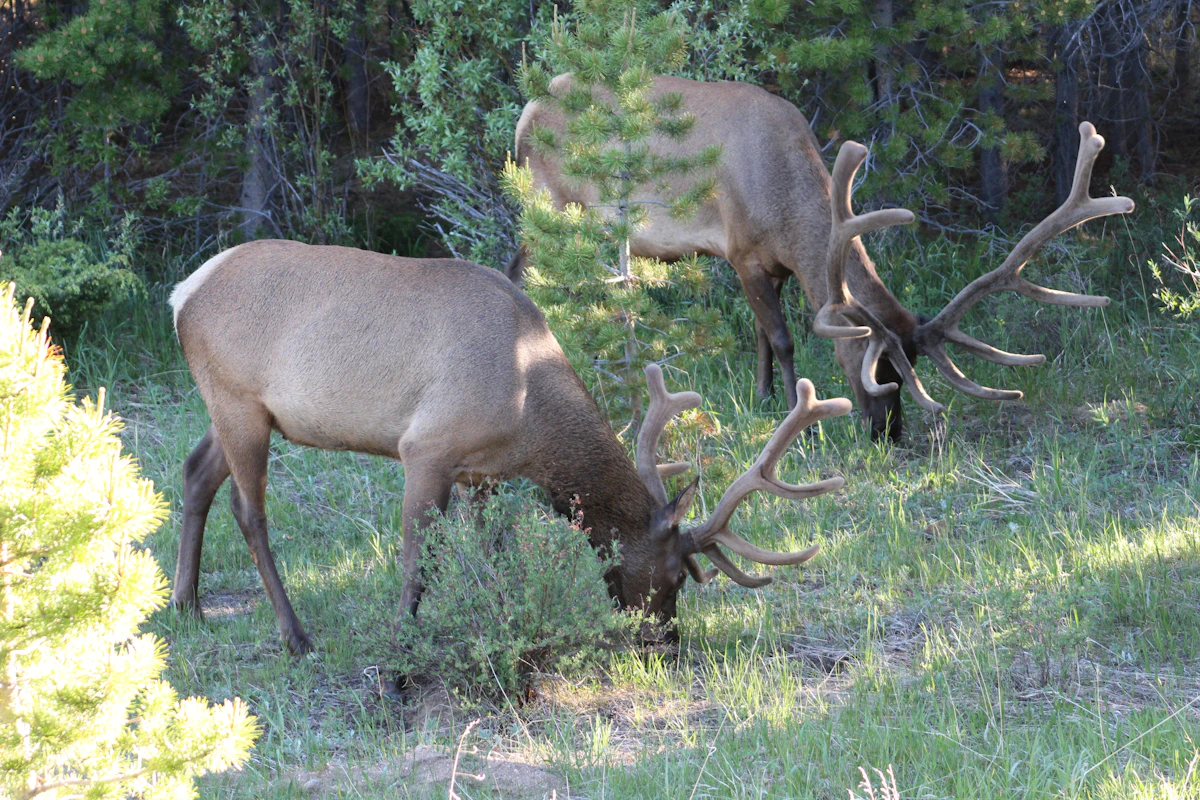
Complete Beginner's Guide to Elk Calling — Master the Basics
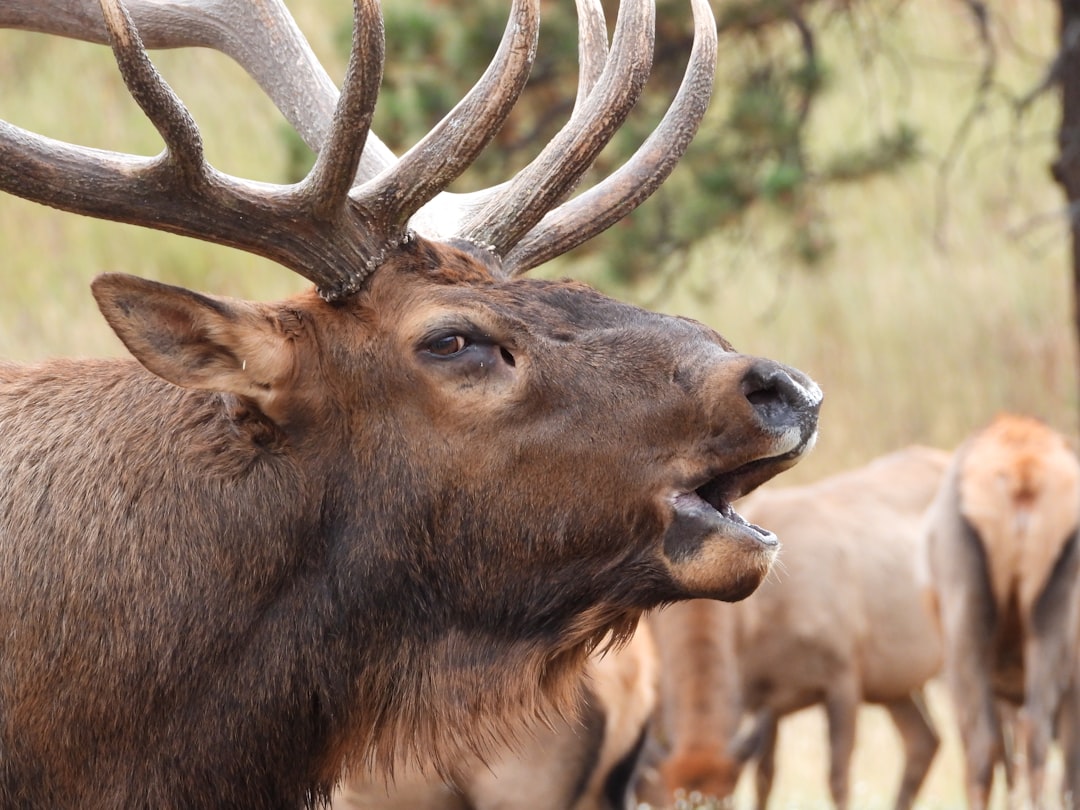
Elk calling separates frustrated hunters from successful ones. A well-timed bugle or soft cow call can bring a screaming bull across a canyon, but poor calling technique sends elk running the other direction. This guide walks you through the fundamental elk sounds, when to use each call, and the setup strategies that matter most during September and October hunts.
Elk communicate constantly during the rut. Bulls bugle to claim territory and challenge rivals. Cows mew to locate the herd and signal receptiveness. Calves chirp to stay connected to their mothers. Learning to mimic these sounds effectively requires understanding both the mechanics of your calls and the behavioral context behind each vocalization.
Understanding Elk Vocalizations
Elk make dozens of distinct sounds, but beginners should focus on three core vocalizations that work in most hunting situations.
The bugle is the iconic elk sound — a high-pitched scream that starts low, climbs to a piercing note, and often ends with grunts or chuckles. Mature bulls bugle to advertise dominance and warn competitors away from their cows. Younger bulls bugle too, but their calls sound higher and thinner. You will use bugles to locate bulls, challenge them, or fake the presence of a rival that needs to be confronted.
Cow calls are softer, social sounds that keep the herd connected. A basic mew is a single-note chirp that cows use constantly. Estrus calls sound similar but stretch longer and sound more urgent. These calls work because bulls instinctively investigate cows that might be ready to breed. Cow calls are less intimidating than bugles and often work better on pressured bulls that have learned to avoid aggressive challenges.
Location bugles are long-range calls designed to make a bull answer and reveal his position. These are your scouting tools before you commit to a setup. Hunters typically use location bugles at dawn, midday, and dusk to find active bulls before moving closer.
Choosing Your First Elk Calls
You do not need an arsenal of calls to kill your first bull. Start with two or three proven tools and learn them thoroughly before adding complexity.
A diaphragm call sits on the roof of your mouth and produces bugles, cow calls, and everything in between. Diaphragms leave your hands free for your bow or rifle and allow you to call while an elk is close without extra movement. The learning curve is steep — expect your first attempts to sound terrible — but diaphragms are the most versatile option once you develop the technique. Buy a variety pack with different reed cuts so you can experiment with thickness and tone.
An external bugle tube amplifies your voice and adds resonance to bugles. These tubes attach to a diaphragm or work as standalone calls. They project sound farther than a diaphragm alone, making them ideal for location bugles across big country. The downside is bulk and movement — pulling out a bugle tube when a bull is 40 yards away usually ends the encounter.
Cow call reeds or open-reed calls produce mews and chirps without the difficulty of a diaphragm. These calls are beginner-friendly and effective. Hunters who struggle with diaphragms often rely on external cow calls exclusively and still call in plenty of bulls. If you are starting out, pair a simple cow call with a bugle tube and you have everything you need for most situations.
When to Call During the Rut
Timing matters as much as technique. Calling during the wrong phase of the rut or at the wrong time of day wastes energy and educates elk.
The pre-rut begins in late August when bulls start sparring and testing their voices. Calling works during this phase, but bulls are less aggressive and more cautious. Focus on soft cow calls and avoid over-calling. Bulls are curious but not frantic yet.
The peak rut typically runs from mid-September through the third week of September in most Western states. Bulls are vocal, aggressive, and willing to abandon cows to investigate a challenge. This is when bugles work best. You can call aggressively, cut off bulls mid-bugle, and push their territorial instincts. Peak rut is the easiest time to call in a bull, but it is also when hunting pressure is highest.
The post-rut begins when most cows have been bred and bulls are exhausted. Calling still works, but bulls are more selective. They respond better to cow calls than bugles and often come in silently instead of bugling back. Patience and soft calling produce results during this phase.
Time of day also dictates calling strategy. Dawn and dusk are peak activity windows when bulls bugle naturally and respond most reliably. Midday calling can work when bulls are bedded, but you need to move slowly and call sparingly. Bumping a bedded bull rarely ends well.
Setting Up for a Calling Sequence
Calling is only half the equation. Setup determines whether a bull walks into bow range or hangs up 100 yards away.
Always set up with the wind in your favor. Elk live by their noses. A bull can hear your call from a mile away, but one whiff of human scent and the encounter is over. Position yourself so the wind blows from the direction you expect the bull to approach toward you and your partner if you are hunting with a caller.
Use terrain to funnel elk into shooting range. Set up on the downwind side of a ridge, saddle, or opening where a bull will naturally travel. Avoid calling from wide-open meadows where elk can see long distances and spot your setup. Timber edges, small clearings, and terrain breaks give you cover and force elk to commit before they see you.
If you are hunting with a partner, the shooter should position 20 to 40 yards downwind or off to the side of the caller. Bulls often circle downwind to scent-check the source of the call. A shooter positioned slightly off-axis intercepts bulls that try to cheat the wind. The caller can also use bugles and cow calls to manipulate the bull's approach angle and steer him toward the shooter.
Basic Calling Sequences That Work
Elk calling is a conversation, not a monologue. Listen to the bull's response and adjust your strategy based on his behavior.
Start with a location bugle to find a bull. If he answers, wait five to ten minutes, move 100 to 200 yards closer, and set up. Call again with a softer bugle or a cow call to confirm his interest. If he bugles back immediately and sounds closer, he is coming. Stay quiet and let him close the distance. If he bugles but does not move, he may be with cows and reluctant to leave. Switch to cow calls to mimic a smaller herd and pull him away from his group.
If a bull goes silent after your first call, he may be coming in quietly. Wait at least 15 minutes before calling again. Many bulls, especially mature ones, approach silently to avoid alerting rivals. Calling too much during this phase pushes them away.
Cow calling sequences work when bugles fail. Start with a few soft mews, wait two to three minutes, and repeat. Add urgency with longer estrus calls if the bull answers but hangs up. Mixing cow calls with occasional chuckles or grunts mimics a herd and sounds more natural than repetitive single notes.
If a bull bugles aggressively and rapidly closes the distance, get ready. He is looking for a fight. Some hunters go silent at this point and let the bull search for the intruder. Others use aggressive bugles and raking sounds to intensify the challenge. Both strategies work depending on the bull's personality and how pressured the area is.
Common Elk Calling Mistakes
Most beginners make the same errors. Avoid these pitfalls and your success rate will climb.
Over-calling is the biggest mistake. New hunters call constantly because they are nervous or impatient. Elk do not bugle every 30 seconds in real life. Call once, wait, and listen. If a bull does not answer immediately, give him time to cover ground before you call again. Silence is a tactic, not a failure.
Calling from a bad setup wastes opportunities. If you call from a spot where the wind is wrong, the cover is poor, or the shooting lanes are blocked, even a responsive bull will not commit. Take the time to position yourself correctly before you make a sound.
Ignoring body language and vocal cues from the bull leads to blown encounters. If a bull bugles once and then goes silent, he may be sneaking in. If he bugles repeatedly without moving closer, he is likely holding cows and wants you to come to him. If he sounds like he is leaving, you can chase him with aggressive calling or let him go and set up in a different location.
Using the wrong call at the wrong time confuses elk. Bugles work during the peak rut but can backfire during the pre-rut or post-rut when bulls are less aggressive. Cow calls are safer in pressured areas but may not provoke a response from a rutted-up herd bull. Read the situation and match your call to the bull's mood.
Calling too loud too soon is another common error. Start soft, especially when you are close to a bull. You can always increase volume, but you cannot undo a call that sounded unnatural or too aggressive. Bulls that have been called to by other hunters recognize poor technique and avoid it.
Practice Before the Hunt
Elk calling is a skill that improves with repetition. Waiting until opening day to figure out your diaphragm call is a recipe for frustration.
Practice in your truck, at home, or while scouting during summer. Focus on consistency, tone, and breath control. Record yourself and compare your calls to real elk vocalizations. Diaphragms require muscle memory — your tongue position, air pressure, and jaw shape all affect the sound. Expect several weeks of practice before your calls sound realistic.
Learn to make multiple sounds with the same call. A good diaphragm can produce bugles, cow calls, chuckles, and grunts. Being able to switch between sounds without fumbling for a different call keeps you ready when a bull appears.
Practice calling sequences, not just individual notes. Simulate a real encounter by calling, waiting, calling again, and adjusting based on imaginary bull responses. This mental rehearsal prepares you for the chaos of a live situation when a bull is screaming 200 yards away and your heart is pounding.
Using TAGZ to Plan Elk Hunts Around Calling Opportunities
Elk calling works best in units where bull-to-cow ratios are healthy and hunting pressure is manageable. TAGZ helps you identify those units before you burn points or commit to a tag.
Compare draw odds across multiple states to find tags that match your point totals and hunting goals. Units with good bull-to-cow ratios and limited hunter density give you more responsive bulls and less call-shy behavior. TAGZ terrain maps show you elevation, timber density, and access points so you can plan setups in areas where elk naturally funnel during the rut.
Track your preference points and bonus points across all Western states so you never miss a draw deadline or waste points on a subpar unit. Whether you are chasing an OTC Colorado tag or planning a trophy limited-entry hunt in New Mexico, TAGZ gives you the tools to make smarter decisions before you ever step into the field. Filter units by weapon type, season dates, and historical success rates to find hunts that align with peak rut timing and calling tactics.
FAQ — Elk Calling
What is the easiest elk call for beginners?
An external cow call or open-reed call is the easiest to learn and produces realistic mews and chirps without the difficulty of a diaphragm. Pair it with a bugle tube for location bugles and you have a functional setup.
When should I start calling during elk season?
Start calling during the pre-rut in late August, but expect the best results during the peak rut from mid-September through the third week of September. Bulls are most vocal and aggressive during this window.
How often should I call when trying to locate a bull?
Call once, wait five to ten minutes, and listen. If no bull answers, move 200 to 300 yards and call again. Over-calling from the same spot educates elk and reduces your chances of a response.
Can I call in a bull without a bugle?
Yes. Cow calls alone are highly effective, especially on pressured bulls that avoid aggressive bugles. Many experienced hunters rely almost exclusively on cow calls during the entire season.
What should I do if a bull bugles back but won't come closer?
He is likely holding cows. Switch to cow calls to mimic a small herd and pull him away from his group. If that fails, move closer and set up again, or wait until later in the day when he may be more mobile.
How close should I let a bull get before I stop calling?
Stop calling when a bull is inside 100 yards and clearly committed. Many bulls circle downwind to scent-check, so go silent and let him close the final distance. Calling when he is that close often spooks him.
Continue Planning Your Hunt
Elk calling is one part of a successful hunt strategy. The other part is choosing the right unit, understanding draw odds, and timing your application to maximize your chances of drawing a tag.
TAGZ helps you compare units side by side using terrain maps, unit boundaries, and historical draw data. Track your preference points and bonus points across multiple states so you never miss a draw deadline. Whether you are chasing OTC tags or planning a trophy limited-entry hunt, TAGZ gives you the tools to make smarter decisions before you ever step into the field.
Explore more elk hunting strategies and unit breakdowns on the TAGZ Insights page, or sign up to start planning your next hunt with real data and expert tools built specifically for Western big-game hunters.
Was this article helpful?
Previous
Best Crossbows for Whitetail Deer Hunting in 2025
Choosing the right crossbow can make or break your whitetail season. This guide breaks down the top crossbows for different hunting styles, budgets, and state regulations, helping you find the perfect setup for treestand, ground blind, or spot-and-stalk hunting.
Next
How Professional Guides Find Bulls Fast — Proven Elk Scouting Methods
Professional elk guides use terrain analysis, glassing grids, and bedding area patterns to locate bulls in hours, not days. Learn the systematic approach that separates productive scouting from aimless wandering.