How Big Do Florida Alligators Get? Size Records and What Hunters Should Know
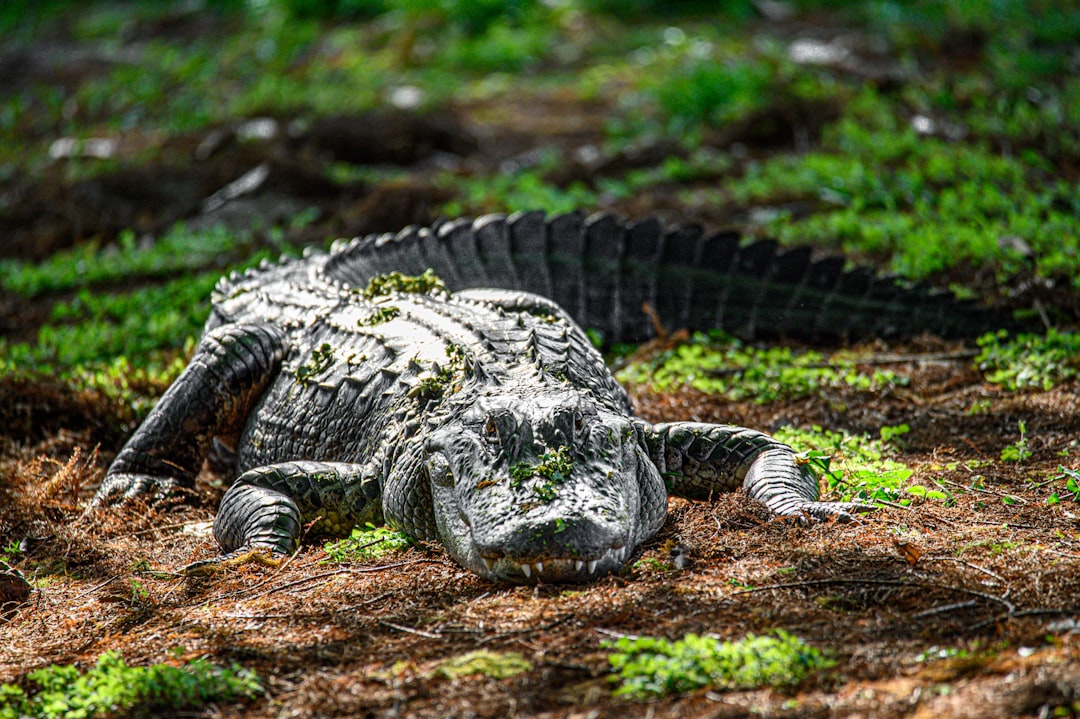
Florida holds more alligators than any other state — roughly 1.3 million animals distributed across rivers, lakes, swamps, and even suburban retention ponds. If you are planning an alligator hunt or simply curious about the size potential of these prehistoric reptiles, understanding their growth patterns and record dimensions gives you a clearer picture of what to expect in the field.
Most adult male alligators in Florida measure between 10 and 12 feet, while females rarely exceed 9 feet. The difference is significant. A 12-foot bull might weigh 500–600 pounds, whereas an 8-foot female typically weighs 200–250 pounds. Trophy-class bulls — those pushing 13 feet or longer — are uncommon but not mythical. They exist in specific habitats where food is abundant, hunting pressure is low, and the gator has survived long enough to reach peak size.
Average Size by Sex and Age
Male alligators grow faster and larger than females. By age 10, a male typically reaches 8 feet, while a female of the same age measures closer to 6–7 feet. Males continue growing throughout their lives, though the rate slows significantly after age 20. A 30-year-old bull might measure 11–12 feet, while a 40-year-old bull could approach 13 feet if conditions are ideal.
Females stop growing earlier, usually plateauing around 8–9 feet by age 20–25. This size dimorphism is rooted in reproductive strategy. Males compete for territory and mates, so larger size provides a competitive advantage. Females invest energy in egg production rather than continued growth.
Hunters targeting trophy gators should focus on males. A 10-foot gator is a solid harvest, but bulls over 12 feet represent the upper tier. These animals are typically found in deeper rivers, large lakes, and remote swamps where human disturbance is minimal and prey populations support sustained growth.
Florida's Largest Alligators on Record
The largest alligator ever documented in Florida measured 14 feet 3.5 inches and was harvested in Lake Washington in 2019. That animal weighed 654 pounds — lighter than expected for its length, likely due to age-related muscle loss. The heaviest Florida gator on record weighed 1,043 pounds and measured 13 feet 10.5 inches, taken from Orange Lake in 1989.
These records illustrate an important point: length and weight do not always correlate perfectly. A 13-foot gator in peak condition might outweigh a 14-foot gator that is older and leaner. Body girth, diet, and health all influence mass. When hunters measure their harvest, length is the standard metric, but weight often surprises — both high and low.
Historically, there are unverified reports of 15-foot and even 17-foot alligators in Florida, but these lack documentation. Before regulated hunting resumed in 1988, poaching and habitat loss likely eliminated most of the largest bulls. Today's population includes more trophy-class animals than it did 30 years ago, thanks to conservation efforts and controlled harvest quotas.
Growth Rates and Lifespan
Alligators grow quickly in their first decade, then slow down considerably. A hatchling measures about 8 inches at birth. By age 1, it might reach 2 feet. By age 5, 4–5 feet. By age 10, 8–9 feet if male. After that, growth becomes incremental — perhaps 6–12 inches per year for large males, even less for older bulls.
Lifespan in the wild is difficult to measure, but biologists estimate that large bulls can live 40–50 years, possibly longer. Captive alligators have reached 60–70 years, but wild animals face predation pressure as juveniles, disease, territorial conflicts, and now regulated hunting. The oldest gators in any population are also the largest, but they are rare.
Water temperature, prey availability, and genetics all influence growth. Gators in southern Florida, where water stays warmer year-round, may grow slightly faster than those in northern parts of the state. Access to fish, turtles, and wading birds also matters. A gator in a nutrient-rich lake with abundant prey will outgrow one in a marginal pond.
Where Trophy-Class Gators Live
If you are chasing a 12-foot-plus alligator, certain Florida waters consistently produce larger animals. Lake Okeechobee, the Everglades, Lake Jesup, Lake George, and the St. Johns River system all hold populations of mature bulls. These habitats offer deep water, cover, and ample food.
Lake Jesup, near Orlando, is notorious for high alligator density — some estimates suggest more than 13,000 gators in a 16-square-mile lake. With that concentration, competition for territory is intense, and dominant bulls tend to be large. The Everglades and Big Cypress Swamp provide remote, low-pressure environments where gators can grow undisturbed for decades.
Public land hunters often target wildlife management areas with established gator populations. Private ranches and reservoirs also produce trophy bulls, but access requires permission or purchasing harvest rights through Florida's Statewide Alligator Harvest Program. Scouting before the season helps identify promising areas. Look for slide marks, tracks, and basking sites that indicate the presence of large animals.
Free to join
Download mobile app
- Detailed draw odds
- Point tracking
- Deadline reminders
- 18 states covered

Free to join
Download mobile app
- Detailed draw odds
- Point tracking
- Deadline reminders
- 18 states covered
Free to join
Download mobile app
- Detailed draw odds
- Point tracking
- Deadline reminders
- 18 states covered
Size and Hunting Strategy
Hunting a 12-foot alligator is different from harvesting an 8-footer. Larger gators are stronger, more cautious, and harder to bring to the boat. They require heavier tackle, larger harpoons, and a solid understanding of safe handling techniques. A 600-pound bull can thrash violently when brought alongside, and mistakes can sink a boat or injure hunters.
Most Florida gator hunters use baited lines set at dusk, then return after dark to dispatch any hooked animals. Regulations require the use of a bang stick or firearm to humanely kill the gator before bringing it aboard. Targeting larger bulls means using stronger line — 200-pound test or better — and reinforced harpoons that can penetrate thick hide and hold under extreme strain.
Spotting is another method. Hunters cruise shallow water at night with a spotlight, looking for the red eyeshine of gators. Larger bulls often hold in deeper channels or along undercut banks, away from boat traffic. Once spotted, the hunter casts a weighted treble hook near the animal, snags it, and begins the fight. This method requires precision and experience, especially when the target is a trophy-class bull.
How TAGZ Helps Hunters Plan Their Alligator Season
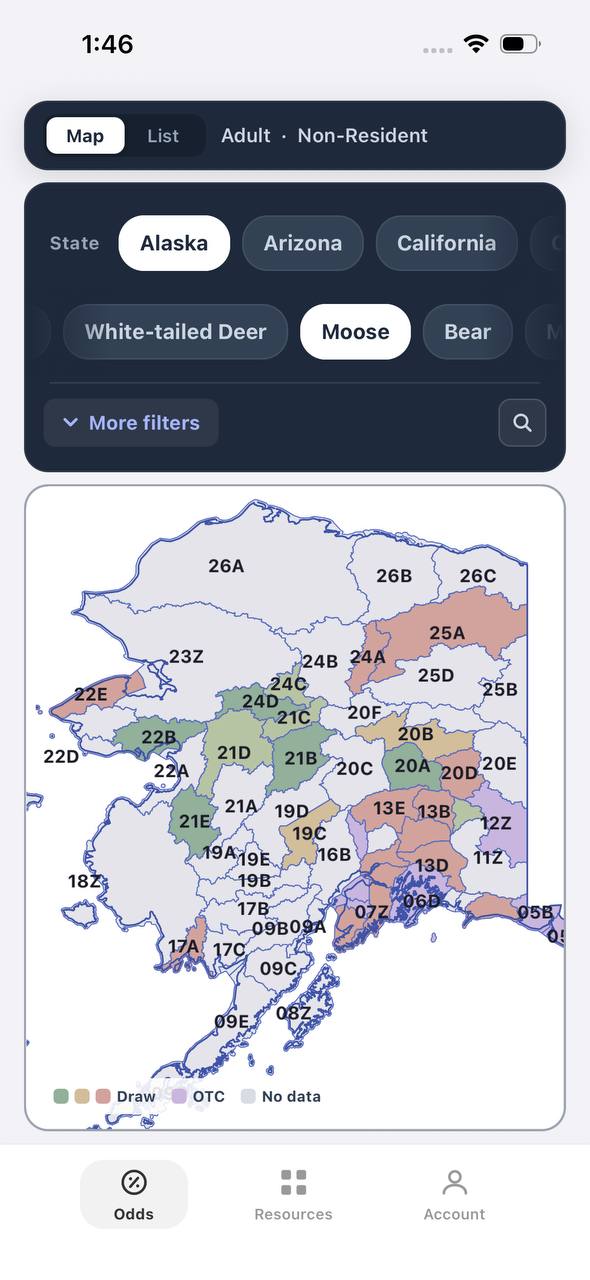
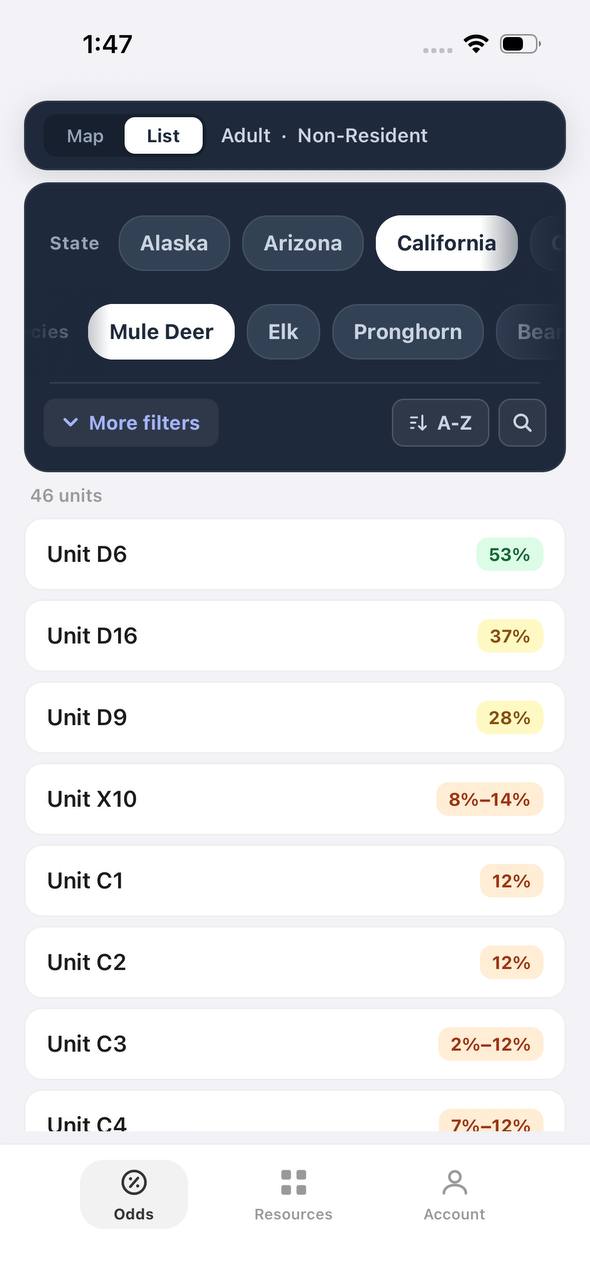
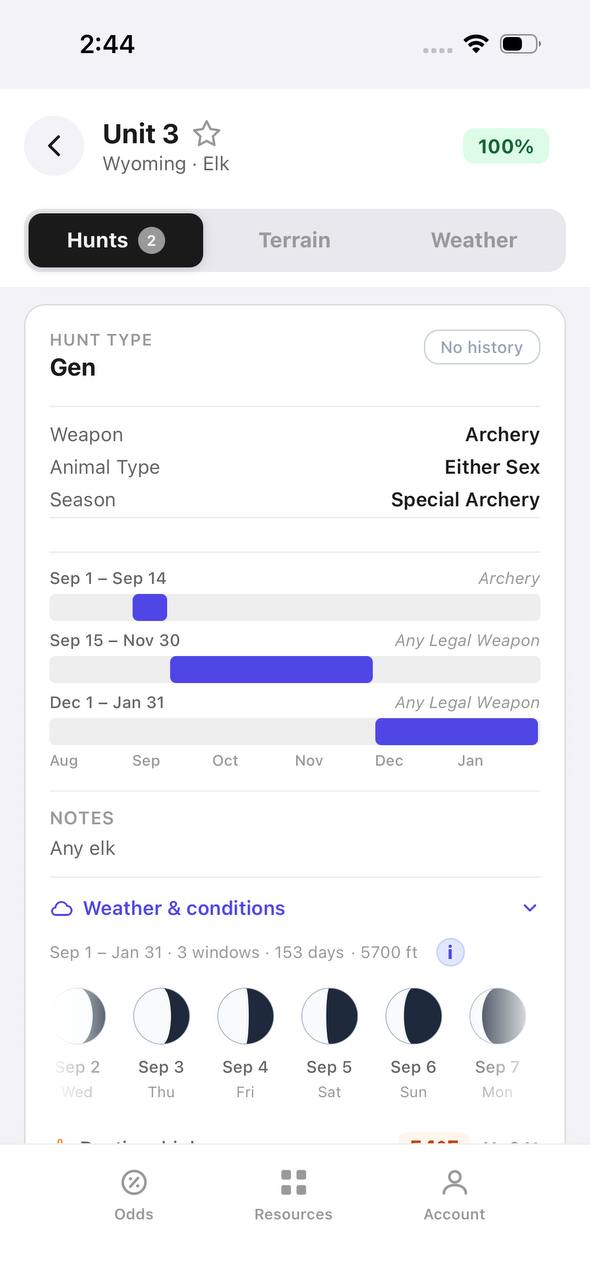
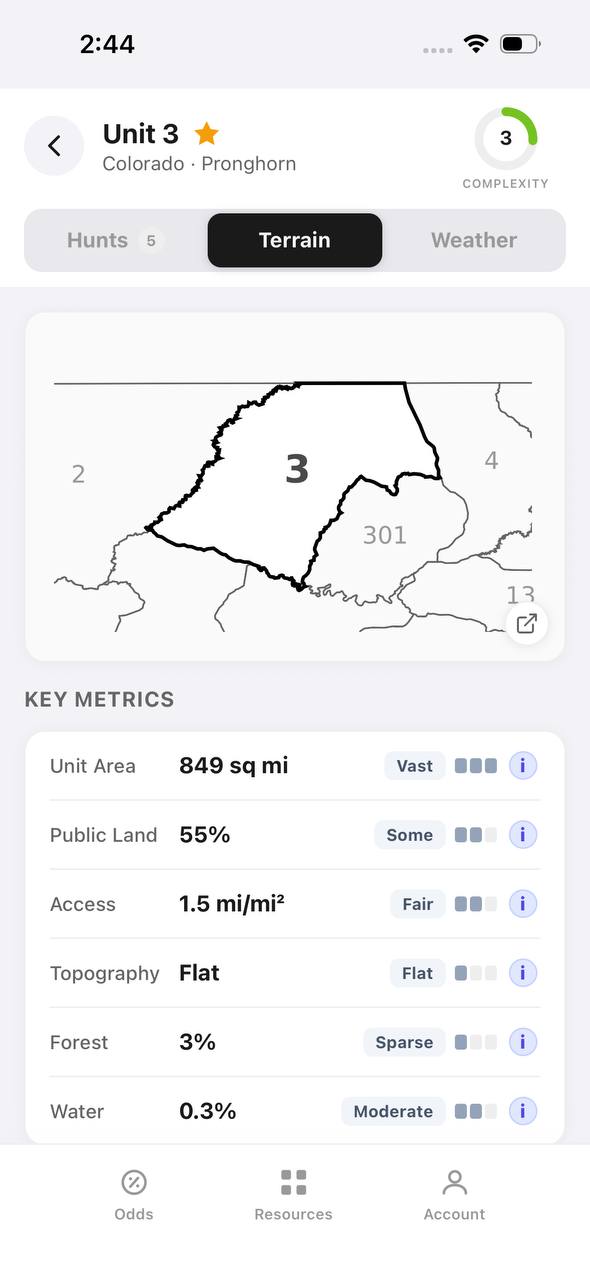
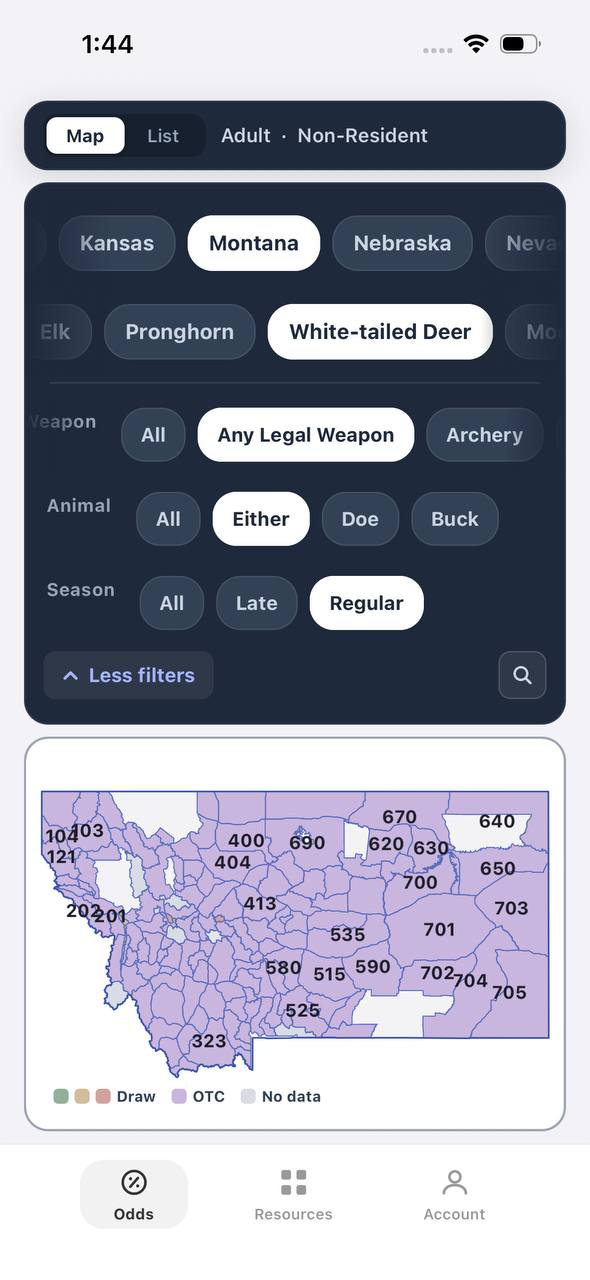
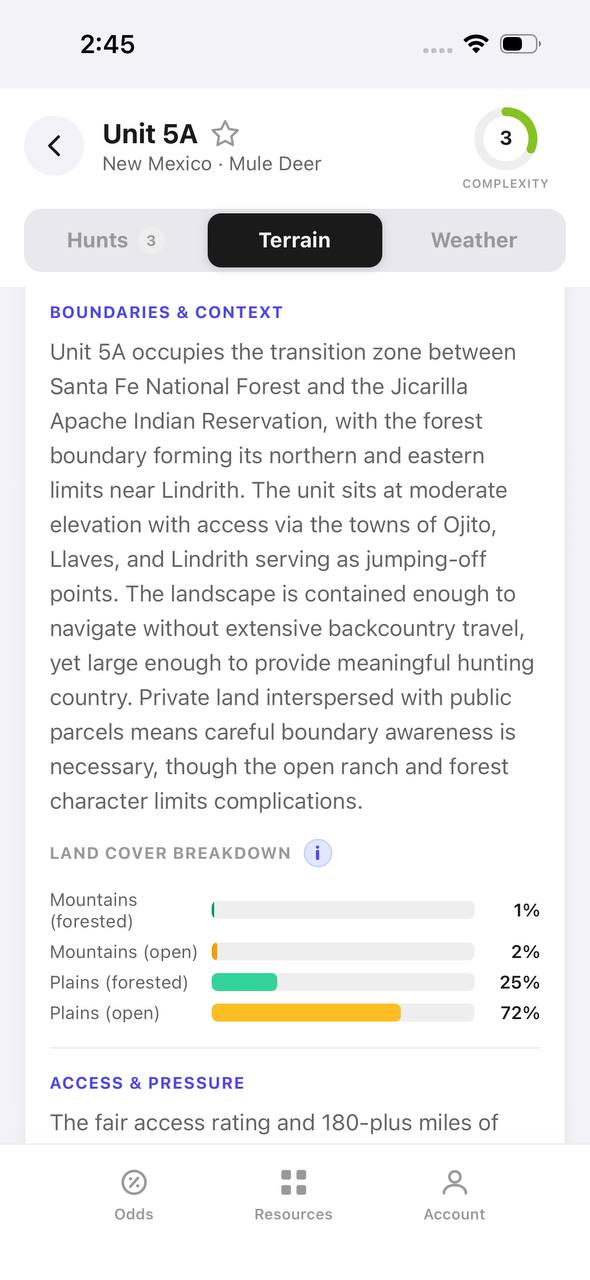
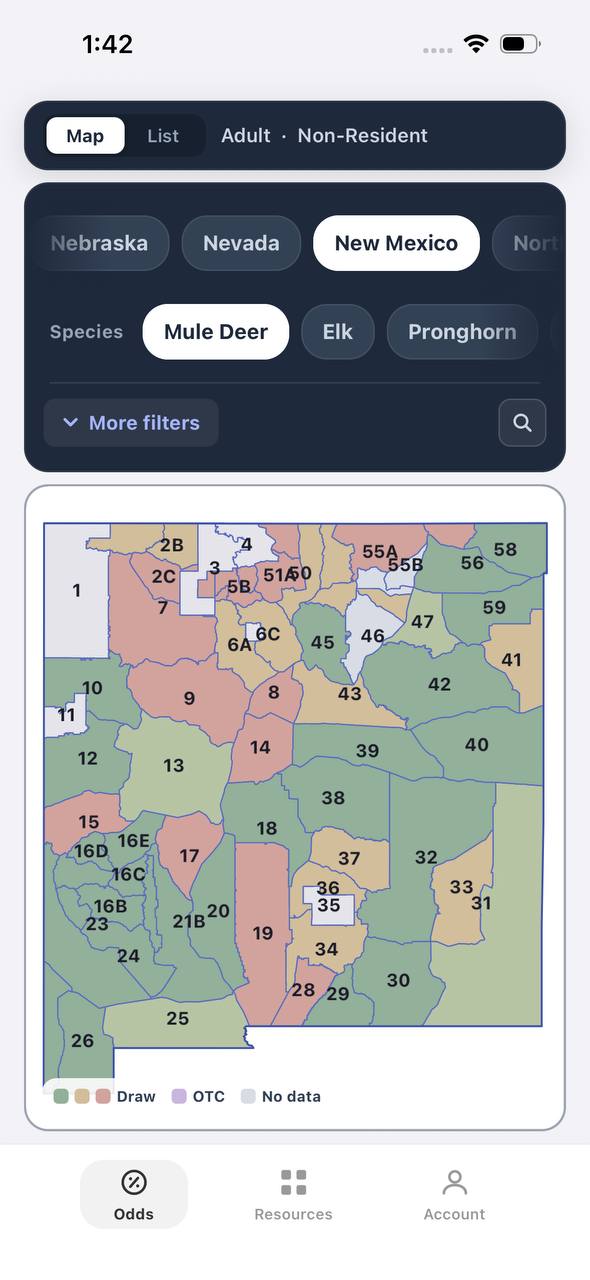
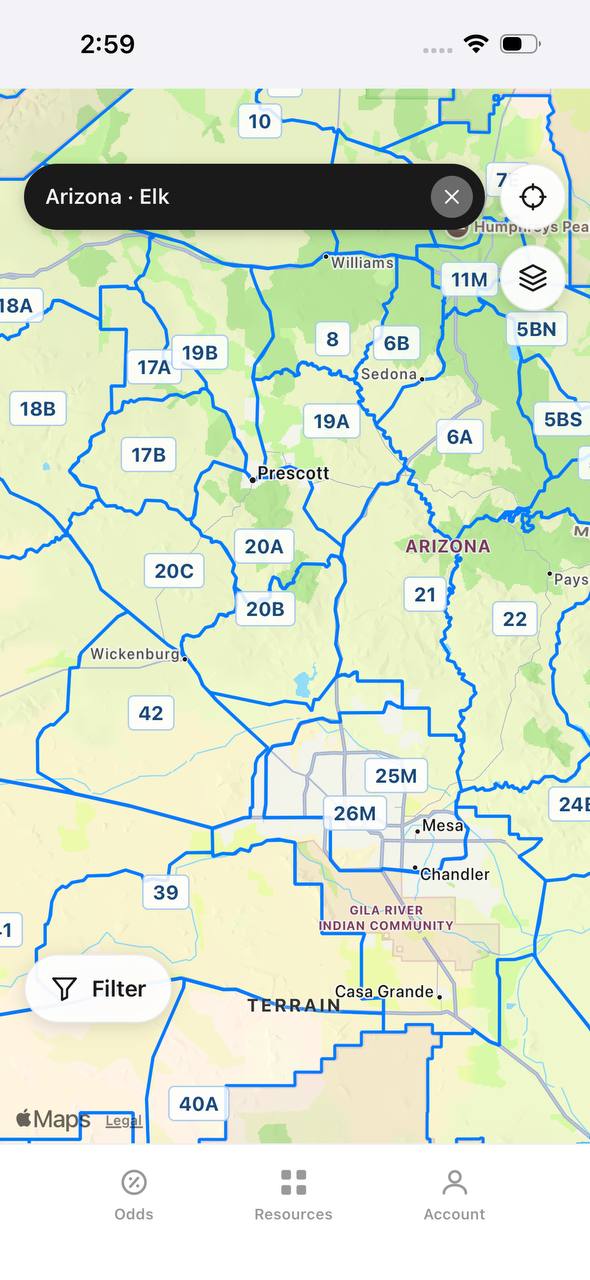
TAGZ helps hunters track Florida's alligator harvest permits, application deadlines, and quota zones across the state. The platform lets you compare harvest areas side by side using unit maps, historical success rates, and terrain breakdowns. Whether you are applying for a Statewide Alligator Harvest Program permit or planning a hunt on a Wildlife Management Area, TAGZ gives you the data to make smarter decisions.
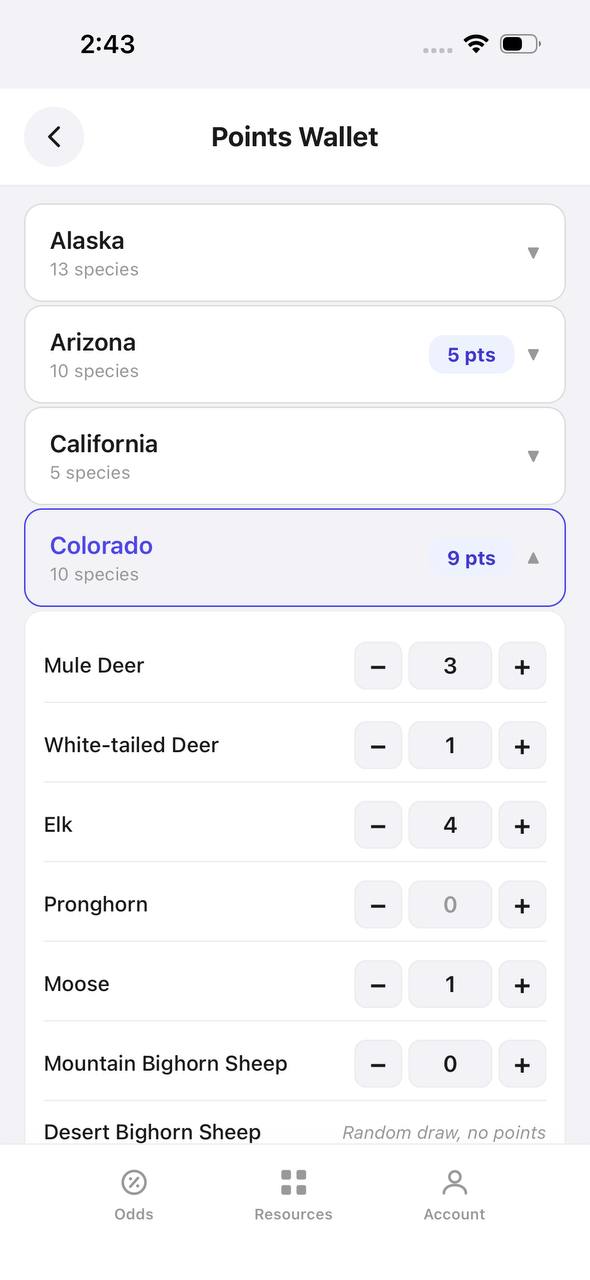
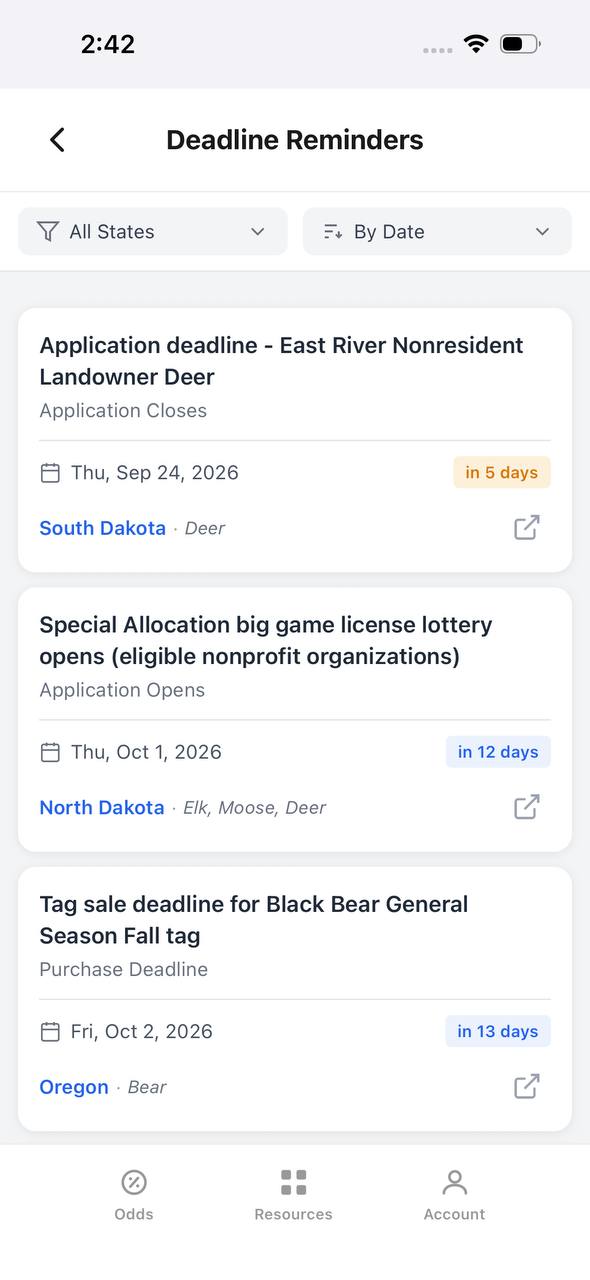
You can monitor application periods, view public land boundaries, and filter hunts by region and season type. TAGZ also tracks your submitted applications and sends reminders so you never miss a draw deadline. From application season through the hunt itself, TAGZ simplifies the process and helps you focus on the field instead of administrative details.
Free to join
Download mobile app
- Detailed draw odds
- Point tracking
- Deadline reminders
- 18 states covered
Free to join
Download mobile app
- Detailed draw odds
- Point tracking
- Deadline reminders
- 18 states covered
Free to join
Download mobile app
- Detailed draw odds
- Point tracking
- Deadline reminders
- 18 states covered
Size Variation Across Florida
Northern Florida gators tend to be slightly smaller on average than those in central and southern parts of the state. Cooler winter temperatures in the Panhandle slow growth rates, and the shorter active feeding season limits size potential. That said, northern rivers like the Suwannee and Apalachicola still produce 11–12-foot bulls.
Central Florida — especially the St. Johns River basin and the Orlando-area lakes — holds some of the densest gator populations. High prey availability and year-round warm water create ideal conditions for growth. Southern Florida, particularly the Everglades, offers low hunting pressure and expansive habitat, which allows gators to reach trophy dimensions without human interference.
Coastal areas and brackish estuaries also support alligators, though salinity limits their range. Gators in these environments are often smaller than their freshwater counterparts, as saltwater habitats offer less abundant prey and higher metabolic costs.
Common Misconceptions About Alligator Size
Many people overestimate alligator size. A 10-foot gator looks enormous in the water, and observers often guess 12 or 13 feet. Accurate measurement requires laying the animal flat and measuring from the tip of the snout to the end of the tail. Even experienced hunters sometimes misjudge length by a foot or more.
Another misconception is that all old gators are huge. While age contributes to size, genetics, diet, and health matter just as much. A 30-year-old gator in a marginal habitat might measure only 9–10 feet, while a 25-year-old bull in a prime lake could reach 12 feet.
Some hunters assume female gators are worth passing up, but an 8–9-foot female provides excellent meat and a quality hide. The decision to harvest depends on personal goals — trophy length, meat yield, or simply participating in Florida's conservation-based harvest.
Conservation and Population Health
Florida's alligator population has rebounded dramatically since the species was listed as endangered in the 1960s. Regulated hunting, habitat protection, and strict quotas have stabilized numbers at around 1.3 million animals. The harvest program removes a small percentage each year — typically 5–7% of the population — ensuring sustainability while controlling nuisance gators and providing hunting opportunity.
Large bulls play an important role in population dynamics. They control territory, regulate breeding, and maintain social structure within gator populations. Selective harvest of trophy bulls is allowed, but biologists monitor size distribution to prevent overharvest of the largest animals. Florida Fish and Wildlife Conservation Commission adjusts quotas annually based on population surveys and harvest data.
Hunters contribute to conservation through permit fees and by reporting harvest data. This information helps biologists track population trends, growth rates, and size distribution across the state.
Free to join
Download mobile app
- Detailed draw odds
- Point tracking
- Deadline reminders
- 18 states covered
Free to join
Download mobile app
- Detailed draw odds
- Point tracking
- Deadline reminders
- 18 states covered
Free to join
Download mobile app
- Detailed draw odds
- Point tracking
- Deadline reminders
- 18 states covered
Trophy Hunting and Taxidermy Considerations
If you harvest a 12-foot-plus alligator, taxidermy is a serious investment. A full-body mount of a 12-foot gator costs $8,000–$12,000, depending on the taxidermist and pose. Most hunters opt for a skull mount or hide tanning, which are more affordable and easier to display.
Hide quality matters for taxidermy. Gators with scarring, missing scales, or damage from fights may not produce a clean mount. Skull size and symmetry also vary. A 13-foot gator with a wide, heavy skull makes a more impressive mount than a 13-foot animal with a narrow head.
Field care is critical. Skinning should be done within hours of harvest, especially in Florida's heat. Proper salting, cooling, and transport prevent spoilage. Many hunters hire professional skinners or work with guides who handle the process.
Continue Planning Your Hunt
Florida's alligator harvest offers a unique challenge for hunters willing to invest time in scouting, applying, and preparing for a night hunt on the water. Whether you are chasing a personal-best bull or filling the freezer, understanding size potential and where trophy gators live gives you a better shot at success.
TAGZ helps you stay organized from application through harvest. Compare Florida's gator harvest zones, track your permits, and plan your hunt using terrain maps and public land boundaries. Create an account at TAGZ to simplify your hunt planning and never miss another deadline.
For more hunting insights, strategies, and draw system breakdowns, visit the TAGZ Insights blog. If you are ready to start planning your next hunt, check out TAGZ Pricing and explore the tools available on the TAGZ Product page.
FAQ — Florida Alligator Size
How big do male alligators get in Florida?
Male alligators in Florida typically reach 10–12 feet, with trophy bulls occasionally exceeding 13 feet. The state record is 14 feet 3.5 inches.
What is the average size of a female alligator?
Female alligators average 8–9 feet at maturity. They grow slower and stop growing earlier than males, rarely exceeding 9 feet in length.
What is the largest alligator ever recorded in Florida?
The longest confirmed alligator measured 14 feet 3.5 inches and was harvested in Lake Washington in 2019. The heaviest weighed 1,043 pounds and measured 13 feet 10.5 inches, taken from Orange Lake in 1989.
How fast do alligators grow?
Alligators grow rapidly in their first decade, reaching 8–9 feet by age 10 if male. Growth slows significantly after that, with large bulls adding only 6–12 inches per year.
Do alligators keep growing their entire lives?
Yes, alligators exhibit indeterminate growth, meaning they continue growing throughout their lives. However, growth slows dramatically after age 20, and gains become incremental.
Where in Florida are the biggest alligators found?
Lake Okeechobee, the Everglades, Lake Jesup, Lake George, and the St. Johns River system consistently produce trophy-class bulls over 12 feet. These habitats offer abundant prey and low human disturbance.
Was this article helpful?
Previous
Norma Oryx Review: Real-World Performance on Western Big Game
Norma Oryx ammunition delivers bonded-core performance at a mid-tier price point. This review examines terminal ballistics, accuracy, and field results on elk, mule deer, and antelope to help you decide if Oryx deserves a spot in your hunting rifle.
Related
Late Season Whitetail Hunting: Strategies for Cold-Weather Success
Late season whitetail hunting demands different tactics than early fall. Learn how to use cold weather, food sources, and bedding patterns to fill your tag when mature bucks are locked into survival mode and hunting pressure has them on edge.
Next
Semi-Custom vs Full Custom Hunting Rifles 2026: Which Is Right for Your Hunt?
Explore the differences between semi-custom and full custom hunting rifles for 2026, helping you choose the best firearm for your big-game adventures.