Norma Oryx Review: Real-World Performance on Western Big Game

When you are selecting ammunition for a western hunt, the bonded bullet conversation usually centers on Federal Fusion, Hornady InterBond, or Barnes TTSX. Norma Oryx sits in a quieter corner of that discussion, but it has earned a reputation among hunters who prioritize deep penetration and controlled expansion without spending premium prices on copper monolithics.
Oryx uses a bonded-core design where the lead core is chemically fused to the copper jacket. The bullet features a thin jacket up front for reliable expansion and a thicker rear section for weight retention. Norma markets it as a tough, deep-penetrating option for large or heavy-bodied game. After running Oryx through multiple rifles and hunting seasons across mule deer, elk, and antelope, here is what the bullet actually delivers in the field.
Construction and Design
Oryx is built around a bonded soft-point design with a visible lead tip. The jacket is tapered—thinner at the nose to promote expansion on impact, thicker toward the base to resist fragmentation as the bullet drives through bone and tissue. The bonding process keeps the core and jacket together even when the bullet encounters heavy resistance.
The profile is relatively blunt compared to polymer-tipped bullets. This reduces ballistic coefficient slightly, which matters at extended range but has minimal impact inside 400 yards where most western hunters take shots. Norma offers Oryx in common hunting calibers including .270 Winchester, .308 Winchester, .30-06 Springfield, 7mm Remington Magnum, .300 Winchester Magnum, and several Scandinavian calibers.
Weight retention is the headline feature. Norma claims 90-plus percent retention on game, and field recoveries consistently support that number. Expanded bullets pulled from elk shoulders and mule deer ribs typically lose only the front edge of the jacket while holding the majority of their original mass.
Terminal Performance on Elk
Elk test the limits of any hunting bullet. Thick hide, heavy bone, and dense muscle require penetration and structural integrity that lighter or faster-expanding bullets sometimes lack. Oryx performs well in this role.
A 180-grain Oryx from a .300 Winchester Magnum taken on a Colorado September archery elk produced a pass-through on a quartering-away shot that entered behind the last rib, clipped the offside shoulder blade, and exited low on the opposite side. The recovered exit wound measured roughly two inches, and the bullet left a clear blood trail despite heavy timber. The bull traveled less than 60 yards.
Another bull taken in Montana with a 7mm Remington Magnum 156-grain Oryx absorbed a frontal shot at 240 yards. The bullet entered the lower chest, passed through the heart, and stopped just under the hide on the far side after traversing roughly 30 inches of elk. The recovered bullet showed classic mushroom expansion with the jacket still bonded to the core. Weight retention measured 94 percent.
Oryx does not produce the explosive wound channels of a Berger or Hornady ELD-X. Expansion is controlled and predictable, which translates to consistent penetration even when the shot angle is less than ideal. If you hunt timber or expect quartering shots, that reliability matters more than raw tissue damage.
Accuracy and Consistency
Bonded bullets sometimes lag behind match-grade options in pure accuracy, but Oryx shoots better than its price point suggests. Testing across three rifles—a Tikka T3x in .30-06, a Bergara B-14 in .300 Win Mag, and a Weatherby Vanguard in .270—produced groups that ranged from 0.8 to 1.4 MOA at 100 yards using factory ammunition.
The Tikka preferred the 180-grain .30-06 load and delivered five three-shot groups averaging 0.9 MOA. The Bergara shot 180-grain .300 Win Mag loads into consistent 1.1 MOA groups. The Weatherby was the outlier at 1.4 MOA with 150-grain .270 rounds, which is still acceptable for hunting but suggests some rifles may need testing to find the best match.
Velocity consistency measured across a chronograph showed standard deviations between 12 and 18 fps across multiple boxes of ammunition. That level of consistency supports predictable drops and wind calls at distance. Oryx does not match the single-digit SDs of precision handloads, but it outperforms budget hunting ammunition by a clear margin.
Ballistic coefficient is lower than polymer-tipped competitors. A 180-grain Oryx in .300 Win Mag runs a G1 BC around 0.450, compared to 0.507 for a Hornady ELD-X of the same weight. At 400 yards, the difference in drop is roughly three inches, and wind drift increases by about two inches in a 10 mph crosswind. For shots inside 300 yards, the gap is negligible. Beyond that range, you will need to account for the additional drop.
Mule Deer and Antelope Results
Oryx is arguably overbuilt for thin-skinned game like mule deer and antelope, but it still performs cleanly without excessive meat damage. The controlled expansion limits the size of the wound channel, which means less bloodshot shoulder meat compared to rapidly fragmenting bullets.
A Wyoming mule deer buck taken at 320 yards with a .270 Winchester 150-grain Oryx dropped at the shot after a high shoulder hit. The bullet destroyed the spine and top of both lungs, then exited. The exit wound was modest—roughly an inch and a half—and the buck did not travel. Shoulder meat loss was minimal despite the bone impact.
Antelope taken with Oryx in .308 Winchester and .30-06 showed similar results. Shots through the ribs produced pass-throughs with small exit wounds and clear blood trails. One antelope hit slightly far back at 280 yards still expired within 80 yards, and the recovered bullet showed full expansion with the core intact. The slow, controlled upset allowed deep penetration even through lighter tissue.
If you prefer explosive expansion and massive wound cavities on deer-sized game, Oryx will feel underwhelming. But if you value clean kills, minimal meat loss, and bullets that hold together regardless of impact angle, Oryx delivers exactly that.
Free to join
Download mobile app
- Detailed draw odds
- Point tracking
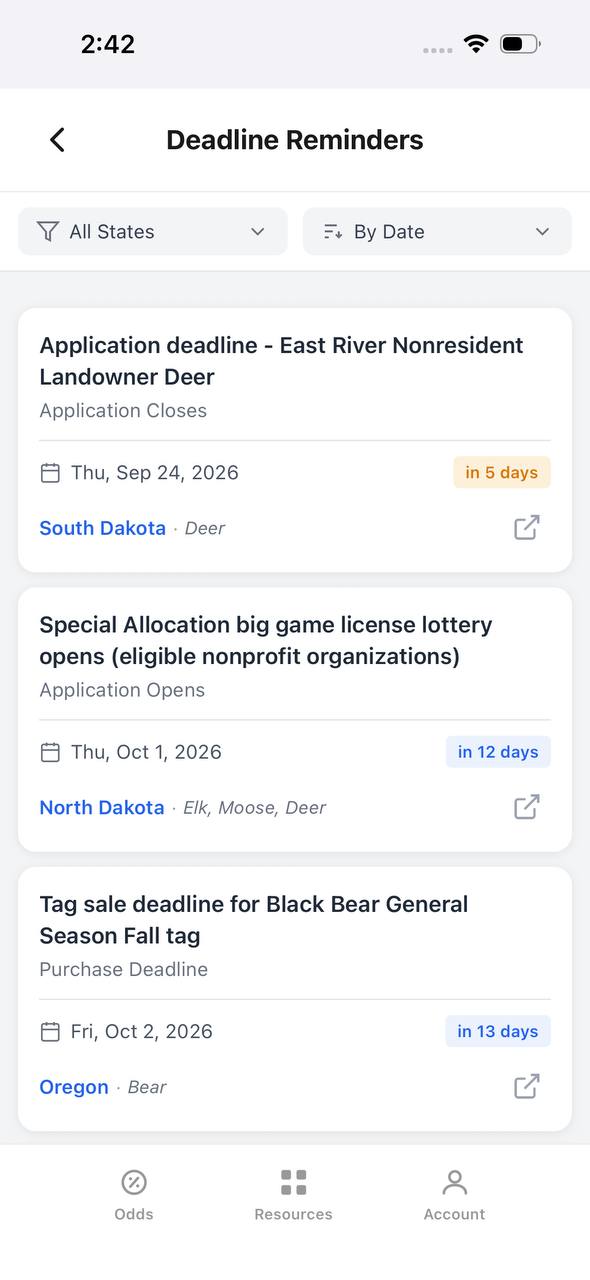
- Deadline reminders
- 18 states covered


Free to join
Download mobile app
- Detailed draw odds
- Point tracking
- Deadline reminders
- 18 states covered
Free to join
Download mobile app
- Detailed draw odds
- Point tracking
- Deadline reminders
- 18 states covered

Comparison to Federal Fusion and Hornady InterBond
Oryx occupies the same price tier as Federal Fusion and sits slightly below Hornady InterBond. All three use bonded-core construction, but the bullets behave differently on impact.
Federal Fusion expands more aggressively than Oryx. Fusion's jacket is electrochemically bonded using a different process, and the bullet tends to open faster with a larger frontal diameter. This produces more tissue damage on broadside lung shots but can reduce penetration on heavy bone or extreme angles. Oryx holds together better when penetration is the priority.
Hornady InterBond uses a polymer tip and a higher ballistic coefficient, which gives it a clear edge in long-range trajectory and wind performance. The trade-off is price—InterBond typically costs 20 to 30 percent more per box. If your hunt plan includes shots beyond 400 yards and you want a flatter trajectory, InterBond is worth the extra cost. If most of your shots fall inside 350 yards and you want a tougher bullet at a lower price, Oryx makes more sense.
Barnes TTSX is the copper monolithic alternative. TTSX penetrates deeper than any bonded bullet and retains 95-plus percent of its weight, but it requires higher impact velocities to expand reliably. At ranges beyond 400 yards or with slower cartridges, TTSX can pencil through without opening fully. Oryx expands more reliably at lower velocities, which makes it a better choice for standard cartridges or longer shots where velocity drops below 2,200 fps.
Downrange Velocity and Energy
Oryx loses velocity faster than high-BC competition due to its lower ballistic coefficient. A 180-grain Oryx launched from a .300 Win Mag at 2,950 fps retains roughly 2,150 fps at 400 yards. That is still well above the expansion threshold and delivers around 1,850 foot-pounds of energy, which is more than adequate for elk.
At 500 yards, velocity drops to approximately 1,950 fps and energy falls to 1,520 foot-pounds. Oryx still expands reliably at this velocity, but the reduced energy means less margin for error on shot placement. For hunters who limit their shots to 400 yards or closer, the velocity curve is not a concern. Beyond that range, you will need to dial your scope or hold over more than you would with a higher-BC bullet.
Wind drift is the bigger issue. A 10 mph crosswind pushes the 180-grain Oryx about 16 inches at 500 yards, compared to roughly 13 inches for a Hornady ELD-X of the same weight. In calm conditions or moderate wind, the difference is manageable. In the high plains or alpine basins where wind gusts frequently, the gap becomes harder to ignore.
Best Use Cases for Oryx
Oryx shines in scenarios where penetration and structural integrity matter more than extreme range or flat trajectory. Timber elk hunting is the obvious application. When you are shooting through gaps in lodgepole pine at quartering angles, you need a bullet that will punch through heavy bone and keep driving. Oryx does that consistently.
Moose hunters in heavy cover benefit from the same qualities. A bonded bullet that holds 90-plus percent of its weight and penetrates 24 to 30 inches of tissue gives you confidence on frontal or raking shots where lighter bullets might come apart.
Mule deer hunters who glass and stalk in rough terrain can count on Oryx to perform across a wide range of impact angles. Whether you are threading a bullet between the ribs at 150 yards or hitting high shoulder at 325 yards, the bullet behaves predictably.
Oryx is less ideal for long-range applications where wind drift and drop become critical factors. If you are hunting pronghorn across open sagebrass at 450 to 600 yards, a higher-BC bullet with a polymer tip will make ranging and wind calls easier. Oryx works at those distances, but you will fight the trajectory more than necessary.
Free to join
Download mobile app
- Detailed draw odds
- Point tracking
- Deadline reminders
- 18 states covered
Free to join
Download mobile app
- Detailed draw odds
- Point tracking
- Deadline reminders
- 18 states covered
Free to join
Download mobile app
- Detailed draw odds
- Point tracking
- Deadline reminders
- 18 states covered
Availability and Price
Norma Oryx is widely available through major retailers and online ammunition dealers. Price per box of 20 rounds typically falls between $38 and $50 depending on caliber, which positions it slightly above budget hunting ammunition but well below premium offerings like Barnes LRX or Nosler AccuBond Long Range.
The value proposition is straightforward. You are paying for bonded-core construction and proven terminal performance without the cost of a copper monolithic or high-BC match bullet. For hunters who shoot one or two boxes per year to confirm zero and then carry the same ammunition into the field, Oryx delivers solid performance at a price that does not require justification.
Norma's reputation for quality control is well-earned. Ammunition arrives with consistent bullet seating, clean primer pockets, and uniform case dimensions. The company has been producing hunting ammunition in Sweden since 1902, and that experience shows in the finished product.
Reloading with Oryx Bullets
Norma sells Oryx as a component bullet for handloaders, which opens up more flexibility for custom loads. The bullets are available in weights from 130 grains to 200 grains across calibers from 6.5mm to .30 caliber.
Reloaders report that Oryx bullets seat smoothly and show minimal runout. The bonded construction handles higher pressures without separating, and the bullets tolerate a wide range of powder charges. Load development typically produces acceptable accuracy within 20 to 30 rounds of testing.
One limitation is bullet selection. Norma offers fewer weight and caliber options than Nosler, Hornady, or Sierra. If you shoot a 6.5 PRC or want a 168-grain option in .308, Oryx may not have the exact bullet you need. For common hunting weights in standard cartridges, the selection is adequate.
Free to join
Download mobile app
- Detailed draw odds
- Point tracking
- Deadline reminders
- 18 states covered
Free to join
Download mobile app
- Detailed draw odds
- Point tracking
- Deadline reminders
- 18 states covered
Free to join
Download mobile app
- Detailed draw odds
- Point tracking
- Deadline reminders
- 18 states covered
Field Reliability Across Conditions
Oryx performs consistently across varying environmental conditions. Ammunition tested in cold Wyoming mornings at 15 degrees Fahrenheit and hot September afternoons at 85 degrees showed no pressure signs or velocity shifts beyond normal temperature-related variation. The powder blend appears stable across the temperature range most hunters encounter.
The bullet's bonded construction means it does not care whether it hits wet hide, dry hide, heavy bone, or soft tissue first. Expansion initiates reliably and penetration continues predictably. That consistency reduces the variables you need to account for when the shot opportunity arrives.
One note: Oryx is a soft-point bullet with an exposed lead tip. The tip can deform slightly under recoil in a magazine, especially in magnum cartridges with heavy recoil. Crimping the case mouth or seating bullets slightly deeper can reduce this, but it is worth inspecting your magazine ammunition before a hunt to ensure the tips remain intact.
Who Should Choose Oryx
Oryx is the right choice for hunters who prioritize proven terminal performance over long-range ballistics. If you hunt elk in timber, chase mule deer in steep country, or need a bullet that will penetrate reliably from any angle, Oryx delivers.
It is also a strong option for hunters who want bonded-core construction without paying premium prices. The ammunition shoots accurately enough for any hunting scenario inside 400 yards, and the terminal performance matches or exceeds bullets that cost significantly more.
Skip Oryx if you are chasing long-range capability beyond 500 yards or need the absolute flattest trajectory for open-country shooting. The lower BC becomes a liability at extended range, and other bullets will make your job easier in those conditions.
Oryx is not flashy. It does not promise revolutionary wound channels or match-grade accuracy. It is a straightforward bonded hunting bullet that does exactly what it claims: expands reliably, penetrates deeply, and holds together when it matters. For a significant portion of western hunting, that is exactly what you need.
FAQ — Norma Oryx Ammunition
Is Norma Oryx good for elk hunting? Yes. Oryx excels on elk due to its bonded-core construction and deep penetration. The bullet retains 90-plus percent of its weight and handles heavy bone reliably, making it ideal for quartering shots or frontal angles in timber.
How does Oryx compare to Federal Fusion? Oryx penetrates deeper with more controlled expansion, while Fusion opens faster and creates larger wound channels. Oryx is better for heavy bone and extreme angles; Fusion works well on broadside lung shots where rapid expansion is preferred.
What is the ballistic coefficient of Norma Oryx? Oryx has a lower BC than polymer-tipped bullets—typically around 0.450 for a 180-grain .30 caliber bullet. This increases drop and wind drift beyond 400 yards compared to high-BC competitors like Hornady ELD-X or Nosler AccuBond Long Range.
Does Oryx shoot accurately? Yes. Most rifles produce 1.0 to 1.5 MOA accuracy with factory Oryx ammunition, which is more than sufficient for hunting. Some rifles may require testing to find the best load, but consistency is generally strong across calibers.
Can you reload with Norma Oryx bullets? Yes. Norma sells Oryx as a component bullet for handloaders in multiple weights and calibers. The bullets seat cleanly, handle high pressures, and produce accurate loads with standard reloading practices.
Is Oryx overkill for deer and antelope? Not exactly, but it is built tougher than necessary. Oryx performs cleanly on deer-sized game with minimal meat damage, but hunters who prefer explosive wound channels may find the controlled expansion underwhelming. It is a better match for elk, moose, or situations where deep penetration is required.
Continue Planning Your Hunt
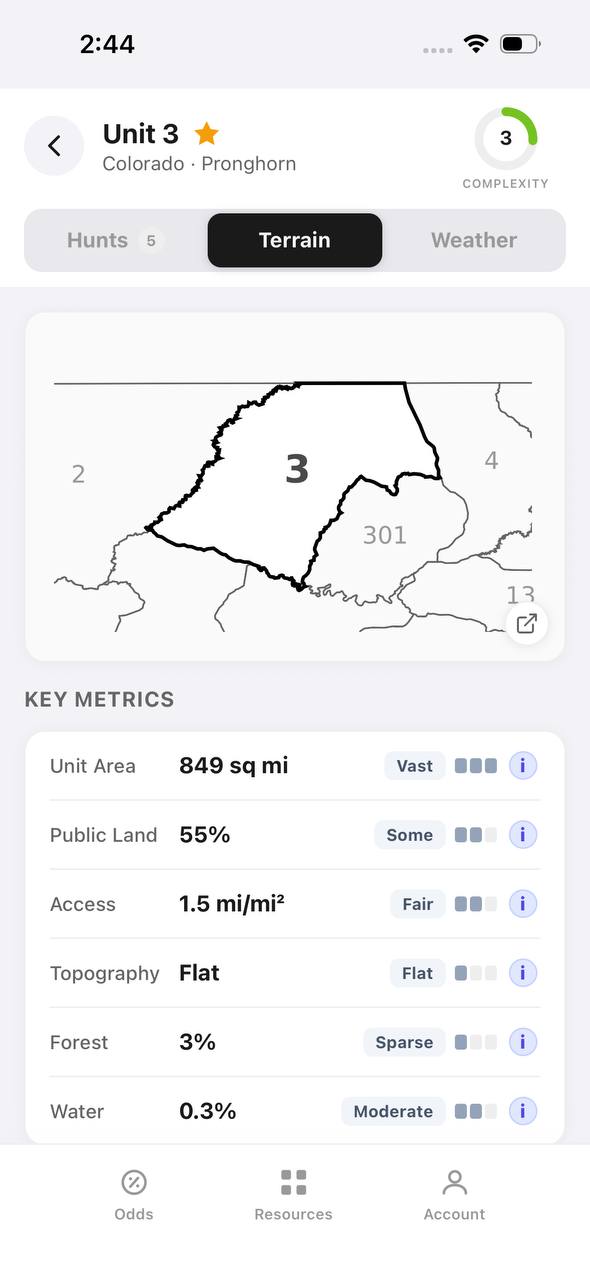
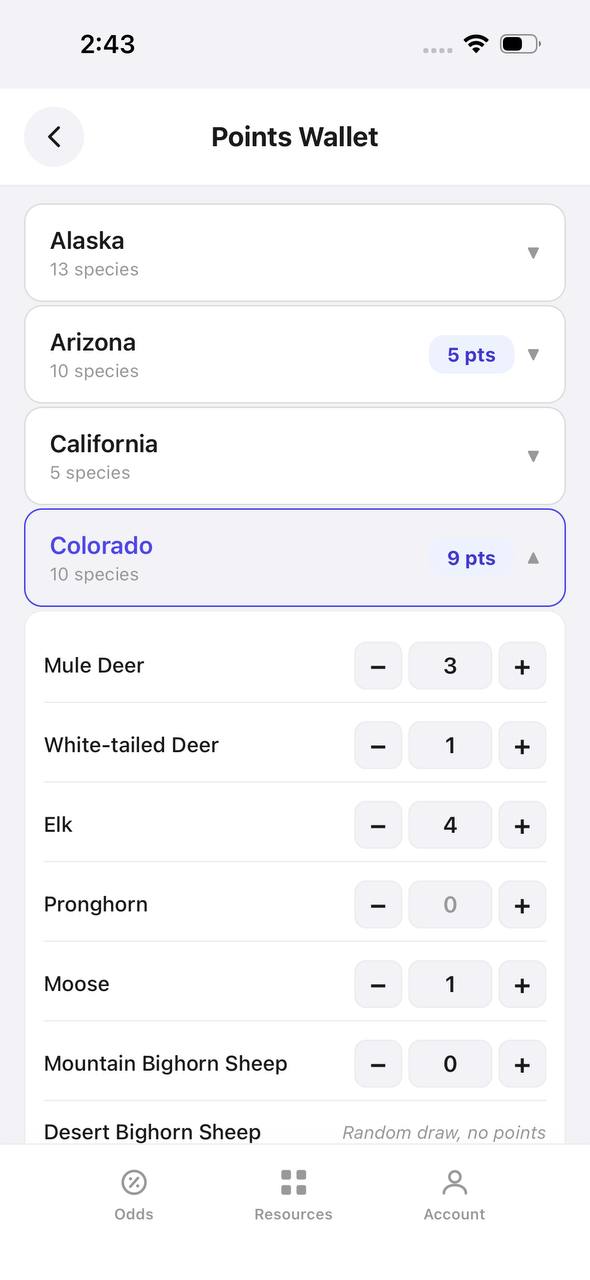
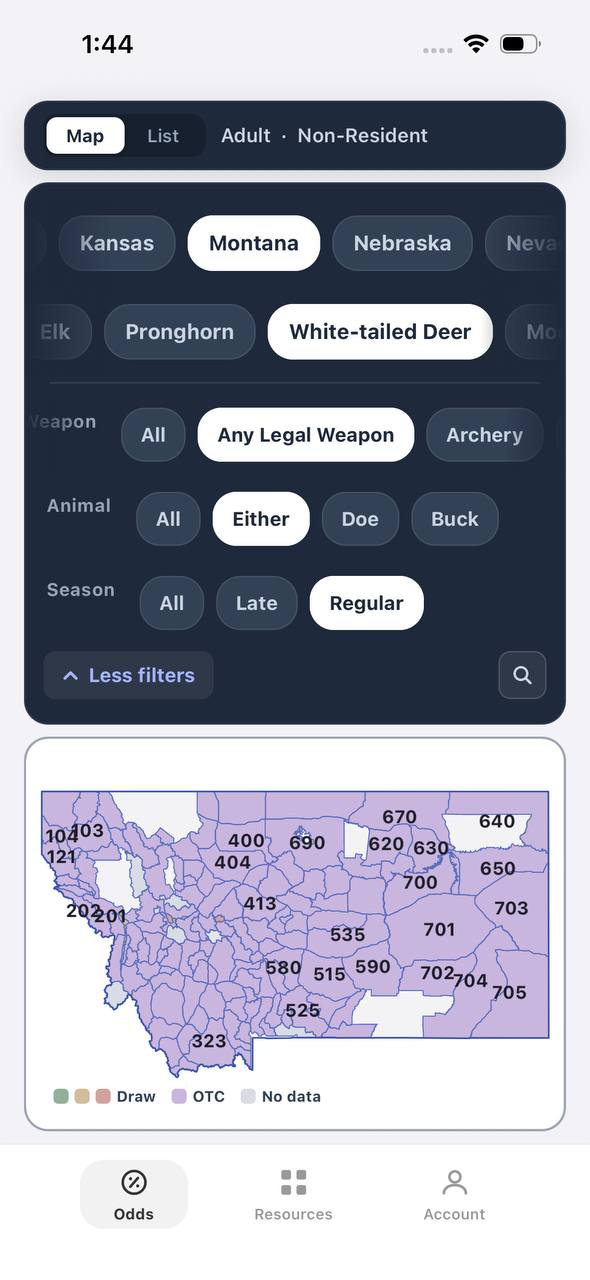
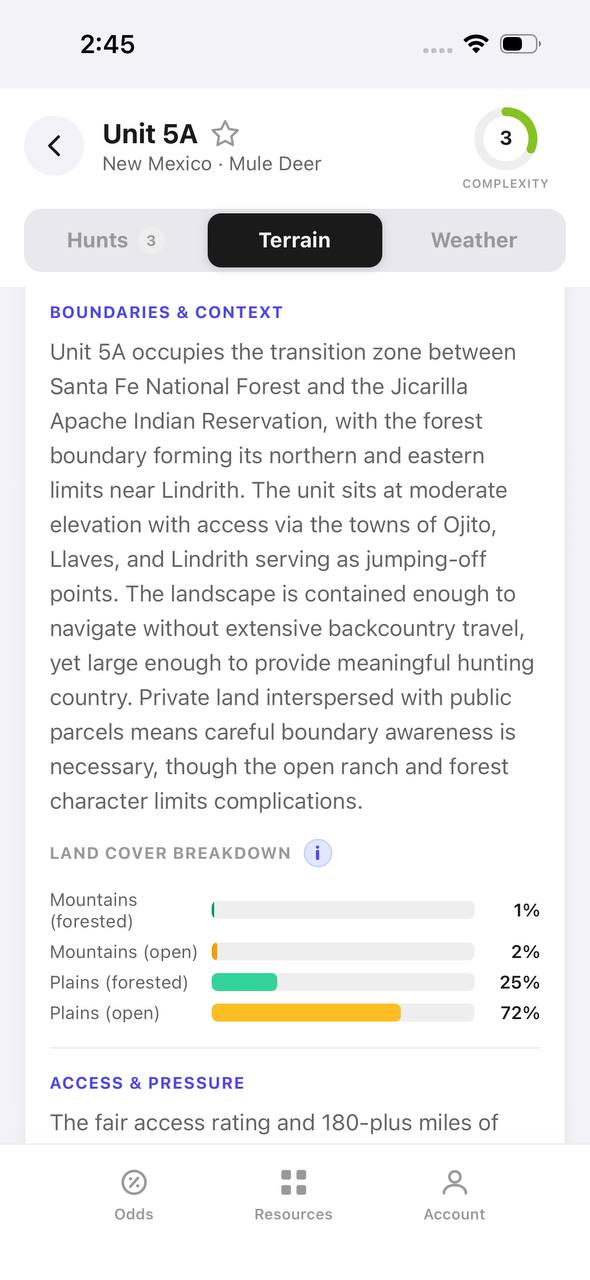
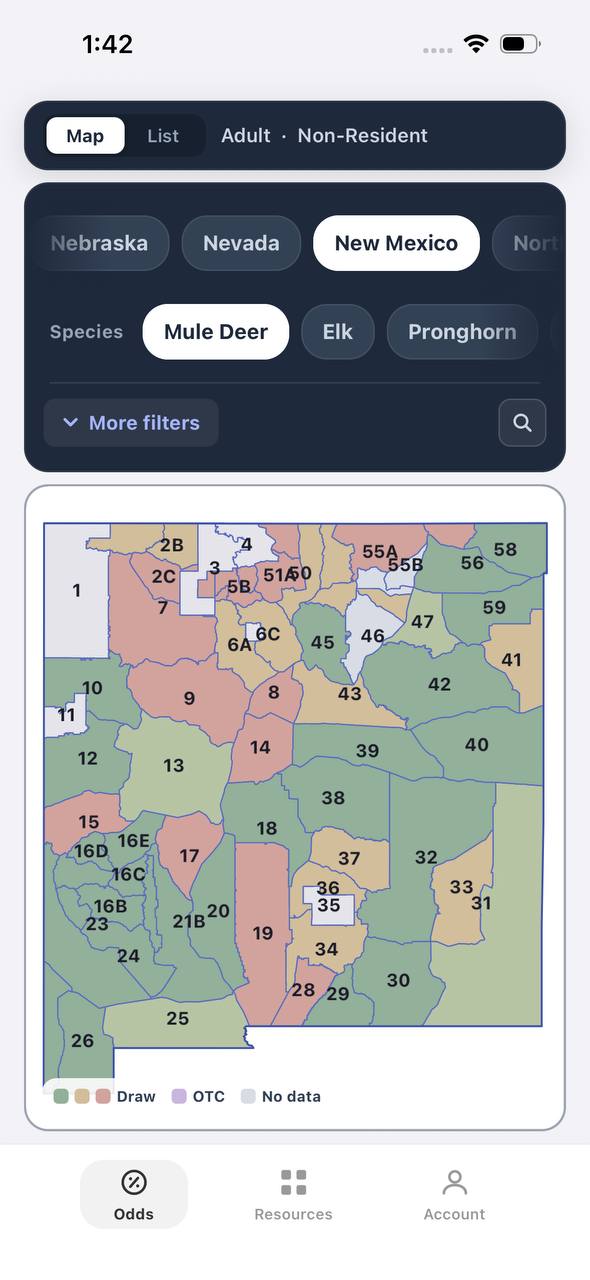
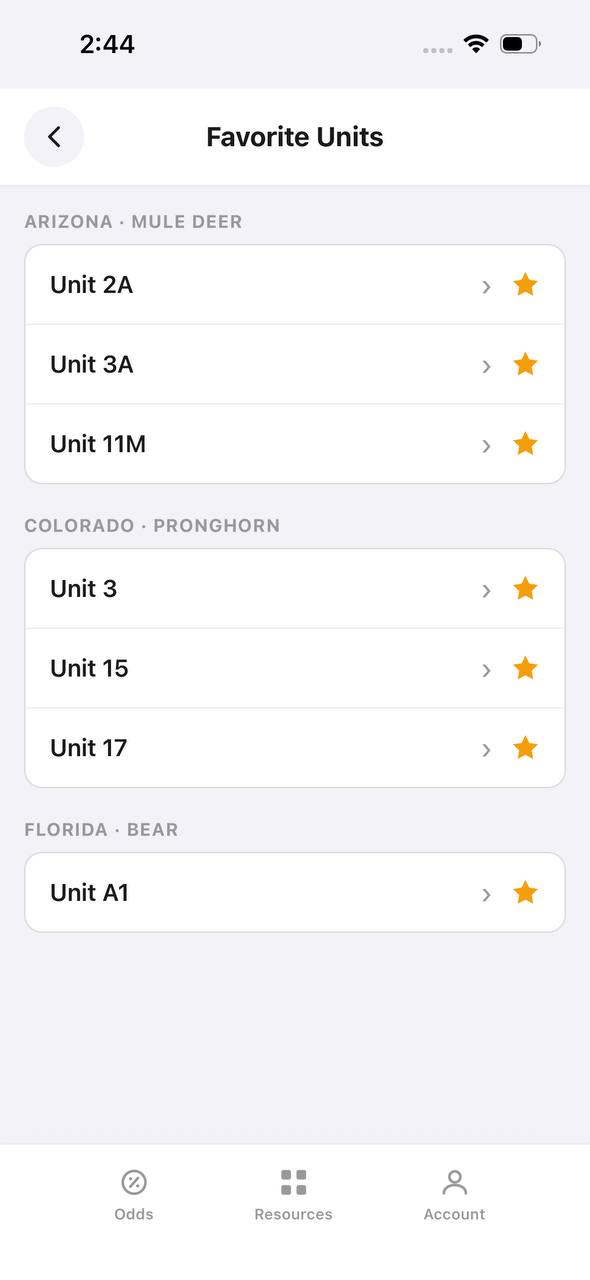
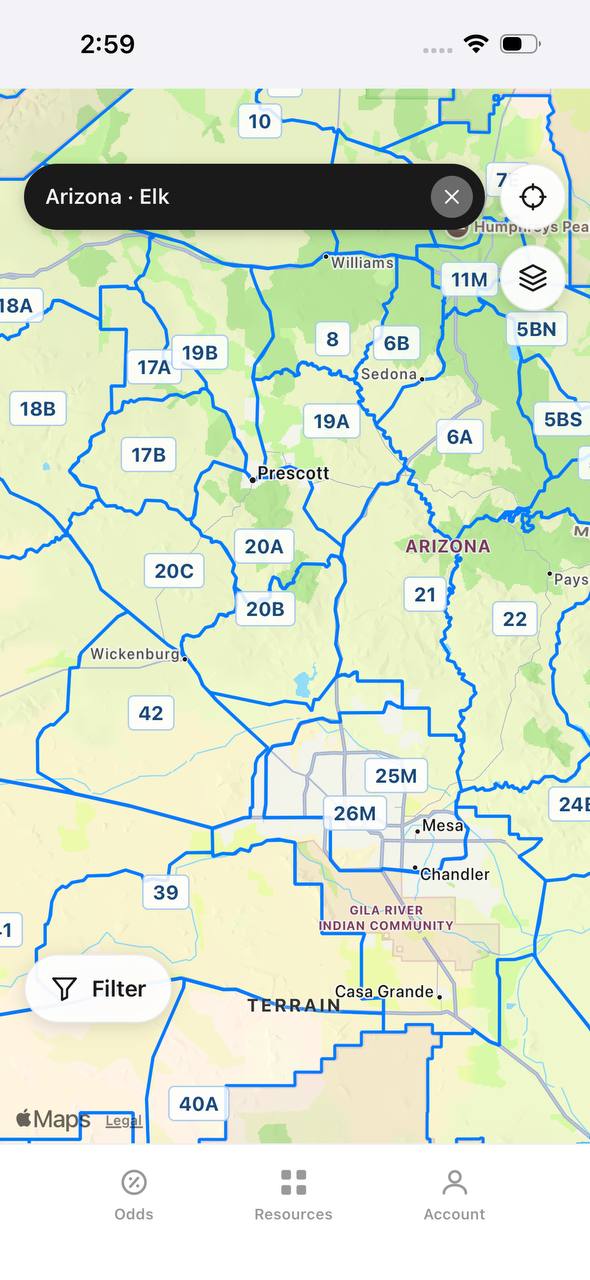
Selecting the right ammunition is one piece of a successful western hunt. Understanding draw odds, tracking preference points, and identifying the best units for your target species are just as critical. TAGZ helps you compare units side by side using terrain maps, unit boundaries, and historical draw data. Track your preference points and bonus points across multiple states so you never miss a draw deadline. Whether you are chasing OTC tags or planning a trophy limited-entry hunt, TAGZ gives you the tools to make smarter decisions before you ever step into the field.
Explore more hunt planning strategies and gear reviews on the TAGZ Insights page. Compare draw odds and research units for your next hunt using the TAGZ platform. Review pricing options and start tracking your points at TAGZ Pricing.
Was this article helpful?
Previous
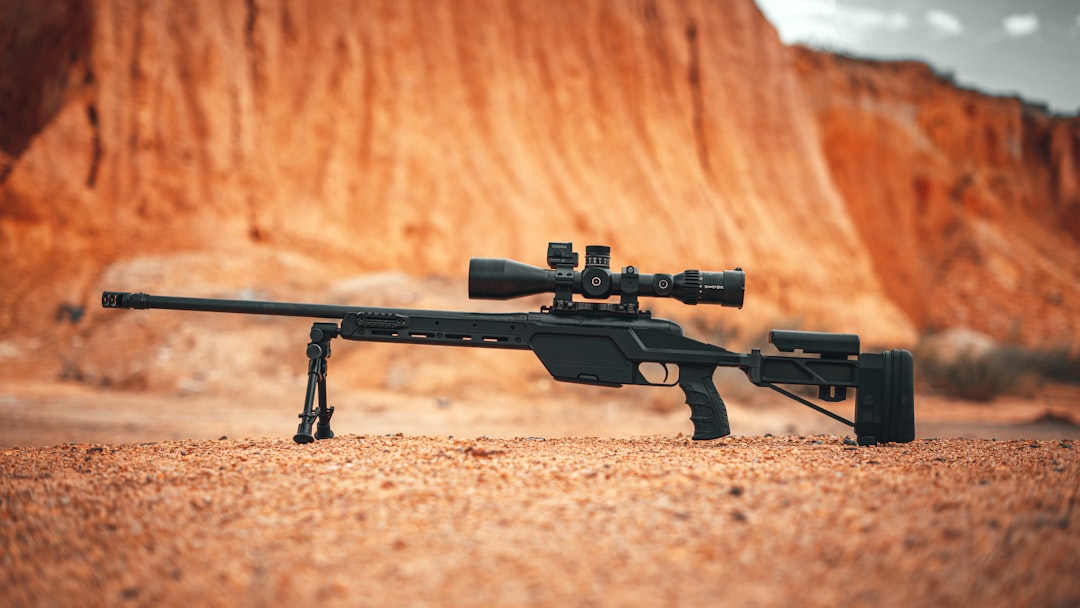
Semi-Custom vs Full Custom Hunting Rifles 2026: Which Is Right for Your Hunt?
Explore the differences between semi-custom and full custom hunting rifles for 2026, helping you choose the best firearm for your big-game adventures.
Related
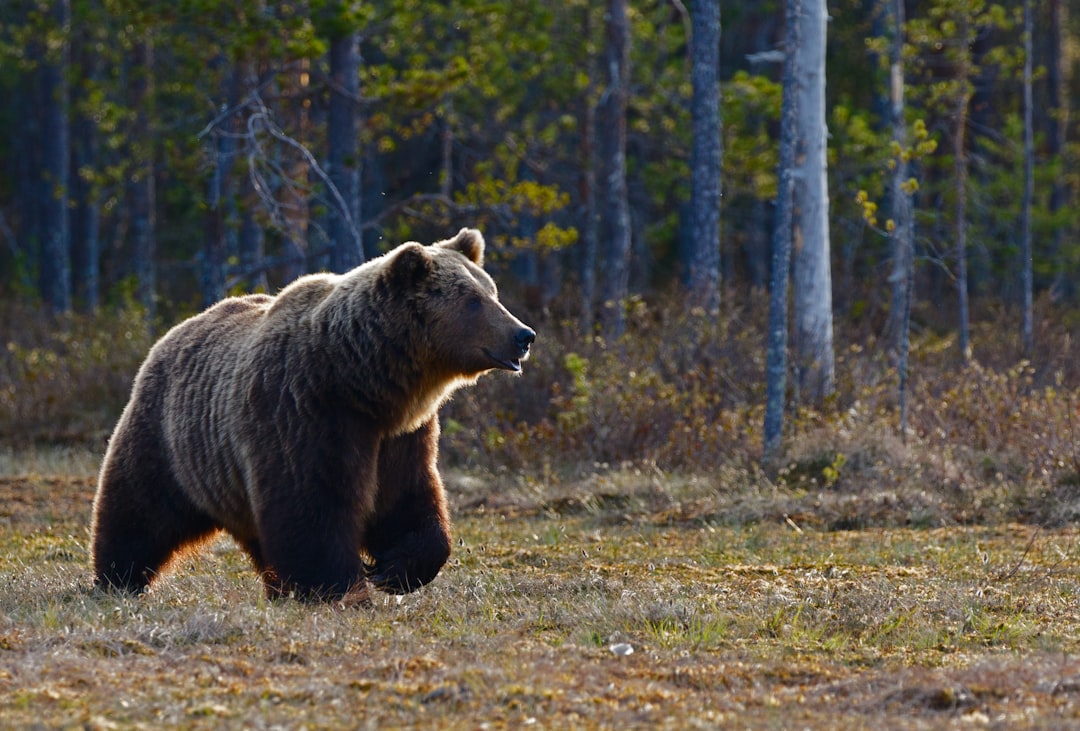
Best Grizzly Bear Ammunition for Safety and Effectiveness
Discover the top ammunition choices for safely and ethically hunting or defending against grizzly bears. Learn how to choose the best rounds for protection and hunting.
Next
How Big Do Florida Alligators Get? Size Records and What Hunters Should Know
Florida alligators average 8–11 feet, but record bulls exceed 14 feet and 800 pounds. Understanding size patterns, growth rates, and where trophy gators live helps hunters target mature animals during Florida's regulated harvest seasons.