Late Season Whitetail Hunting: Strategies for Cold-Weather Success
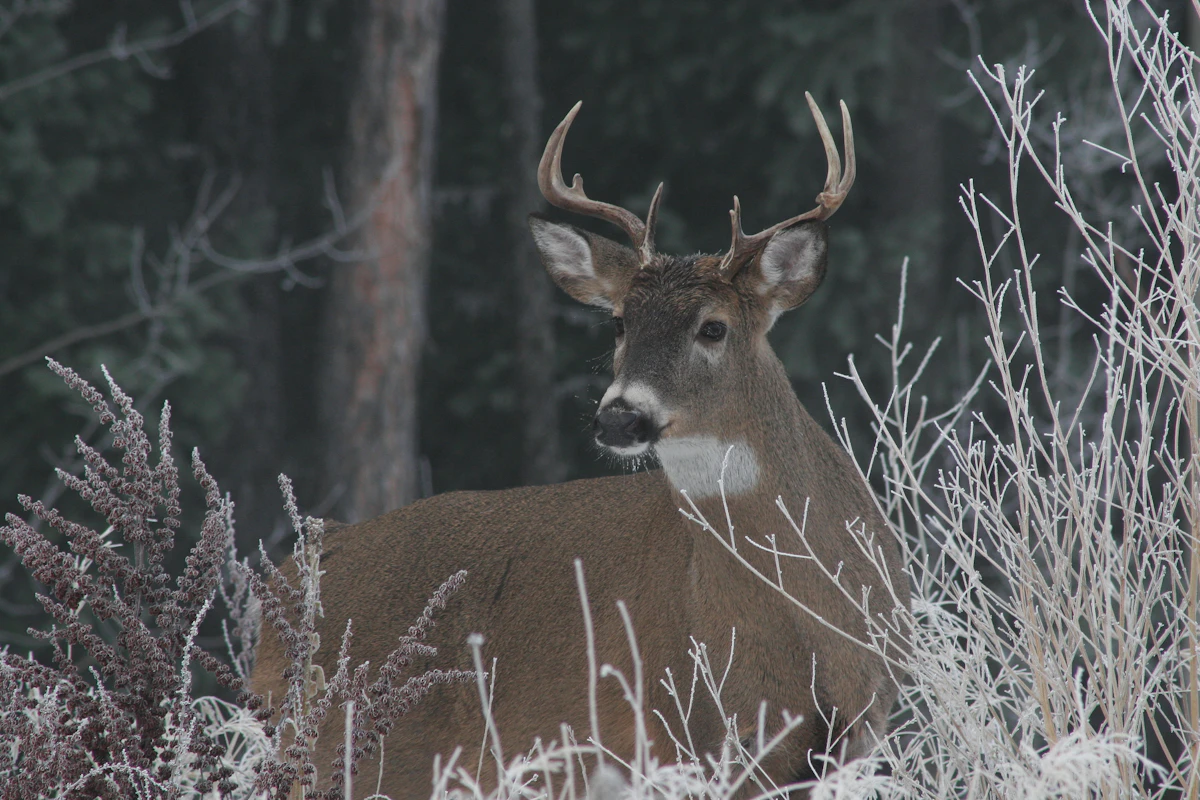
Late season whitetail hunting separates casual hunters from those who understand deer behavior under stress. By December and January, the rut has ended, hunting pressure has pushed deer into survival mode, and cold weather forces predictable movement patterns. Bucks that ghost through September and October suddenly become catchable if you know where to look.
This is not the season for aggressive tactics or all-day sits in marginal locations. Late season success comes from identifying a buck's core area, understanding his feeding pattern, and waiting for weather windows that force movement during legal light. The margin for error shrinks, but so does the competition. Most hunters have tagged out or quit. The deer you are after now are survivors.
Why Late Season Bucks Are Easier to Pattern
Once the rut winds down, mature bucks return to a simple routine: bed, feed, repeat. Their home range contracts. They stop chasing does and start prioritizing calorie intake to recover body condition before deep winter. This shift makes them predictable.
Cold snaps, especially multi-day stretches below 20 degrees, trigger heavy feeding. Bucks that bed until dark in mild weather will move an hour before sunset when temperatures drop. They cannot afford to miss meals. Find the food source they are hitting, and you can time your setup within a 30-minute window.
Snow helps immensely. Fresh tracks tell you exactly where deer are feeding, which travel routes they are using, and how recently they passed through. A buck that avoids open fields during rifle season will walk straight across them in January if the nearest standing corn is 200 yards away.
Food Sources Dictate Everything
Late season whitetails live and die by available calories. Identify the highest-energy food source in your area, and you have located the kill zone.
Standing corn, soybeans, and winter wheat top the list. If agricultural fields remain unharvested or replanted, deer will hammer them. Glass these fields from a distance during the last two hours of light. Bucks will stage in nearby cover before stepping out, usually in the same spot each evening.
When row crops are gone, look for mast crops that held through late fall. White oak acorns, if any remain, pull deer like magnets. Honeysuckle, greenbriar, and other browse becomes critical in areas without ag. Find the thickest, most protected food source, and you will find bedded deer nearby.
Food plots designed for late season—brassicas, turnips, radishes—pay off now. These crops sweeten after frost and provide concentrated nutrition when natural forage is exhausted. If you have access to managed land, a well-placed Brassica plot within 200 yards of bedding cover is a setup waiting to happen.
Bedding Areas Become Sanctuaries
By late season, pressured bucks have learned where they feel safe. They bed in the nastiest cover available: logged hardwoods, cattail swamps, thick cedar groves, or brushy creek bottoms. These areas are uncomfortable to hunt, which is exactly why mature deer choose them.
Do not push into bedding areas unless you plan to kill a deer that day. One intrusion can blow a buck out of his core area for good. Instead, set up on the downwind edge of his bedroom, between his bed and his preferred food source. He has to come past you eventually.
If you must hunt close to bedding cover, use a climber or saddle to get 20 feet up. Bucks moving from bed to feed often skyline themselves on ridges or hug edges where they can see approaching danger. An elevated position keeps your scent above ground level and extends your shooting lanes.
Timing Your Sits for Cold Weather Windows
Temperature drives late season movement more than any other factor. Bucks bed tight during mild spells and feed heavily when cold fronts arrive. Plan your hunts around weather, not your work schedule.
Target days when highs stay below 30 degrees, especially if the cold snap follows a warm stretch. Deer will move earlier and stay out longer to compensate for lost feeding time. A trailing wind of 10-15 mph helps. Bucks feel more comfortable moving in wind because it masks sound and breaks up their outline.
Morning hunts work if you can access your stand without spooking bedded deer. Bucks often feed until shooting light, then return to their bedding area via the same trail they used the night before. If you can slip in under darkness and set up on that trail, you have a legitimate chance at a mature deer heading home at first light.
Evening setups are more forgiving. Position yourself on a primary trail between bedding and feed by 2:00 PM. Sit until dark. Late season bucks often move in the final 20 minutes of light, and you need to be ready when they show.
Scent Control and Wind Discipline
Late season deer have survived months of pressure. Their noses are sharp, and they will not tolerate mistakes. Hunt only when wind direction is perfect, or stay home.
Treat your clothing with ozone or scent-eliminating spray. Store hunting clothes in airtight containers between hunts. Shower with unscented soap before every sit. These habits are non-negotiable.
Use wind to your advantage by setting up where thermals and prevailing winds work together. In the evening, cool air sinks into valleys and drainages. Position yourself on the high side of trails so your scent drifts away from bedding areas. In the morning, warming air rises. Adjust your setup accordingly.
If a buck winds you, the game is over. He will not forget. Hunt conservatively. Only move in when conditions are right.
Glass First, Hunt Second
Late season success comes from observation, not aggression. Before you hunt a property, spend a day glassing from a distance. Bring binoculars and a spotting scope. Watch fields, funnels, and staging areas during the last two hours of light.
Note where bucks enter the field, which trails they use, and how long they stay. Pay attention to older deer. A mature buck will rarely be the first deer to step into the open. He will hang back in cover, watching does and younger bucks feed, before committing.
Once you know where a buck is entering, scout the trail back toward his bedding area. Look for rubs, scrapes, and fresh tracks. Find the intersection where multiple trails converge, and set up there. You want to intercept him before he reaches the field, where he can see you climb into your stand or catch your scent drifting across open ground.
The Value of Midday Movement
Most hunters sit morning and evening, then leave the woods during midday. That is a mistake in late season. When temperatures stay brutally cold, deer often get up to feed between 10:00 AM and 2:00 PM, especially on south-facing slopes where the sun warms the ground.
If you have all day to hunt, stay put. Bring extra layers, a thermos of coffee, and snacks. Bucks will move when they feel the need, not when it is convenient for you. Some of the biggest late season kills happen between 11:00 AM and 1:00 PM when other hunters are eating lunch in their trucks.
This is particularly true after a fresh snowfall. Deer bed down during the storm, then move as soon as it stops to refuel. If six inches of snow fell overnight and the skies clear by mid-morning, expect deer to be on their feet by noon.
Shot Placement and Recovery in Cold Weather
Late season bucks are in recovery mode from the rut, but they are still tough animals. A marginal hit in cold weather complicates recovery. Aim for the boiler room—heart and lungs—and pass on anything less than a clean broadside or quartering-away shot.
Cold temperatures slow blood loss and make tracking harder. A deer that would bleed heavily in October leaves minimal sign in January when blood freezes quickly. If you make a questionable hit, wait at least four hours before tracking. Give the deer time to bed down and expire.
Bring a headlamp, flagging tape, and a second person if possible. Late season blood trails are difficult, and you may be tracking after dark. Mark each drop of blood with flagging so you can backtrack if you lose the trail. Move slowly and scan ahead for the downed deer before you step into thick cover.
How TAGZ Helps You Plan Smarter Hunts
Late season hunting works best when you know the land, but that is tough if you are hunting a new property or scouting multiple states for future opportunities. TAGZ gives you the tools to study terrain, identify bedding cover, and locate potential food sources before you ever step into the field.
Use TAGZ terrain maps to find south-facing slopes, thick drainages, and transition zones between bedding and feeding areas. Layer public land boundaries so you know where you can legally hunt. Compare unit data to see which areas have the longest seasons and the best late-season access. Whether you are planning a whitetail hunt in Iowa or a mule deer hunt in Montana, TAGZ helps you make smarter decisions before the season opens.
Track application deadlines, preference points, and bonus points across every state you hunt. TAGZ keeps your information organized so you never miss a draw or waste points on the wrong unit. The platform is built for hunters who take their scouting as seriously as their time in the field.
FAQ — Late Season Whitetail Hunting
What is the best weather for late season whitetail hunting?
Cold snaps below 20 degrees trigger heavy feeding and push bucks to move during daylight. Target multi-day cold fronts, especially after a warm stretch.
Where do mature bucks bed in late season?
Thick, nasty cover where hunting pressure cannot reach them—logged hardwoods, swamps, cedar thickets, and brushy creek bottoms. They prioritize security over comfort.
Should I hunt all day in late season?
Yes, if temperatures stay cold. Deer often move midday to feed when the sun warms south-facing slopes. Some of the best late season bucks are killed between 11:00 AM and 2:00 PM.
How do I find late season food sources?
Glass agricultural fields during the last two hours of light. Look for standing corn, soybeans, and winter wheat. If crops are gone, find mast that held through fall or thick browse near bedding areas.
What is the biggest mistake late season hunters make?
Pushing into bedding areas and spooking deer. Once a mature buck is bumped from his core area, he may not return. Hunt the edges and let him come to you.
How close should I set up to a food source?
Intersect travel routes between bedding and feeding areas, ideally 100-200 yards from the field edge. Bucks will stage in cover before stepping into the open, and that is where you want to be waiting.
Continue Planning Your Hunt
Late season whitetail hunting rewards patience, preparation, and attention to detail. If you are serious about filling a tag when most hunters have quit, you need to understand how cold weather changes deer behavior and where mature bucks go when survival becomes their only priority.
For more strategies on hunting big game across the West, check out the full library of articles on TAGZ Insights. Whether you are chasing late-season whitetails in the Midwest or planning a multi-state western hunt, the decision-making tools on TAGZ help you scout smarter, apply confidently, and maximize your time in the field. Ready to start planning your next hunt? Explore TAGZ pricing and see how the platform simplifies every step from research to tag in hand.
Was this article helpful?
Previous
How Big Do Florida Alligators Get? Size Records and What Hunters Should Know
Florida alligators average 8–11 feet, but record bulls exceed 14 feet and 800 pounds. Understanding size patterns, growth rates, and where trophy gators live helps hunters target mature animals during Florida's regulated harvest seasons.
Next
Best Bear Hunting Gear for Florida Conditions
Florida bear hunting demands specialized gear built for heat, humidity, and swamp terrain. This guide covers clothing, boots, scent control, stands, and essential equipment that actually performs in the subtropics.