Florida Alligator Hunting: Complete Beginner's Guide
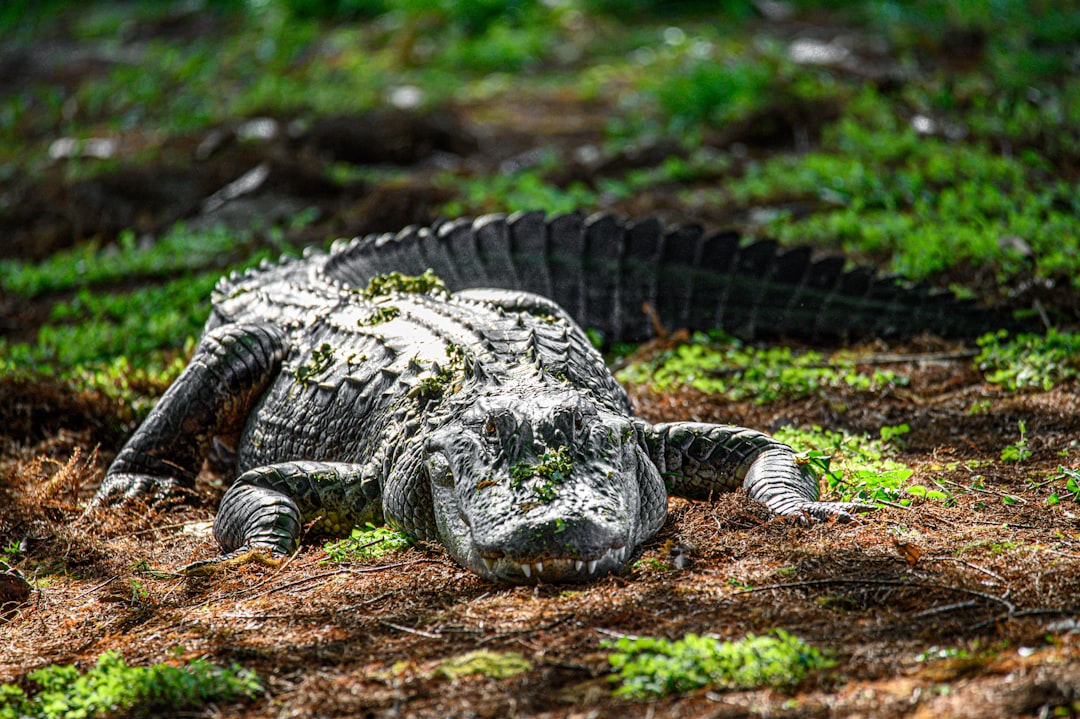
Florida's alligator harvest program stands apart from traditional big game hunting in nearly every way. Unlike waiting years for a trophy elk tag or studying draw odds for pronghorn, Florida awards alligator permits through a random lottery with relatively favorable odds. The season runs during the hottest months of the year, the hunting techniques resemble fishing more than stalking, and success depends on understanding an apex predator that has remained virtually unchanged for millions of years.
If you have hunted deer, elk, or other big game, alligator hunting will challenge everything you know about field craft. The learning curve is steep, but Florida's healthy gator population and accessible permit system make this one of the most achievable exotic hunts in North America. This guide covers the permit application process, essential gear, proven hunting methods, and the field skills that separate successful gator hunters from those who come home empty-handed.
How Florida's Alligator Permit System Works
Florida manages alligator hunting through a statewide harvest program administered by the Florida Fish and Wildlife Conservation Commission (FWC). The season typically runs from August 15 through November 1, with specific dates varying slightly by year and management unit.
Permits are allocated through a random drawing held each spring, usually in late May or early June. Florida residents and nonresidents can apply, though residents receive preference in the allocation system. The application period opens in early May and closes approximately two weeks later. You apply online through the FWC website, and each applicant can request up to two separate hunt areas from the available management units.
Each permit authorizes the harvest of two alligators. You can purchase additional permits if your name is drawn multiple times or if you want to hunt with someone else who drew a permit. Permit holders can designate up to one assistant to help with the hunt, and that assistant must be listed on the permit before hunting begins.
Permit costs vary based on residency. Florida residents pay significantly less than nonresidents, with fees typically ranging from $272 for residents to over $1,000 for nonresidents when you include the required license, permit, and harvest tag fees. The FWC adjusts these fees periodically, so verify current pricing when you apply.
Draw odds fluctuate by management unit, but they remain far more favorable than western big game draws. Popular units near major population centers may have 10 to 20 applicants per permit, while remote areas might see only 3 to 5 applicants per permit. Unlike preference point systems, every applicant starts fresh each year, making this an accessible hunt for first-timers.
Essential Gear for Alligator Hunting
Alligator hunting requires specialized equipment that differs dramatically from traditional big game gear. You cannot legally harvest an alligator with a firearm as your primary weapon in Florida. Instead, you must first secure the animal using a harpoon, snatch hook, or hand-held rope snare, then dispatch it with a bangstick or firearm once it is controlled.
Your primary capture tools include harpoons with detachable heads connected to heavy braided line, treble snatch hooks on weighted lines, and baited lines set before legal shooting hours. Harpoons work best for close-range shots when you can clearly see the animal. Snatch hooks allow you to feel for submerged gators by dragging the weighted hook along the bottom. Both methods require heavy monofilament or braided line rated for at least 200 pounds, spooled on a fishing reel or hand line system.
Bangsticks serve as the primary dispatch tool. These powerhead devices fire a shotgun shell or pistol cartridge when pressed firmly against the alligator's skull. Most hunters use .357 Magnum, .44 Magnum, or 12-gauge bangsticks. The bangstick must make direct contact with the animal to fire, making it safer than a traditional firearm when working in close quarters on a boat.
Boat requirements depend on where you hunt. Most productive alligator water requires a shallow-draft boat that can navigate lakes, rivers, and marshes in low light. Jon boats, Carolina skiffs, and flats boats all work well. You need strong bow and stern lights, a powerful spotlight or headlamp for eye shine detection, and a kill switch that automatically shuts off the motor if the operator falls overboard. Never hunt alone, and always wear a life jacket when the boat is moving.
Additional critical gear includes heavy-duty bolt cutters or cable cutters for line management, a cooler large enough to hold an alligator on ice, several large tarps, and multiple headlamps with red light options. Bring a quality measuring tape, since Florida regulations require specific harvest size limits in certain areas.
TAGZ helps you track draw deadlines across multiple states and plan hunts that complement your alligator season timing. While TAGZ focuses primarily on western big game, the platform's deadline tracking ensures you never miss an application window when planning hunting trips that span different regions and seasons.
Proven Hunting Techniques and Strategies
Alligator hunting happens almost entirely after dark. Gators are most active from dusk through the early morning hours, and their eyes reflect light in a distinctive red or orange glow that makes them visible at distances exceeding 100 yards. You hunt by slowly motoring through legal waters with a powerful spotlight, scanning the shoreline and open water for eye shine.
When you spot eye shine, approach slowly and quietly. Large alligators are extremely wary and will submerge if they detect noise, vibration, or sudden movement. Position your boat within harpoon range, typically 10 to 15 feet, before making your shot. Aim for the back of the head or shoulders, never the tail. A properly placed harpoon penetrates the tough hide and holds securely while you work the animal to the boat.
Once harpooned, the real work begins. Alligators possess incredible strength and will dive, roll, and thrash violently. Keep constant tension on the line, working the animal in circles to tire it out. Never wrap the line around your hand or any body part. The gator will eventually surface, and you must be ready with your bangstick the moment you have a clear shot at the back of the skull. The kill zone is small, roughly the size of a quarter, located between the eyes and ears.
Snatch hooking works in areas where vegetation or turbidity prevents visual identification of gators. You cast a weighted treble hook on heavy line into likely holding areas, then slowly drag it along the bottom. When you feel a solid weight, set the hook hard and begin working the animal to the surface. This technique requires patience and physical endurance, since you may snag logs, vegetation, or bottom structure dozens of times before hooking a gator.
Some hunters prefer baited line sets, which you must check before legal shooting hours end each night. These passive sets use large hooks baited with fish or chicken, suspended at the correct depth with floats. When a gator takes the bait and becomes hooked, you return to the set, secure the line, and dispatch the animal with a bangstick. This method works well in areas with high gator densities but requires careful line placement and frequent checking to prevent injury to non-target wildlife.
Weather dramatically affects alligator activity. Warm, calm nights with light wind produce the best hunting conditions. Cold fronts, heavy rain, and high winds push gators into deeper water or thick vegetation where they become nearly impossible to locate. Plan your hunt during stable weather patterns, and focus your efforts during the first few hours after dark when feeding activity peaks.
Field Dressing and Meat Care
Alligator meat spoils quickly in Florida's heat, making immediate field care critical. Once you harvest your gator, place it on ice as soon as possible. Most hunters skin the animal in the field or at a cleaning station rather than transporting the entire carcass.
The tail contains the highest quality meat, with dense, white muscle that resembles chicken or mild fish when properly cooked. The jaw and leg meat is also edible but requires more aggressive trimming of connective tissue. Avoid meat with a strong smell or discolored appearance, which indicates the gator was stressed before harvest or not properly cooled.
Skinning an alligator requires a sharp knife and patience. Cut along the belly from throat to tail, then carefully separate the hide from the underlying tissue. The skin has significant value, and many processors will purchase quality hides or tan them for a fee. If you plan to mount your gator, take careful measurements and photographs immediately after harvest, then contact a qualified taxidermist who specializes in reptiles.
Florida requires you to report your harvest and validate your tags according to specific FWC rules. Failure to properly tag and report your gator can result in significant fines and loss of future hunting privileges.
Safety Considerations and Common Mistakes
Alligator hunting carries inherent risks that demand respect and preparation. These animals are incredibly powerful, and a single mistake can result in serious injury or death. Always hunt with a partner, never lean over the side of a boat when working a gator, and maintain constant awareness of line position to avoid entanglement.
The most common mistake beginners make is underestimating the size and strength of their target. A six-foot alligator can easily pull an unprepared hunter overboard or capsize a small boat. Always err on the side of caution, use heavier gear than you think necessary, and never attempt to hand-land a gator that has not been properly secured with a harpoon or snatch hook.
Boat safety becomes critical when hunting in low light. Know your water, study maps during daylight, and mark hazards on a GPS before hunting begins. Carry multiple lights, a VHF radio or satellite communicator, and a well-stocked first aid kit that includes trauma supplies.
Many first-time gator hunters also struggle with shot placement when using a bangstick. The kill zone is small, and missing the mark results in a wounded, angry animal that becomes exponentially more dangerous. Practice bangstick deployment before your hunt, understand the anatomy of an alligator skull, and wait for a clear, stable shot before firing.
Where to Find the Best Alligator Hunting in Florida
Florida's alligator population thrives throughout the state, but certain management units consistently produce higher harvest rates and larger animals. The St. Johns River system, Lake Okeechobee, and the Everglades region all offer excellent opportunities, though these areas also attract the most applicants during the permit draw.
Less pressured units exist throughout North and Central Florida, particularly in the Panhandle and along smaller river systems. These areas may not produce as many trophy-class gators, but they offer better draw odds and less competition once the season opens. TAGZ's mapping tools and unit comparison features help western hunters understand how Florida's management units differ, though the platform focuses primarily on big game species in western states.
Public access varies significantly by unit. Some areas provide extensive boat ramps and shoreline access, while others require permission to hunt private water. Research access points before applying, and contact landowners well in advance if your drawn unit includes private property.
From Application to Harvest: Planning Your Hunt
Successful alligator hunting starts with proper planning months before the season opens. Apply during the May application period, carefully selecting management units that match your access and experience level. Once drawn, begin scouting during late spring or early summer to identify productive water and locate concentrations of gators.
Purchase or assemble your gear early. Quality harpoons, bangsticks, and heavy line can be difficult to find as the season approaches, and you want time to practice with your equipment before opening night. Consider hiring a guide for your first hunt, especially if you lack experience running a boat in low light or handling large reptiles.
Florida's August heat is brutal, and hunts often extend late into the night. Pack plenty of water, electrolyte drinks, and high-energy snacks. Wear lightweight, moisture-wicking clothing and a quality life jacket that will not restrict your movement when working a gator.
Book processing and taxidermy services before your hunt. Quality processors fill their schedules quickly, and showing up with a harvested gator and no plan for the meat or hide creates unnecessary stress. Many processors also offer guided hunts or can recommend experienced hunters willing to share their knowledge.
FAQ — Florida Alligator Hunting
How hard is it to draw a Florida alligator permit?
Draw odds vary by unit but average between 5:1 and 15:1 statewide. Remote units may offer odds as favorable as 3:1, while popular areas near major cities can exceed 20:1. Unlike western big game draws, Florida's system is entirely random with no preference points, so first-time applicants have the same chance as veterans.
Can you hunt alligators without a boat in Florida?
Technically yes, but your success rate will be extremely low. The vast majority of harvestable alligators live in water that requires boat access. Bank fishing and wading methods work only in very specific circumstances and are generally not practical for most hunters.
What size alligator should a beginner target?
Focus on alligators between 6 and 8 feet long. These animals provide excellent meat, a quality hide, and are far more manageable than larger gators. Animals exceeding 10 feet require significantly more strength, experience, and heavy equipment to harvest safely.
Do you need a guide for your first alligator hunt?
A guide dramatically increases your odds of success and safety. Experienced guides know productive water, own proper equipment, and can teach you techniques that take years to learn on your own. Budget $500 to $1,500 per day for quality guided hunts, though prices vary by location and services offered.
What does alligator meat taste like?
Alligator tail meat is mild, firm, and white with a texture between chicken and fish. It absorbs marinades well and works in most recipes calling for chicken or seafood. The meat has virtually no gamey flavor when properly handled and cooked.
When is the best time during the season to hunt alligators?
The first two weeks of the season, typically mid to late August, offer the best hunting. Gators are most active during this period, and hunting pressure remains relatively light. As the season progresses, harvested areas see reduced gator activity, and remaining animals become more wary.
Continue Planning Your Hunt
Alligator hunting represents a unique challenge that tests different skills than traditional big game hunting, but the rewards—including incredible table fare and a truly memorable experience—make it worth the effort. Whether you are a Florida resident looking for a new adventure or a western hunter planning a late-summer trip before fall elk season, the alligator harvest program offers accessible, exciting opportunities.
For hunters managing applications across multiple states and species, TAGZ simplifies the planning process by tracking draw deadlines, preference points, and bonus points so you never miss an application window. While Florida's alligator draw operates differently than western big game systems, staying organized across all your hunting applications ensures you maximize your opportunities each year.
Explore additional hunting strategies, unit breakdowns, and application tips on the TAGZ Insights page, where you will find in-depth content covering draw systems, hunt planning, and field tactics for serious hunters. Ready to take control of your draw strategy? Check out TAGZ pricing and discover how the platform helps you compare units, analyze draw odds, and plan hunts with confidence.
Florida's swamps and waterways hold prehistoric predators that have survived millennia largely unchanged. Hunting them requires patience, respect, and a willingness to adapt your skills to an entirely new environment. Put in the work, learn from experienced hunters, and you will come away with not just meat and a hide, but a story worth telling for years to come.
Was this article helpful?
Previous
Best Clothing for Whitetail Hunters: Field-Tested Gear That Works
The right clothing system keeps whitetail hunters comfortable, quiet, and concealed from September through December. This guide covers base layers, insulation, outer shells, and scent control across early-season bowhunts and late-season gun hunts.
Next
Best Compound Bows for Elk Hunting in 2025
Choosing the right compound bow for elk hunting requires balancing draw weight, axle-to-axle length, and shootability. This guide breaks down the top performers for backcountry and treestand hunters, plus the specs that matter most when hunting North America's toughest big game.