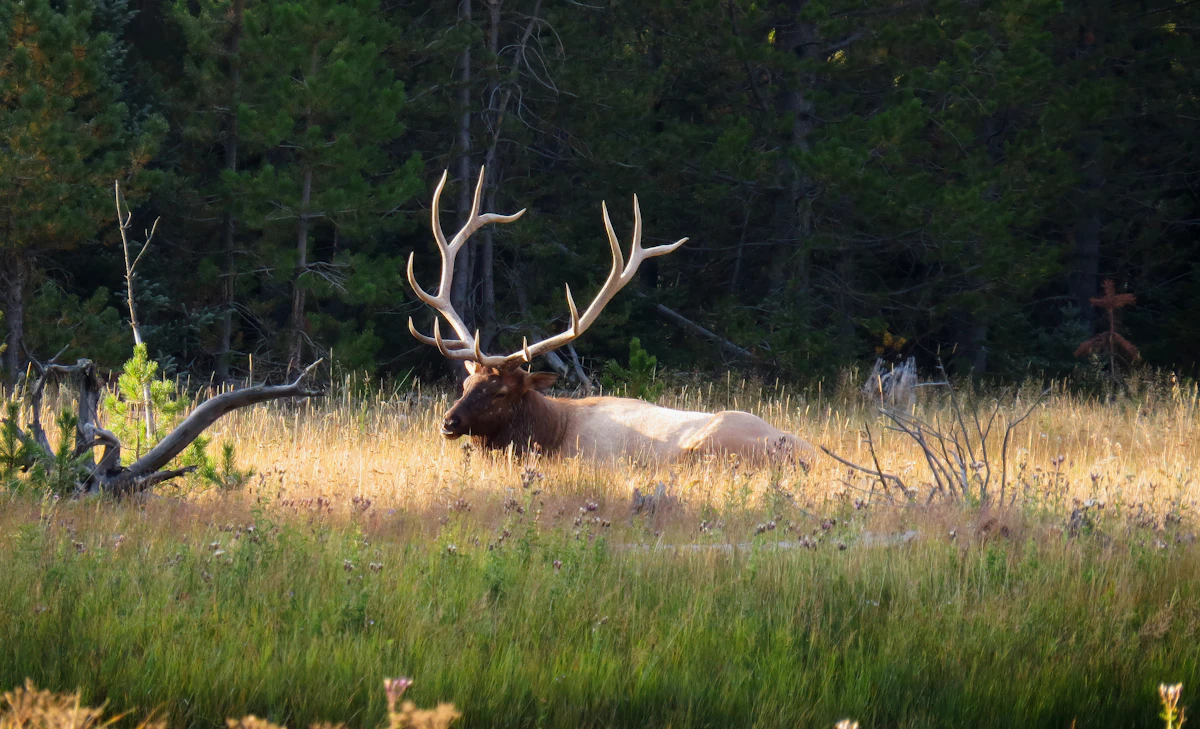
Finding Hidden Elk Pockets Everyone Walks Past
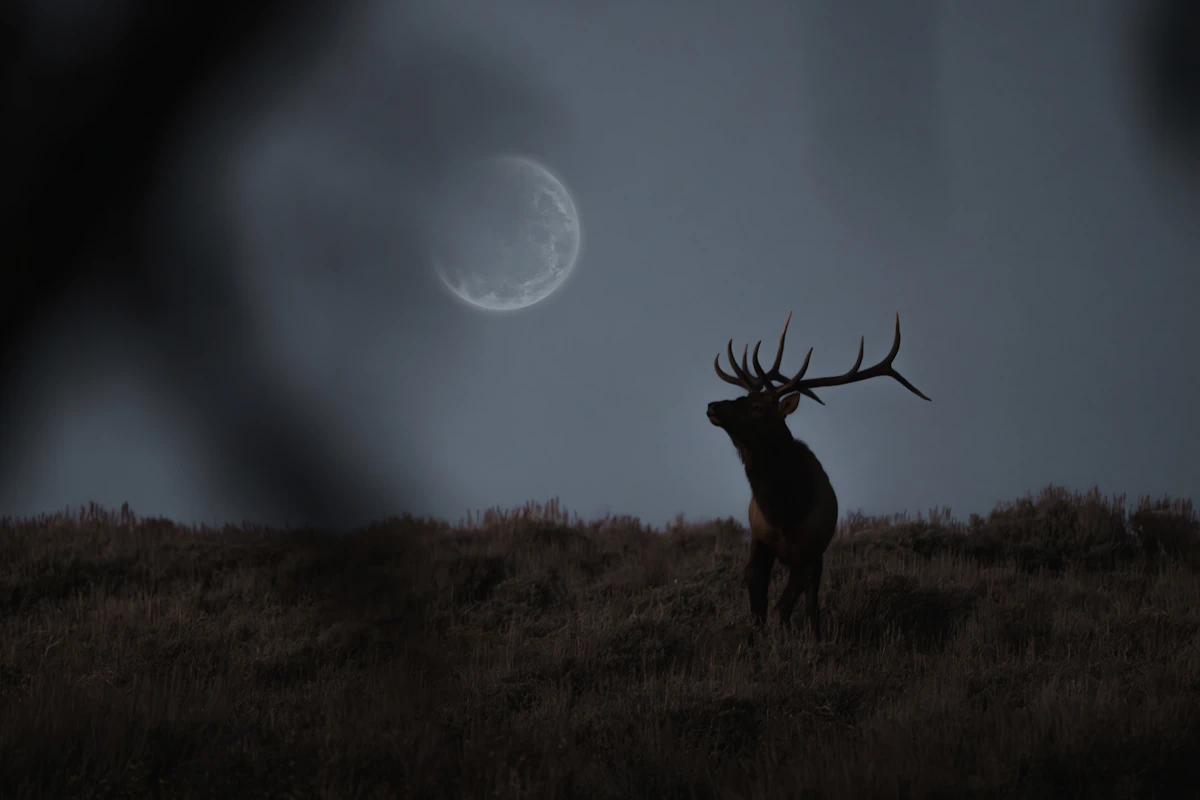
Every September, thousands of hunters push miles into wilderness areas chasing bugling bulls. Meanwhile, savvy elk hunters are filling tags within a half-mile of the trailhead by recognizing hidden pockets that 90% of hunters walk right past. These overlooked zones consistently hold elk because they offer everything a herd needs while sitting just outside the mental map most hunters carry into the field.
The best hidden pockets are not geographic secrets. They are psychological blind spots. Most hunters assume elk pressure pushes animals deep, so they burn energy hiking past productive terrain in the first few hours of opening morning. Understanding why certain features get ignored and how elk use them creates opportunities that do not require peak physical conditioning or week-long pack trips.
Why Hunters Walk Past Good Elk Habitat
The modern elk hunting narrative emphasizes backcountry suffering. Magazines feature pack-in camps, grueling climbs, and multi-day treks. This creates a cognitive bias where hunters equate distance with success and proximity with futility. If a spot is within earshot of a road, it must be hammered.
Elk do not think this way. They move based on food, water, cover, and pressure patterns. A drainage half a mile from a parking area that offers thick bedding timber, a reliable spring, and north-facing slopes can hold elk all season if the terrain discourages foot traffic. Hunters pass these pockets because they are mentally committed to hiking deeper before they start hunting.
Another factor is terrain selection bias. Most hunters gravitate toward dramatic ridgelines and open parks visible on maps. These areas look huntable, offer long sightlines, and match the Instagram version of elk country. But elk often bed in messy, uninviting pockets, timbered benches below ridgelines, or tangled creek bottoms that appear too thick to bother with. The spots that look difficult to hunt on a map are often the ones holding undisturbed animals.
Terrain Features Everyone Ignores
Certain landscape features consistently get walked past because they do not fit the mental image of prime elk habitat or they seem too difficult to hunt effectively. Recognizing these features is the first step toward finding hidden pockets.
Timbered Benches Below Ridgelines
Most hunters push to ridgelines for glassing or follow them as travel corridors. Mature bulls often bed on small benches 100 to 300 yards below the ridgeline, tucked into dark timber where thermals and wind patterns create scent advantage. These benches are hard to see from above and require deliberate downhill side-hilling to reach. Few hunters make that move voluntarily.
Look for benches on north-facing slopes where timber stays dense and cool. Elk bed where they can watch downhill approaches while thermal winds carry scent upslope during midday. If the bench has a spring or seep, it becomes a magnet during dry seasons.
Creek Bottoms With Blowdown
Thick creek drainages choked with deadfall look miserable on the approach, so most hunters route around them. Elk move into these zones precisely because human traffic avoids them. Blowdown creates complex cover that breaks up shapes and silences movement. Water is guaranteed, and the canopy stays cool through midday.
Focus on creek bottoms that connect higher bedding areas to feeding zones. Elk use these as midday hideouts and transition corridors during low light. If you can tolerate slow, deliberate still-hunting through nasty cover, these drainages produce encounters other hunters never have.
Saddles With Timber Fill
Open saddles get hunted hard because they are natural funnels. But timbered saddles, especially narrow ones filled with mature spruce or fir, are often ignored. Elk cross these constantly because they offer concealment and quick access between drainages. Hunters skip them because they do not offer shooting lanes or easy glassing.
Set up on the downwind edge of a timbered saddle during evening thermals, and you will intercept elk moving between bedding and feeding areas. These zones are especially productive during the rut when bulls are cruising between cow groups.
Small Parks Surrounded by Dark Timber
Large meadows and parks attract attention. Tiny openings, 50 to 100 yards across and completely surrounded by dense lodgepole or spruce, get passed over because they are hard to spot and seem insignificant. Elk use these micro-parks for feeding and midday loafing because they provide food and immediate escape cover.
These pockets are almost impossible to hunt by walking through them. Instead, identify them on high-resolution satellite imagery or during summer scouting, then set up on the downwind edge during prime feeding hours. A single small park in a sea of timber can hold elk all season if pressure never penetrates the surrounding forest.
How to Identify Hidden Pockets on Maps
Finding overlooked terrain starts before you leave home. Modern mapping tools reveal features that separate productive pockets from empty ground, and understanding how to read between the contour lines gives you a major advantage.
Look for Terrain That Discourages Foot Traffic
Study topographic maps and identify areas where terrain naturally funnels hunters elsewhere. Steep, timbered slopes that require sustained uphill or downhill side-hilling rarely see pressure. Drainages with tight contour spacing and creek crossings slow travel and discourage exploration.
On TAGZ unit maps, overlay terrain slope layers and identify zones where moderate-to-steep slopes meet dense timber. These areas are often within two miles of roads but see minimal traffic because they require effort without offering obvious rewards. Elk recognize these zones as low-pressure refuges.
Find North-Facing Slopes Near Roads
North-facing slopes stay cooler and hold better cover. When these slopes are close to roads but obscured by terrain features like ridges or drainages, they become hidden pockets. Most hunters assume anything near a road is worthless, but elk will bed within earshot of traffic if the slope provides thermal advantage and security cover.
Use satellite imagery to confirm timber density. Dark green canopy indicates mature forest with limited understory, which elk prefer for bedding. If the slope has a water source and sits within a half-mile of road access, it is worth investigating.
Identify Transition Zones Between Pressure and Wilderness
Elk do not live in wilderness cores during early season. They use transition zones where accessible terrain meets roadless backcountry. These edges offer the best of both worlds: food and water from lower elevations, escape routes into wilderness, and enough human avoidance behavior to keep them alert but not spooked.
On unit maps, identify the first major ridge or drainage system beyond the two-mile mark from road access. This is where pressure drops off and elk settle into patterns. Pockets in this transition zone hold elk that have been pushed out of more accessible areas but have not committed to deep backcountry movement.
Using Pressure Patterns to Predict Hidden Pockets
Elk respond to human pressure predictably. Understanding how hunters distribute across a unit tells you where elk are not, and more importantly, where they are. Most hunters cluster at popular trailheads, high-profile basins, and areas featured in social media trip reports. This creates pressure corridors and low-use pockets within the same unit.
Hunt Between Popular Zones
Identify the two or three most popular areas in a unit, then focus on drainages and ridges between them. These in-between zones see minimal traffic because hunters are committed to reaching destination basins. Elk pushed out of high-pressure areas often settle into these buffers.
Use TAGZ to track trailhead and unit popularity data. If a unit has two heavily used access points, the terrain between them is likely underutilized. These areas are not wilderness, but they do not need to be. They just need to be ignored.
Focus on Zones Hunters Walk Through
Many areas serve as travel corridors rather than hunting destinations. Hunters pass through on their way somewhere else, never stopping to actually hunt. Elk learn this pattern quickly and use these corridors for daytime movement and feeding.
Look for trails that connect parking areas to popular basins. The first mile of these trails often passes through productive elk habitat, but hunters are in travel mode, covering ground to reach their intended destination. Set up in this zone and hunt it like a destination, and you will encounter elk that are acclimated to human traffic but not actively being hunted.
Still-Hunting Hidden Pockets Effectively
Finding hidden pockets is only half the equation. Hunting them requires a different approach than glassing open basins or calling in parks. These zones demand slow movement, attention to wind, and the patience to hunt cover instead of openings.
Move Like You Expect Elk in the Next 50 Yards
In thick cover, encounters happen at close range. Most hunters move too fast because they are conditioned to cover ground between glassing points. In hidden pockets, every step should be deliberate. Pause frequently, glass into timber, and listen for movement.
Elk in these zones are not spooked by distant pressure. They are relaxed but alert. If you crash through blowdown or move upwind, you will push them out without ever knowing they were there. Move like you are stalking, even when you are not on a specific animal.
Hunt Midday When Others Are Resting
Hidden pockets near roads and trails are most productive during midday hours when other hunters are back at camp or glassing from ridges. Elk that bed in these zones during midday are often undisturbed because hunters assume they need to be higher or deeper. A slow midday still-hunt through thick timber or a timbered bench can produce encounters when everyone else is eating lunch.
Use Thermals to Your Advantage
In timbered pockets, wind is less important than thermals. Morning thermals drop into drainages and valleys. Evening thermals rise toward ridges. Elk bed where thermals carry scent away from likely danger. Plan your approach to match thermal direction and you will get close to bedded animals.
Still-hunt uphill during morning thermals and downhill during evening thermals. This keeps your scent below or above bedded elk and allows you to move into position without being winded.
Common Mistakes When Hunting Hidden Pockets
Even when hunters identify productive pockets, they often hunt them incorrectly. These mistakes blow opportunities and reinforce the bias that close-in terrain does not hold elk.
Hunting Too Fast
The biggest mistake is treating hidden pockets like transition zones. Hunters move through them at hiking speed, glassing ahead but never truly hunting the cover. In thick terrain, elk detect movement long before they are visible. Slow down to the point where it feels uncomfortable, then slow down more.
Ignoring Water Sources
Every elk pocket has a water source. It might be a spring, a seep, a small creek, or even a stock tank. Hunters often focus on bedding cover and feeding areas while ignoring the water that ties it all together. Identify the water source and you will understand elk movement patterns within the pocket.
Over-Calling in Tight Cover
Calling works in open terrain where elk can respond from a distance. In tight pockets, aggressive calling often spooks elk instead of attracting them. They hear you, they know exactly where you are, and they circle downwind or slip away through cover. Use calling sparingly and rely more on positioning and patience.
Giving Up After One Visit
A hidden pocket that does not produce on the first hunt is not necessarily empty. Elk use these zones inconsistently based on pressure elsewhere in the unit. A pocket that is quiet on opening weekend might be full of elk a week later after pressure pushes animals out of more visible areas. Revisit productive pockets multiple times throughout the season.
How TAGZ Helps You Identify Overlooked Terrain
Finding hidden elk pockets requires more than boots-on-the-ground effort. Modern hunt planning tools give you the ability to analyze terrain, pressure patterns, and unit characteristics before you ever leave home. TAGZ simplifies this process by combining mapping, historical data, and filtering tools into a single platform.
Use TAGZ terrain maps to identify slope angles, timber density, and water sources within units. Overlay public land boundaries to confirm access, then filter units based on draw odds and weapon type to match your application strategy. The platform tracks preference points and bonus points across multiple states, so you can plan hunts in hidden pockets whether you are chasing OTC tags or building points for limited-entry units.
Compare units side by side to see which ones have lower hunter densities and better distributions of terrain features that create hidden pockets. Track draw deadlines so you never miss an application window, and use historical draw data to predict when you will draw tags for units where you have already identified productive terrain.
TAGZ gives you the tools to make smarter decisions before you step into the field, helping you identify units where hidden pockets exist and plan hunts that do not require extreme physical conditioning or wilderness packing. Whether you are hunting Colorado OTC units, Montana general tags, or limited-entry zones in Idaho, the platform helps you find overlooked terrain that other hunters walk past every season.
FAQ — Finding Hidden Elk Pockets
Where do elk hide close to roads?
Elk bed on timbered benches below ridgelines, in thick creek bottoms with blowdown, and on north-facing slopes with dense canopy cover. These zones offer thermal advantage, security cover, and immediate escape routes while sitting close to road access.
How do I find hidden elk pockets on a map?
Look for north-facing slopes with dense timber, timbered saddles between drainages, and creek bottoms near water sources. Identify terrain that discourages foot traffic, such as steep side-hills or areas with tight contour spacing, then confirm access using public land overlays.
Why do hunters walk past productive elk habitat?
Most hunters assume elk move deep into backcountry under pressure, so they mentally commit to hiking several miles before they start hunting. This creates a psychological blind spot where productive terrain close to roads gets ignored because it does not match the narrative of backcountry elk hunting.
What is the best time to hunt hidden pockets?
Midday hours are most productive because other hunters are resting or glassing from ridges. Elk bed in hidden pockets during midday, and slow still-hunting through thick cover during this window produces encounters when pressure is lowest.
How close to a road will elk bed?
Elk will bed within a quarter-mile of roads if the terrain provides security cover and thermal advantage. North-facing slopes, timbered benches, and drainages that are obscured from roads hold elk consistently because they offer everything a herd needs without requiring deep backcountry movement.
Should I call in thick cover?
Use calling sparingly in tight pockets. Elk can pinpoint your location in dense timber, and aggressive calling often spooks animals instead of attracting them. Rely on positioning, wind discipline, and patience instead of heavy calling sequences.
Continue Planning Your Hunt
Finding hidden elk pockets is only part of a successful western hunt. The right tools make the difference between guessing and knowing where to apply, when to hunt, and how to maximize limited time in the field.
TAGZ helps you compare units side by side using terrain maps, unit boundaries, and historical draw data. Track your preference points and bonus points across multiple states so you never miss a draw deadline. Whether you are chasing OTC tags or planning a trophy limited-entry hunt, TAGZ gives you the tools to make smarter decisions before you ever step into the field.
Explore TAGZ Insights for more articles on draw strategy, unit selection, and hunt planning. Check out the Product to see how TAGZ simplifies western hunting applications, or visit Pricing to find a plan that fits your hunting goals. Start planning your next hunt at getmytagz.com.
Was this article helpful?
Previous
How to Find Elk Others Walk Right By
Most hunters overlook the subtle terrain features and feeding patterns that concentrate elk in pressured units. This guide reveals how to identify hidden elk havens using topography, wind corridors, and micro-habitat clues that casual hunters miss.
Next
Where Elk Go After Opening Weekend — And How to Find Them
Opening weekend pressure pushes elk into predictable hiding spots. Learn where they relocate, how to identify high-pressure sanctuaries, and proven tactics for finding unpressured bulls in the backcountry after the crowds clear out.