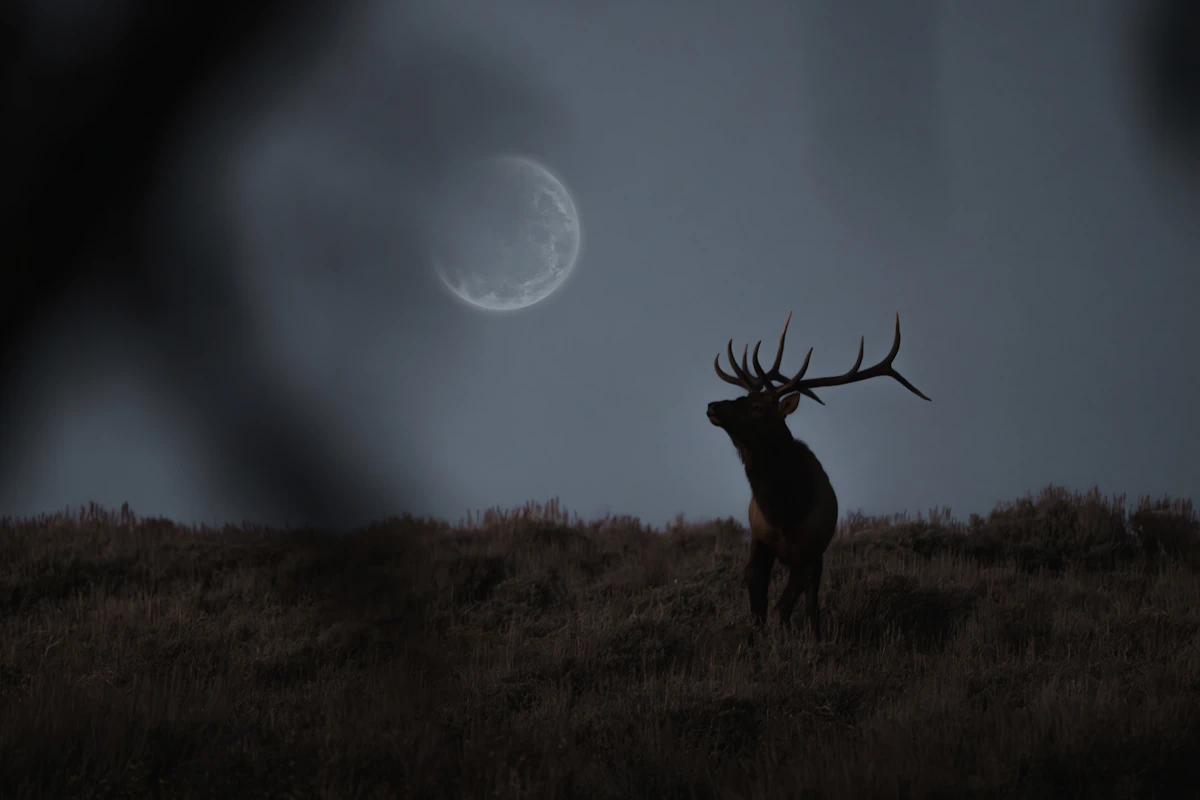
How to Find Elk Others Walk Right By
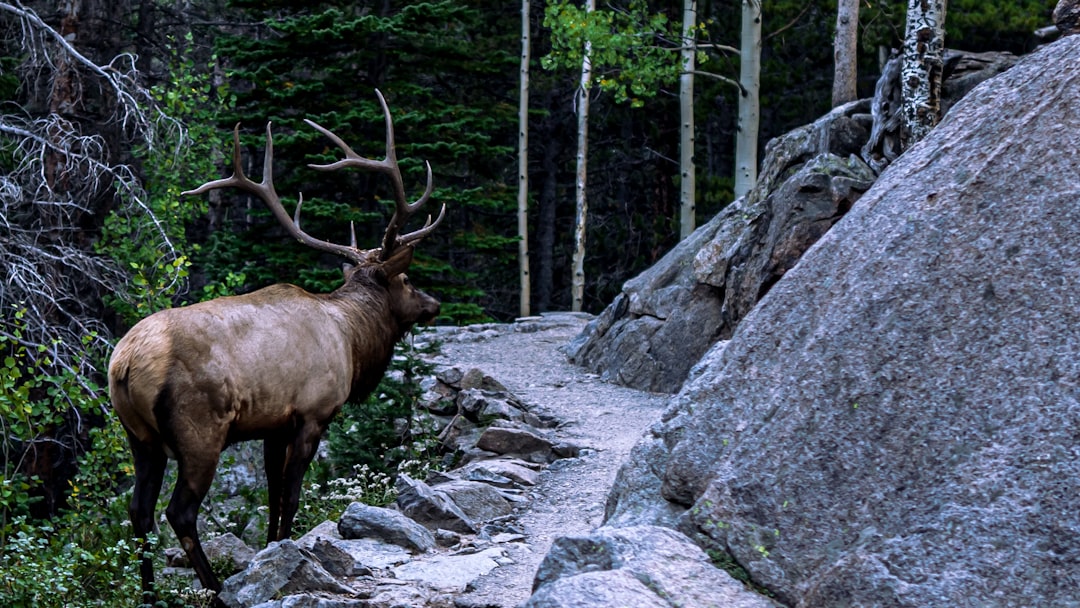
You hiked three miles before first light, glassed the obvious basins, and saw nothing but boot tracks. Meanwhile, another hunter filled his tag two ridges over in country you walked right through. The difference? He knew what to look for.
Finding elk others miss is not about hiking farther or hunting harder. It is about reading terrain differently, understanding thermal patterns, and recognizing the micro-habitat features that concentrate elk when pressure pushes them off the obvious stuff. This is not luck. It is pattern recognition you can learn.
Why Elk Disappear in Plain Sight
Elk do not vanish when hunting pressure builds. They compress into pockets that offer the specific combination of feed, cover, water, and escape terrain they need to survive rifle season. Most hunters walk past these spots because they do not fit the mental image of classic elk country.
The basins you see in trail camera videos and hunting shows work great during archery season. By the time rifle hunters arrive, those same basins are boot highways. Elk know it. They shift to the edges, the transitions, and the terrain features that offer security without sacrificing access to feed.
Pressured elk prioritize two things above all else: thermal cover during midday and feeding areas they can reach under darkness. They will tolerate marginal feed if it means staying out of sight. They will bed in timber so thick you would never glass it. And they will move through terrain you dismissed as too steep, too open, or too small to hold animals.
Read Micro-Terrain Like Elk Do
Elk think in three-dimensional terrain. A ridge that looks uniform on a topo map might have a ten-acre bench 200 yards below the crest that holds feed, catches thermals perfectly, and offers a quick escape route into dark timber. You will walk right over it unless you are looking.
Start by identifying terrain breaks that create pockets. These are not just saddles and basins. Look for:
- Benches on steep slopes that create feeding shelves invisible from above or below
- Finger ridges that jut off main drainages, especially those with north-facing timber on one side
- Small openings in dark timber that produce feed but are too small to show up on aerial imagery
- Transition zones where aspens meet conifers, especially if there is a water source within 300 yards
- Avalanche chutes grown over with shrubs that provide both feed and escape cover
These micro-features do not look dramatic on a map. That is exactly why they work. Elk use them as staging areas before moving into larger feeding zones, as midday loafing cover, and as quick-access security when pressure hits.
TAGZ helps you identify these terrain pockets before you step into the field. Use the terrain overlay to spot benches and transitions that do not show up on standard topo maps. Combine that with unit boundaries and public land layers to find the zones where elk can move freely without crossing private land or hitting roads.
Master Thermal Drafts and Wind Corridors
Elk do not just smell you. They read thermals like a weather map, and they position themselves where uphill morning drafts and downhill evening winds give them a 360-degree scent advantage. If you do not understand how air moves in mountain terrain, you are hunting blind.
Morning thermals rise as the sun hits slopes. Elk bed where rising air carries scent from below while they watch downhill escape routes. They favor north-facing slopes and shaded draws where cooler air lingers longer, giving them extra minutes of thermal advantage after sunrise.
Evening thermals drop as temperatures fall. Elk move into feeding areas positioned so falling air carries scent from above while they monitor back doors. They avoid feeding in bowls where swirling winds create scent chaos. Instead, they use ridge points and benches where wind flow is predictable.
Pay attention to microclimates. Small temperature differences create localized updrafts and downdrafts that elk exploit. A spring seep in a side canyon creates cooler air that pulls scent downhill all day. A south-facing rock face radiates heat that pushes thermals upward even on cloudy mornings. Elk know these spots by heart.
When you find fresh sign in terrain that seems too exposed or too close to pressure, ask yourself: what is the thermal advantage here? Nine times out of ten, you will find a wind funnel, a cold air sink, or a thermal inversion zone that gives elk the upper hand.
Identify Feeding Patterns Most Hunters Miss
Elk are opportunistic feeders, but they are not random. In pressured units, they focus on feed sources that offer quick access, high nutrition, and minimal exposure. The big meadows get hit during archery season. By rifle season, elk are feeding in spots you would never glass.
Look for:
- Second-growth clearcuts — Fifteen to twenty-five years post-logging, these areas produce forbs and browse that elk prefer over mature timber. They are often too brushy to glass effectively, which is exactly why elk use them.
- Old burns with patchy regrowth — Elk do not feed in the wide-open center of burns. They work the edges where new growth meets standing timber, giving them feed and cover in the same footprint.
- North-facing aspen stands — Aspens on north slopes hold moisture longer and produce better understory growth than south-facing stands. Elk know the difference.
- Wet meadows near timber — Not the big parks you can see from the road. The quarter-acre seeps tucked into timber pockets that stay green into October.
- Ridgetop parks — Small openings on ridge crests catch wind, dry out faster, and produce less feed than valley bottoms. Most hunters ignore them. Elk do not, especially if there is a quick drop into dark timber on both sides.
Feed alone does not hold elk. They need the ability to feed, bed, and escape within a tight radius. A five-acre park that is 200 yards from dense lodgepole and 400 yards from water will hold elk all season. A fifty-acre meadow half a mile from cover will not.
TAGZ allows you to filter units by terrain type, elevation, and public land access so you can identify these feeding pockets before you burn boot leather hiking into the wrong drainages. Combine terrain maps with historical draw data to find units where pressure is concentrated in predictable zones, leaving these secondary feeding areas largely undisturbed.
Hunt Transition Zones, Not Destinations
Most hunters set up in bedding areas or feeding areas. Smart hunters hunt the routes between them. Elk do not teleport from dark timber to feed at sunset. They move through terrain that offers continuous cover, predictable thermals, and multiple escape options. These transition zones are where you intercept bulls others never see.
Transition hunting requires you to think like an elk moving through space, not like a hunter glassing static terrain. Ask: if I bedded in this timber, which route would I take to reach feed before dark? What terrain would let me move undetected? Where would I stage before committing to the open?
Key transition features:
- Timbered benches between bedding ridges and feeding basins
- Finger ridges that provide cover while offering scent advantage
- Saddles with timber on both sides that funnel movement without forcing exposure
- Creek bottoms with thick cover that allow low-elevation movement without skyline exposure
- Old logging roads overgrown with brush that provide easy walking and continuous cover
Elk often stage in these transition zones for fifteen to thirty minutes before moving into feed. They are on their feet, alert, and moving slowly, which makes them vulnerable if you are set up in the right spot. You will not glass them from a mile away. You will see them at 200 yards or less, often with zero warning.
This style of hunting requires you to slow down, hunt quiet, and stay mobile. You are not glassing from a knob all day. You are moving through terrain methodically, reading sign, and positioning yourself where elk move rather than where they bed or feed.
Use Sign to Decode Elk Movement
Fresh sign does not just tell you elk are present. It tells you how they are using terrain, where they are feeding, and what routes they are taking under pressure. Most hunters see tracks and think "elk were here." You need to read those tracks like a map.
Pay attention to:
- Track direction and gait — Walking tracks in a line indicate travel routes. Scattered tracks with browsing sign indicate feeding areas. Clustered beds indicate staging or loafing cover.
- Rub size and height — Big rubs on thick trees mean mature bulls. Multiple rubs in a tight area mean bulls are staging or defending territory. Rubs on small saplings are often younger bulls or early-season sign.
- Wallow activity — Active wallows with fresh mud, torn-up edges, and nearby rubs indicate bulls are using the area regularly. Check the approaches for tracks to determine which direction they are coming from.
- Pellet groups — Scattered pellets indicate feeding areas. Piled pellets near beds indicate bedding zones. Pellet density tells you how many elk are using the area and how often.
- Browse patterns — Heavily browsed shrubs with fresh breaks indicate current feeding. Old browse with no fresh sign means elk have moved on.
When you find a concentration of sign, do not just hunt that spot. Use it to reverse-engineer the pattern. Where are they bedding? Where are they feeding? What route are they taking between the two? What time of day are they moving?
Sign is not a waypoint. It is a data point in a larger pattern. Collect enough data points and you can predict where elk will be tomorrow, not just where they were yesterday.
Hunt Small and Hunt Smart
The biggest mistake hunters make in pressured units is trying to cover too much ground. They hike five miles into the backcountry, glass giant basins, and see nothing but boot tracks. Meanwhile, the guy who filled his tag spent three days hunting a two-square-mile pocket nobody else bothered with.
Elk do not need wilderness to survive. They need security, feed, water, and terrain that lets them avoid hunters. You can find all of that in surprisingly small areas if you know what to look for.
Instead of covering miles, drill into the micro-terrain features within a single drainage or ridgeline. Hunt the benches, the transitions, the pockets, and the terrain breaks. Set up where thermals give you an advantage. Move slowly, hunt quiet, and stay in areas where elk feel secure.
Small areas also let you pattern elk faster. You can cover the same ground multiple times, read sign accurately, and adjust your setup based on what you are learning. You can hunt mornings, middays, and evenings in the same zone without burning out the area because you are hunting terrain features, not pushing elk out of basins.
TAGZ helps you identify these smaller, high-value zones by filtering units by draw odds, terrain type, and public land access. Instead of applying for the most popular units where every hunter is chasing the same giant basins, you can find units with lower point requirements where terrain features and access patterns create pockets that hold elk under pressure.
Put It All Together
Finding elk others walk past is not about one magic technique. It is about combining terrain reading, thermal understanding, sign interpretation, and pattern recognition into a system that reveals where elk go when pressure hits.
Start by identifying micro-terrain features that offer security, feed, and thermal advantage. Use TAGZ to filter units by terrain type and public land access so you can find zones where these features exist without excessive competition. Once you are on the ground, read sign to confirm elk are using the area and reverse-engineer their movement patterns.
Hunt transition zones where elk move between bedding and feeding areas. Set up where thermals give you scent advantage. Stay patient, stay quiet, and trust the terrain to produce elk even when the obvious spots are crowded.
The elk are there. You just have to know what to look for.
FAQ — Finding Pressured Elk
What terrain features hold elk in heavily hunted units?
Benches on steep slopes, finger ridges with mixed timber, small openings in dark cover, and transition zones between aspens and conifers. These micro-features offer security and feed without the visibility that attracts other hunters.
How do thermals affect where elk bed and feed?
Elk bed where rising morning thermals carry scent from below while they watch downhill. They feed where falling evening thermals let them monitor back doors. They avoid bowls where swirling winds eliminate scent advantage.
Can elk survive in small pockets of habitat?
Yes. Elk do not need wilderness. They need security, feed, water, and escape terrain. A two-square-mile area with the right combination of these features can hold elk all season if hunting pressure does not push them out.
What sign tells me elk are moving under pressure?
Travel routes with walking tracks, fresh rubs on approach trails to feeding areas, active wallows with muddy approaches, and pellet groups in transition zones. These indicate elk are moving cautiously between security cover and feed.
Should I hunt bedding areas or feeding areas?
Neither. Hunt the transition zones between them. Elk move through timbered benches, finger ridges, and saddles that offer continuous cover and scent advantage. Set up where they stage before committing to feed.
How does TAGZ help me find overlooked elk habitat?
TAGZ provides terrain overlays, unit boundaries, and public land layers that reveal benches, transitions, and micro-features invisible on standard maps. Combine that with draw odds data to find units where pressure is concentrated in predictable areas, leaving secondary zones undisturbed.
Continue Planning Your Hunt
Finding elk others walk past is only part of successful western hunting. You also need to apply in the right units, track your preference points and bonus points across multiple states, and plan your strategy around draw odds and season dates.
TAGZ helps you compare units side by side using terrain maps, unit boundaries, and historical draw data. Track your preference points and bonus points across multiple states so you never miss a draw deadline. Whether you are chasing OTC tags or planning a trophy limited-entry hunt, TAGZ gives you the tools to make smarter decisions before you ever step into the field.
Explore more hunt planning strategies on the TAGZ Insights blog, learn how the platform works on the TAGZ product page, or start building your western hunting strategy today at getmytagz.com.
For hunters ready to take their application strategy to the next level, check out TAGZ pricing options to see which plan fits your hunting goals. The difference between filling a tag and eating tag soup often comes down to the decisions you make months before the season starts.
Was this article helpful?
Previous
Reading Hunting Pressure on Digital Maps: Find Less-Crowded Areas
Learn how to identify hunting pressure patterns on digital maps using terrain features, access points, and barrier analysis. Discover practical techniques that help you find overlooked areas where other hunters aren't going.
Next
Finding Hidden Elk Pockets Everyone Walks Past
Most hunters push deep into the backcountry chasing elk, but often overlook productive pockets closer to roads and trailheads. Learn where elk hide in plain sight and how to identify overlooked terrain that holds mature bulls every season.