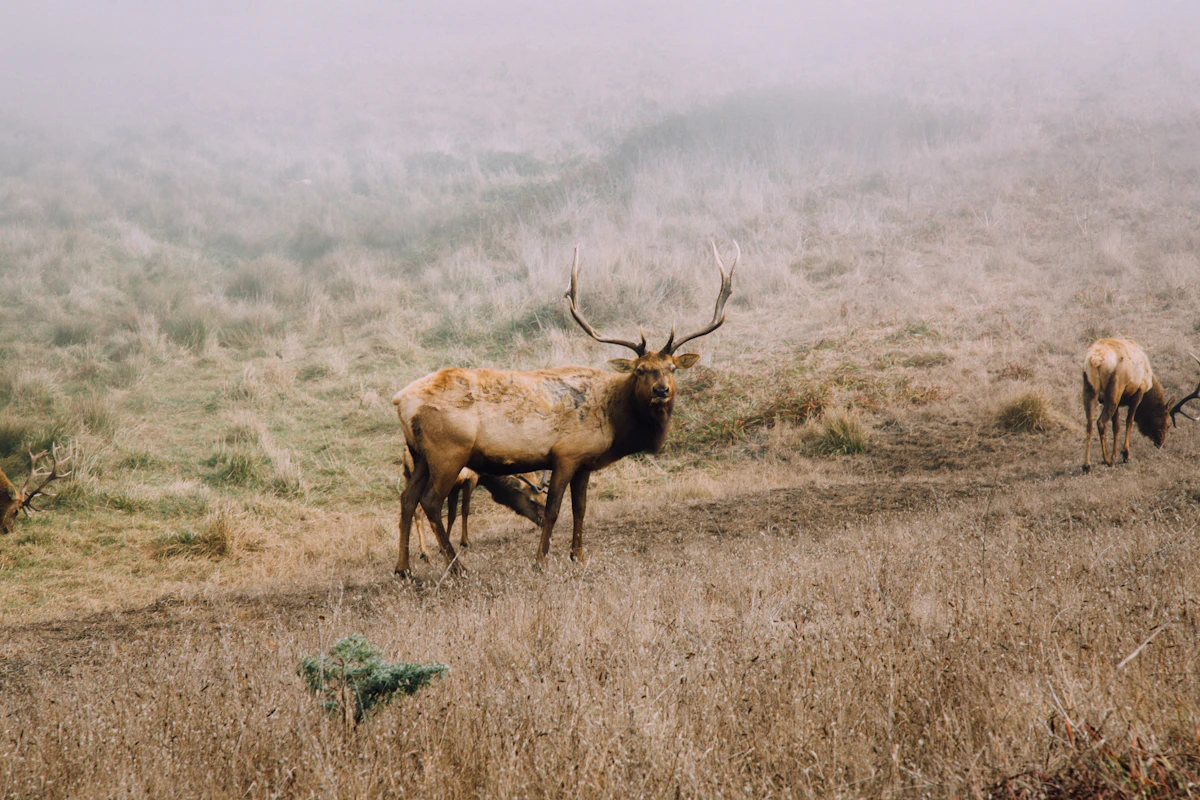
Field Judging Whitetails: A Hunter's Guide to Scoring Bucks on the Hoof
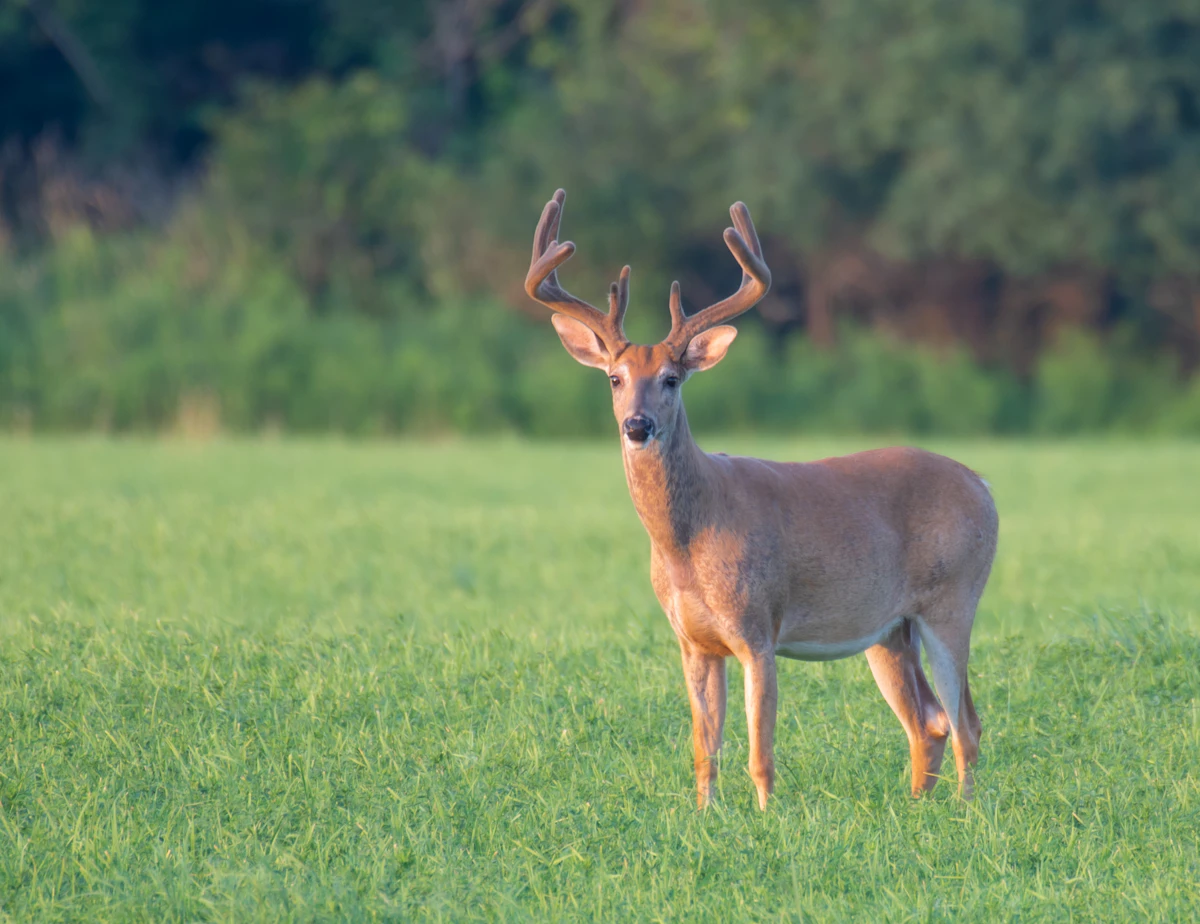
Every whitetail hunter faces the same critical moment: a buck steps into view, and you have seconds to decide whether to shoot. Field judging whitetails—the ability to estimate antler score and age class while a deer is alive and moving—separates hunters who make confident decisions from those who second-guess themselves after the shot. Whether you are managing for mature bucks, hunting a trophy unit, or simply want to know what you are looking at, learning to field judge accurately turns quick glimpses into informed decisions.
Why Field Judging Matters for Whitetail Hunters
Field judging is not about obsessing over inches. It is about making the right call for your hunting goals in the moment that counts. If you are managing a property for older age classes, you need to identify young bucks with potential versus shooters. If you drew a limited-entry tag in a state like Kansas or Iowa, knowing whether that buck scores 140 or 170 might determine whether you punch your tag or keep hunting. Even in general units, understanding what you are looking at prevents tag regret and helps you appreciate the quality of deer you encounter.
The best field judgers do not carry scorecards or calculators. They develop a mental framework based on antler characteristics, body size, and behavior. With practice, you can estimate a buck's gross Boone and Crockett score within 10-15 inches and age him to within a year—all in the time it takes him to walk from timber to a food plot.
The 10-Inch Main Beam Method
The fastest way to estimate gross score is the main beam method. A mature whitetail's ear measures roughly 7-8 inches from base to tip when held in a normal, alert position. Use this as your baseline unit of measurement.
Start by estimating main beam length. On a typical mature buck, main beams that extend to the end of the nose measure approximately 24-26 inches. Beams that curl slightly past the nose push toward 28-30 inches. Divide each beam into roughly 10-inch sections using the ear as reference. Two and a half ear-lengths per side equals about 25 inches per beam, or 50 inches total for both.
Next, add tine length. A mature buck typically has four points per side—brow tine (G1), G2, G3, and G4. The G2 is usually the longest, often measuring 10-12 inches on a good buck. G3 runs slightly shorter at 8-10 inches, while G1 and G4 typically measure 4-6 inches each. If you see a buck with four strong tines per side, estimate 30-35 inches of total tine length. Add another 16-20 inches for inside spread (measure from ear tip to ear tip—about 16 inches on average), and you are already at 96-105 inches before mass.
Mass measurements add the final component. Each of the four circumference measurements per antler (H1-H4) typically totals 16-20 inches combined. A buck with heavy bases and good mass throughout will score higher in this category. Altogether, a mature 8-point with decent tine length, good mass, and an 18-inch spread will gross somewhere between 130-145 inches.
Reading Antler Characteristics Beyond Score
Score tells you one story, but antler characteristics tell you whether a buck is worth your tag based on your goals. Heavy mass throughout the rack indicates maturity. Young bucks carry thin antlers even if tine length looks impressive. Look at the base circumference where the antler meets the skull—if it is thicker than your wrist, you are looking at a mature animal.
Tine length relative to main beam reveals age and genetics. A 3.5-year-old buck often shows long G2s but shorter G3s and G4s. By 5.5 years, tines balance out across the rack. Sticker points, kickers, and extra tines suggest maturity and good genetics, though they also complicate field judging since non-typical points add to gross score differently.
Beam curvature matters for scoring but also indicates maturity. Young bucks show straight or slightly curved beams. Mature bucks develop deeper curves, and really old deer sometimes show beams that hook inward or sweep wide before turning back. A deep C-curve adds inches you might miss at first glance.
Body Size and Age Class Indicators
Antlers lie—body does not. A 2.5-year-old buck can carry an impressive rack, but his body gives away his youth. Young bucks look like does with antlers. They have slender necks, long legs relative to body depth, and tight bellies. Their chest and shoulders appear narrow, and they move with a bouncy, energetic gait.
Mature bucks (4.5+ years) show thick, swollen necks during the rut, massive chests, and sagging bellies. Their legs look short because their bodies have filled out. When walking, they move deliberately, almost like they are swaggering. The back often sags slightly, and the belly may hang low. From behind, a mature buck's body looks rectangular rather than slender.
Head shape and facial features also reveal age. Young bucks have doe-like faces with slender muzzles and large eyes relative to head size. Mature bucks develop Roman noses, broader foreheads, and darker faces during the rut. If you see a buck that looks barrel-chested and thick-necked even in September, he is fully mature.
Making the Call in Real Hunting Situations
Practice does not happen during the season—it happens year-round. Watch trail camera photos and estimate scores before checking actual measurements. When scouting, glass bachelor groups and practice field judging multiple bucks in succession. Attend deer expos where scored mounts are displayed with their official measurements. The more racks you see, the better your mental library becomes.
During the hunt, trust your first impression but confirm with a second look if time allows. A buck walking broadside at 150 yards gives you the best view for judging. Quartering angles and brush can make racks appear larger or smaller. If a buck is moving, watch how he carries his head—heavy antlers make mature bucks hold their heads differently than young deer.
If you are hunting a state where you can apply for multiple units, TAGZ helps you research which units consistently produce mature bucks and which focus on opportunity hunts. Knowing draw odds, terrain, and unit-specific harvest data before you apply means you can align your field judging standards with the quality of deer in the unit you draw. A 140-class buck might be a giant in one unit and average in another.
Common Field Judging Mistakes and How to Avoid Them
The most common mistake is overestimating tine length. Bucks with narrow racks and tall tines create an optical illusion. Tines appear longer when compressed together. Always factor in inside spread—a buck with a 14-inch spread and 11-inch G2s is not as impressive as one with a 20-inch spread and 10-inch G2s.
Another error is misjudging mass. Hunters often underestimate how much heavy bases and circumference add to gross score. A buck with 4-inch bases and thick mass throughout can pick up 20-24 inches in H-measurements alone. Conversely, a buck with long tines but pencil-thin antlers will score less than he appears.
Excitement amplifies errors. Adrenaline makes every buck look bigger. If your heart is pounding and your hands are shaking, take an extra breath and look again. Compare the buck to does nearby. Check his body. If he still looks mature and meets your standards after a second evaluation, make the shot.
Putting It All Together: The 30-Second System
When a buck appears, run through this mental checklist in order:
- Body first. Is he mature based on body size, neck thickness, and movement?
- Main beams. Estimate length using ear measurements.
- Tine length. Count points and estimate G2 and G3 length.
- Spread. Measure ear-tip to ear-tip.
- Mass. Evaluate base thickness and circumference throughout.
- Total estimate. Add components for a rough gross score.
With practice, this system becomes instinctive. You will start recognizing 150-class bucks versus 130-class bucks at a glance. More importantly, you will know whether the deer in front of you meets your goals before you have to make a split-second decision.
TAGZ helps you plan hunts in units where your field judging skills pay off. Compare draw odds across states, track your preference points, and identify units with mature buck harvest data. Whether you are chasing a once-in-a-lifetime tag in Illinois or hunting general season in your home state, knowing what you are looking at when the moment arrives makes every hunt more rewarding.
FAQ — Field Judging Whitetails
How do you estimate a whitetail's score in the field?
Use the 10-inch main beam method: estimate beam length using ear measurements (7-8 inches), add tine length for all points, include inside spread (ear-tip to ear-tip, roughly 16 inches), and account for mass measurements. A typical mature 8-point will gross 130-145 inches.
What is the most reliable way to judge a buck's age?
Body characteristics reveal age more reliably than antlers. Mature bucks (4.5+ years) show thick necks, deep chests, sagging bellies, and short-looking legs. Young bucks appear slender with long legs and tight bellies, even if they carry impressive racks.
How long are a whitetail's ears and why does it matter?
A whitetail's ears measure 7-8 inches from base to tip when alert. Use ears as a consistent measuring unit to estimate main beam length, tine height, and inside spread. This gives you a reliable baseline without needing a rangefinder or reference tool.
Can a 2.5-year-old buck have a big rack?
Yes. Young bucks in high-quality habitat or with excellent genetics can develop impressive antlers, sometimes scoring 130+ inches. However, their body size gives them away—slender build, thin neck, and energetic movement reveal their age despite antler size.
What should you look for to judge mass in the field?
Focus on base circumference where the antler meets the skull. If the base is thicker than your wrist, the buck has good mass. Also look at the thickness of the main beam halfway between the base and the first tine—heavy beams throughout add significant score.
How do you avoid overestimating a buck in the moment?
Compare the buck to does nearby, evaluate his body first, and take a second look if time allows. Adrenaline makes every buck appear larger. If his body does not match the rack, trust the body—it does not lie about age.
Continue Planning Your Hunt
Field judging whitetails is a skill that improves with every buck you glass. The more deer you observe, the sharper your instincts become. Whether you are hunting your home state or planning a whitetail hunt across the Midwest, knowing what you are looking at when a buck steps out makes every moment in the stand more rewarding.
TAGZ helps you research whitetail units across western and midwestern states where field judging skills pay off. Compare draw odds for limited-entry whitetail hunts, track your preference points, and identify units with consistent mature buck harvest data. Use terrain maps and unit boundaries to plan access points and glassing locations before your hunt. Whether you drew a trophy tag in Kansas, Iowa, or Montana, or you are hunting general season closer to home, TAGZ gives you the research tools to make smarter decisions long before you ever pull the trigger.
Explore the TAGZ blog for more in-depth hunting strategy, draw system breakdowns, and unit-specific research. If you are serious about planning your next hunt, check out TAGZ pricing to see how the platform helps you organize applications, track points, and compare units side by side. Learn more about the TAGZ product and how it simplifies every step of the hunt planning process—from researching draw odds to identifying where mature bucks live.
Was this article helpful?
Previous
Best Clothing for Whitetail Hunters: Field-Tested Gear That Works
The right clothing system keeps whitetail hunters comfortable, quiet, and concealed from September through December. This guide covers base layers, insulation, outer shells, and scent control across early-season bowhunts and late-season gun hunts.
Next
Best Compound Bows for Elk Hunting in 2025
Choosing the right compound bow for elk hunting requires balancing draw weight, axle-to-axle length, and shootability. This guide breaks down the top performers for backcountry and treestand hunters, plus the specs that matter most when hunting North America's toughest big game.