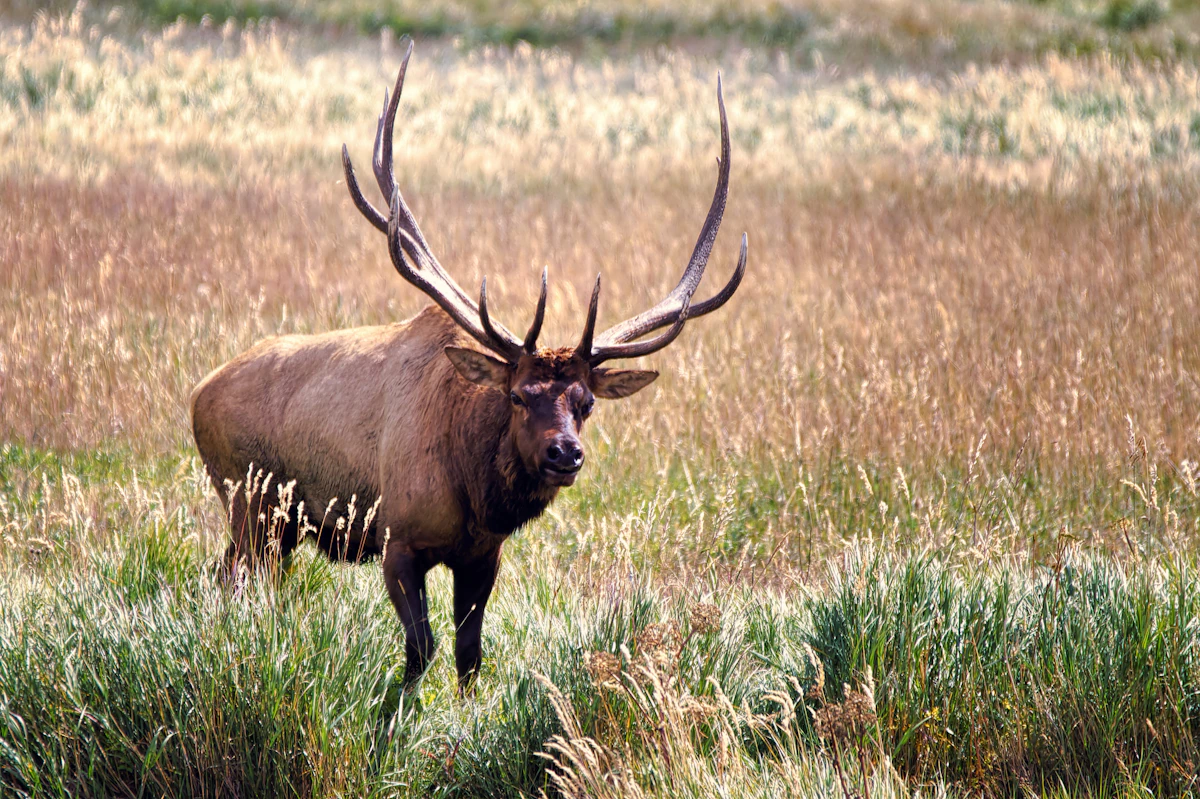
Evening Elk Travel Corridors: How to Intercept Bulls Moving to Feed
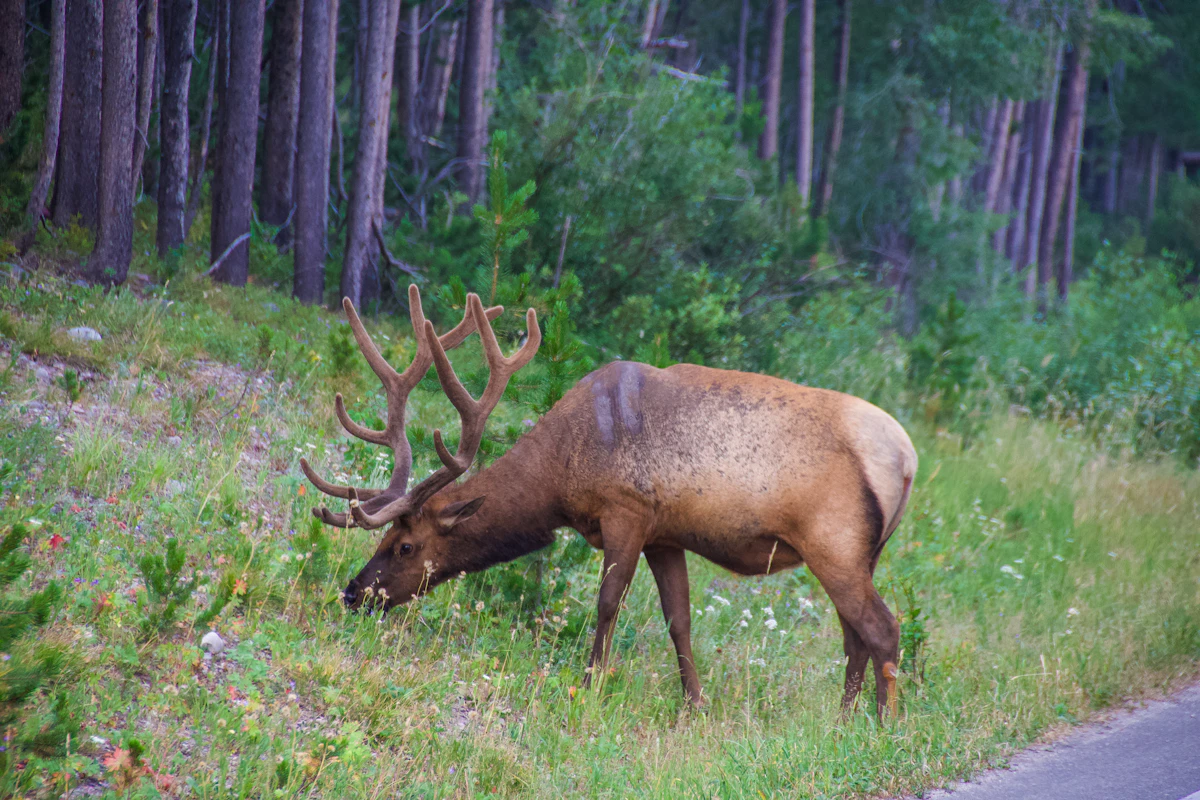
Elk are creatures of habit. Each evening as temperatures drop and shadows lengthen, bulls and cows move from secure bedding areas toward feeding zones where they'll graze through the night. These predictable movement patterns create natural ambush opportunities for hunters who understand how to identify and exploit evening travel corridors.
The transition period between late afternoon and dusk is one of the most productive times to hunt elk. Bulls are active, vocal, and moving with purpose. If you position yourself along the routes they use to travel from timber to feed, you can intercept animals that would otherwise remain invisible in thick bedding cover or disappear into open meadows under cover of darkness.
What Are Elk Travel Corridors
Elk travel corridors are specific routes that animals use repeatedly to move between bedding and feeding areas. These aren't random paths. Elk choose routes based on security, ease of travel, thermals, and topography. A corridor might be a timbered finger extending from dense forest into a meadow, a saddle between two ridges, a creek bottom with overhead cover, or a series of benches that allow elk to move without skylineing themselves.
These corridors become highways during evening movement. Elk feel secure using the same routes because they've tested them repeatedly. Does and younger bulls often lead the way, with mature bulls following in their wake or paralleling the main group in slightly heavier cover. On heavily pressured public land, bulls may use secondary corridors 50 to 100 yards off the main trail, still moving toward the same feed but maintaining a buffer from other elk and potential danger.
The more an area gets hunted, the more defined these secondary routes become. Bulls that survive multiple seasons learn to avoid the obvious funnels that hunters watch, but they still need to reach feed. They simply take the path less traveled.
How to Identify Evening Travel Routes
Identifying elk travel corridors requires both field time and map work. Start by locating feeding areas using TAGZ terrain maps and satellite imagery. Look for open parks, meadows, avalanche chutes, burns, logged areas, or agricultural fields adjacent to public land. Elk need digestible forage, and these open areas provide it.
Next, identify likely bedding areas. Elk bed in thick timber on north-facing slopes during early season, in dark timber pockets near water mid-season, and in sheltered basins or blowdowns during late season. Mature bulls often bed slightly higher or in thicker cover than the main herd.
The corridors are the terrain features connecting these two zones. Use TAGZ maps to identify saddles, timbered ridges, creek drainages, fingers of timber extending toward meadows, and benches that provide cover while allowing elk to move efficiently. On the ground, confirm these routes by looking for tracks, droppings, rubs, wallows, beds, and worn trails.
Pay attention to wind patterns and thermals. Elk prefer routes where evening thermals carry scent uphill and away from the direction they're traveling. They'll often move along the edge of a drainage where they can smell danger below while keeping thick cover above.
Timing Your Setup for Evening Movement
Timing is everything when hunting evening corridors. Elk typically begin moving 60 to 90 minutes before dark, earlier during cooler weather or cloudy days, and later during hot, dry conditions. In heavily pressured areas, bulls may wait until the last 20 minutes of legal light before committing to movement.
You need to be in position well before elk start moving. That means arriving at your setup location at least two hours before dark, earlier if you're hiking into remote country. Move slowly and quietly, avoiding areas where elk might already be staging near their bedding zones.
Use the midday hours to scout and identify corridors, then return to camp or a distant glassing point. Re-enter the area in early afternoon, approach from downwind, and settle into your ambush position with plenty of time to let the woods settle. Elk that heard you enter will calm down if you remain still for an hour or more.
During the rut, bulls may move earlier and more aggressively. Listen for bugles starting in mid-afternoon. If you hear a bull responding to another elk or bugling on its own, you can sometimes adjust your position to intercept him, but only if you can move without spooking animals already in the area.
Setting Up an Effective Ambush
Once you've identified a corridor, your setup location determines success. Position yourself 15 to 30 yards off the main trail on the downwind side, tucked into cover that breaks your outline but allows shooting lanes. Elk often travel just inside the timber edge rather than in the open, so don't set up too deep in the trees.
If bowhunting, you need to be close. Identify pinch points where terrain naturally funnels elk within 40 yards. A narrow saddle, a spot where a trail squeezes between two blowdowns, or a creek crossing are ideal. Clear shooting lanes quietly in advance, removing small branches and marking distances to key landmarks.
Rifle hunters have more flexibility but still benefit from concealment and good wind. Set up where you can see multiple approach routes and have a backstop for safe shooting. Elk often stop to scent-check before committing to cross an opening. Anticipate these hesitation points and be ready.
Never skyline yourself. Sit or kneel with dark timber or rock behind you. Elk moving uphill will be scanning the ridgeline for threats. If you're silhouetted against the sky, they'll spot you before you see them.
Reading Elk Behavior in Corridors
Elk don't stampede toward feed. They move cautiously, stopping frequently to listen and test the wind. The first elk to appear are often cows or younger bulls acting as sentries. They'll feed slowly along the trail, pausing every few steps. If they sense something wrong, they'll freeze, stare, or give a sharp bark that alerts every animal within 300 yards.
Mature bulls typically follow 10 to 30 minutes behind the lead cows, moving more deliberately and staying in slightly heavier cover. During the rut, a herd bull will push cows ahead of him, bugling occasionally and raking trees. Satellite bulls trail the group, hoping to steal a breeding opportunity.
If elk suddenly stop moving or reverse direction, something spooked them. It might be another hunter, a predator, or a shift in wind. Resist the urge to move. Often, elk will circle and approach from a different angle. Stay alert and ready.
When elk commit to the trail and move past you, let them clear your position before attempting a shot. A cow looking back at the last moment can ruin everything. Wait for a broadside or quartering-away angle, settle your sight picture, and execute the shot with confidence.
Adapting to Hunting Pressure
Public land elk encounter hunters regularly. They adapt by shifting their timing, altering their routes, or abandoning corridors entirely. If you set up on an obvious trail and see nothing for two evenings, assume elk are using a backup route or waiting until full dark to move.
Glass from a distance before committing to a setup. If you see elk moving in low light but not during shooting hours, they've adjusted their timing. You'll need to push deeper into their bedding area and intercept them earlier in the travel sequence, before they reach the predictable corridors.
Alternatively, focus on secondary corridors that offer more security. These routes are harder to identify because they lack heavy sign, but mature bulls prefer them. Look for single-file trails through thick timber, routes that stay below ridge crests, or paths that parallel the main corridor 50 to 100 yards away.
Rotate your hunting locations. If you hunt the same setup three evenings in a row, elk will pattern you. Move to a different drainage or approach from another direction. Elk have excellent memories and will avoid areas where they've encountered human scent or pressure.
Using Calls and Scent Control
Calling can be effective along evening corridors, especially during the rut. A soft cow call as elk approach can stop a bull for a shot or pull him closer. A challenge bugle can bring a fired-up herd bull charging down the trail, but it can also send him in the opposite direction if he's already been pressured.
Use calls sparingly. Over-calling sounds unnatural and educates elk. Let them come to you. If a bull bugles in the distance, answer once and wait. If he responds and moves closer, stay quiet and prepare for the shot.
Scent control is critical. Elk trust their noses more than their eyes and ears. Wash your gear in scent-free detergent, store it in sealed bags, and spray down with scent eliminator before each hunt. Approach your setup from downwind and monitor wind direction constantly. If the wind swirls or shifts, reposition or abort the hunt.
Elk will tolerate a visual mistake. They'll walk past a hunter who remains still. But a single whiff of human scent sends them running, and they'll remember that spot for weeks.
Key Terrain Features for Evening Setups
Certain terrain features consistently produce evening encounters. Saddles between bedding and feeding areas are classic funnels. Elk prefer saddles because they allow quick escapes in multiple directions while minimizing energy expenditure.
Timbered fingers extending from dark forests into meadows act as security cover for elk transitioning into the open. Set up where the finger narrows or where it meets the meadow edge.
Creek bottoms with overhead canopy provide water, cover, and relatively flat travel routes. Elk often follow creeks downhill toward feeding areas, especially during dry conditions.
Benches and shelves on hillsides allow elk to move horizontally without climbing or descending steep slopes. These benches often connect bedding zones on upper slopes to feeding areas in valley bottoms.
Avalanche chutes and burns provide both feed and travel routes. Elk bed in adjacent timber and step into the open to feed as evening arrives. Position yourself just inside the timber edge where elk transition.
Mistakes to Avoid
The biggest mistake hunters make along evening corridors is arriving too late. Elk move on their schedule, not yours. If you're still hiking when they start traveling, you've already lost.
Another common error is setting up too close to bedding areas. Bump elk out of their beds in the afternoon, and they'll relocate or wait until dark to move. Stay at least 200 yards away from suspected bedding zones.
Hunting the same setup repeatedly without seeing elk is counterproductive. Move to a different location or scout deeper. Elk are either avoiding that trail or timing their movement differently.
Ignoring wind and thermals is a guaranteed failure. Elk will smell you before you see them. Always approach and set up from downwind, and be prepared to abandon a setup if wind conditions shift.
Finally, moving once you're in position costs you encounters. Elk have incredible eyesight and detect motion instantly. Commit to your setup and remain still, even if you think elk are approaching from a different angle. They often circle before committing.
Planning Corridor Hunts with TAGZ
TAGZ helps you identify evening travel corridors before you ever leave home. Use terrain maps to locate feeding areas and bedding zones, then analyze the topography between them. Satellite imagery shows timber density, openings, and natural funnels. Unit boundary maps keep you on public land and help you plan access routes that avoid private property.
Track your scouting observations and setup locations in TAGZ so you can reference them each season. Over time, you'll build a library of productive corridors in multiple units across different states. Compare units side by side to find zones with the right mix of public land access, terrain features, and historical harvest data.
Use TAGZ to plan your application strategy around units where evening corridor hunting is feasible. Not all units offer the terrain and cover necessary for ambush setups. Prioritize units with a mix of timber and meadows, good public land access, and lower hunting pressure.
FAQ — Evening Elk Travel Corridors
What time do elk start moving in the evening?
Elk typically begin moving from bedding to feeding areas 60 to 90 minutes before dark, earlier in cool or cloudy weather and later during hot, dry conditions. On pressured public land, mature bulls may wait until the last 20 minutes of shooting light.
How do I find elk travel corridors without scouting in person?
Use TAGZ terrain maps and satellite imagery to identify feeding areas like meadows and burns, then locate adjacent bedding zones in dark timber. The corridors are terrain features like saddles, timbered ridges, and creek bottoms connecting these zones. Confirm your predictions with boots-on-the-ground scouting.
Should I call while hunting evening corridors?
Use calls sparingly and only during the rut. A soft cow call can stop a bull for a shot, and a single challenge bugle can bring a fired-up bull closer. Over-calling sounds unnatural and educates elk. Let them come to you and remain quiet unless calling adds a clear advantage.
What if elk change their travel routes?
Elk adapt to hunting pressure by using secondary corridors or shifting their timing. If you see no activity for two evenings, scout for alternate routes 50 to 100 yards off the main trail. Glass from a distance to see if elk are moving after dark, then adjust your setup location or timing.
How close should I set up to the trail?
Position yourself 15 to 30 yards off the main trail on the downwind side. Bowhunters need to be closer and should focus on pinch points that funnel elk within 40 yards. Rifle hunters can set up farther back but still benefit from concealment and proximity to the corridor.
Can I hunt the same corridor multiple evenings?
Hunting the same setup repeatedly risks educating elk. Rotate your locations and approach from different directions. If elk pattern your presence, they'll avoid that corridor or shift their timing. Move to a different drainage after two or three unsuccessful evenings.
Continue Planning Your Hunt
Evening travel corridors offer some of the best ambush opportunities in elk hunting, but success requires preparation, patience, and precise execution. TAGZ helps you identify productive corridors before you leave home by analyzing terrain, unit boundaries, and public land access. Compare units side by side, track your preference points across multiple states, and filter hunts by weapon type and season to build a strategy that puts you in position when bulls are moving.
Whether you're planning your first elk hunt or refining your approach for a trophy limited-entry tag, TAGZ gives you the tools to make smarter decisions. Explore more strategies and unit breakdowns on the TAGZ Insights blog, or start planning your next hunt with detailed maps and draw data at getmytagz.com.
For hunters ready to turn research into action, TAGZ pricing offers flexible options that fit your hunting goals. From tracking bonus points and preference points to setting up multi-state application strategies, TAGZ simplifies the hunt planning process so you can focus on what matters: being in the right place when elk are on their feet.
Was this article helpful?
Previous
Afternoon Elk Bedding Patterns: Where Bulls and Cows Rest During Midday
Elk retreat to predictable bedding areas during afternoon hours to ruminate and escape midday heat. Understanding these patterns helps hunters position for evening movements and increases success during midday stalks.
Next
Best Draw Weight for Elk Hunting: What You Really Need
Choosing the right draw weight for elk hunting balances arrow energy, accuracy, and shooter comfort. Most adult hunters succeed with 60-70 pounds, but your ideal weight depends on draw length, shooting form, and practice commitment.