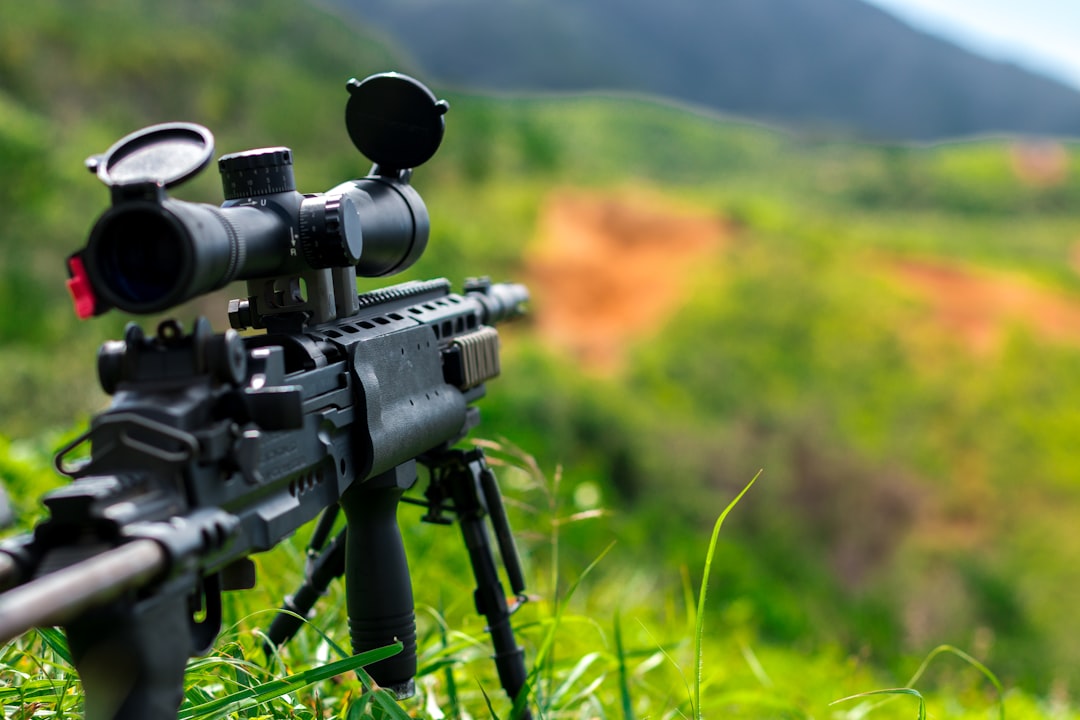
Christensen Arms Rifles for Western Hunting: Worth the Price?
Christensen Arms has built a reputation on carbon-fiber-wrapped barrels and lightweight hunting rifles that promise to shave pounds off your pack without sacrificing accuracy. For western hunters facing multi-day backcountry trips, that value proposition is compelling. But premium features come with premium pricing, often double what you'd spend on a proven hunting rifle from Tikka, Bergara, or Browning.
The question isn't whether Christensen makes quality rifles. The question is whether the weight savings and build quality justify the cost when you're planning a Colorado elk hunt or a Wyoming pronghorn application.
What Sets Christensen Arms Apart
Christensen's signature feature is the carbon-fiber barrel wrap. This construction method uses a stainless-steel core wrapped in aerospace-grade carbon fiber, reducing barrel weight by 50 percent compared to traditional steel barrels. The result is a production rifle that weighs 5.5 to 6.5 pounds before optics, a full pound or more lighter than most factory hunting rifles.
Beyond the barrel, Christensen rifles use carbon-fiber stocks, pillar bedding, and sub-MOA accuracy guarantees. Models like the Mesa, Ridgeline, and Traverse dominate their lineup, each targeting different price points and feature sets. The Mesa sits at the entry level around $1,400, while the Ridgeline FFT and Traverse push past $2,500.
Every rifle ships with a match-grade trigger, typically adjustable from 2.5 to 3.5 pounds. Cerakote finishes protect the metal from weather, and proprietary carbon stocks shed water better than traditional wood or laminate. These aren't budget rifles, but they're designed for hunters who treat their rifle as essential gear rather than a seasonal accessory.
Real-World Performance in Western Conditions
Weight savings matter most when you're packing a rifle over miles of broken terrain. A standard hunting rifle with scope, rings, and sling easily hits 9 to 10 pounds. A Christensen setup comes in closer to 7.5 pounds, saving enough weight to notice on day three of a backcountry elk hunt when every ounce counts.
Accuracy claims are backed by real-world results. Most shooters report consistent sub-MOA groups with factory ammunition after a proper break-in period. The carbon-wrapped barrels heat more slowly than steel, maintaining accuracy during extended range sessions or follow-up shots on wounded game. In cold weather, the carbon fiber doesn't conduct heat away from your hand like bare steel, a small but real advantage during early-season archery hunts or late-season rifle tags.
The trade-off comes in barrel life. Carbon-wrapped barrels don't last as long as heavy steel match barrels, though most hunters will never shoot enough rounds to notice. For a dedicated western hunter shooting 40 to 60 rounds per year for practice and hunting, barrel wear isn't a practical concern. Competitive shooters or high-volume varmint hunters should look elsewhere.
Comparing Christensen Models for Big-Game Hunting
The Mesa represents Christensen's entry point at $1,400 to $1,600. It uses a carbon-fiber stock and button-rifled barrel rather than the full carbon wrap found on higher-end models. Weight sits around 6.5 pounds, and accuracy still hits sub-MOA with quality ammunition. For hunters prioritizing price while still wanting a lighter rifle, the Mesa delivers most of the benefits without the premium cost.
The Ridgeline FFT (Flash Forged Technology) costs $2,200 to $2,500 and features the full carbon-fiber barrel wrap, carbon stock, and titanium components. Weight drops to 5.5 to 6 pounds depending on caliber and barrel length. This is Christensen's flagship hunting rifle, built specifically for backcountry hunters who need every advantage in weight reduction.
The Traverse sits between the Mesa and Ridgeline at $1,800 to $2,000. It uses a traditional spiral-fluted stainless barrel instead of carbon wrap, but maintains the carbon stock and accuracy guarantee. Hunters who want Christensen build quality without paying for carbon barrel technology find value here.
Chamber options cover every western big-game scenario. The 6.5 PRC and 6.5 Creedmoor dominate for mule deer and pronghorn. The .28 Nosler and 7mm PRC handle long-range elk and sheep. Traditional rounds like .270 Winchester, .308 Winchester, and .30-06 Springfield remain available for hunters preferring proven cartridges.
Is the Price Premium Justified?
Christensen rifles cost twice what you'd pay for a Tikka T3x or Bergara B-14, both of which shoot accurately and reliably. The weight difference narrows to less than a pound when you compare a Tikka T3x Lite to a Christensen Mesa. That pound matters on a five-day sheep hunt, but it's negligible for most deer and elk hunters who cover fewer miles.
The value calculation depends on how you hunt. Backcountry hunters chasing limited-entry tags in wilderness units will notice the weight savings every day. Drive-to-hunt deer hunters covering a mile or two from the truck won't. If you're drawing Colorado limited rifle elk tags in units requiring multi-day pack trips, the lighter rifle pays dividends. If you're hunting OTC units near road access, the money spent on a Christensen could buy better optics, a quality rangefinder, or multiple hunts.
Build quality and customer service separate Christensen from budget rifles. Tight tolerances, proprietary carbon construction, and sub-MOA guarantees mean you're paying for performance assurance, not just weight reduction. Hunters who've dealt with warranty issues or accuracy problems on cheaper rifles appreciate the difference. Those who've never had issues with a factory Savage or Ruger won't see the value.
Free to join
Download mobile app
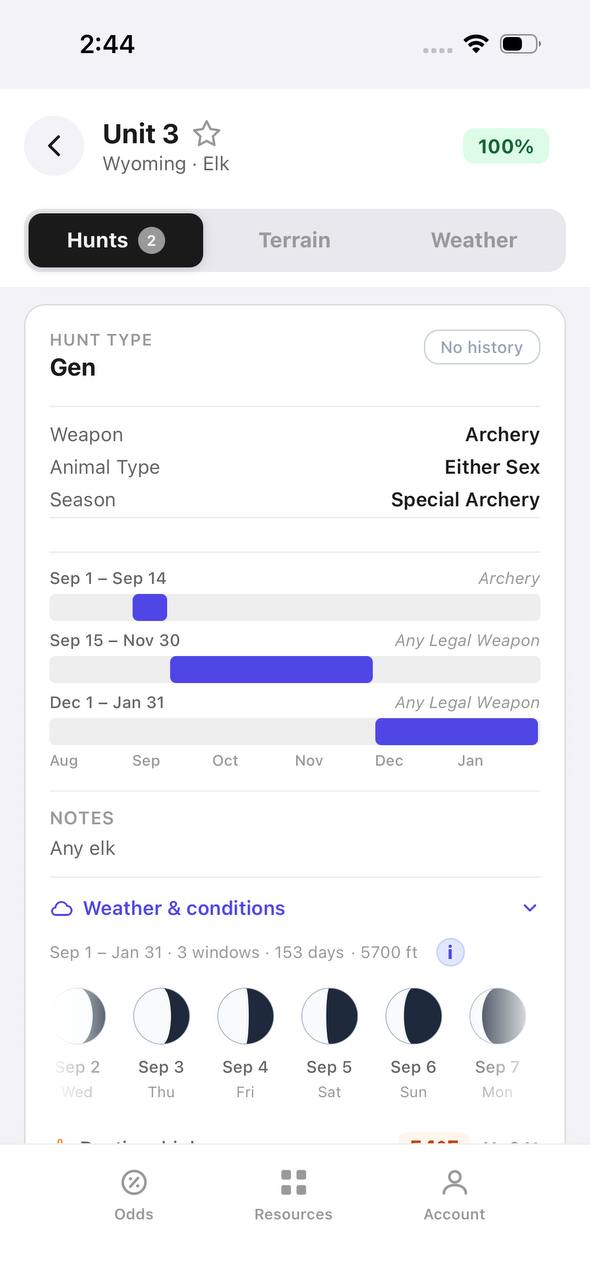
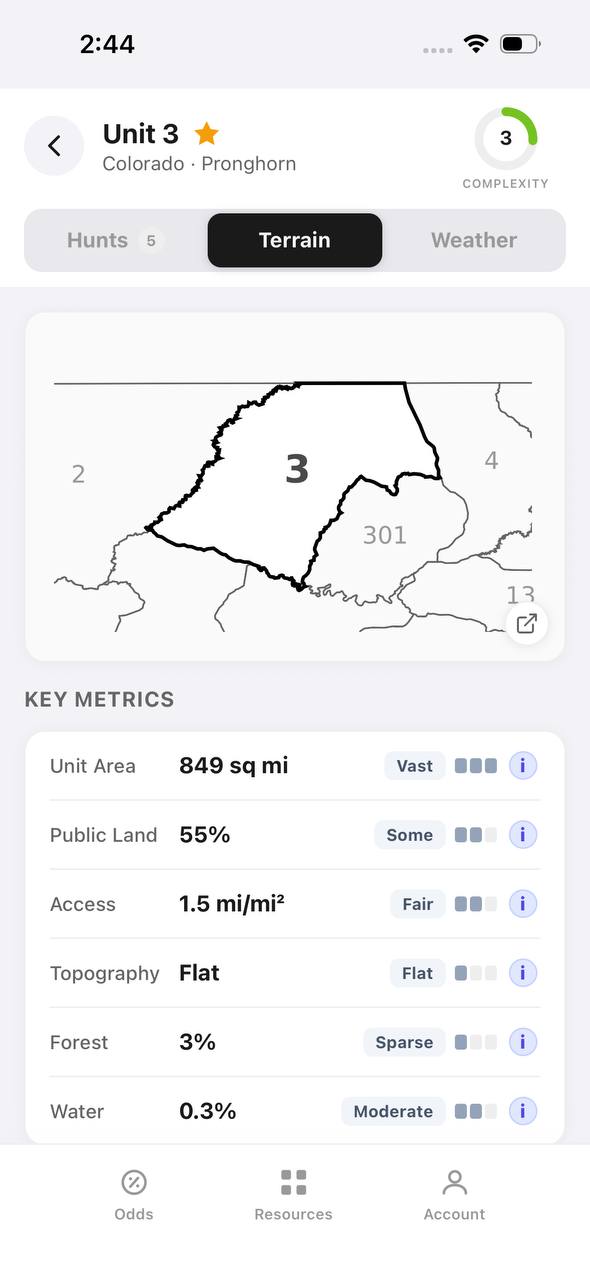
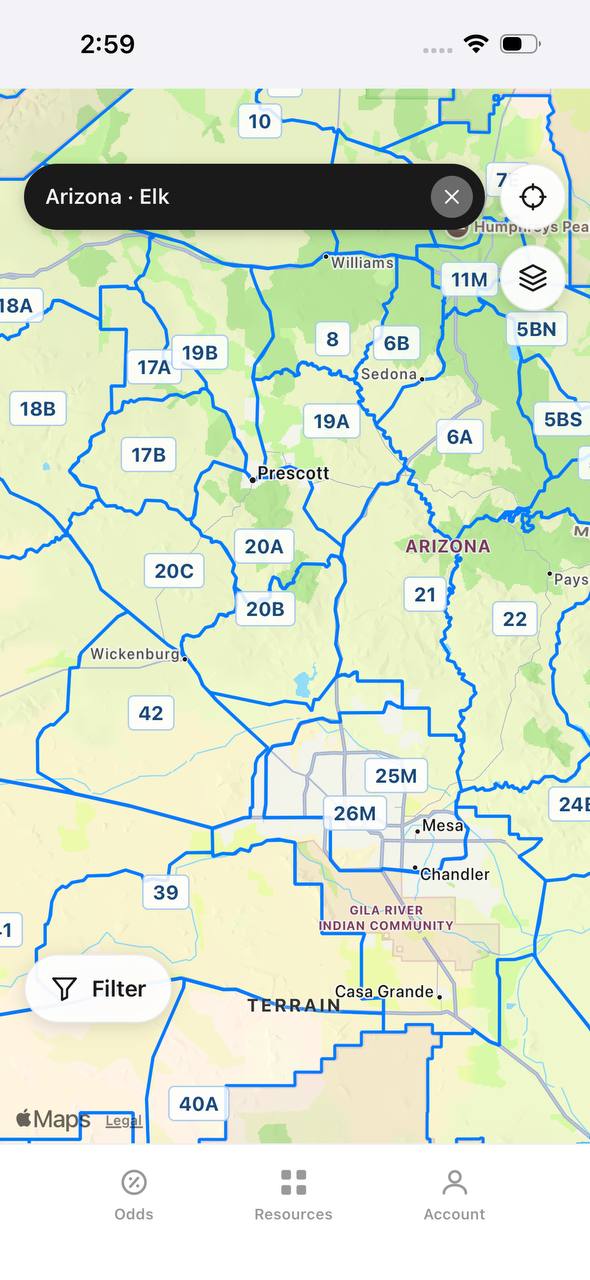
- Detailed draw odds
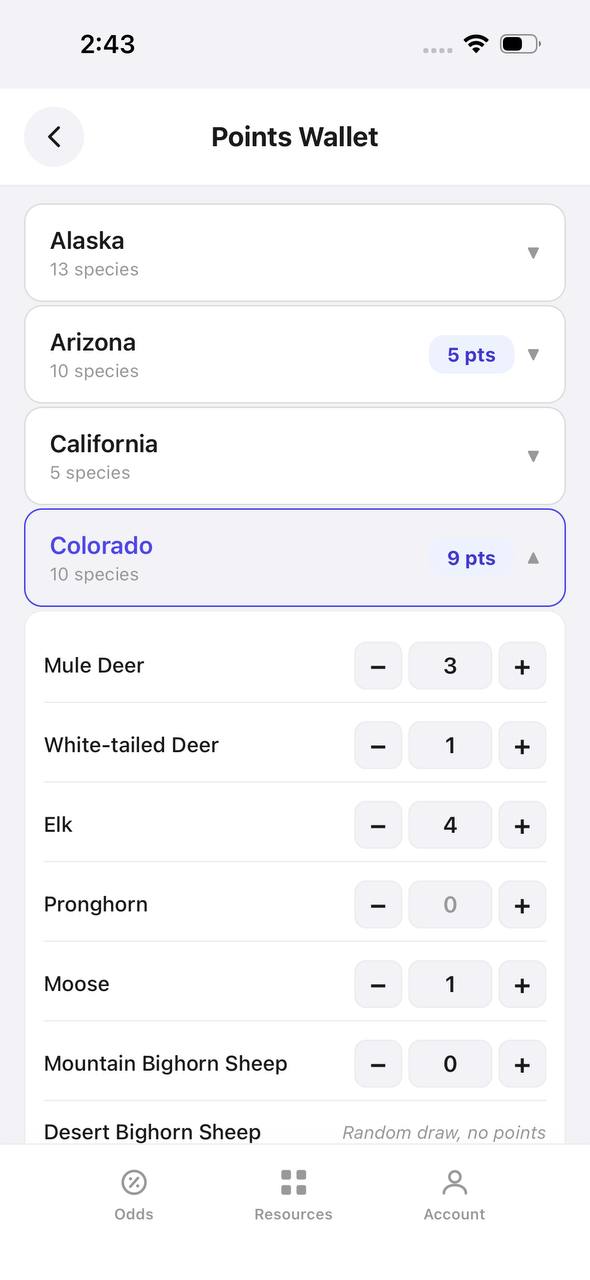
- Point tracking
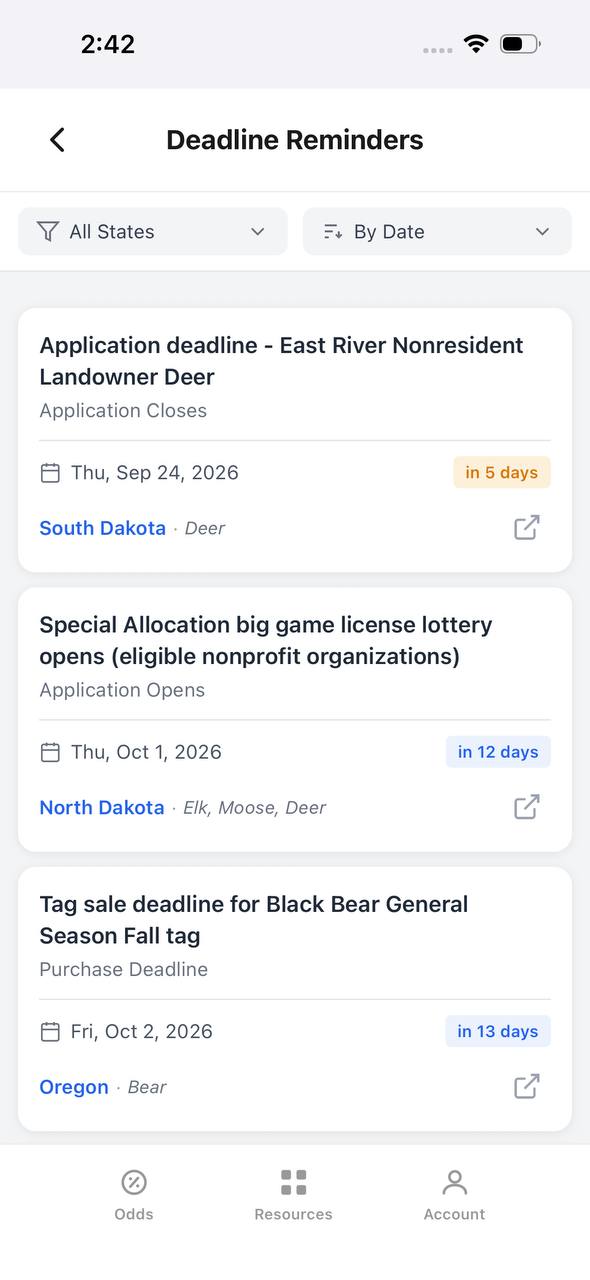
- Deadline reminders
- 18 states covered

Free to join
Download mobile app
- Detailed draw odds
- Point tracking
- Deadline reminders
- 18 states covered
Free to join
Download mobile app
- Detailed draw odds
- Point tracking
- Deadline reminders
- 18 states covered

Maintenance and Long-Term Ownership
Carbon-wrapped barrels require standard cleaning procedures, but the carbon fiber itself needs no special care. Cerakote finishes resist rust better than traditional bluing, reducing maintenance in wet conditions. The carbon stocks won't swell or warp with humidity changes, maintaining zero better than wood stocks in variable mountain weather.
Replacement barrels and parts cost significantly more than standard rifles. If you shoot out a barrel or break a stock, expect to pay premium prices for replacement components. For hunters shooting under 100 rounds per year, this rarely becomes an issue during the rifle's practical lifespan.
Resale value holds better than most production rifles. The Christensen name carries weight in the used market, and hunters seeking lightweight rifles pay premium prices for quality used examples. A well-maintained Ridgeline retains 60 to 70 percent of its original value after several seasons, compared to 40 to 50 percent for most factory rifles.
TAGZ Helps You Plan Hunts Worth Premium Gear
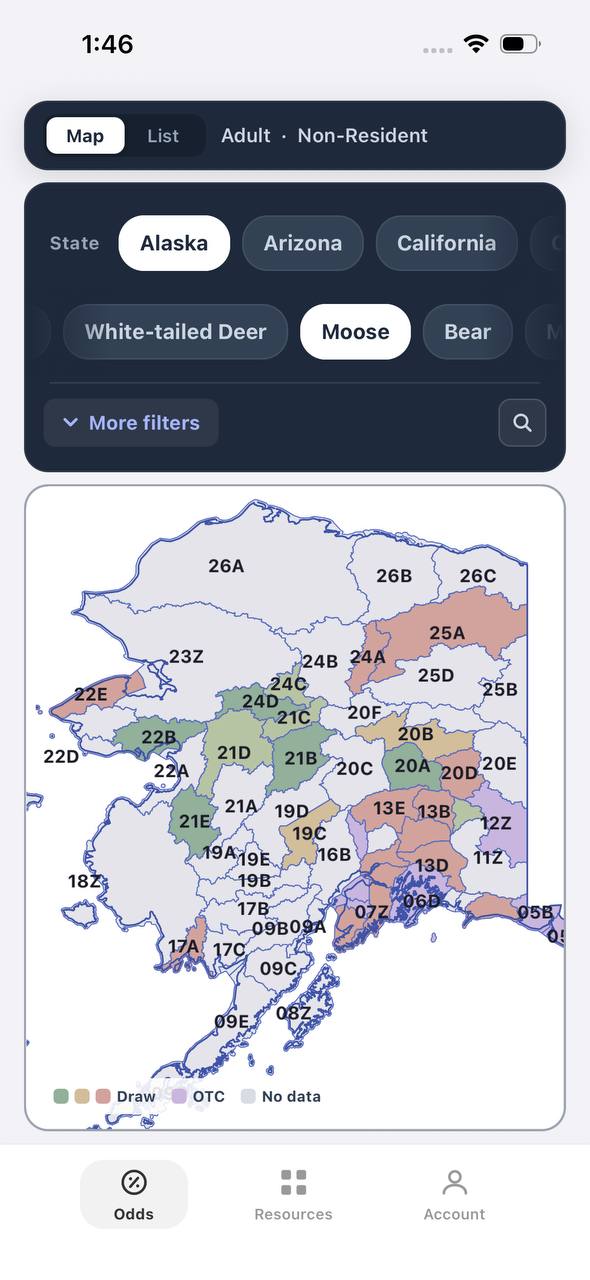
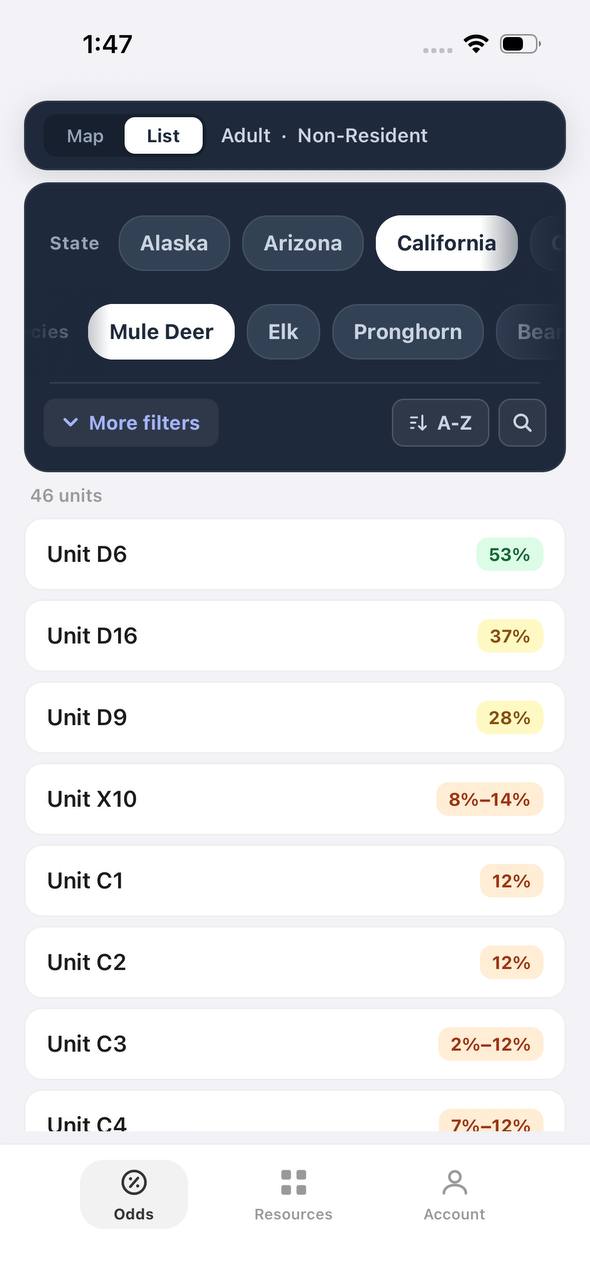
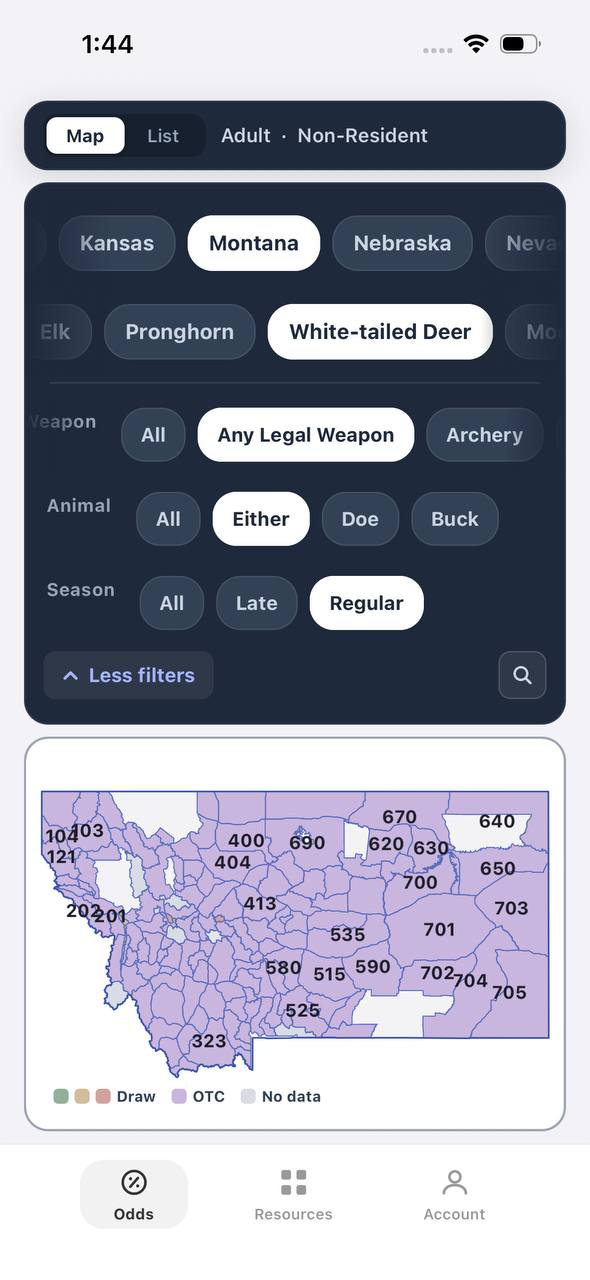
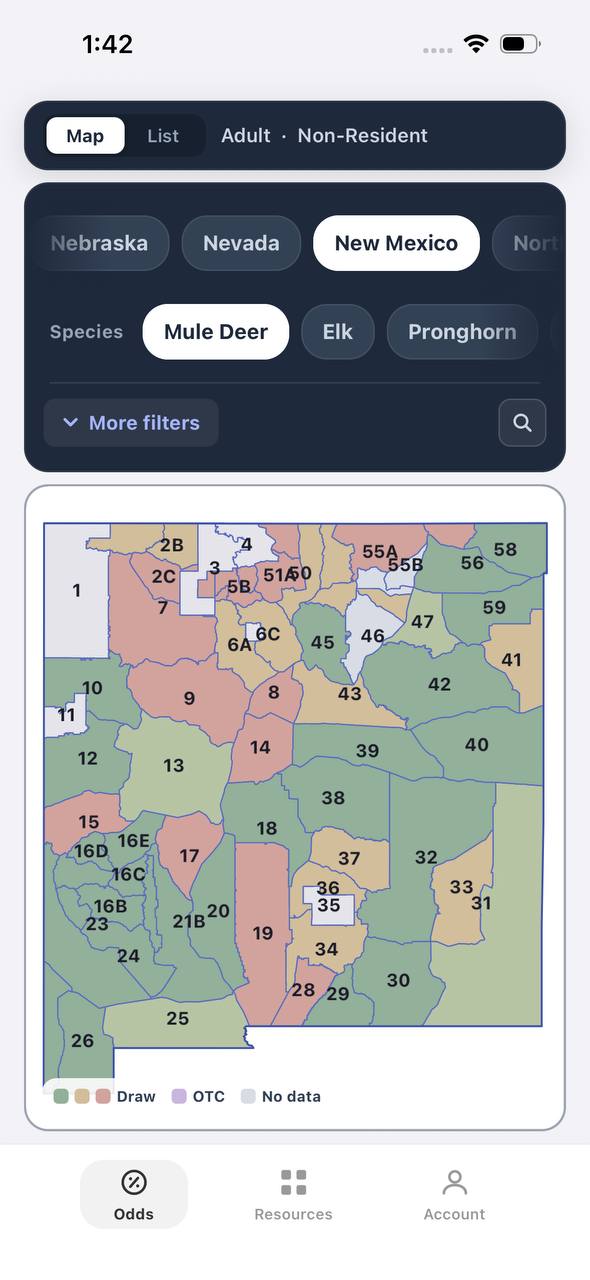
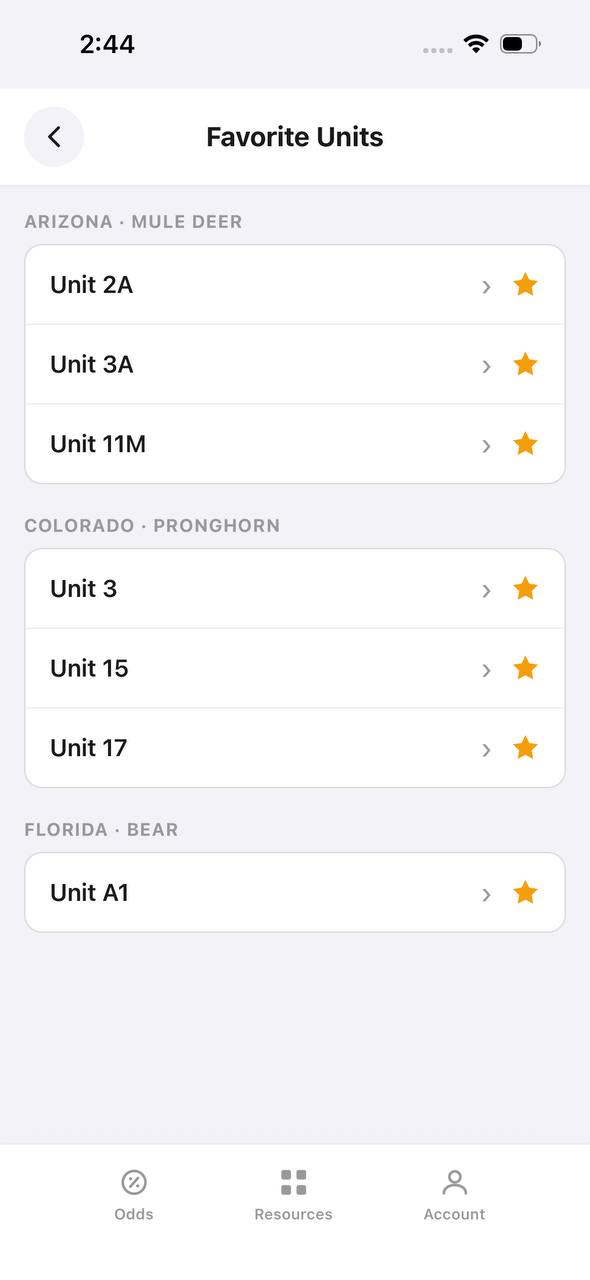
Buying a premium rifle makes sense when you're chasing premium tags. TAGZ helps you identify units where draw odds justify the investment in quality gear. Compare draw statistics across multiple states, track your preference points, and filter hunts by weapon season and terrain type. Whether you're building points for a once-in-a-lifetime sheep tag or planning annual elk applications across Colorado, Montana, and Wyoming, TAGZ gives you the research tools to maximize your draw opportunities.
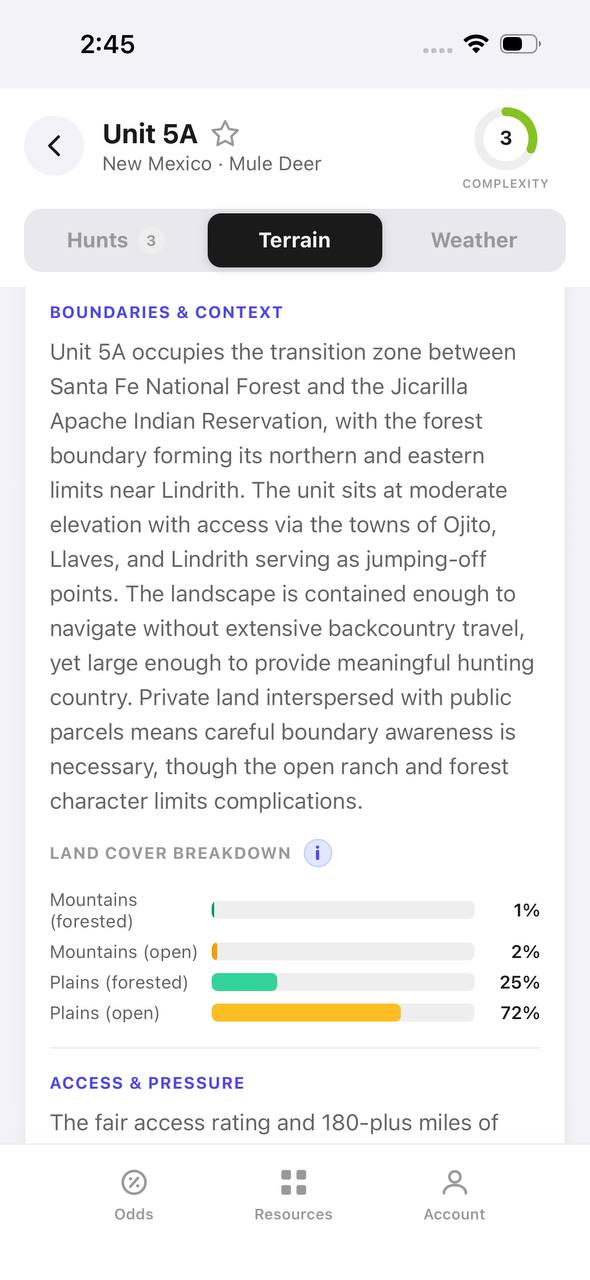
Use TAGZ to evaluate unit terrain before you apply. Steep, roadless units favor lightweight rifles. Gentle terrain with vehicle access reduces the value of weight savings. Make informed decisions about where to hunt and what gear matches the terrain you'll actually face.
FAQ — Christensen Arms Rifles
Are Christensen Arms rifles accurate enough for long-range hunting? Yes. Most models carry a sub-MOA accuracy guarantee and perform well at extended ranges with quality ammunition. The carbon-wrapped barrels maintain accuracy during sustained shooting better than lightweight steel barrels.
How much lighter is a Christensen rifle compared to traditional hunting rifles? Christensen rifles weigh 5.5 to 6.5 pounds before optics, compared to 7 to 8 pounds for most factory rifles. The difference narrows to about one pound when comparing lightweight models from other manufacturers.
Do carbon-fiber barrels shoot out faster than steel? Carbon-wrapped barrels have shorter throat life than heavy steel match barrels, but most hunters won't shoot enough rounds to notice. Expect 1,500 to 2,500 rounds depending on caliber and shooting intensity.
Which Christensen model offers the best value for western hunters? The Mesa delivers most of Christensen's benefits at the lowest price point. The Ridgeline FFT makes sense for backcountry hunters prioritizing extreme weight reduction. The Traverse sits between them for hunters wanting premium build quality without paying for carbon barrel technology.
Can I find Christensen rifles chambered in traditional cartridges? Yes. Christensen offers .270 Winchester, .308 Winchester, .30-06 Springfield, and other traditional rounds alongside modern cartridges like 6.5 PRC and .28 Nosler.
Is a Christensen rifle worth the price for public-land elk hunting? It depends on how you hunt. Backcountry hunters covering miles in roadless wilderness units benefit from the weight savings. Hunters covering shorter distances near vehicle access see less practical advantage over quality budget rifles.
Continue Planning Your Hunt
Once you've chosen your rifle, the next step is choosing your hunt. TAGZ simplifies western hunting applications by giving you draw odds, unit maps, and terrain breakdowns across multiple states. Track preference points and bonus points so you never miss a draw deadline. Filter hunts by weapon type, season, and species to find opportunities that match your hunting style.
Whether you're chasing OTC tags or planning a trophy limited-entry hunt, TAGZ gives you the tools to make smarter decisions before you ever step into the field. Compare units side by side and build a multi-state application strategy that maximizes your chances of hunting every year.
Explore the TAGZ product to see how terrain analysis and draw data help you plan better hunts. Read more hunting insights and strategy guides on the TAGZ Insights page, or start planning your next hunt by exploring pricing options.
Was this article helpful?
Previous
6 Christensen Arms Rifles Every Western Hunter Should Consider
Christensen Arms builds lightweight, accurate hunting rifles trusted by serious western big-game hunters. We break down six standout models — from the ultralight Ridgeline to the versatile Mesa — and explain which hunts they excel in.
Related
Best Bear Archery Bows for Hunting in 2026
Bear Archery's 2026 lineup delivers proven performance for western big-game hunters. From the flagship Redemption EKO to budget-friendly options, these bows combine forgiveness, speed, and field-tested reliability.
Next
Best Custom Rifle Actions for Western Big-Game Hunting in 2026
Custom rifle actions transform accuracy and reliability for western hunters pursuing elk, mule deer, and other big game at distance. We break down the top precision actions—Defiance, Curtis, Bighorn, Impact, and Lone Peak—and explain which builds match your hunting style and budget.