Best Bow Stabilizers for Hunting: Top Picks for 2025
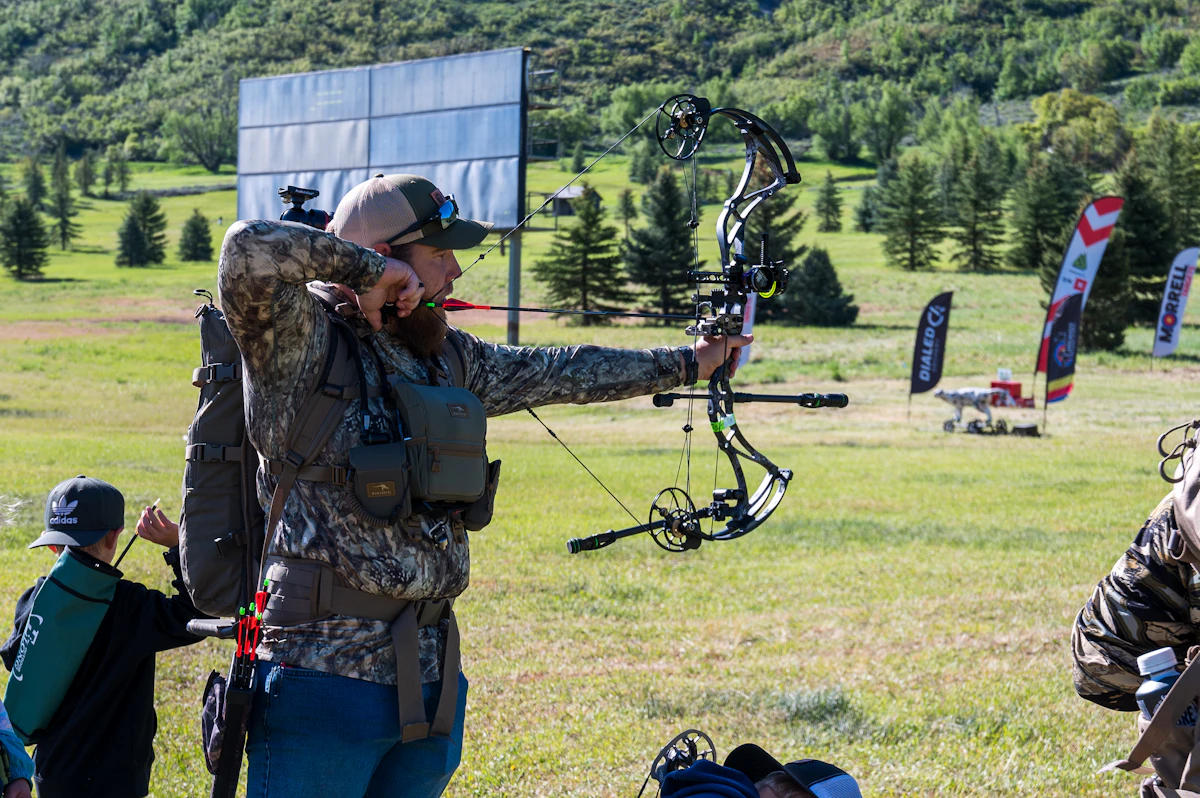
A quality bow stabilizer does more than dampen vibration. It shifts your bow's balance point forward, steadies your pin float during full draw, and absorbs hand shock after the shot. The difference between a $30 generic stabilizer and a purpose-built hunting model shows up most when you are winded from a steep climb, fighting a crosswind, or holding at full draw on a bedded bull at 50 yards.
The best stabilizer for you depends on how you hunt. A tree stand whitetail hunter benefits from a longer, heavier bar that maximizes hold stability. A Western spot-and-stalk bowhunter needs something shorter and lighter that does not snag brush or add fatigue during long days glassing and hiking. Backcountry elk hunters prioritize weight savings without sacrificing enough mass to tame bow torque on steep-angle shots.
What a Bow Stabilizer Actually Does
A stabilizer extends mass forward from the riser, creating rotational inertia that resists torque when you grip the bow inconsistently or cant it during the draw cycle. That forward weight also keeps your sight housing settling downward instead of drifting laterally, which tightens groups at longer distances.
The second job is vibration damping. When the string slaps forward and the limbs recoil, energy transfers through the riser into your bow hand. A stabilizer with internal dampening materials absorbs that shock, reducing noise and making the shot feel smoother. Less vibration also means less movement right after release, which matters when every inch counts at 40 yards.
Length and weight are the two variables you control. Longer bars increase leverage and stability but add bulk. Heavier configurations settle your pin faster but fatigue your bow arm on long sits or climbs. Most hunting stabilizers land between 6 and 12 inches, with total weights from 4 to 12 ounces depending on added weights and materials.
Top Stabilizer Picks for Different Hunting Scenarios
Mathews Bridge-Lock Stabilizer (8-inch)
Mathews designed this stabilizer to pair with their Bridge-Lock sight system, creating a rigid connection that eliminates flex between the riser and sight bar. The 8-inch version balances well on mid-size hunting bows without feeling front-heavy during long packs. Internal harmonic dampening keeps vibration low, and the quick-detach system lets you pull the stabilizer for tight storage or airline travel. Total weight with standard configuration is around 7 ounces. This is a strong choice for Western hunters who want a proven system that integrates tightly with Mathews bows but works on any brand with a standard 5/16-24 thread.
Bee Stinger MicroHex (10-inch)
Bee Stinger has been the go-to for target archers for years, and the MicroHex brings that precision engineering into a hunting package. The carbon fiber bar is stiff enough to resist flex under draw weight, and the modular weight system lets you add or remove mass to dial in your preferred balance. At 10 inches, it provides excellent hold stability without feeling unwieldy in a tree stand or ground blind. The CounterSlide weight system allows fine-tuning of balance by sliding weights along the bar. Expect around 8 ounces with factory weights installed. This stabilizer works well for whitetail hunters who prioritize accuracy over ultralight gear.
Trophy Ridge Static Stabilizer (6-inch)
For spot-and-stalk hunters who cover miles on foot, the Trophy Ridge Static keeps weight down without turning your bow into a torque-prone nightmare. At just under 5 ounces in the 6-inch model, it dampens vibration through a rubber coating and internal balancing system while staying compact enough that you will not catch it on branches during a stalk. The shorter length reduces leverage, so you sacrifice some of the pin-settling benefit you get from longer bars, but the tradeoff is worth it when you are climbing talus or threading thick oak brush. This is the stabilizer to choose when ounces matter and your effective range stays inside 50 yards.
Easton Flatline (8-inch)
Easton's Flatline uses a carbon fiber construction that cuts weight while maintaining stiffness, and the internal vibration dampening system does an impressive job killing hand shock. The 8-inch version comes in around 6 ounces, putting it in the sweet spot for backcountry hunters who want stability without adding a half-pound to their bow. The low-profile design does not add bulk, and the matte finish avoids glare during midday glassing sessions. Easton also offers a quick-disconnect version if you want the option to remove the stabilizer for pack-in hunts. This is a solid all-around choice for elk and mule deer hunters who cover varied terrain.
AAE Hot Rodz (7-inch)
The Hot Rodz has been a sleeper pick among Western bowhunters for years. It is simple, affordable, and effective. The aluminum bar is durable enough to survive getting banged against rocks or dropped on concrete, and the rubber dampening system works as well as models that cost twice as much. At 7 inches and around 6 ounces, it balances well on most hunting bows without feeling nose-heavy. The real advantage is the price point — you get 90 percent of the performance of premium stabilizers for half the cost. If you are outfitting multiple bows or trying stabilizers for the first time, this is a smart starting point.
How to Choose the Right Length and Weight
Start by considering where you hunt and how much you move. Tree stand hunters can run longer, heavier setups because they are not hiking with the bow for hours. A 10- to 12-inch stabilizer with added weights will give you the steadiest hold when a shooter buck steps into your lane at 35 yards.
Spot-and-stalk hunters should prioritize compact, lightweight options. Anything over 8 inches starts to feel cumbersome when you are crawling through sage or picking your way across a rockslide. A 6- to 8-inch bar with minimal added weight keeps your bow maneuverable without sacrificing too much stability.
Backcountry hunters face the toughest tradeoff. You want enough stabilizer mass to settle your pin on steep angles and long-range shots, but every ounce counts when you are camped 8 miles from the trailhead. An 8-inch carbon stabilizer in the 5- to 7-ounce range is usually the best compromise.
Test your setup by shooting at longer distances in field conditions. If your pin drifts laterally more than vertically, add weight or length. If your bow arm fatigues quickly, drop weight or shorten the bar. The right stabilizer should feel balanced when you raise the bow and settled when you hit full draw.
Mounting and Tuning Your Stabilizer
Most stabilizers thread directly into the riser using a standard 5/16-24 thread. Some bows use proprietary mounting systems like the Mathews Bridge-Lock or Hoyt's In-Line system, which require matching stabilizers or adapters.
Once mounted, walk your bow's balance point forward or backward by adding or removing weights from the stabilizer bar. The goal is to have the bow settle slightly nose-down when you relax your grip at full draw. If the bow tips backward, add weight to the stabilizer. If it dives too aggressively, remove weight or switch to a shorter bar.
Shoot a few arrows to check for torque. If your groups shift left or right based on grip pressure, you likely need more rotational inertia — either a longer stabilizer or additional weight. If your bow jumps excessively after the shot, you need better vibration dampening, which usually means upgrading to a stabilizer with internal rubber or gel systems.
Some hunters add a rear stabilizer or side-rod setup to create a three-point balance system. This is more common in target archery, but it can help if you struggle with consistent form or shoot in high wind. The added complexity and weight usually are not worth it for hunting unless you are taking shots past 60 yards regularly.
Free to join
Download mobile app
- Detailed draw odds
- Point tracking
- Deadline reminders
- 18 states covered

Free to join
Download mobile app
- Detailed draw odds
- Point tracking
- Deadline reminders
- 18 states covered
Free to join
Download mobile app
- Detailed draw odds
- Point tracking
- Deadline reminders
- 18 states covered
Mistakes to Avoid When Choosing a Stabilizer
The biggest mistake is buying based on brand hype instead of your actual hunting conditions. A 12-inch target stabilizer might look impressive, but it will be a liability if you hunt thick timber or hike steep country. Match the tool to the job.
Another common error is under-stabilizing. Hunters who prioritize lightweight gear sometimes go so minimal that they lose the core benefits of having a stabilizer at all. A 4-inch bar with no added weight barely affects balance or vibration. You are better off running a quality 6- to 8-inch model and saving weight elsewhere in your kit.
Ignoring vibration dampening is the third mistake. Aluminum bars without internal dampening materials transmit more shock to your hand and make more noise on the shot. That extra vibration can spook animals and throw off your follow-through. Spend a little more for a stabilizer with rubber, gel, or harmonic dampening built in.
Finally, some hunters never test different configurations. If your current stabilizer came stock on your bow or was the cheapest option at the shop, you might be leaving accuracy on the table. Borrow a few models from hunting partners or test options at a pro shop before committing. The difference in hold stability and shooting comfort can be significant.
How TAGZ Helps You Plan the Hunt That Requires Your Best Shooting
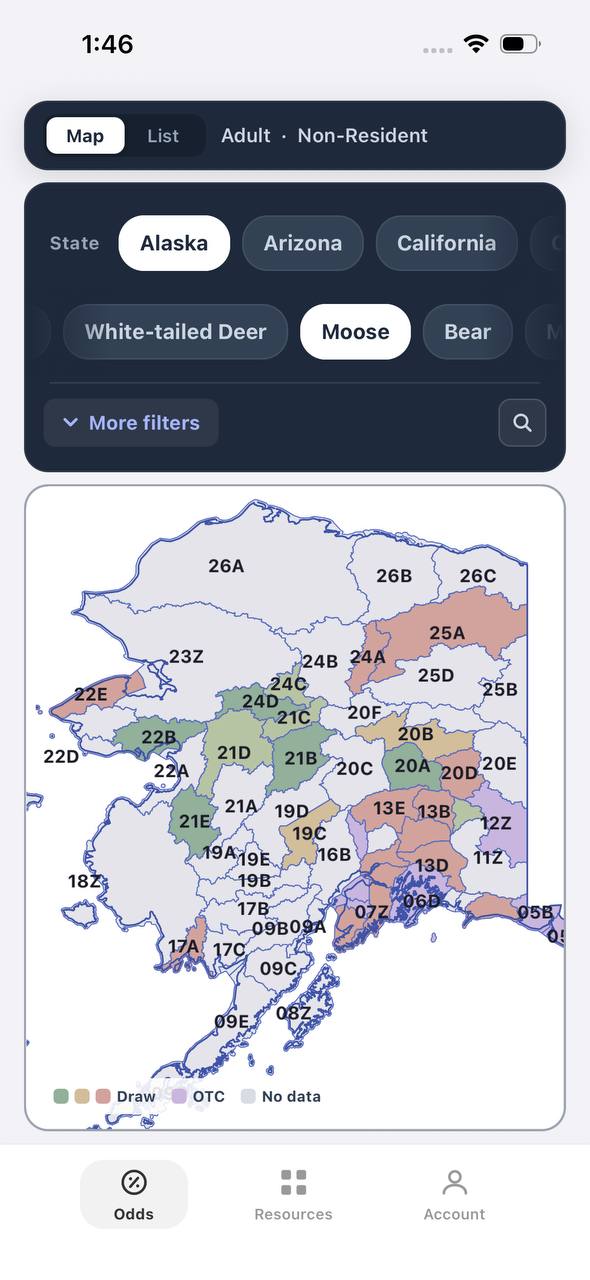
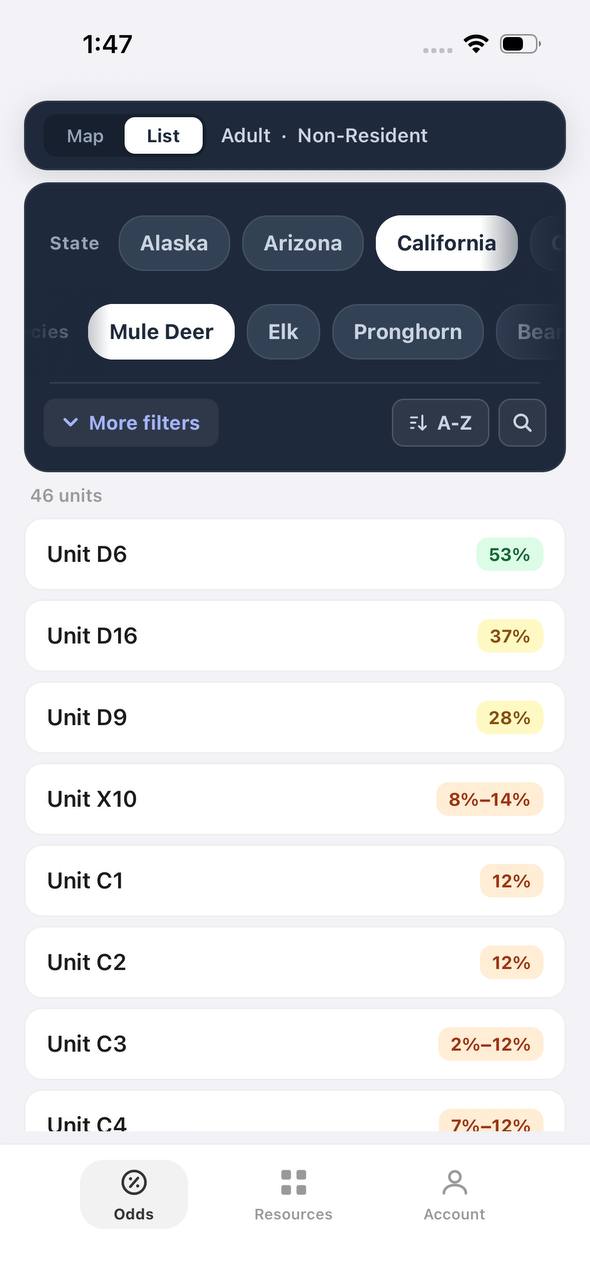
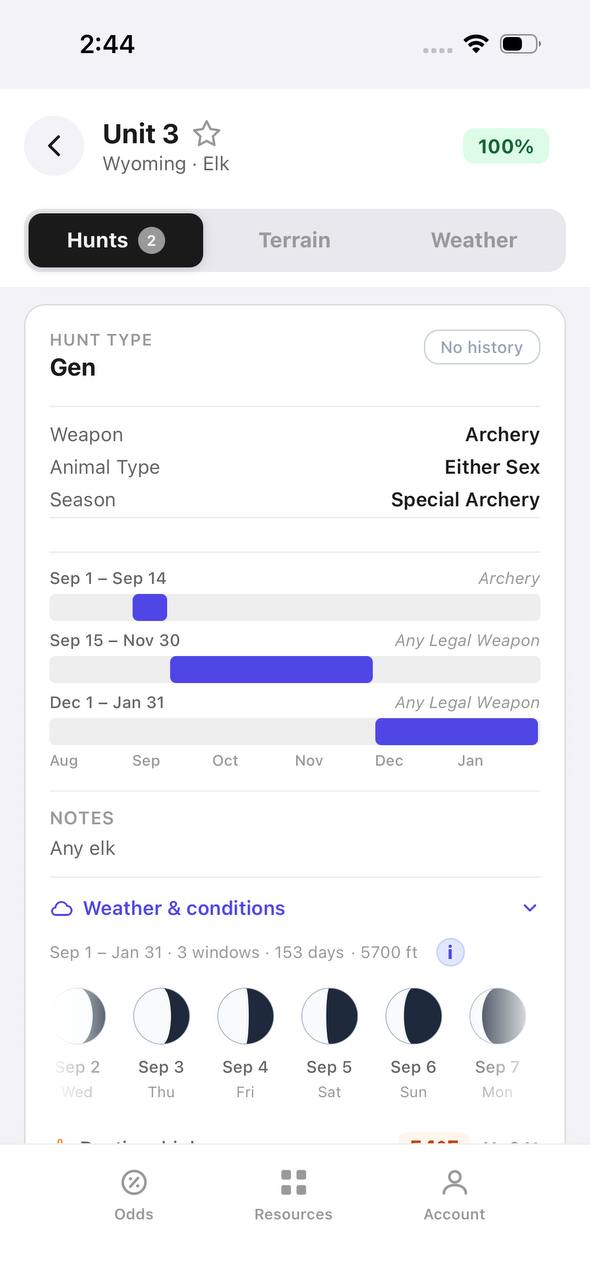
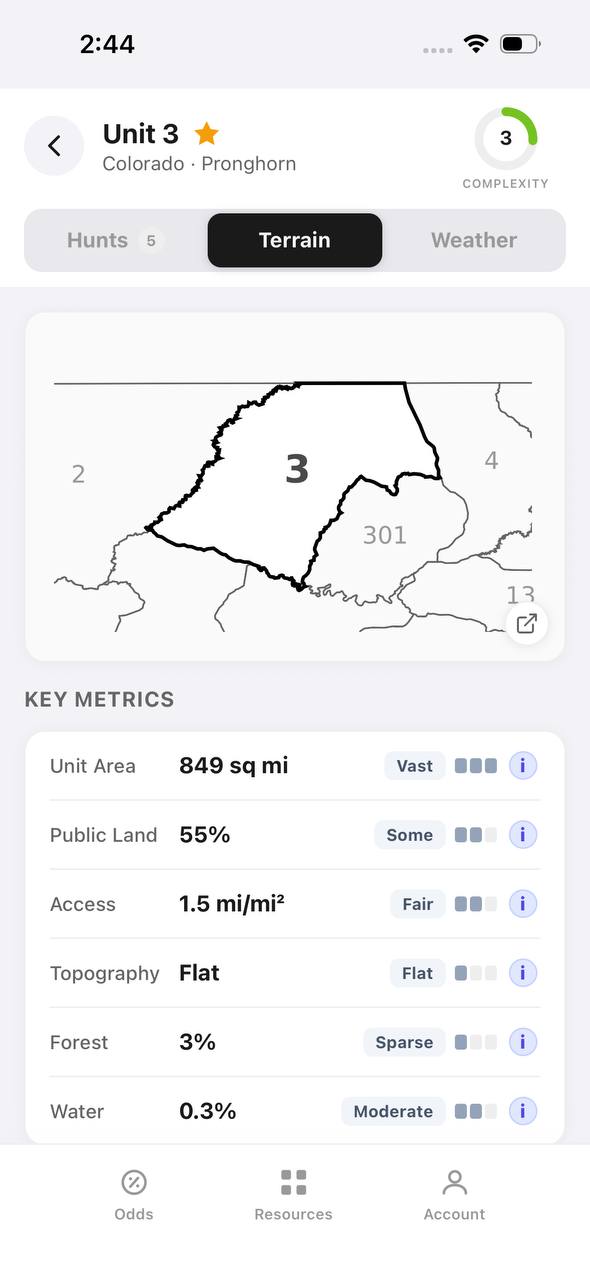
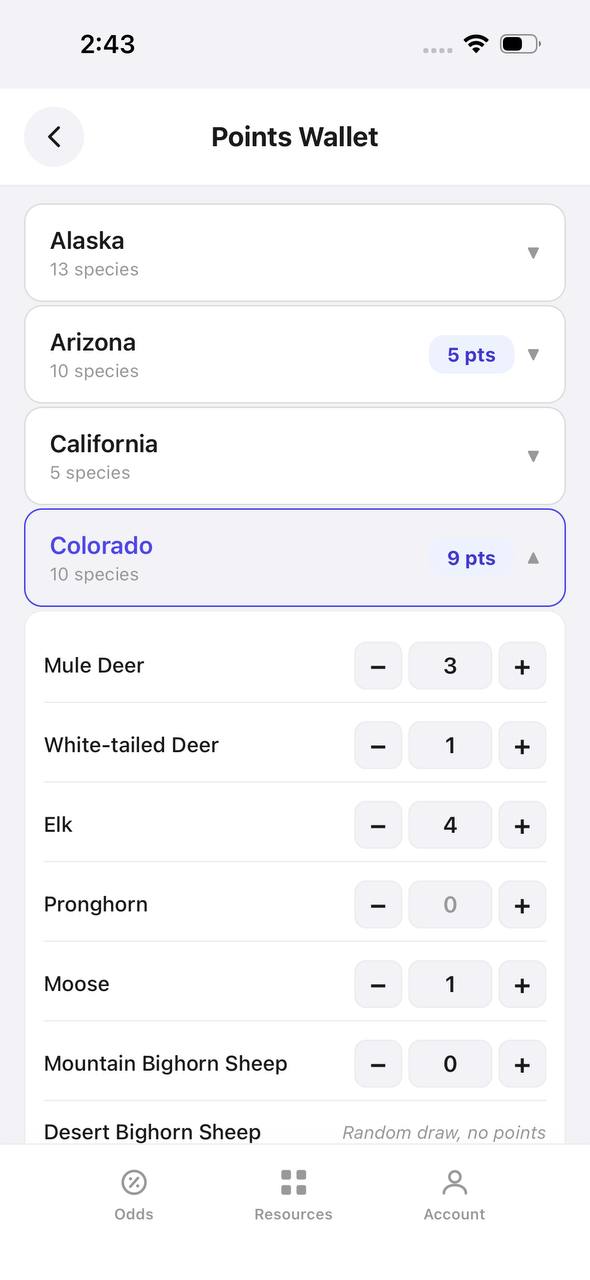
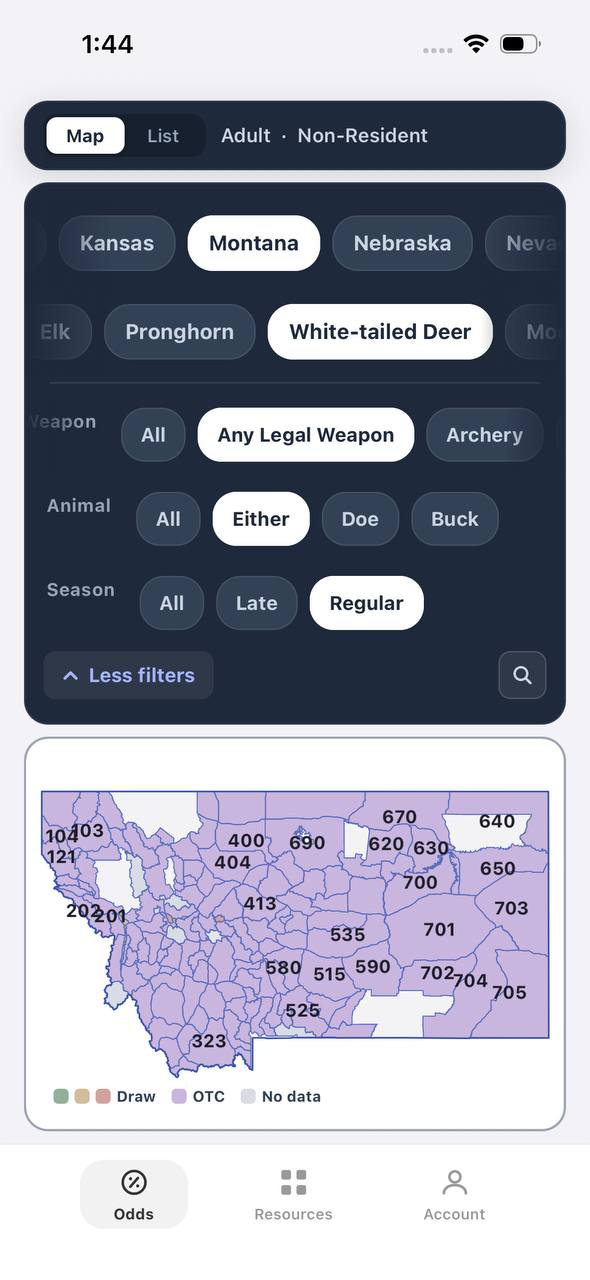
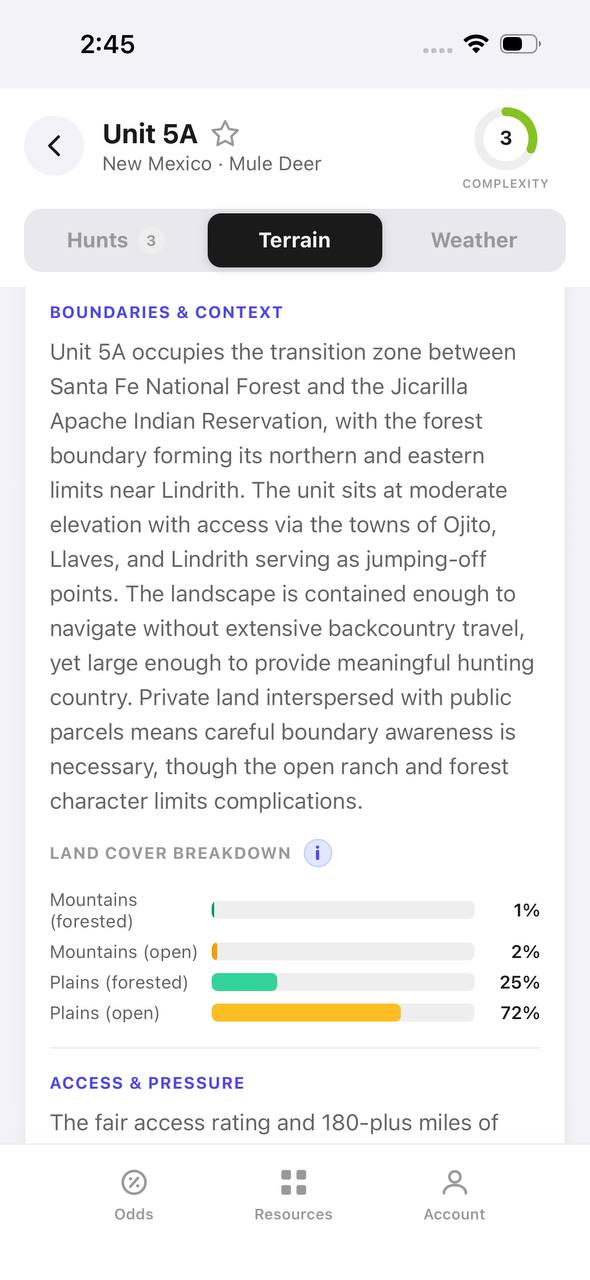
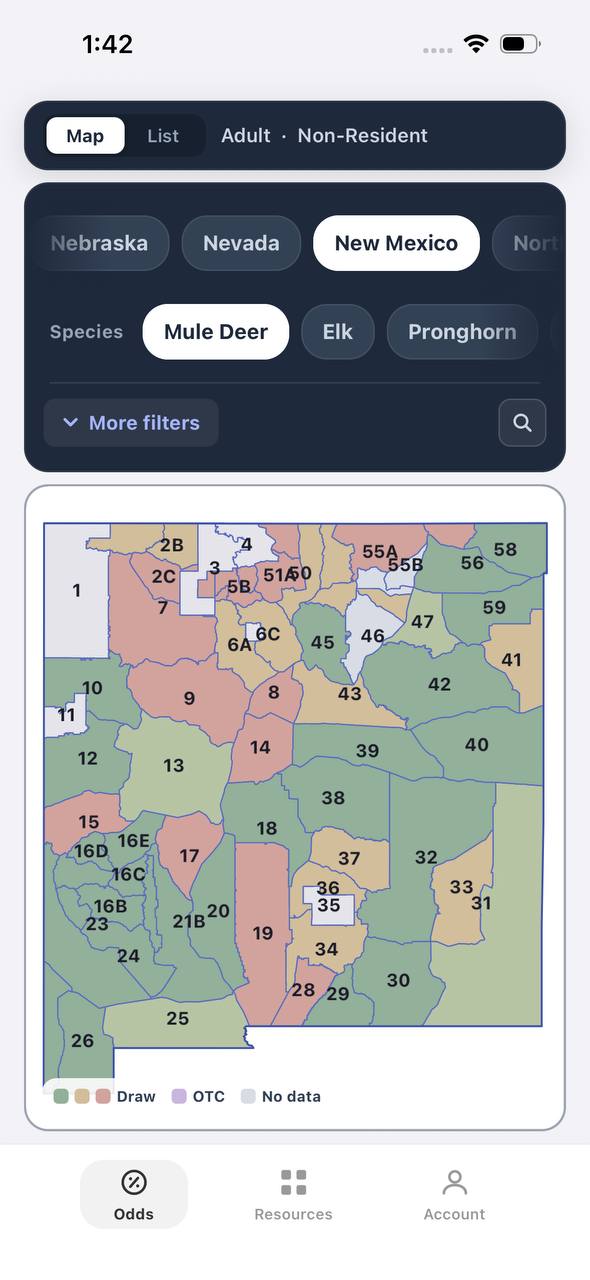
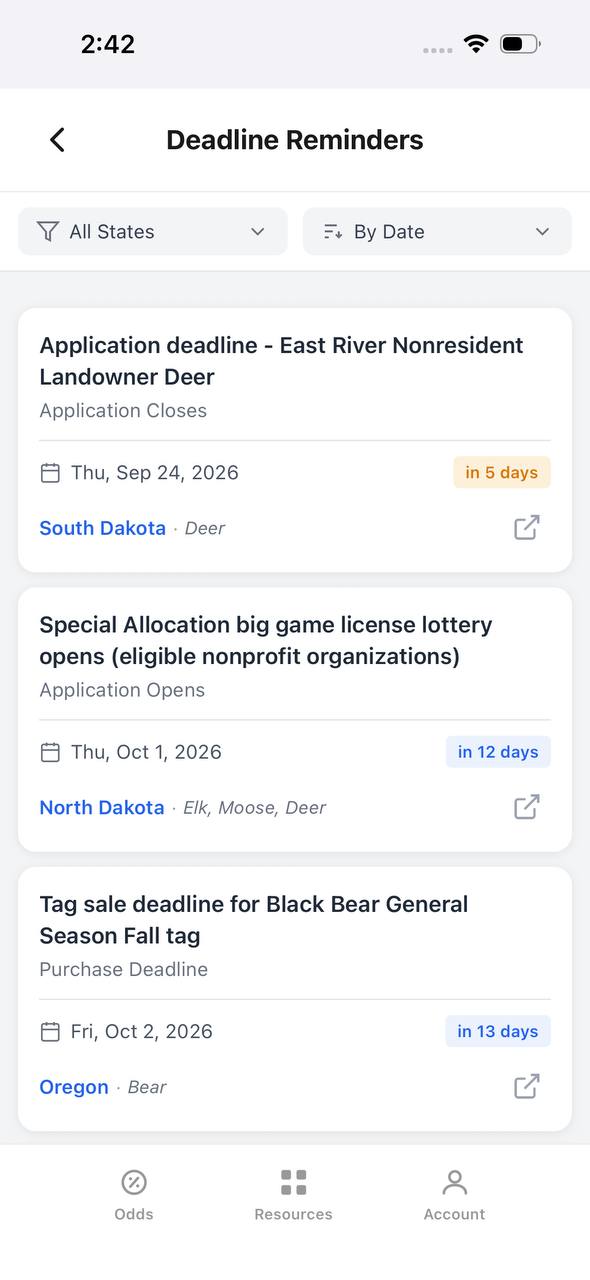
Once your bow is dialed in with the right stabilizer, the next step is planning where to use it. TAGZ helps you identify high-quality draw units across the West by comparing historical draw odds, terrain features, and public land access side by side. Whether you are chasing velvet mule deer in August or bugling bulls in September, TAGZ tracks your preference points and bonus points across multiple states so you can apply strategically and maximize your draw opportunities.
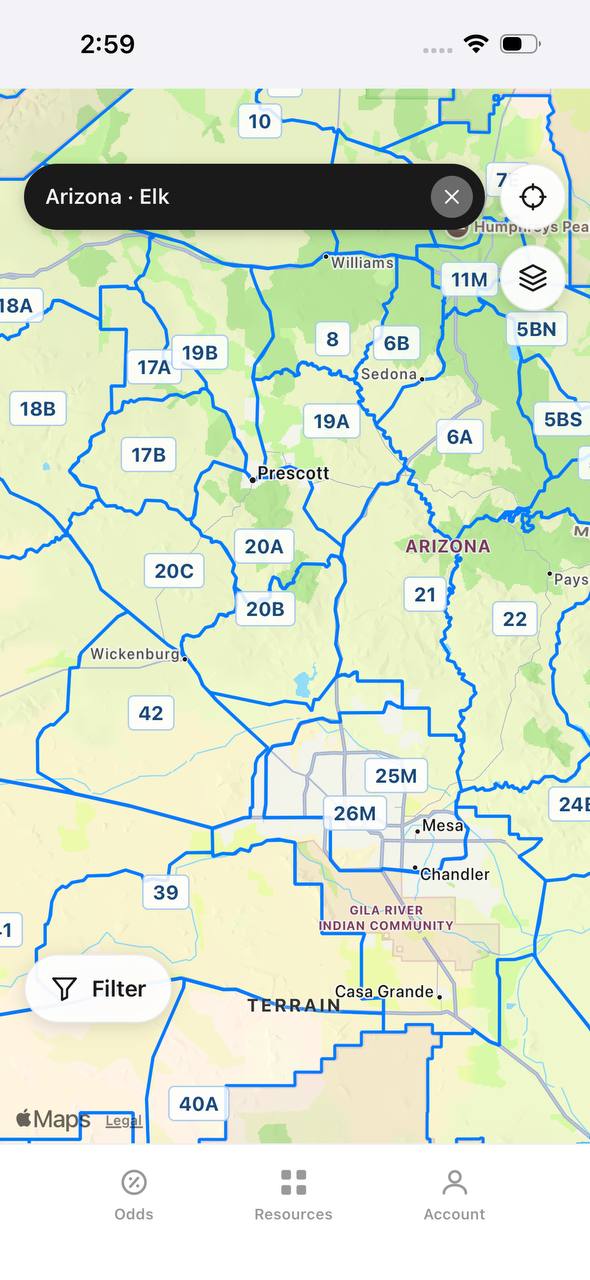
The platform's interactive unit maps show you exactly where unit boundaries fall, what terrain you will be hunting, and how much public land is available. Filter hunts by weapon type, season dates, and species to find bow-only opportunities that match your skill level and the ranges you practice. Instead of spending hours clicking through state wildlife websites, TAGZ consolidates everything you need to make confident application decisions in one place. Create a free account at getmytagz.com and start building your hunt strategy for next season.
FAQ — Bow Stabilizers for Hunting
What length stabilizer is best for bowhunting?
Most bowhunters use stabilizers between 6 and 10 inches. Longer bars provide more stability but add bulk, while shorter options stay compact for spot-and-stalk hunting. An 8-inch stabilizer balances performance and maneuverability for most applications.
Do I need a heavy or light stabilizer for hunting?
Heavier stabilizers settle your pin faster and reduce torque, but they cause arm fatigue on long sits or hikes. Backcountry hunters typically choose lighter setups around 5 to 7 ounces, while tree stand hunters can run 8 to 12 ounces for maximum hold stability.
Can I use a target stabilizer for hunting?
Yes, but target stabilizers are usually longer and heavier than ideal for hunting situations. They work well from tree stands or ground blinds but become cumbersome during spot-and-stalk hunts or backcountry packing. Purpose-built hunting stabilizers offer better weight-to-performance ratios.
How much does a good bow stabilizer cost?
Quality hunting stabilizers range from $40 to $150. Budget models like the AAE Hot Rodz perform well for most hunters, while premium options like the Bee Stinger MicroHex or Mathews Bridge-Lock offer advanced dampening and modular weight systems. Spending around $80 gets you excellent performance without overpaying for marginal gains.
Will a stabilizer make me more accurate?
A stabilizer improves accuracy by reducing pin float, dampening vibration, and resisting torque from inconsistent grip pressure. The effect is most noticeable at longer ranges or when shooting from awkward positions. Combined with consistent form and practice, a quality stabilizer tightens groups and increases confidence on difficult shots.
Should I remove my stabilizer when packing my bow?
Some hunters remove stabilizers to save space or prevent damage during travel. Quick-detach systems make this easier, but you will need to re-check your bow's balance and zero after reinstalling. If you hunt the same area repeatedly, leaving the stabilizer attached maintains consistency. For airline travel or extreme backcountry hunts, removable stabilizers offer flexibility without sacrificing performance in the field.
Was this article helpful?
Previous
Best GPS Devices for Western Big Game Hunters in 2026
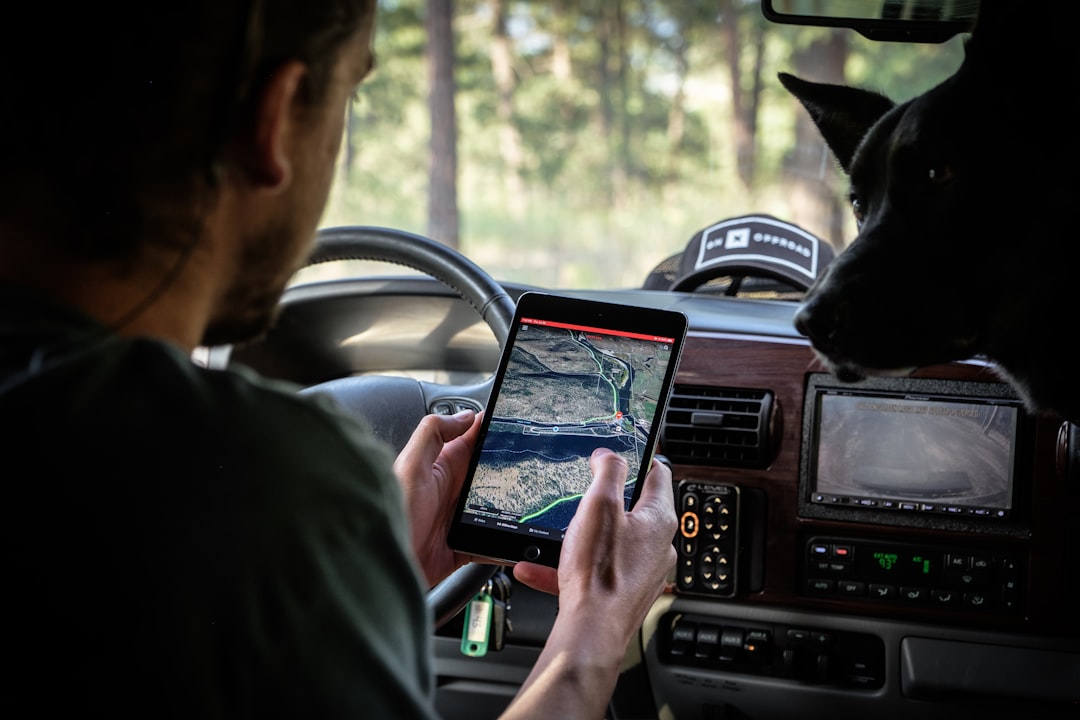
Modern GPS units have become essential navigation tools for backcountry hunters. From preloaded public land boundaries to real-time tracking, the right device keeps you legal, safe, and oriented in unfamiliar country.
Related
Best Hunting Pants for Every Condition and Style in 2026
Discover the top hunting pants for 2026 that combine durability, comfort, and concealment. Find the perfect pair for your hunting style and terrain.
Next
Choosing the Right Harpoon, Bang Stick, and Snare for Big-Game Hunting
Harpoons, bang sticks, and snares are specialized tools for specific hunting scenarios — from underwater boar hunting to survival situations. Understanding their legal status, proper application, and limitations keeps you safe and compliant in the field.