Calling Whitetails: Techniques, Timing, and Common Mistakes
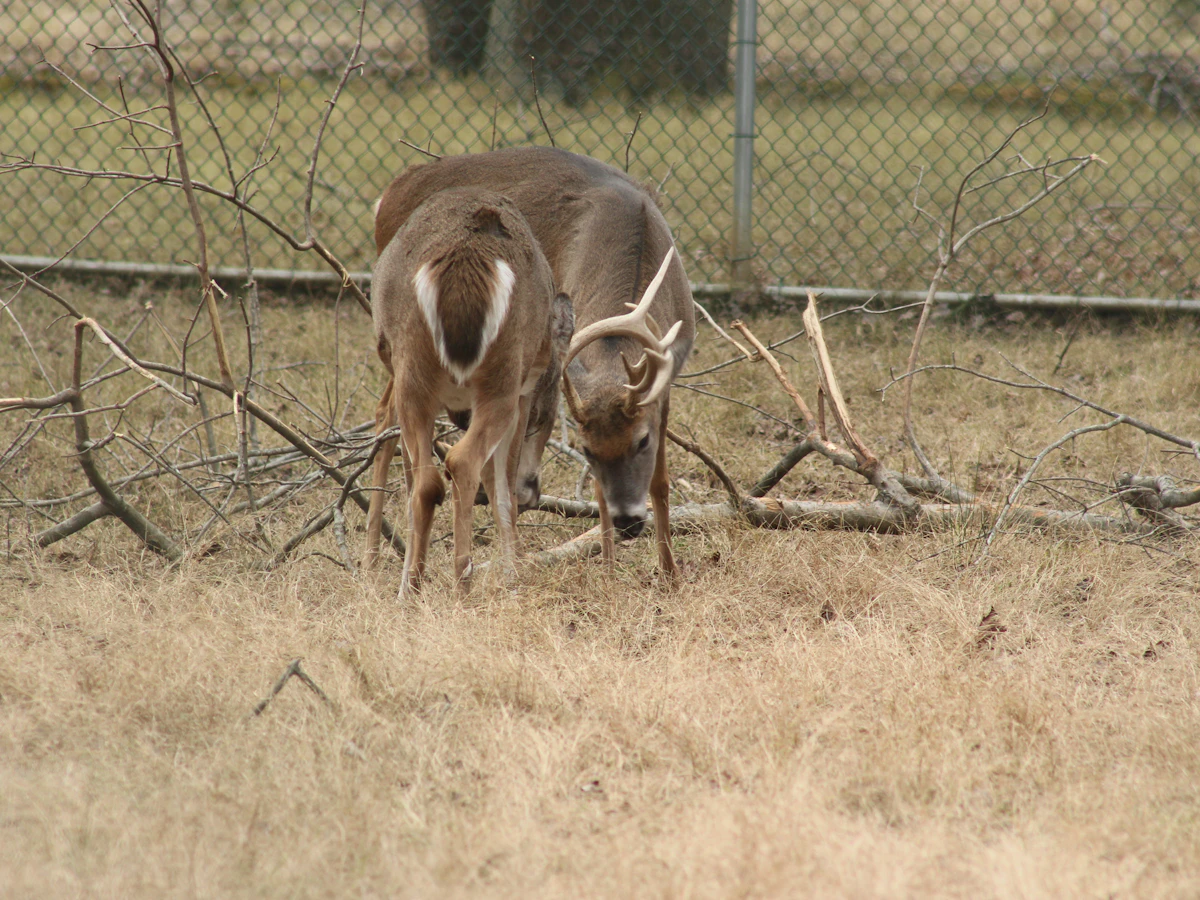
Calling whitetails can turn a slow sit into a heart-pounding encounter, but only if you understand when to call, what sounds to make, and how deer respond. Done right, calling taps into natural whitetail behavior — curiosity, competition, and breeding instinct. Done wrong, it educates deer and sends them the other direction. This guide covers the core calling techniques, explains the timing that matters most, and walks through the mistakes that cost hunters mature bucks every season.
The Three Core Calls Every Whitetail Hunter Should Know
Whitetail calling breaks down into three fundamental categories: grunts, bleats, and rattling. Each triggers a different behavioral response.
Grunts mimic the low, guttural vocalizations bucks make when trailing does or asserting dominance. A contact grunt is soft and brief — the sound of a buck cruising through cover. A tending grunt is longer and more aggressive, often heard when a buck is shadowing an estrous doe. Grunts work year-round but peak during the pre-rut and rut when bucks are vocal and competitive.
Bleats imitate does and fawns. A standard doe bleat is a higher-pitched, drawn-out sound. An estrous bleat adds urgency — sharper and more frequent — signaling a doe ready to breed. Bleats are most effective during the rut when bucks are actively searching for receptive does. They can also pull in does during early season, which sometimes brings trailing bucks.
Rattling replicates the sound of two bucks fighting. It triggers both curiosity and dominance responses. Rattling works best during the pre-rut and peak rut in areas with balanced buck-to-doe ratios. In heavily hunted areas or where bucks are scarce, rattling can backfire by alerting deer to human presence without enough competitive instinct to overcome wariness.
When to Call During the Season
Timing determines whether calling pulls deer in or pushes them out. Whitetail behavior shifts dramatically from early season through post-rut, and calling strategies need to match.
Early Season: Minimal Calling, Maximum Caution
September through early October is bachelor group season. Bucks are still in velvet or freshly shed, feeding patterns are predictable, and aggression is low. Light contact grunts can work if a buck is passing at 60 to 80 yards, but over-calling educates deer fast. Does and fawns respond to soft bleats, and pulling in a doe group sometimes brings a trailing buck. Rattling is mostly ineffective — bucks are not yet territorial, and the sound feels out of place.
The goal in early season is patience. Save aggressive calling for later.
Pre-Rut: Calling Picks Up
Late October into early November marks the pre-rut — the window when calling starts paying off. Bucks are covering ground, checking scrapes, and beginning to compete for breeding rights. Grunts and light rattling both work. A buck moving through heavy cover may respond to a contact grunt out of curiosity. A tending grunt can pull in a subordinate buck hoping to intercept a doe before a dominant deer finds her.
Rattling during pre-rut should be shorter and less aggressive than peak-rut sequences. Think sparring, not all-out combat. Thirty seconds of light clashing followed by silence often triggers a buck's curiosity without alarming him. Watch downwind — many bucks circle to scent-check before committing.
Peak Rut: Go Aggressive
Mid-November in most of the whitetail range is peak breeding. Bucks are locked on does, cruising hard, and hyper-responsive to calls that suggest competition or available does. This is the window for aggressive calling.
Tending grunts work when you spot a buck trailing a doe. The sound suggests another buck is moving in, which can trigger a jealous response. Estrous bleats are deadly effective — they signal a doe ready to breed, and a cruising buck may alter his route to investigate. Rattling sequences should be loud and extended. Two to three minutes of realistic antler clashing, followed by grunts and brush thrashing, imitates a serious fight. Bucks often come in hot, expecting to challenge or steal a doe.
Do not over-call during peak rut. Let silence work between sequences. A buck may circle, hang up, or take 20 minutes to commit. Calling every five minutes trains deer to associate the sound with danger.
Post-Rut: Quiet Down Again
Late November into December sees the rut wind down. Most does are bred, bucks are exhausted, and calling effectiveness drops. Light grunts can still pull in a trailing buck if a late-cycling doe is nearby, but aggressive rattling and frequent bleats mostly fall flat. Focus on food sources and travel corridors rather than calling tactics.
How to Read a Buck's Response
Whitetails rarely charge straight in like elk. Understanding how bucks respond to calls helps you know when to stay still, when to call again, and when to prepare for a shot.
Immediate response — ears pin forward, head snaps toward the sound, and the buck moves your direction. This is the ideal reaction. Stay still, get ready, and let him commit. Do not call again unless he stops and loses interest.
Hesitant response — the buck looks your direction but does not move. He may take a few steps, stop, and stare. This deer is interested but cautious. Wait 30 to 60 seconds. If he starts to turn away, hit him with a softer grunt or bleat to reignite curiosity.
Circling downwind — the buck moves laterally or angles downwind instead of straight in. This is common with mature deer. They want to scent-check before committing. Your scent control determines the outcome. If your wind is clean, he may circle into range. If not, he will vanish.
No response — the buck hears the call but ignores it. Either he is not interested, already with a doe, or educated to calling. Move on. Calling again only increases the risk of spooking him.
Common Calling Mistakes That Spook Deer
Most hunters call too much, call too loud, or call at the wrong time. Here are the mistakes that educate bucks instead of bringing them in.
Over-Calling
Repeated calling every few minutes sounds unnatural. Real deer are not that vocal. A buck grunts occasionally, not constantly. Bleats happen in bursts, not loops. Rattling sequences are isolated events, not every-stand soundtracks. Call once or twice, then wait. Give deer time to respond. Silence is part of the strategy.
Calling from the Wrong Setup
Calling from a stand with poor visibility or thick cover limits your ability to see a responding buck. Deer often hang up just out of sight, scent-check, and leave without you ever knowing they responded. Set up with clear shooting lanes and good sightlines downwind. If a buck circles, you want to see him do it.
Ignoring Wind Direction
Calling pulls deer toward you, which means they are more likely to catch your scent. Always call with the wind in your favor. If your setup has bad wind, calling accelerates detection. Either reposition or skip calling entirely and rely on natural deer movement.
Using Unrealistic Sequences
Rattling that sounds like someone beating two sticks together does not fool mature bucks. Grunts that are too loud or too high-pitched sound wrong. Bleats that do not vary in tone feel robotic. Practice with your calls before the season. Listen to real whitetail vocalizations online. Match the rhythm, volume, and tone of actual deer behavior.
Calling Spooked or Pressured Deer
If a deer has already seen you, smelled you, or is clearly on edge, calling will not fix it. Spooked deer do not respond to calls — they leave. Similarly, in areas with heavy hunting pressure, bucks become call-shy. They have heard grunts and rattling from other hunters and learned to associate the sounds with danger. In high-pressure areas, call sparingly and focus on natural deer movement instead.
Gear That Matters
You do not need a truck bed full of calls to be effective. A quality grunt tube, a doe bleat can, and a set of rattling antlers or a rattle bag cover every situation. Adjustable grunt tubes let you vary tone and volume. Rattle bags are quieter and easier to pack than full antlers, though antlers sound more realistic. Keep calls accessible — lanyard-mounted or clipped to your jacket — so you can respond fast when a buck appears.
Practice before the season. Learn how hard to blow, how long to hold a grunt, and how to create realistic rattling cadence. The more natural your calling sounds, the more bucks will commit.
How TAGZ Helps You Plan Hunts in Prime Whitetail Country
Calling tactics mean nothing if you are sitting in the wrong spot. Whitetail hunting success starts with choosing units and states that give you the best draw odds, access to quality public land, and huntable buck populations. TAGZ helps you compare whitetail units side by side using historical draw data, terrain maps, and unit boundaries. Track your preference points across multiple states so you never miss a draw deadline. Whether you are chasing a limited-entry trophy tag or planning an OTC hunt in prime rut country, TAGZ gives you the tools to make smarter decisions before you ever step into the field. Filter hunts by weapon type, season dates, and species. See where the opportunities are, plan your applications, and hunt with confidence.
FAQ — Calling Whitetails
What is the best call to use during the rut?
Estrous bleats and aggressive rattling are most effective during peak rut. Both trigger competition and breeding responses from cruising bucks.
Should I call if I see a buck already?
Yes, but only if he is moving away or has not noticed you. A soft grunt can stop him or redirect his path. If he is already coming your way, stay quiet.
How long should I wait between calling sequences?
Wait at least 30 to 45 minutes between rattling sequences. For grunts and bleats, call once or twice, then wait 10 to 15 minutes before calling again.
Does calling work in heavily pressured areas?
It can, but bucks in pressured areas are often call-shy. Use minimal, realistic calling and rely more on scent control and natural movement patterns.
Can you call does into range?
Yes. Doe bleats and fawn bleats can pull in curious does, especially during early season. Does often bring trailing bucks with them.
What is the biggest mistake hunters make when calling whitetails?
Over-calling. Constant calling sounds unnatural and educates deer. Call sparingly, wait for responses, and let silence work.
Continue Planning Your Hunt
Ready to find your next whitetail hunt? TAGZ makes it simple to compare draw odds, research units, and track application deadlines across every major whitetail state. Explore the TAGZ Insights blog for more hunt planning strategies, or dive into the TAGZ platform to start filtering hunts by weapon, season, and draw probability. Whether you are hunting public land or planning a multi-state strategy, TAGZ helps you make confident decisions from application season through the hunt itself. Check out pricing options and start planning smarter today.
Was this article helpful?
Previous
Best Clothing for Whitetail Hunters: Field-Tested Gear That Works
The right clothing system keeps whitetail hunters comfortable, quiet, and concealed from September through December. This guide covers base layers, insulation, outer shells, and scent control across early-season bowhunts and late-season gun hunts.
Next
Best Compound Bows for Elk Hunting in 2025
Choosing the right compound bow for elk hunting requires balancing draw weight, axle-to-axle length, and shootability. This guide breaks down the top performers for backcountry and treestand hunters, plus the specs that matter most when hunting North America's toughest big game.