Best PSE Bows for Hunting in 2026: Top Models for Elk, Deer & Western Game
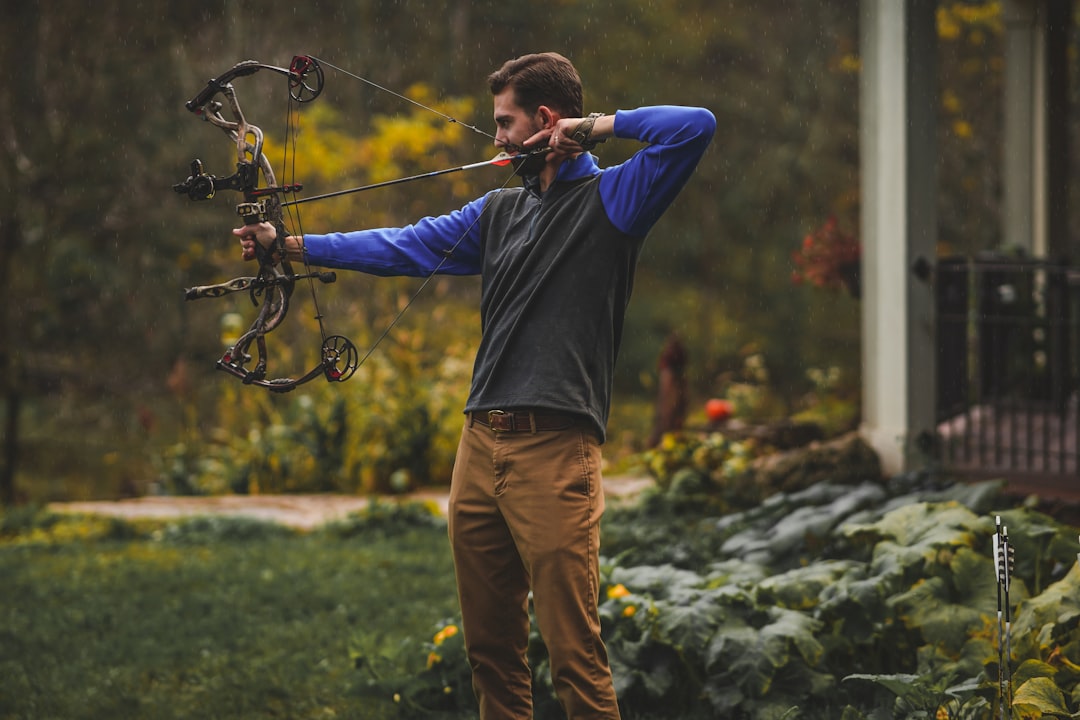
PSE has built a reputation among western hunters for delivering reliable, hard-hitting bows that perform when it counts. Whether you are chasing bugling bulls in Colorado timber or spot-and-stalking mule deer across Nevada sagebrush, the right bow makes all the difference. The 2026 PSE lineup brings refinements to proven platforms and introduces new technology aimed at serious hunters who demand accuracy, speed, and forgiveness under pressure.
This guide focuses on the PSE models best suited for western big game — elk, mule deer, pronghorn, and bear. We will break down what makes each bow stand out, who it is built for, and how to choose the right platform for your hunting style and budget.
PSE Levitate 37: The Flagship Speed Bow
The Levitate 37 sits at the top of PSE's 2026 hunting lineup. With an IBO speed rating of 350 fps and a 37-inch axle-to-axle length, this bow delivers blistering arrow velocity without sacrificing stability. The longer axle-to-axle measurement makes it forgiving on longer shots — a critical advantage when you are ranging a bull at 60 yards across an open basin.
PSE's new Micro-Tune cam system allows hunters to fine-tune draw length in half-inch increments without a press, which means you can dial in your fit in camp or at the trailhead. The bow pulls smoothly into a solid back wall with roughly 80 percent let-off, and the valley feels wide enough to settle your pin without fighting the cam.
This bow is built for hunters who prioritize flat trajectory and kinetic energy downrange. If you are planning long-range shots on pronghorn or need the extra punch for quartering elk, the Levitate 37 delivers. It is also quiet for a speed bow — PSE's Stealth Stop noise dampening system keeps vibration minimal even with aggressive cam timing.
Who it is for: Experienced archers comfortable with faster bows who hunt open country and take shots beyond 40 yards.
PSE Carbon Air Stealth EC: Lightweight and Deadly Quiet
The Carbon Air Stealth EC is PSE's answer to backcountry hunters who count every ounce. Weighing just 3.3 pounds bare bow, the carbon riser shaves weight without compromising rigidity. This bow excels in spot-and-stalk scenarios where you are covering miles glassing ridges and need a rig that does not wear you down.
IBO speed sits around 335 fps — not the fastest in the lineup, but more than adequate for western game at ethical distances. The 33-inch axle-to-axle strikes a balance between maneuverability in tight timber and stability for longer shots. The Evolve cam system delivers a smooth draw cycle with a predictable back wall and a forgiving valley.
Noise and vibration control are standout features. PSE's Stealth EC (Echo Cam) technology includes an integrated string stop and limb dampeners that kill noise at the shot. If you are hunting pressured public land elk or skittish mule deer, a quiet bow keeps you in the game after a miss or a shot that does not connect perfectly.
Who it is for: Backcountry hunters who prioritize weight savings and hunters targeting pressured animals where noise discipline matters.
PSE Bow Madness 34: The Do-Everything Workhorse
The Bow Madness 34 has been a staple in PSE's hunting lineup for years, and the 2026 version refines the platform without reinventing it. This bow sits in the sweet spot for hunters who want a single rig that handles everything from close-range archery elk to mid-range mule deer.
At 34 inches axle-to-axle and roughly 330 fps IBO, the Bow Madness 34 is not the fastest or the lightest, but it is incredibly forgiving and easy to shoot well. The cam system is smooth and predictable, the brace height sits at a confidence-inspiring 7 inches, and the riser geometry balances well in hand. This is a bow you can pick up after a few weeks off and still shoot tight groups.
Price point is another major advantage. The Bow Madness 34 typically lands in the mid-tier range, making it accessible for hunters who want PSE quality without flagship pricing. If you are building your first western hunting setup or need a reliable second bow for loaner purposes, this model delivers.
Who it is for: Hunters who want a versatile, forgiving bow that performs across multiple hunting scenarios and budgets.
PSE EVO NTN 33: Compact and Maneuverable
The EVO NTN 33 is PSE's compact hunting platform designed for tight quarters and quick-reaction shots. With a 33-inch axle-to-axle and a focus on maneuverability, this bow excels in timber hunting, treestand setups, and any situation where you need to draw and shoot in confined spaces.
IBO speed hovers around 332 fps, and the cam system is tuned for a fast, aggressive draw cycle. The shorter axle-to-axle makes it less forgiving on torque compared to longer bows, but experienced shooters will appreciate the quick handling and reduced bulk. The riser is machined from forged aluminum for rigidity without excessive weight.
This bow shines in bugle-in scenarios where elk come fast and close, or when you are threading arrows through dark timber at bulls working their way uphill. The compact design also makes it easier to pack in a saddle scabbard or strap to a backpack frame.
Who it is for: Hunters who prioritize maneuverability and fast handling in close-range hunting situations.
Free to join
Download mobile app
- Detailed draw odds
- Point tracking
- Deadline reminders
- 18 states covered


Free to join
Download mobile app
- Detailed draw odds
- Point tracking
- Deadline reminders
- 18 states covered
Free to join
Download mobile app
- Detailed draw odds
- Point tracking
- Deadline reminders
- 18 states covered

PSE Phenom: Budget-Friendly Performance
The Phenom sits at the entry point of PSE's hunting bow lineup, but do not mistake it for a beginner-only option. This bow delivers legitimate hunting performance at a price point that makes it accessible for hunters just getting into archery or those looking for a solid backup bow.
IBO speed sits around 320 fps, and the 31-inch axle-to-axle keeps it compact and easy to handle. The cam system is smooth and forgiving, making it a good choice for hunters still developing consistent form. The riser is cast aluminum rather than machined, which saves cost but still provides adequate rigidity for hunting.
The Phenom is a smart choice for hunters applying for their first archery elk or mule deer tag and building a setup on a budget. It is also a solid option for hunters who want a dedicated practice bow that does not put wear on their flagship rig.
Who it is for: Budget-conscious hunters, beginners building their first serious hunting setup, or experienced hunters looking for a backup or practice bow.
How to Choose the Right PSE Bow for Your Hunt
Selecting the right bow starts with understanding your hunting style, experience level, and the type of terrain you will be hunting. Speed matters, but it is not everything — a forgiving bow you shoot confidently is more valuable than a speed demon you struggle to control.
Match Axle-to-Axle to Your Hunting Style
Longer axle-to-axle bows (35 inches and up) are more stable and forgiving on longer shots. If you hunt open country and take shots at pronghorn or mule deer beyond 50 yards, a longer bow like the Levitate 37 or Bow Madness 34 makes sense. Shorter bows (33 inches and under) are more maneuverable in tight cover and easier to handle in confined spaces, making them ideal for bugle-in elk hunting or treestand setups.
Prioritize Forgiveness Over Speed
Speed sells bows, but accuracy kills animals. A bow that shoots 350 fps but magnifies your form mistakes will cost you more opportunities than a 330 fps bow you shoot confidently. If you are newer to archery or hunt in situations where shot opportunities come fast, prioritize a forgiving platform with a longer brace height and smoother draw cycle.
Consider Weight for Backcountry Hunts
If you are planning backcountry elk or sheep hunts where you will cover miles daily, every ounce counts. The Carbon Air Stealth EC saves significant weight compared to aluminum-riser bows, which adds up over long days glassing and hiking. If you hunt from a truck or spike camp and weight is not a concern, a heavier bow can offer better stability and reduced hand shock.
Test Draw Cycle Before You Buy
Every cam system feels different. Some hunters prefer a smooth, rolling draw with a soft back wall. Others want a firm wall and a more aggressive cycle. If possible, shoot multiple PSE models back-to-back to compare how the cam systems feel. The bow that feels best in your hands will be the one you shoot most accurately in the field.
Setting Up Your PSE Bow for Western Hunting
Once you have selected your bow, proper setup is critical. Start with a professional bow shop that can walk the bow through paper and ensure the arrows are flying true. Western hunting demands accuracy at distance, and small tuning errors compound as range increases.
Arrow Selection Matters
Match arrow spine and weight to your bow's draw weight and draw length. For elk and moose, prioritize total arrow weight and front-of-center balance over raw speed. A 450-grain arrow with a 125-grain broadhead delivers better penetration than a 350-grain speed arrow on quartering shots. For pronghorn and mule deer, you can drop total weight slightly for flatter trajectory, but never sacrifice accuracy.
Sight and Rest Setup
Invest in a quality multi-pin sight or a single-pin slider if you plan to take shots beyond 40 yards. Pin gap increases with distance, and a poorly set sight will cost you opportunities. Use a drop-away rest for maximum arrow clearance and tune it so the arrow falls cleanly without contact.
Practice at Distance
Western hunting often means longer shots than eastern whitetail hunting. Practice regularly at 60, 70, and 80 yards even if you plan to limit shots to 50 yards. The discipline required to hold steady at long range makes closer shots feel routine. Shoot from kneeling, sitting, and awkward positions — field shots rarely come from a perfect stance.
Maintaining Your PSE Bow in the Field
Bow maintenance in hunting camp is simple but critical. Carry a small hex key set, spare string and cable wax, and a few extra nock points. Check limb bolts and sight screws daily — vibration and temperature swings can loosen hardware.
Inspect strings and cables for fraying, especially at the cam posts and string loop. If you are hunting multiple weeks or in rough terrain, consider carrying a spare string and cable set. Western hunts are expensive and hard to draw — a broken string should not end your season.
Wax strings and cables regularly to prevent moisture absorption. Dry mountain air can dry out serving material, and a frayed loop or peep twist will ruin accuracy. Keep the bow in a hard case when traveling and avoid leaving it in a hot truck cab where limbs can lose poundage.
FAQ — Best PSE Bows for Hunting
What is the best PSE bow for elk hunting in 2026? The PSE Levitate 37 is the best choice for elk due to its 350 fps speed, 37-inch axle-to-axle stability, and kinetic energy downrange. The Bow Madness 34 is a close second for hunters prioritizing forgiveness and versatility.
Are PSE bows good for backcountry hunting? Yes. The PSE Carbon Air Stealth EC weighs just 3.3 pounds and is purpose-built for backcountry hunters who cover miles on foot. Its carbon riser saves significant weight without sacrificing rigidity or performance.
How much should I spend on a PSE hunting bow? Budget $800 to $1,200 for a mid-tier PSE bow like the Bow Madness 34, or $1,500+ for flagship models like the Levitate 37 or Carbon Air Stealth EC. The Phenom offers legitimate hunting performance under $600 for budget-conscious hunters.
What draw weight do I need for mule deer? A minimum of 50 pounds is recommended for mule deer, with 60-70 pounds preferred for quartering shots and longer ranges. Higher draw weight increases kinetic energy and penetration, especially with heavier arrows.
Can beginners shoot PSE speed bows like the Levitate 37? Speed bows are less forgiving and magnify form mistakes, making them challenging for beginners. New archers should start with a forgiving platform like the Bow Madness 34 or Phenom, then upgrade to a speed bow once they develop consistent form.
Do PSE bows hold their value for resale? PSE bows hold value reasonably well, especially flagship models. Used Bow Madness and Carbon Air models sell for 50-70 percent of new retail if kept in good condition. Rare limited editions and discontinued models sometimes appreciate.
Continue Planning Your Hunt
Choosing the right bow is just one piece of the puzzle when planning a western big-game hunt. Once you have your gear dialed, the next challenge is navigating draw systems, comparing units, and tracking application deadlines across multiple states.
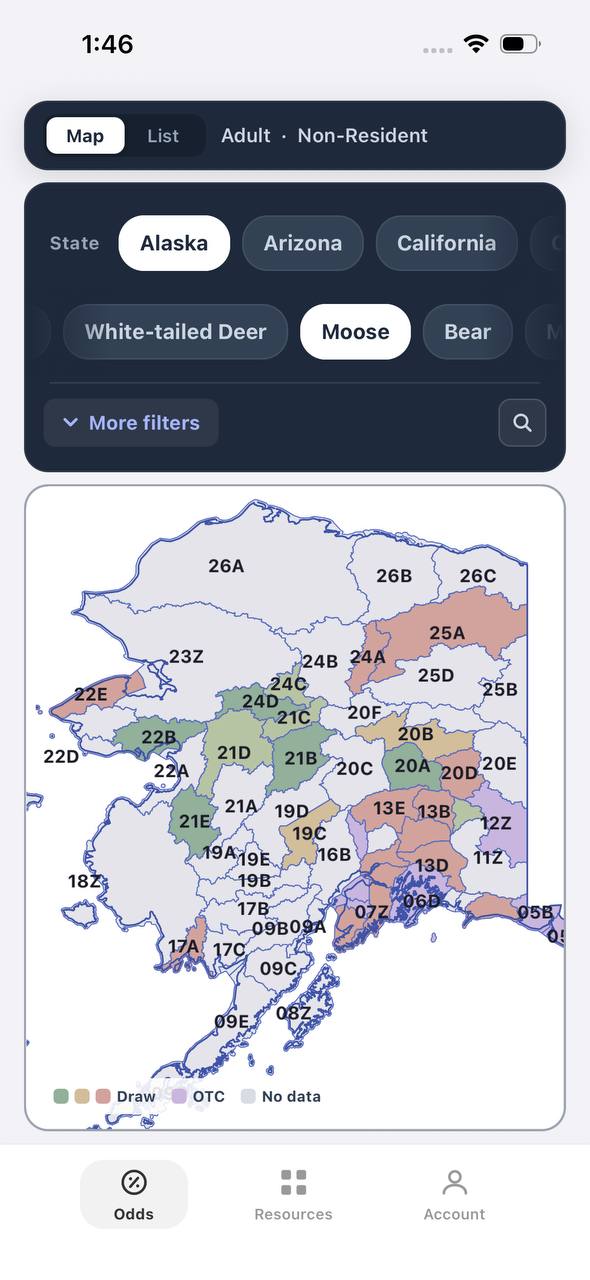
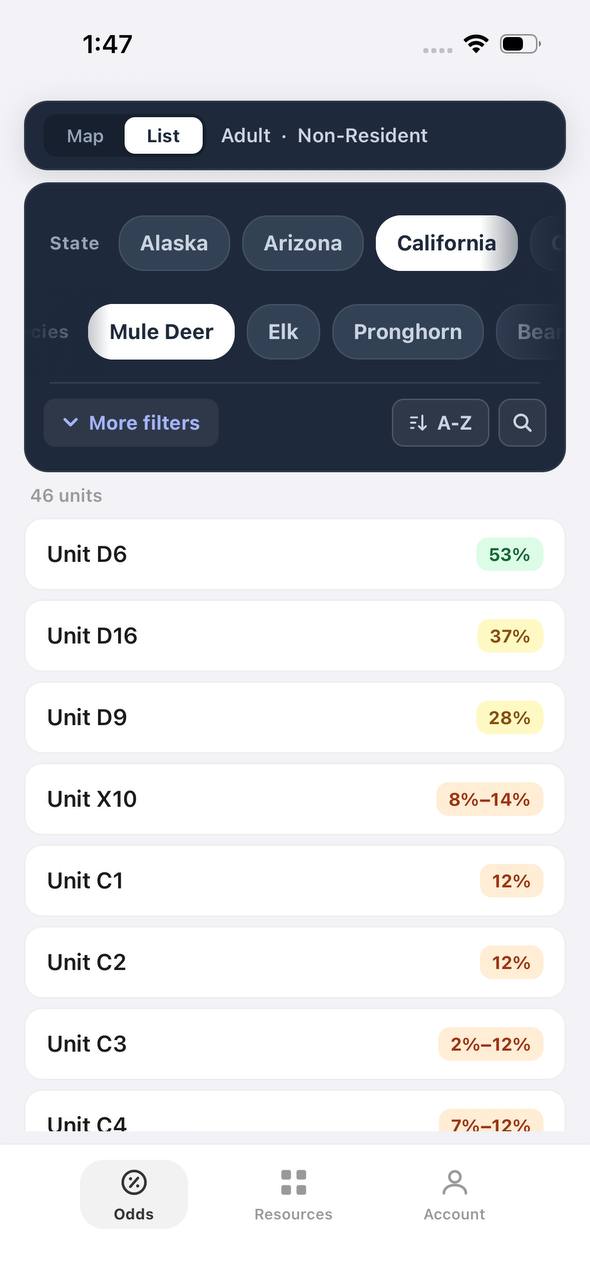
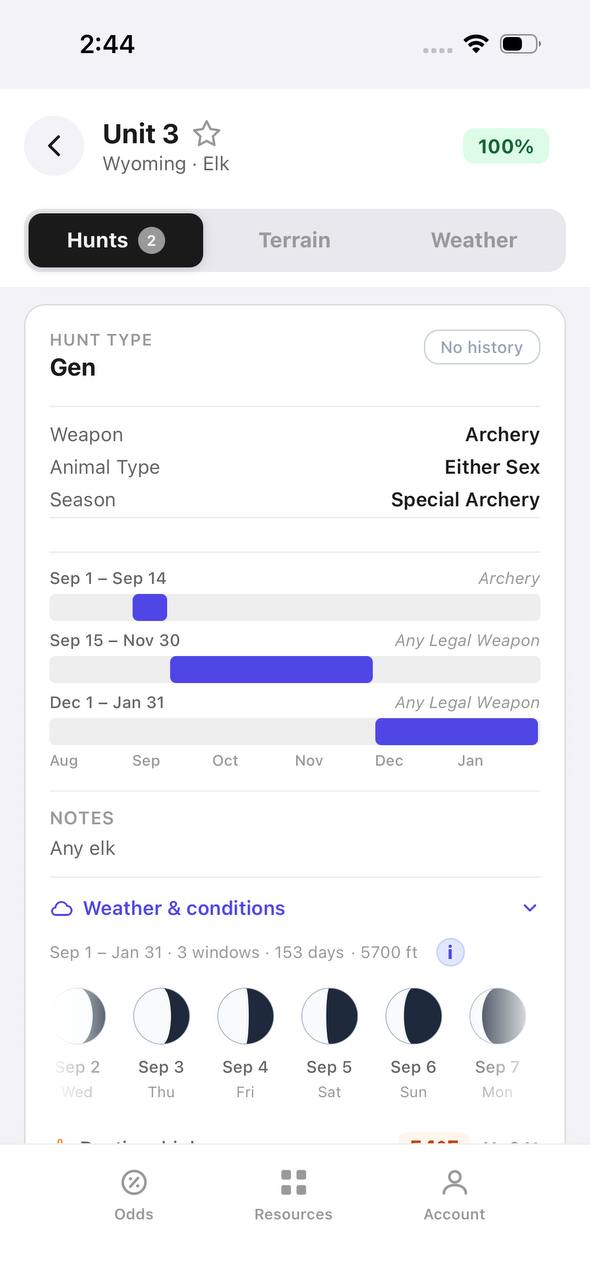
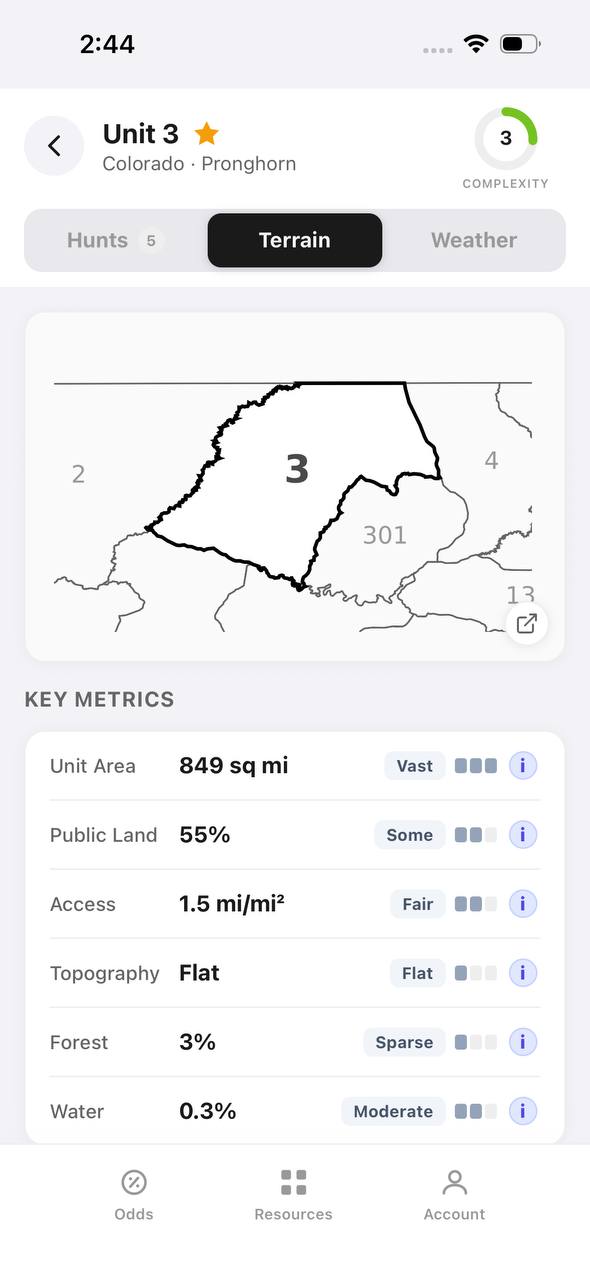
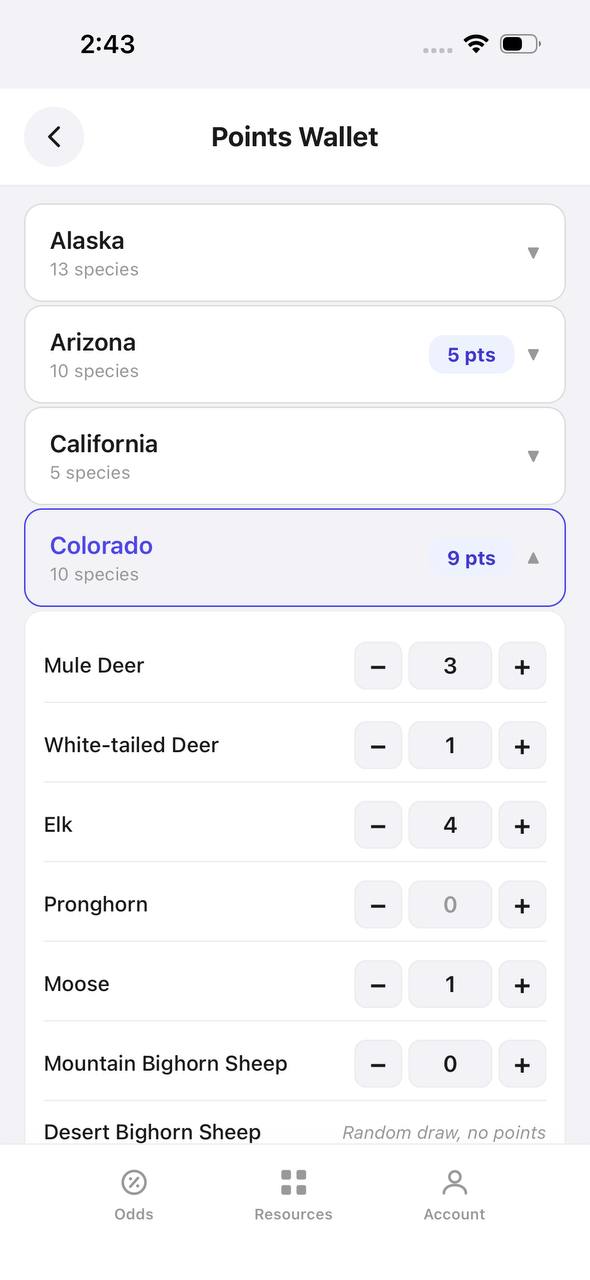
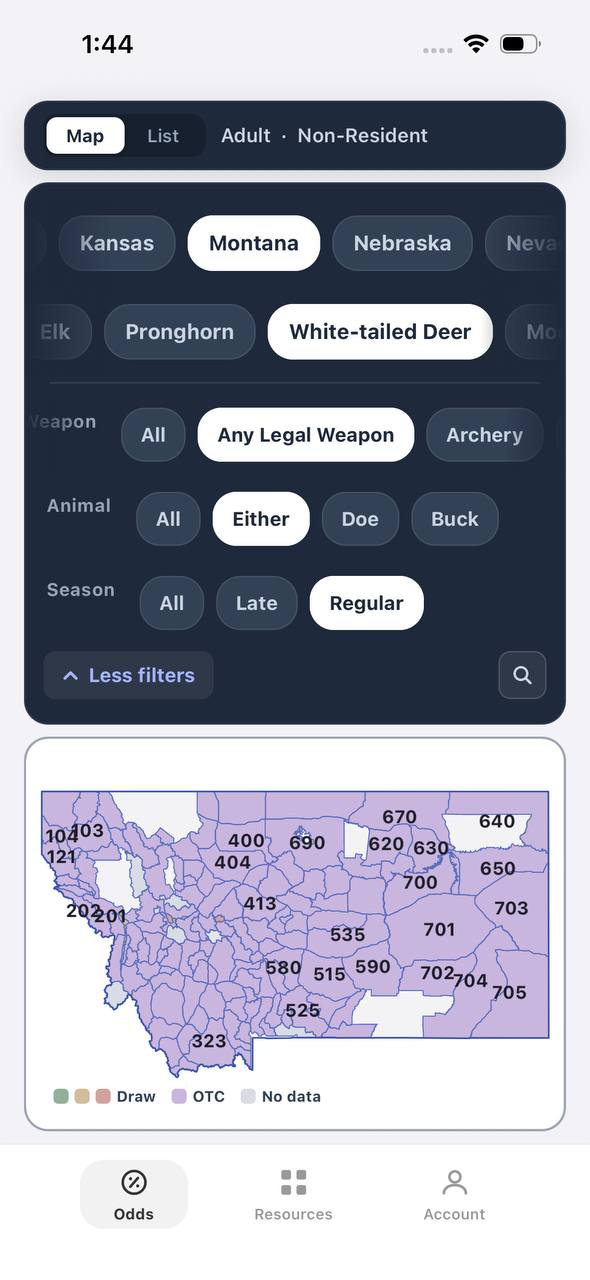
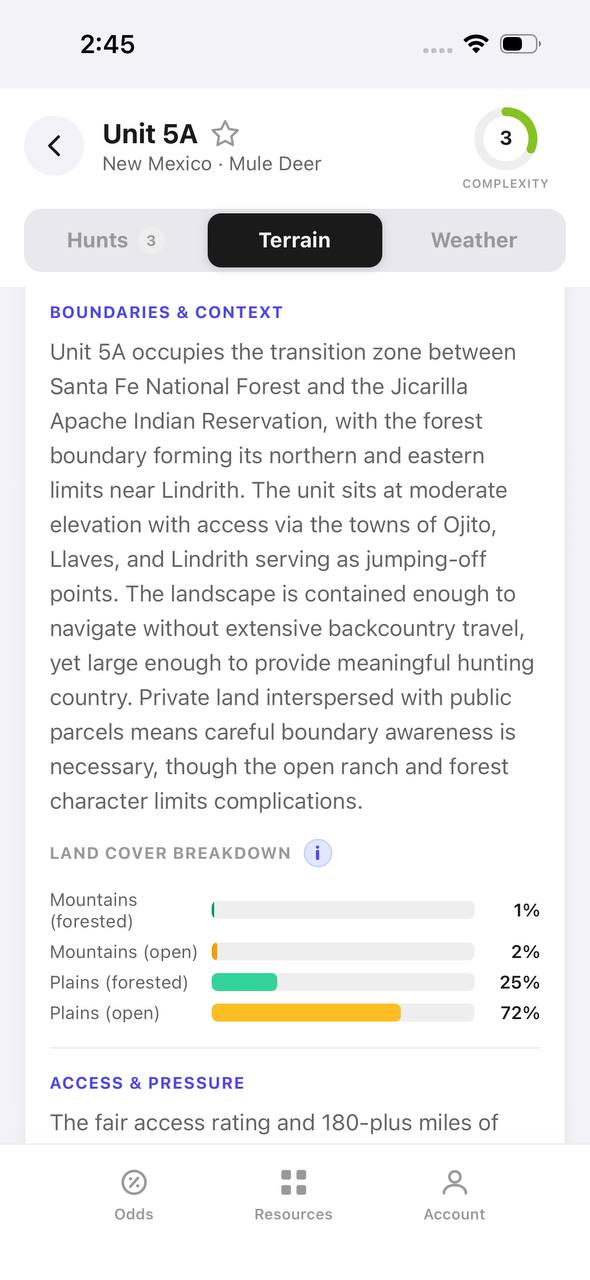
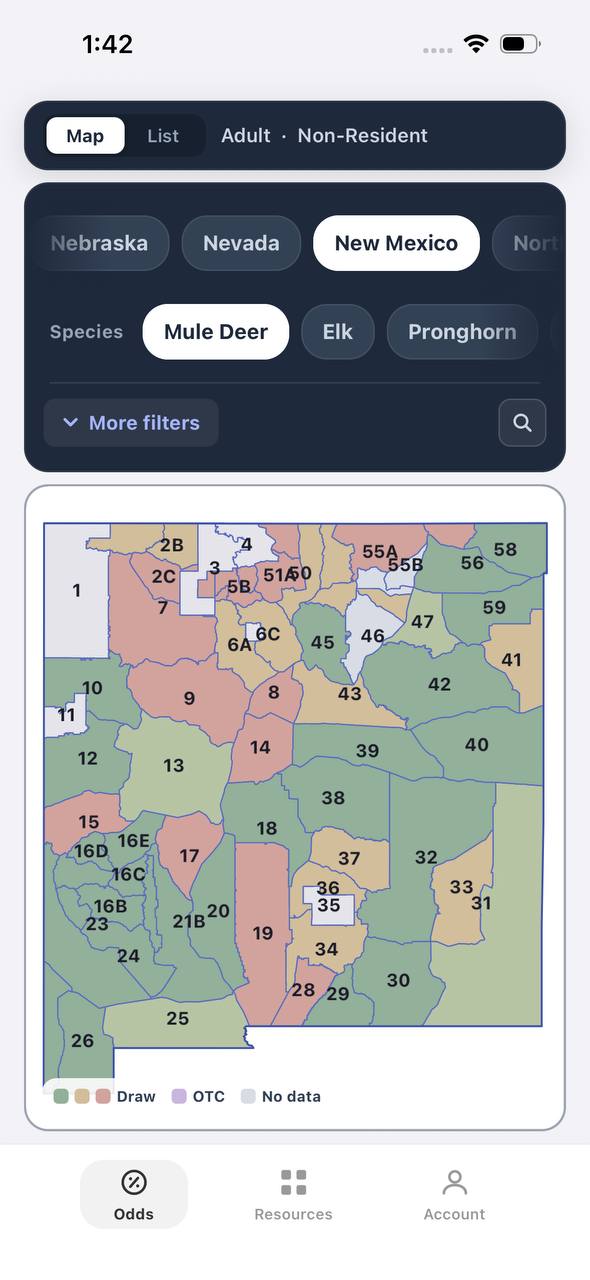
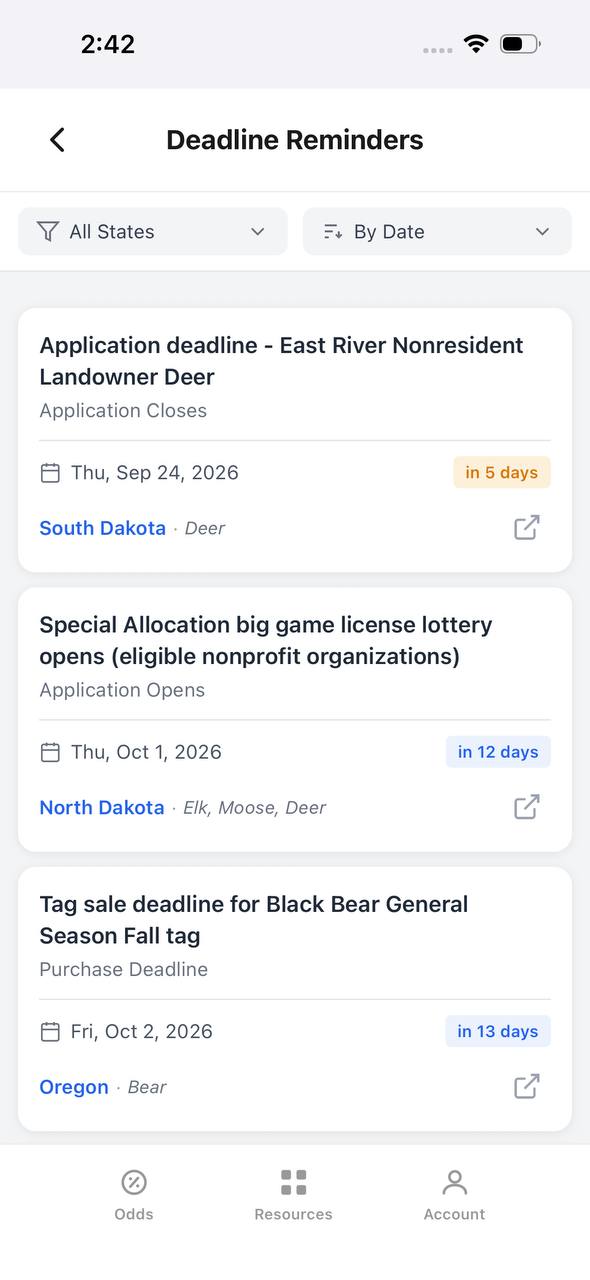
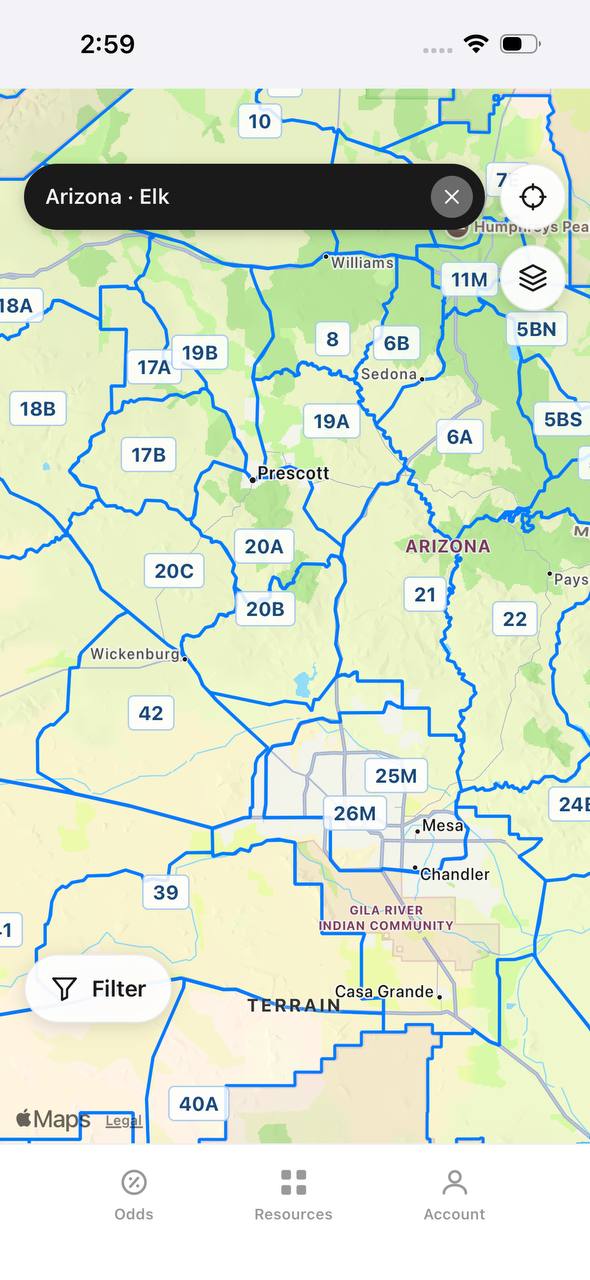
TAGZ helps you make smarter draw decisions by giving you access to historical draw odds, unit maps, terrain breakdowns, and public land boundaries all in one platform. Compare units side by side using real data, track your preference points and bonus points across states, and never miss a draw deadline again. Whether you are chasing OTC tags or planning a trophy limited-entry hunt, TAGZ simplifies the research so you can focus on the hunt.
Explore more hunt planning strategies and state-specific breakdowns on the TAGZ Insights page, compare draw odds and unit data with the TAGZ hunt planning tool, or get started with a free account to track your points and applications at getmytagz.com.
Was this article helpful?
Previous
Best Diamond Bows for Hunting in 2026: Top Models Compared
Diamond Archery delivers proven performance at hunter-friendly prices. We break down the top Diamond bow models for 2026, from whitetail woods to western backcountry, with specs, street prices, and real-world hunting applications.
Related
Best Compound Bows for Hunting in 2026: Complete Buyer's Guide
Choosing the right compound bow can make or break your hunting season. This guide breaks down the top models for 2026, key specs that matter in the field, and how to match a bow to your hunting style and budget.
Next
Best Elite Bows for Hunting in 2026: Field-Tested Reviews
Elite Archery continues to dominate the premium bow market in 2026 with speed, accuracy, and dead-silent performance. We break down the top models for Western big-game hunters, from the ultra-compact Impulse 34 to the flagship Enkore.