Best Diamond Bows for Hunting in 2026: Top Models Compared
Diamond Archery has carved out a reputation for building reliable, affordable bows that perform in the field without the flagship price tag. For 2026, their lineup spans beginner-friendly options to serious hunting platforms capable of anchoring elk in steep country. Whether you are upgrading from an entry-level rig or looking for a dependable backup bow, understanding how Diamond's current models stack up will help you make a confident decision before opening day.
Why Diamond Bows Work for Western and Whitetail Hunters
Diamond occupies the middle ground between budget imports and premium flagship models. Their bows ship ready to hunt with factory sight, rest, and stabilizer packages, which cuts setup costs and gets you to the range faster. The adjustable draw length and weight on most models means one bow can grow with a new archer or adapt to different hunting scenarios without a press. For western hunters who prioritize weight savings and packability, Diamond's mid-tier models deliver sub-4-pound platforms without sacrificing durability. Whitetail hunters benefit from smooth draw cycles and quiet shots that matter in tight timber where every decibel counts.
Diamond also backs their bows with a transferable lifetime warranty on limbs and cams, which adds resale value and peace of mind if you are investing in a rig you plan to run for multiple seasons. The trade-off is typically a less aggressive valley and slightly lower IBO speeds compared to race-tuned flagships, but for hunters prioritizing reliability and shot execution over spec-sheet bragging rights, that is a worthwhile exchange.
Diamond Infinite 305: The Adjustable Workhorse
The Infinite 305 remains Diamond's most versatile platform for 2026. With a 5–70-pound draw weight range and 15–30-inch draw length adjustability, this bow accommodates nearly any archer without needing a bow press for major changes. The 305 fps IBO speed is adequate for whitetail and western hunting inside 60 yards, and the 31-inch axle-to-axle measurement balances maneuverability in a blind with stability for longer shots.
Street price sits around $429 for the ready-to-hunt package, which includes a four-pin sight, Whisker Biscuit rest, five-arrow quiver, and stabilizer. At 3.6 pounds, it is light enough for all-day spot-and-stalk work but not so stripped down that you sacrifice forgiveness. The Infinite 305 shines as a first serious hunting bow or a loaner rig that can adjust to fit visiting hunters without drama.
One limitation is the relatively short 6-inch brace height, which demands cleaner form to avoid string contact on bulky jackets. If you hunt Colorado high country in late September when temperatures drop and layers pile on, pay attention to your anchor point and consider a forearm guard. For archery-only elk hunts or whitetail from a stand, the Infinite 305 delivers reliable performance at a price point that leaves budget for quality arrows and broadheads.
Diamond Prism: Speed and Stealth for Backcountry Bowhunters
The Prism targets hunters who prioritize arrow speed and low carrying weight. At 3.1 pounds and 28 inches axle-to-axle, this is Diamond's most packable hunting bow for 2026. The 330 fps IBO speed flattens trajectory on angled shots across canyons and delivers more kinetic energy on impact, which matters when you are threading arrows through elk vitals at 50 yards in windy conditions.
Draw weight adjusts from 40–70 pounds, and draw length spans 24.5–30 inches. The 7-inch brace height adds a margin of error for less experienced archers or hunters shooting in bulky cold-weather gear. Diamond ships the Prism ready to hunt for around $599, including a three-pin sight, drop-away rest, quiver, and stabilizer. That package punches above its price class and competes with bows costing $200 more from other manufacturers.
The Prism works best for hunters who have practiced enough to handle a shorter axle-to-axle bow and want maximum speed without stepping up to a $1,000+ rig. The cam system is less forgiving than longer flagship models, so if you are still developing consistent anchor points or struggle with target panic, the Infinite 305's extra length may serve you better. But for confident archers chasing elk, mule deer, or pronghorn where shooting windows close fast, the Prism delivers the performance needed to capitalize on brief opportunities.
Diamond Carbon Knockout: Flagship Performance Under $900
The Carbon Knockout represents Diamond's premium offering for 2026 and competes directly with flagship models from Mathews, Hoyt, and Bowtech. The carbon-fiber riser sheds weight without sacrificing stiffness, landing at 3.8 pounds for a 32-inch axle-to-axle platform. IBO speed hits 338 fps, which flattens long-range trajectories and delivers authoritative penetration on quartering-away shots through heavy bone.
Draw weight adjusts from 50–70 pounds, and draw length spans 26–31 inches. The 6.5-inch brace height splits the difference between forgiveness and speed. Diamond's SHO-NO-GO cam system delivers a clean break at full draw with a firm back wall that helps with consistent anchor points under pressure. Street price runs $849 for the ready-to-hunt package, which undercuts most carbon-riser flagships by $200–400 while delivering comparable on-target performance.
The Carbon Knockout makes sense for hunters who want flagship features without flagship cost, particularly if you are planning a multi-state western hunt where every ounce counts in your pack. The carbon riser handles temperature swings better than aluminum, which matters during September archery elk seasons when you glass at sunrise in freezing temps and stalk through midday heat. One consideration is resale value: Diamond bows hold value well but not as strongly as Mathews or Bowtech flagships, so if you upgrade frequently, factor that into total cost of ownership.
Free to join
Download mobile app
- Detailed draw odds
- Point tracking
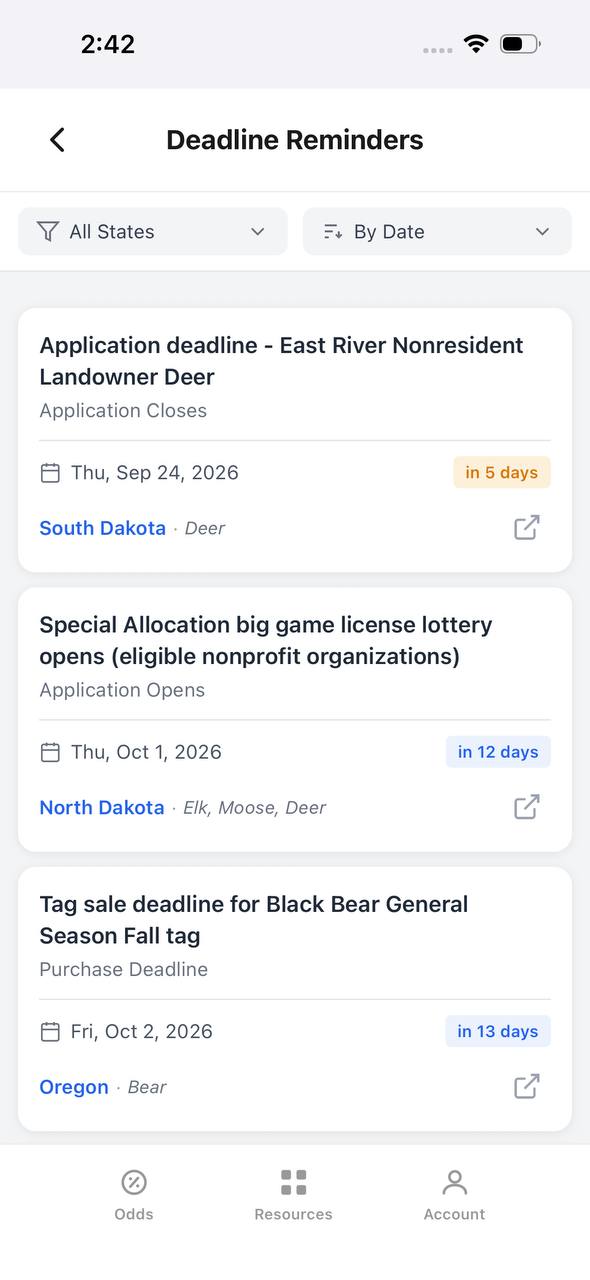
- Deadline reminders
- 18 states covered

Free to join
Download mobile app
- Detailed draw odds
- Point tracking
- Deadline reminders
- 18 states covered
Free to join
Download mobile app
- Detailed draw odds
- Point tracking
- Deadline reminders
- 18 states covered

Diamond Deploy SB RAK: Simplicity for Stand Hunters
The Deploy SB RAK strips away adjustability in favor of simplicity and a rock-solid shooting platform for hunters who know their draw specs and do not need frequent changes. Fixed draw weights of 50, 60, or 70 pounds and fixed draw lengths from 27–30 inches mean less tuning complexity and fewer moving parts to maintain or troubleshoot in the field.
At 4.2 pounds and 32 inches axle-to-axle, the Deploy SB RAK prioritizes stability over packability. The 7.5-inch brace height is the most forgiving in Diamond's 2026 lineup, which helps newer archers or hunters who practice less frequently maintain consistent groups. IBO speed hits 318 fps, adequate for whitetail and western hunting inside typical ethical bow ranges. Street price runs $499 ready to hunt.
This bow works best for whitetail hunters shooting from treestands or ground blinds where weight is less critical than forgiveness and quiet operation. The longer brace height reduces string contact noise, and the RAK (Ready, Aim, Kill) package includes a quality rest and sight that hold zero through bumpy truck rides to your hunting property. If you are focused on a single hunting style and want a bow that simply works season after season without needing constant adjustment, the Deploy SB RAK delivers dependable performance.
Diamond Edge 320: Budget Entry Point with Room to Grow
The Edge 320 targets new bowhunters or parents buying a first serious hunting bow for a teenage archer. Draw weight adjusts from 7–70 pounds, and draw length spans 15–30 inches, which means this bow can start with a young shooter and adapt as they grow stronger and develop longer draw length. The 320 fps IBO speed is competitive for a budget platform and handles ethical whitetail and western hunting distances.
At $379 ready to hunt, the Edge 320 includes a sight, rest, quiver, and stabilizer. The 3.1-pound weight and 31-inch axle-to-axle measurement make it manageable for smaller-framed archers without feeling like a toy bow. The 6.5-inch brace height balances forgiveness and speed, though newer archers should focus on consistent form to avoid string contact.
The Edge 320 makes sense as a first bow or a backup rig you keep at hunting camp. It will not match the refinement of Diamond's higher-tier models, but it delivers functional hunting performance at a price that leaves room in the budget for a quality release, arrows, and broadheads. For hunters planning to upgrade within a few seasons, the Edge 320's broad adjustability range means it holds strong resale value as a starter bow for the next new archer.
Choosing the Right Diamond Bow for Your Hunt
Pick your Diamond bow based on how you hunt, not on spec-sheet IBO speeds. If you chase elk in Idaho backcountry where every ounce matters and shooting opportunities come fast across canyons, the Prism or Carbon Knockout deliver the speed and packability you need. Whitetail hunters shooting from fixed stands in the Midwest benefit more from the Deploy SB RAK's forgiveness and stability. New archers or hunters who want one bow that adapts to different scenarios should start with the Infinite 305's adjustability.
Draw weight and draw length specs matter more than flagship features for most hunters. A 60-pound bow you can draw smoothly and hold at full draw while an elk closes the distance will outperform a 70-pound bow that forces you to rush your shot. Shoot multiple models if possible and pay attention to how the cam breaks over and how solid the back wall feels at full draw. Those factors influence shot execution more than axle-to-axle measurements or brace height numbers.
Also consider your practice schedule. If you shoot year-round and maintain consistent form, a shorter axle-to-axle bow like the Prism will feel natural and deliver the speed advantages that matter on long shots. If you practice primarily during the month before season and hunt in bulky cold-weather gear, a longer brace height like the Deploy SB RAK's 7.5 inches will forgive small form inconsistencies and keep arrows flying true when it counts.
TAGZ Helps You Plan Your Hunt After You Pick Your Bow
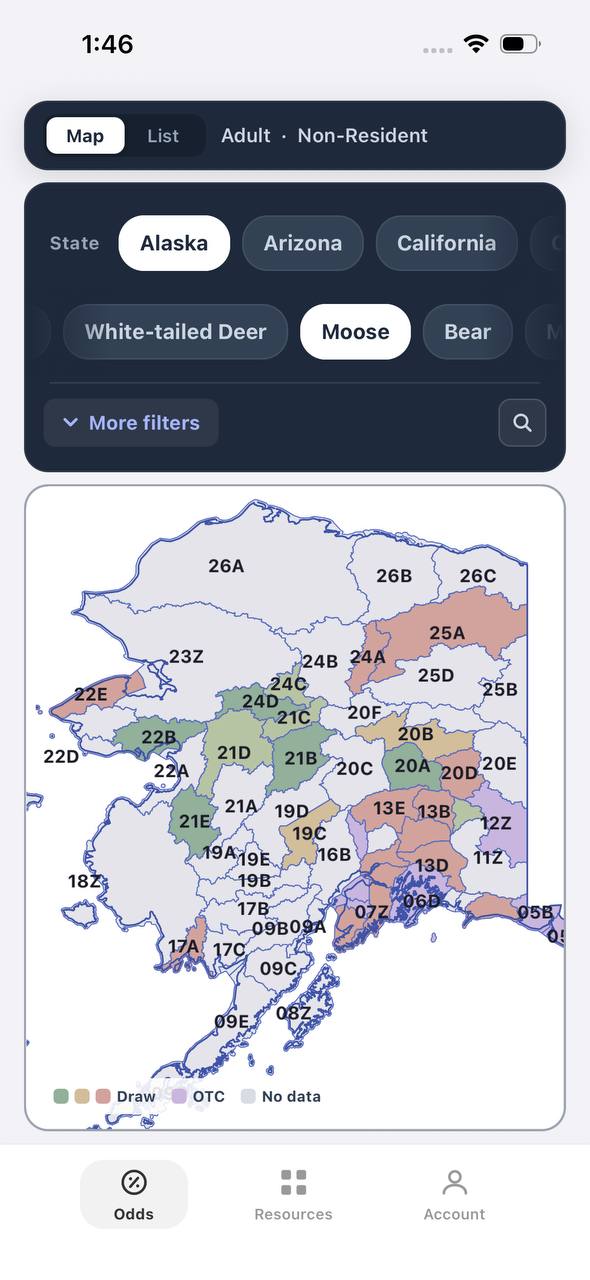
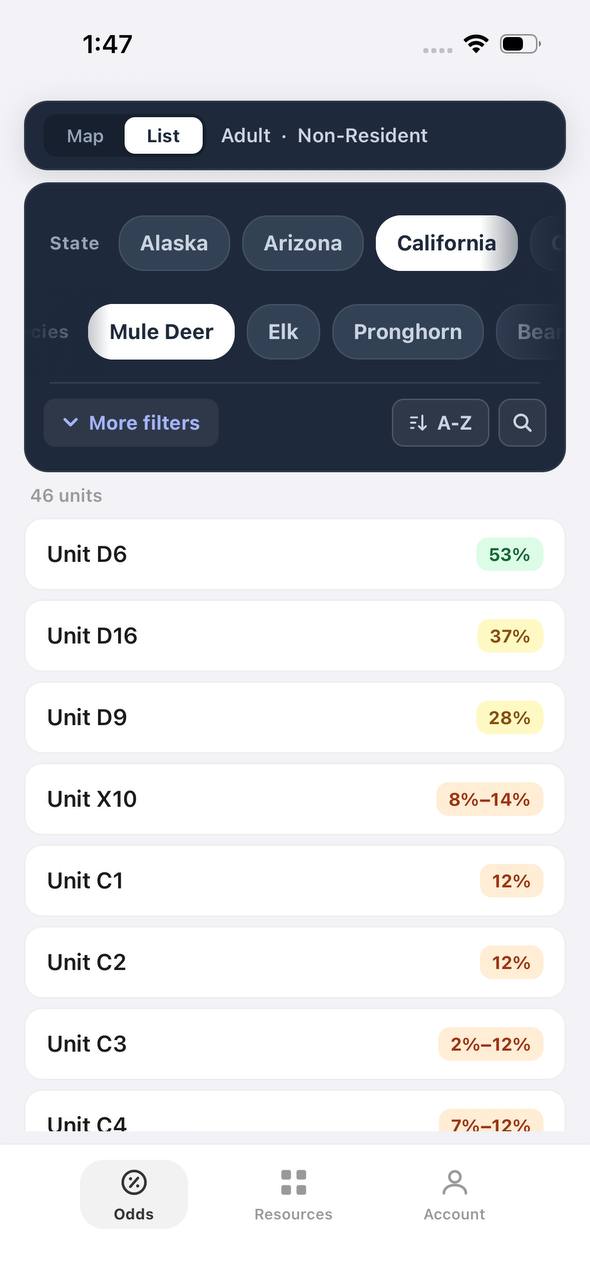
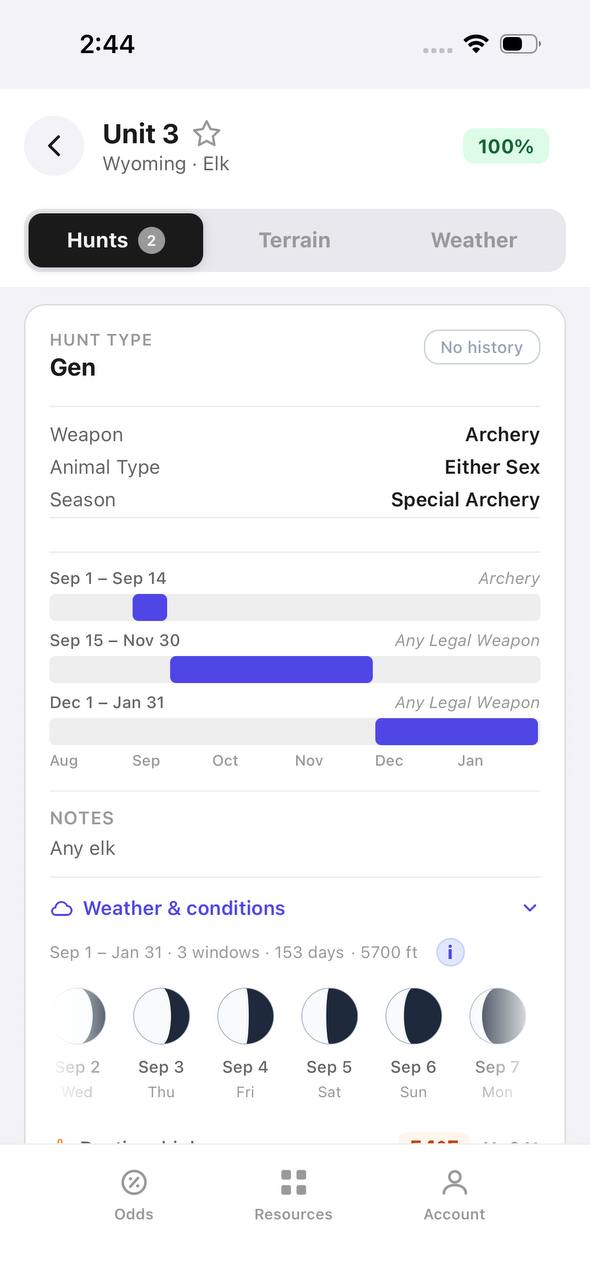
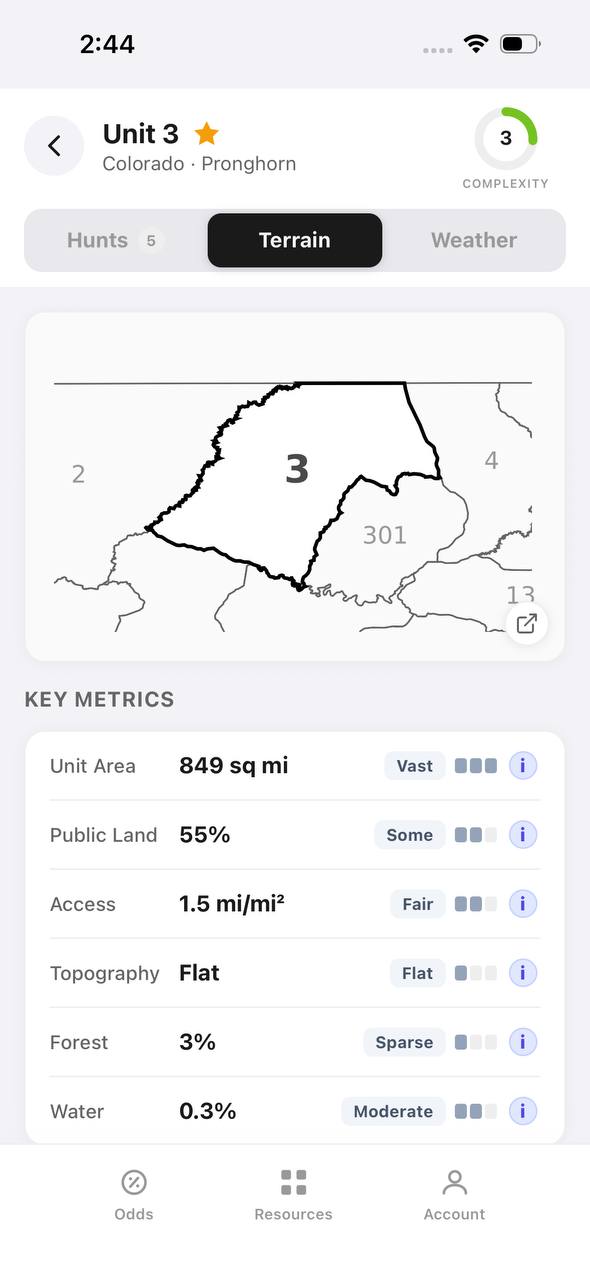
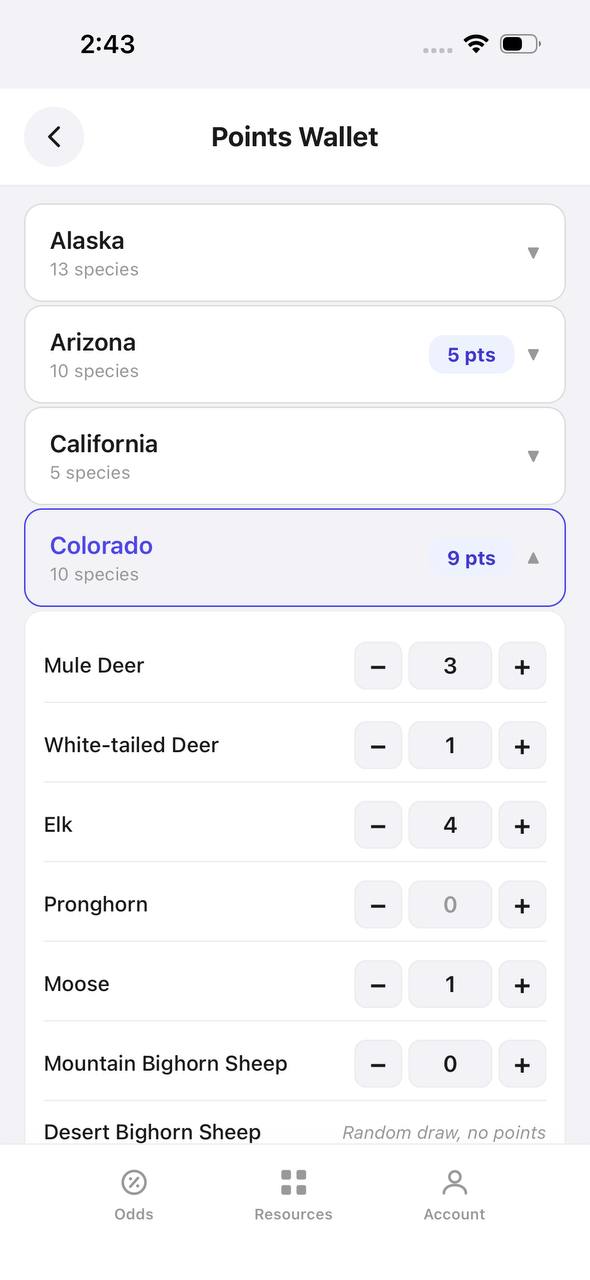
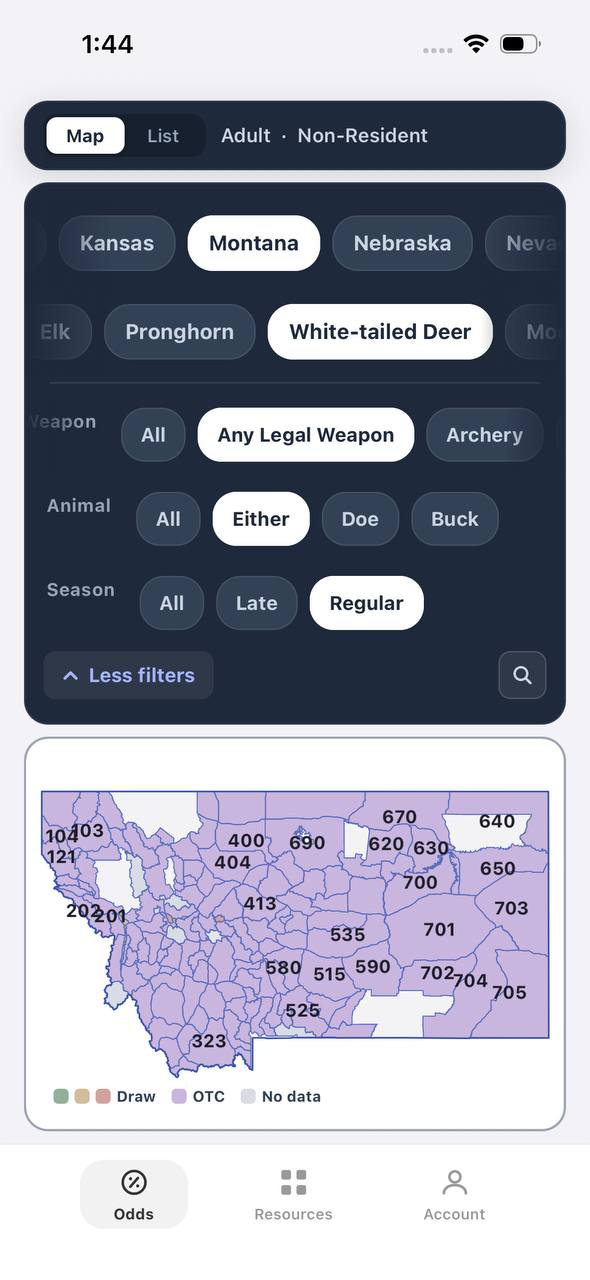
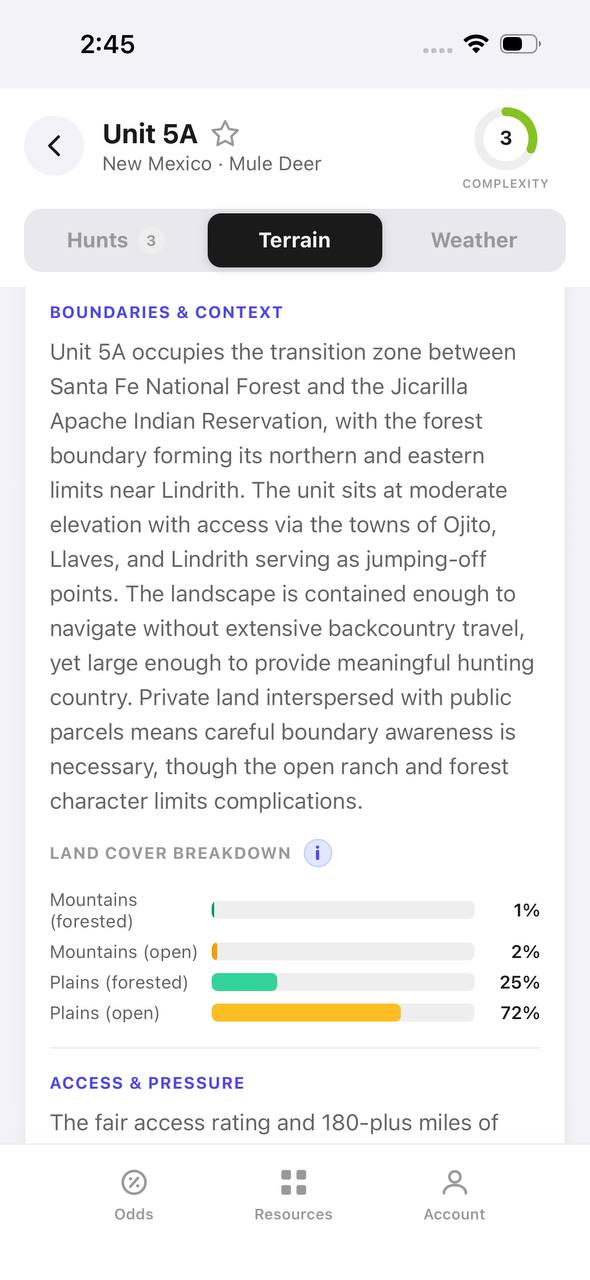
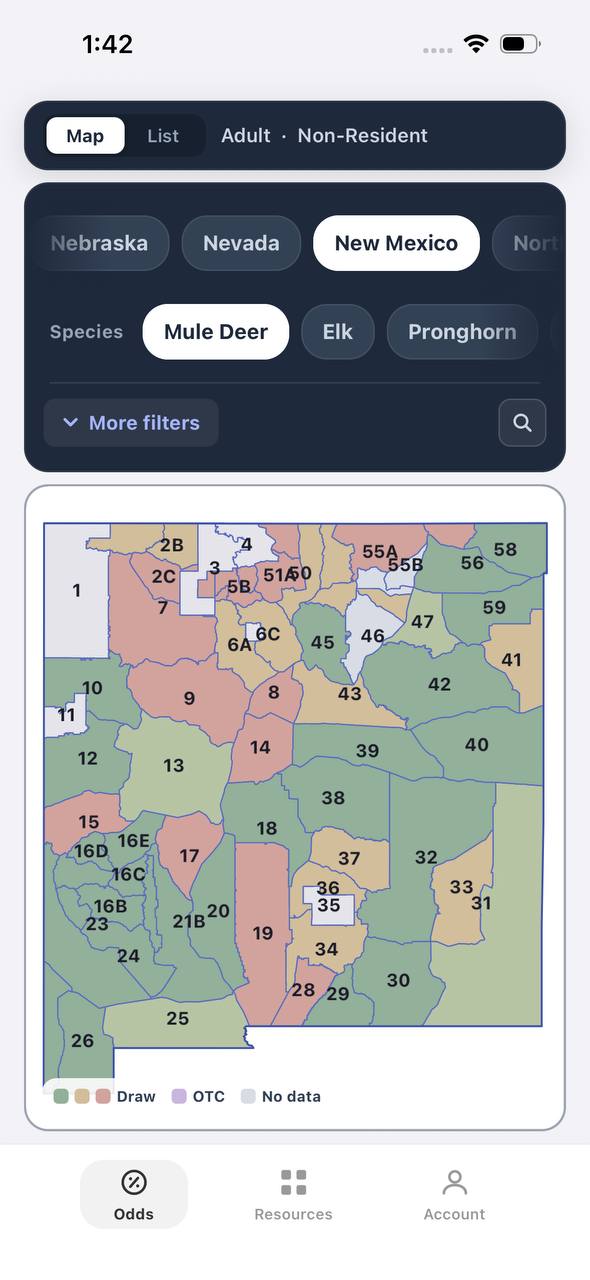
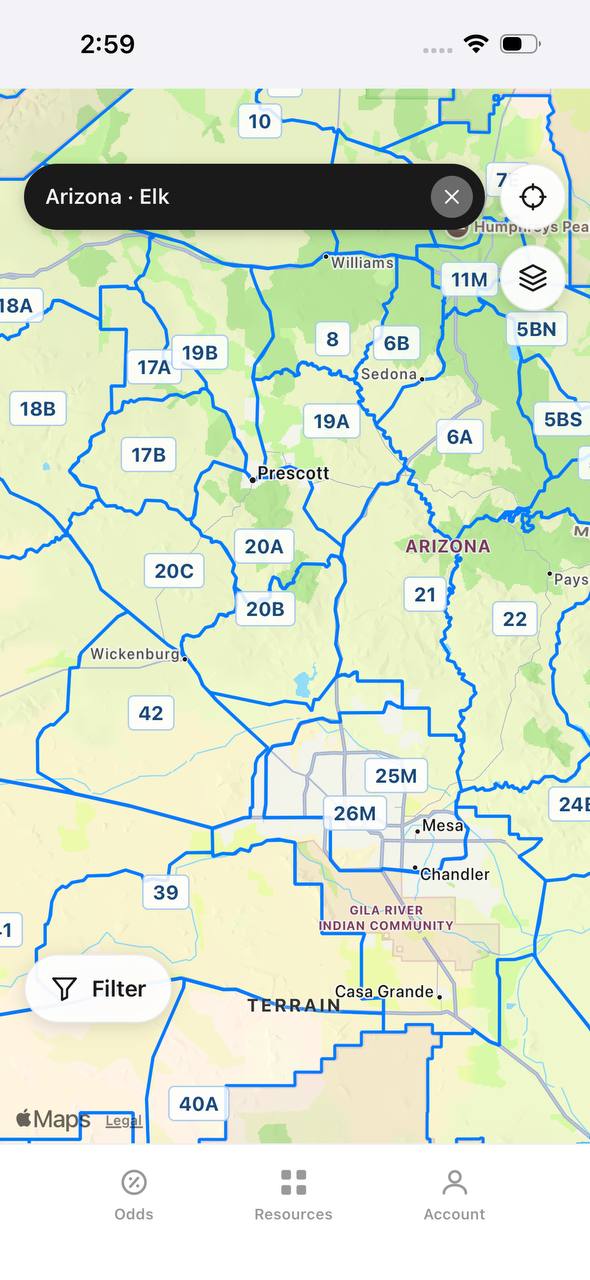
Once you have selected your Diamond bow and dialed in your setup, the next step is securing tags in units where your rig will deliver results. TAGZ simplifies western draw applications by tracking your preference points and bonus points across multiple states so you never miss a draw deadline. Compare units side by side using terrain maps, public land boundaries, and historical draw odds to identify hunts that match your skill level and the effective range of your bow.
Whether you are chasing OTC Colorado elk during archery season or planning a limited-entry mule deer hunt in Nevada, TAGZ gives you the tools to make smarter decisions before you ever nock an arrow. Filter hunts by weapon type, season dates, and species to find archery-only opportunities where your Diamond bow's quiet operation and packability create advantages over rifle hunters. Track draw deadlines and application windows so you maximize your chances of pulling tags in units where you have practiced and scouted.
Bow Setup and Tuning Considerations
Buying the right Diamond bow is only the first step. Proper setup and tuning determine whether your arrows fly true when a bull bugles at 40 yards or a whitetail buck steps into your shooting lane. Start with professional bow setup at a reputable archery shop. Even if you plan to do your own tuning long-term, having a pro establish baseline specs for draw length, draw weight, and rest alignment gives you a known-good starting point.
Paper tuning and broadhead tuning are non-negotiable before hunting season. A bow that shoots field points accurately at 60 yards may still send broadheads left or right if your arrow spine or rest position is slightly off. Shoot broadheads at multiple distances to confirm your sight pins hold true and your arrows group consistently. If you are hunting western mountains where shots across canyons can stretch to 70 or 80 yards, practice at those distances frequently enough that you know your effective range under field conditions.
String maintenance matters more than most hunters realize. Wax your string and cables every 20–30 shots to prevent fraying and water absorption. Check cam timing and cable stretch before every season, especially if you store your bow in a garage or truck where temperature swings can affect cable length. A bow that shoots perfectly in August may need minor tuning adjustments by late September if cables have stretched or settled during heavy practice sessions.
Continue Planning Your Hunt
Now that you have identified the best Diamond bow for your hunting style, it is time to secure the tags that put you in position to use it. TAGZ helps you navigate multi-state draw systems, track preference points, and identify units where your archery setup creates real advantages. Visit the TAGZ home page to create your free account and start filtering hunts by weapon, season, and species. Explore the TAGZ Insights blog for detailed unit breakdowns, draw strategy articles, and gear recommendations that help you maximize your hunting budget. Compare TAGZ pricing plans to find the subscription that matches your multi-state application strategy, and check out the TAGZ product page to see how terrain maps, public land boundaries, and historical draw data simplify hunt planning from application season through the moment you release your arrow.
FAQ — Diamond Bows for Hunting
Are Diamond bows good enough for elk hunting?
Yes. Diamond's mid-tier and flagship models like the Prism and Carbon Knockout deliver 330+ fps IBO speeds and adequate kinetic energy for ethical elk shots inside 60 yards. Pair a 60–70 pound draw weight with quality arrows and fixed-blade broadheads, and Diamond bows perform as reliably as flagships costing twice as much.
Which Diamond bow has the best draw cycle for beginners?
The Deploy SB RAK and Infinite 305 both offer smooth draw cycles with forgiving brace heights. The Deploy SB RAK's 7.5-inch brace height is the most forgiving in Diamond's 2026 lineup, while the Infinite 305's adjustability lets new archers start at lower draw weights and increase poundage as their form improves.
How do Diamond bows compare to Mathews or Hoyt for western hunting?
Diamond bows deliver 85–90% of flagship performance at 50–60% of the cost. You sacrifice some refinement in the draw cycle and a few fps of arrow speed, but for most hunters shooting inside 60 yards, those differences do not affect success rates. Diamond's carbon-riser models like the Carbon Knockout close the performance gap significantly.
What draw weight should I choose for mule deer and pronghorn?
A 60-pound draw weight is adequate for mule deer and pronghorn at typical archery ranges. If you can comfortably draw and hold 65–70 pounds without straining, the extra kinetic energy helps with penetration on quartering-away shots, but shot placement matters far more than a few extra pounds of draw weight.
Do Diamond bows hold resale value?
Diamond bows hold value better than budget imports but not as strongly as Mathews, Hoyt, or Bowtech flagships. Expect to recoup 50–60% of your purchase price after two to three seasons if the bow is well-maintained. The transferable lifetime warranty on limbs and cams adds appeal for used buyers.
Can I hunt with a Diamond bow straight out of the box?
Diamond's ready-to-hunt packages include a sight, rest, quiver, and stabilizer, but you still need professional setup to establish correct draw length, draw weight, and rest alignment. Budget $75–150 for initial bow setup and tuning at a reputable archery shop before hunting season.
Was this article helpful?
Previous
Best Elite Bows for Hunting in 2026: Field-Tested Reviews
Elite Archery continues to dominate the premium bow market in 2026 with speed, accuracy, and dead-silent performance. We break down the top models for Western big-game hunters, from the ultra-compact Impulse 34 to the flagship Enkore.
Related
Best PSE Bows for Hunting in 2026: Top Models for Elk, Deer & Western Game
PSE remains a top choice for serious bowhunters heading west in 2026. This guide breaks down the best PSE hunting bows for elk, mule deer, and pronghorn — from flagship speed demons to budget-friendly workhorses that punch above their weight class.

Next
Best Bear Archery Bows for Hunting in 2026
Bear Archery's 2026 lineup delivers proven performance for western big-game hunters. From the flagship Redemption EKO to budget-friendly options, these bows combine forgiveness, speed, and field-tested reliability.