Best Packs for Whitetail Hunting: Daypacks, Waist Packs & Backpacks That Actually Work
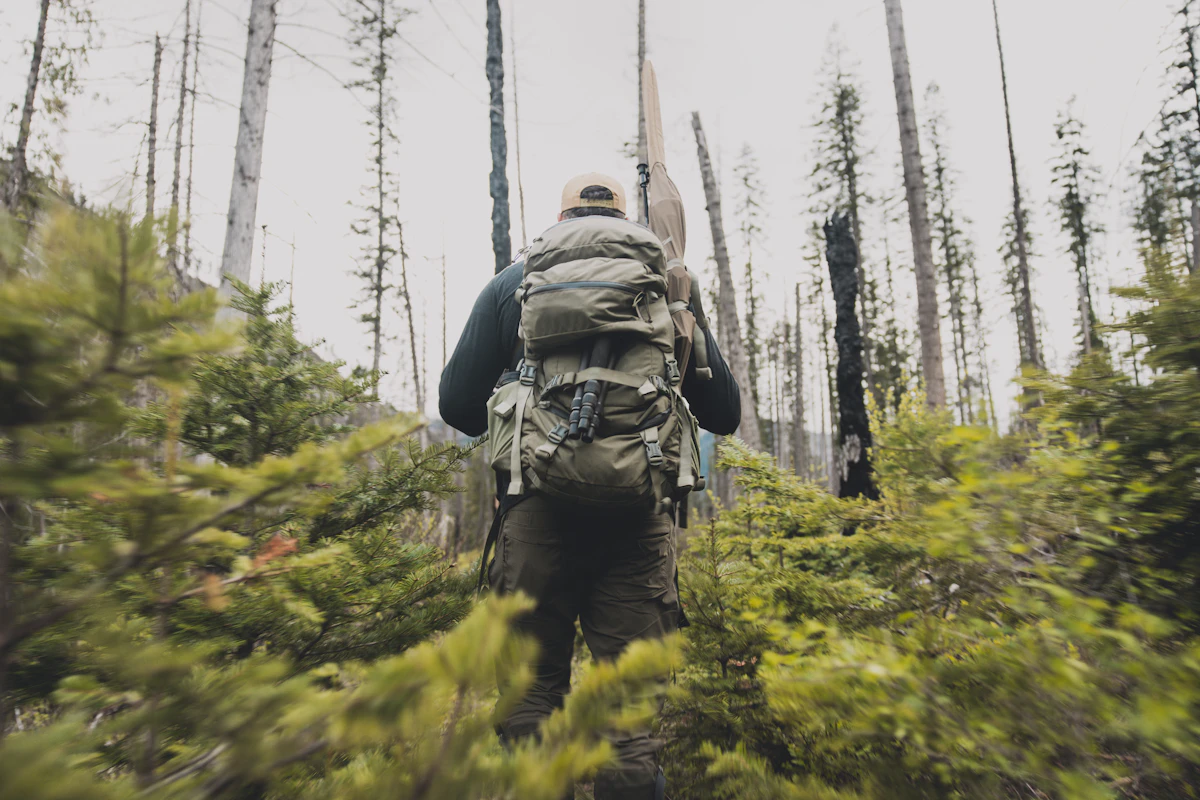
The best whitetail hunting pack is the one you forget you're wearing until you need it. Whether you're settling into a treestand at first light, still-hunting hardwoods, or dragging a buck out after dark, the right pack keeps your gear organized, quiet, and accessible without adding bulk or noise.
Unlike western hunters who often carry camp on their backs, whitetail hunters need packs optimized for quick access, low profile, and adaptability across different hunting methods. The treestand hunter sitting all day has different needs than the run-and-gun bowhunter chasing rutting bucks through timber. This guide breaks down the best packs for each whitetail hunting scenario and explains what separates gear that works from gear that gets left in the truck.
What Makes a Great Whitetail Hunting Pack
Whitetail packs need to balance capacity with mobility. You're rarely hauling camp, but you need room for calls, scent control, extra layers, and field-dressing gear without the pack becoming a liability on stand or while moving through thick cover.
Quiet fabrics matter more than most hunters realize. A pack that brushes loudly against your jacket or rattles when you shift position can cost you a shot. Look for soft-shell exteriors or fleece-lined compartments that won't broadcast every movement to a buck working downwind.
Accessibility separates functional packs from frustrating ones. You should be able to grab rattling antlers, a grunt call, or your rangefinder without digging through layers of zippers or making unnecessary movement. External pockets and thoughtful organization matter more than total cubic inches.
Best Daypacks for Treestand and Ground Blind Hunting
Treestand hunters need packs that carry enough for an all-day sit without the bulk that makes climbing awkward or the noise that spooks deer once you're settled. These packs prioritize organization and quiet operation over hauling capacity.
ALPS OutdoorZ Dark Timber
The Dark Timber offers 2,700 cubic inches of storage in a layout built specifically for treestand hunters. The hydration-compatible main compartment holds extra layers and lunch without forcing you to remove the pack on stand. External pockets keep calls, scent bottles, and rattling antlers within easy reach.
The reinforced bottom panel handles rough treatment during climbs and ground contact better than lighter packs. At 3.5 pounds, it's heavier than minimalist options but justified by durability and features. The brushed tricot liner on key pockets keeps gear quiet when you're shifting position for a shot.
Badlands 2200
Badlands built its reputation on packs that survive hard use, and the 2200 delivers 2,200 cubic inches of bomber construction. The K.I.S.S. suspension system isn't just marketing — the built-in aluminum frame and molded foam back panel actually distribute weight well enough to make longer hikes to remote stands comfortable.
The approach-style camo works across treestand and mobile hunting scenarios. Magnetic closures on the top-lid pockets eliminate zipper noise when you need to grab gear quietly. The built-in rifle and bow carrier options make it versatile for gun and archery seasons without buying separate packs.
Sitka Tool Bucket
The Tool Bucket takes a different approach with a top-loading design that keeps everything accessible without excessive zippers or compartments. The 1,700 cubic inches is plenty for day hunts, and the wide-mouth opening lets you see and grab what you need without unpacking half your gear.
Sitka's Optifade patterns integrate well in Eastern hardwoods and Western transition zones where whitetails live. The molded foam shoulder straps and waist belt make the pack comfortable on longer walks, but it compresses enough to stay out of the way on stand. The exterior lash system handles oddly shaped gear like tree steps or a saw better than rigid pockets.
Best Waist Packs and Hip Packs for Mobile Hunting
Mobile hunters and spot-and-stalk whitetail hunters need minimal gear that moves with them. Waist packs keep calls, rangefinders, and essential items accessible without the bulk of a backpack interfering with quick shots or movement through thick cover.
Horn Hunter Main Beam
The Main Beam offers 650 cubic inches of organized storage in a waist pack designed specifically for bowhunters. The wide waist belt distributes weight well during miles of still-hunting or ridge walking. Multiple zippered compartments keep calls separated from scent, rangefinder, and knife.
The molded pockets protect electronics and optics better than soft pouches. The pack rides low and tight enough that it doesn't interfere with drawing a bow or shouldering a rifle. External gear loops and lash points handle binoculars or a small water bottle.
KUIU Ultra 1800
While marketed as a Western daypack, the Ultra 1800 works exceptionally well as a waist pack for aggressive whitetail hunters covering ground. The 1,800 cubic inches gives you room for extra layers, food, and field-dressing gear without the bulk of larger packs.
The removable frame and shoulder straps let you configure it as either a waist pack or small backpack depending on the hunt. The Toray fabric sheds water and brush quietly. At 1.9 pounds, it's light enough to wear all day without fatigue.
Mystery Ranch Forager Hip Pack
The Forager brings Mystery Ranch's bomber construction to a hip pack format that works well for hunters who need more than a fanny pack but less than a full daypack. The 650 cubic inches is organized into thoughtful compartments that keep small items from becoming a jumbled mess.
The adjustable waist belt and load-lifter straps make it comfortable on longer still-hunts. The durable fabric handles brush and weather without showing wear after seasons of hard use. The top zippered pocket keeps frequently used items like calls or rangefinder immediately accessible.
Best Packs for Whitetail Packouts and Meat Hauling
Successful whitetail hunts end with meat to carry. While whitetail packouts rarely match the distance or difficulty of backcountry elk hunts, having a pack that can handle a quartered deer or deboned meat load makes the work safer and more efficient.
Barney's Big Game Gear Packout Pack
Barney's builds meat-hauling gear for serious hunters, and their packout pack handles whitetail quarters and deboned meat better than improvising with a daypack. The reinforced load shelf carries up to 100 pounds of meat, though realistically you'll haul 50-70 pounds of quartered deer on most trips.
The pack compresses down when empty so it's not excessive bulk on the walk in. The aluminum frame and thick waist belt distribute weight across your hips rather than loading your shoulders. External lash points secure antlers, rifles, or bows while your hands stay free for balance and safety.
KUIU Pro 2300
The Pro 2300 transitions from daypack to packout rig better than dedicated meat haulers that are overkill for most whitetail hunts. The 2,300 cubic inches holds your hunting gear on the way in, then the load shelf handles deboned meat or quartered deer on the way out.
The carbon fiber frame keeps the weight down to 3.7 pounds while supporting serious loads. The pack's sleek profile doesn't catch on brush like bulkier Western packs. The Valo camo pattern works across varied whitetail terrain.
ALPS OutdoorZ Commander + Pack Frame
For hunters who want one pack that handles day hunts and packouts without compromise, the Commander offers 5,250 cubic inches of storage and a legitimate frame system that carries meat loads. The freighter-style design lets you strap a quartered deer directly to the frame or use the pack portion for gear and lighter loads.
At 6.5 pounds, it's heavy for a daypack but justified if you hunt areas where packouts are common. The external compression straps cinch down bulk when the pack isn't full. The padded waist belt and shoulder straps make 80-pound loads manageable over distance.
Specialized Packs for Specific Whitetail Hunting Scenarios
Some hunting scenarios demand specialized packs that excel in narrow applications. These packs solve specific problems better than general-purpose options.
Bow Hunting Sling Packs
Sling packs like the Tenzing TZ TP14 keep weight on one shoulder for quick access while still-hunting or moving between stands. The single-strap design rotates to your front for gear access without removing the pack. These work well for mobile bowhunters who need calls and rangefinders immediately accessible.
The downside is uneven weight distribution that becomes uncomfortable on longer walks. They're best for hunters who cover shorter distances between frequent stops rather than all-day hikes to remote areas.
Tree Saddle Packs
Hunters using tree saddles instead of treestands need packs that don't interfere with the saddle harness and bridge. Smaller waist packs like the Horn Hunter Main Beam or chest-style packs that ride higher work better than traditional backpacks that conflict with saddle gear.
Some saddle hunters prefer running two small packs — a waist pack for calls and essentials, and a separate packable daypack for extra layers and food that can be clipped to the tree after climbing.
Late-Season Packs
Late-season whitetail hunts in cold weather require more gear — extra layers, hand warmers, thermos, and food for all-day sits. Larger packs in the 2,500-3,000 cubic inch range like the ALPS Dark Timber or Badlands 2800 make sense when you're settled in a treestand or ground blind for extended periods.
These packs often feature fleece-lined pockets for quiet operation and enough organization to keep gear from becoming a frozen jumble when temperatures drop.
What to Look for When Choosing a Whitetail Pack
Pack selection starts with honest assessment of how you hunt. The treestand hunter sitting over food plots needs different features than the aggressive still-hunter chasing rutting bucks through oak ridges.
Capacity should match your actual needs, not theoretical maximums. Most whitetail day hunts require 1,500-2,500 cubic inches. Bigger packs tempt you to carry unnecessary gear that adds weight and bulk. Smaller packs force you to choose essentials.
Comfort matters more on longer approaches to remote stands or public land spots requiring hikes. For short walks to field-edge treestands, a basic pack with decent shoulder straps is sufficient. For miles of walking, invest in real suspension systems with padded waist belts and load-lifters.
Durability separates packs that last seasons from those that fail when you need them. Reinforced stress points, quality zippers, and tough fabrics justify higher prices if you hunt hard and often. Budget packs work fine for casual hunters who use them a dozen times per season.
How TAGZ Helps You Plan Better Hunts
While the right pack improves your whitetail hunting experience, success starts with hunting the right places at the right times. TAGZ gives you the tools to research public land hunting opportunities, compare unit boundaries, and track application deadlines across multiple states where whitetail hunting opportunities exist.
Many serious whitetail hunters now chase out-of-state opportunities in states like Kansas, Iowa, and Illinois that offer exceptional hunting but complex draw systems. TAGZ helps you understand draw odds, track preference points, and identify units with the habitat and access that match how you hunt. The platform's terrain maps and public land overlays let you scout potential hunting areas before you invest in applications or gear.
Whether you're planning a DIY public land Kansas hunt or researching Iowa preference point strategy, TAGZ streamlines the research and planning that makes hunts successful before you ever shoulder your pack.
Pack Accessories That Improve Functionality
The right accessories transform basic packs into efficient hunting systems. Most packs benefit from strategic additions that improve organization and utility.
External compression straps or gear loops add versatility for carrying bows, rifles, or oddly shaped items like tree steps or folding saws. Many packs include basic lash points, but adding paracord loops or carabiners creates custom attachment points for your specific gear.
Hydration bladders make more sense than water bottles for mobile hunting. A 2-liter bladder gives you enough water for all-day hunts while keeping your hands free and weight distributed better than bottles bouncing in pockets. Most modern packs include hydration sleeves and exit ports.
Scent-control storage bags or liners keep your pack from absorbing human odor between hunts. Storing your pack in a sealed bag with scent wafers between uses maintains the low-odor profile you need for close encounters with mature bucks.
Common Pack Mistakes Whitetail Hunters Make
Many hunters default to either too much pack or too little, missing the middle ground that works for most whitetail hunting scenarios. The guy hiking a quarter-mile to a treestand with a 5,000 cubic inch Western pack is hauling unnecessary bulk. The hunter carrying essential gear in cargo pockets is setting himself up for frustration and disorganization.
Over-packing is the most common mistake. You don't need three calls when one proven grunt tube works. You don't need an entire first-aid kit when a basic trauma kit and tourniquet handle real emergencies. Every pound you carry should earn its place.
Neglecting pack maintenance shortens lifespan. Washing packs in scent-free detergent between seasons, treating zippers with lubricant, and storing packs properly prevents the failures that always seem to happen during peak hunting times.
Using Western packs for Eastern whitetail hunting creates mismatches in features and bulk. While some overlap exists — especially for packout scenarios — packs optimized for week-long backcountry hunts often include features whitetail hunters don't need while lacking the quiet operation and low profile that whitetail hunting demands.
FAQ — Best Whitetail Hunting Packs
What size pack do I need for whitetail hunting?
Most whitetail day hunts require 1,500-2,500 cubic inches. Treestand hunters sitting all day can use larger packs around 2,500-3,000 cubic inches for extra layers and food. Mobile hunters benefit from smaller packs or waist packs in the 650-1,800 cubic inch range that don't interfere with shooting or movement.
Do I need a frame pack for whitetail hunting?
Only if you regularly pack out whole deer or hunt areas requiring longer approaches with significant gear. For most whitetail scenarios, frameless daypacks work fine and weigh less. Frame packs make sense for serious packouts or hunters who walk miles to remote stands with extra layers and equipment.
What's better for bowhunting — backpack or waist pack?
Waist packs work better for mobile bowhunting where you're covering ground and need quick access to calls and rangefinders without bulk interfering with shooting. Backpacks make more sense for treestand hunters who need more capacity for all-day sits and aren't drawing bows while wearing the pack.
Can I use a Western hunting pack for whitetail hunting?
Yes, but they're often overkill. Western packs prioritize hauling capacity and multi-day gear loads that whitetail hunters rarely need. They work fine if you already own one, but packs designed for whitetail hunting offer better organization, quieter operation, and lower profiles for Eastern hunting styles.
What features matter most in a whitetail pack?
Quiet fabrics, organized pockets for calls and scent control, hydration compatibility, and comfortable carry for your typical walk distance. Reinforced bottoms handle ground contact and rough use. External gear loops add versatility for carrying items like rattling antlers or folding saws.
How much should I spend on a whitetail hunting pack?
Quality packs range from $100-$400 depending on features and durability. Casual hunters do fine with $100-$150 packs from ALPS or similar brands. Serious hunters who use packs hard justify $250-$400 for Sitka, Badlands, or KUIU packs that last for years. Avoid cheap packs under $75 that fail when you need them most.
Continue Planning Your Hunt
The right pack is one piece of successful whitetail hunting, but planning hunts in the best units and states with realistic draw odds makes the biggest difference in your success. Whether you're researching public land opportunities or tracking preference points across multiple states, TAGZ gives you the tools to make smarter decisions.
Explore draw odds, compare units side by side using terrain maps and unit boundaries, and track application deadlines so you never miss opportunities. From researching Iowa whitetail draws to finding overlooked Kansas public land units, TAGZ helps you plan hunts strategically.
Visit the TAGZ product page to see how the platform helps hunters research units, track points, and identify opportunities. Check the TAGZ Insights blog for more hunting strategy and planning articles. Review pricing options to find the plan that fits your hunting goals, or start exploring opportunities on the TAGZ homepage.
Was this article helpful?
Previous
Best Clothing for Whitetail Hunters: Field-Tested Gear That Works
The right clothing system keeps whitetail hunters comfortable, quiet, and concealed from September through December. This guide covers base layers, insulation, outer shells, and scent control across early-season bowhunts and late-season gun hunts.
Next
Best Compound Bows for Elk Hunting in 2025
Choosing the right compound bow for elk hunting requires balancing draw weight, axle-to-axle length, and shootability. This guide breaks down the top performers for backcountry and treestand hunters, plus the specs that matter most when hunting North America's toughest big game.