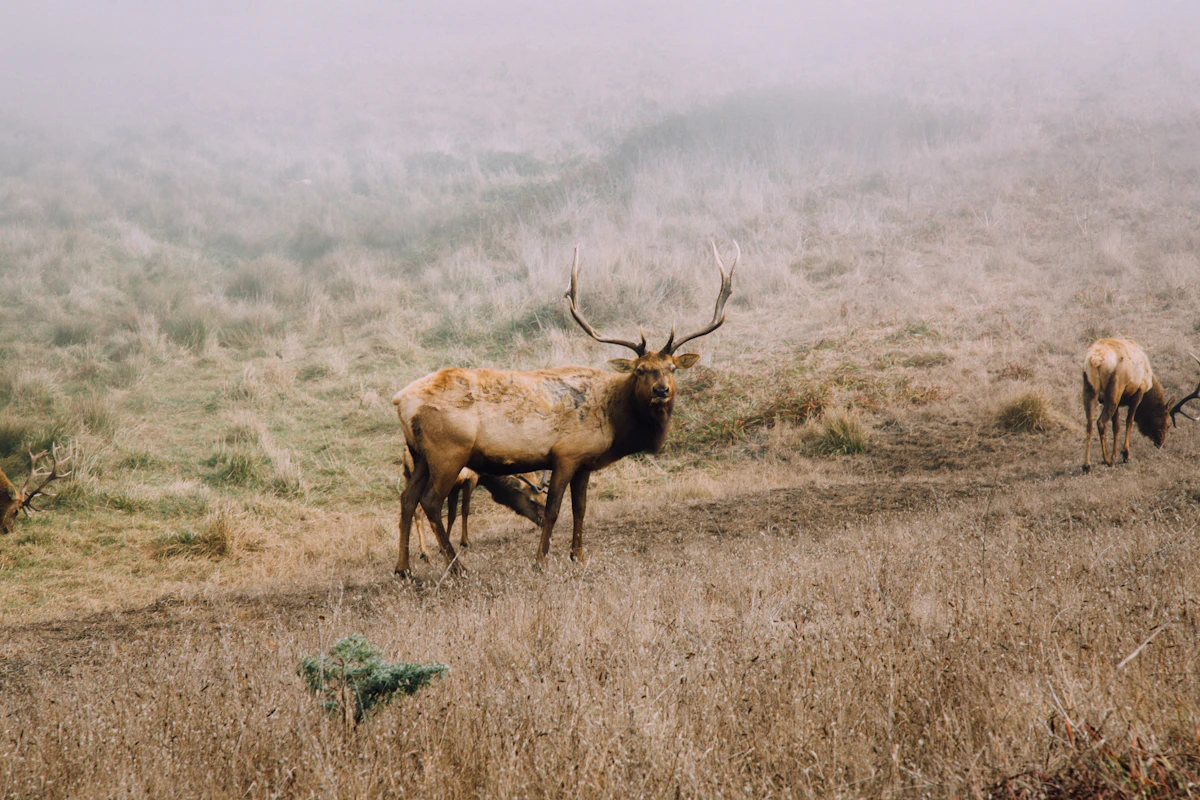
Best Optics for Whitetail Hunting: Binoculars, Rangefinders & Riflescopes That Perform
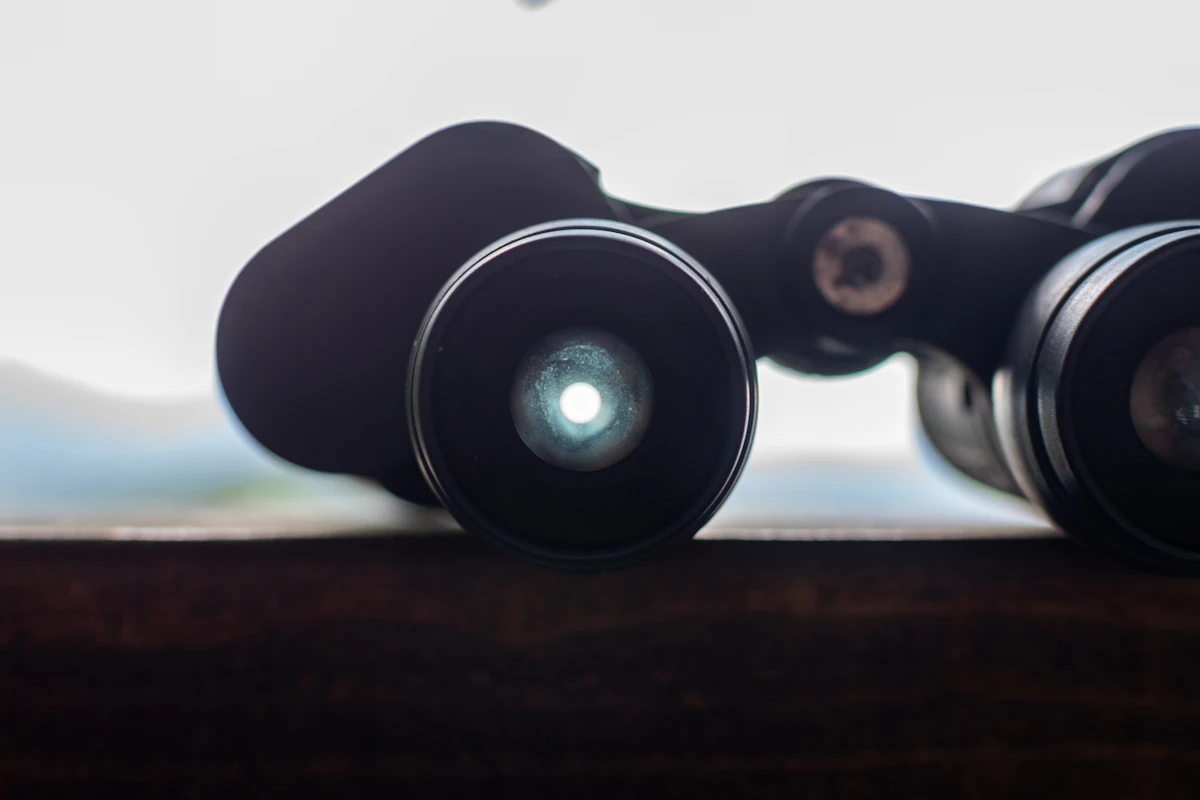
Whitetail hunting happens in closer quarters than most western hunting, but that does not mean your optics matter less. The right glass makes the difference between spotting a buck working a scrape line at dawn and sitting still while he slips past unnoticed. Whether you hunt eastern hardwoods, midwestern agricultural edges, or Texas senderos, your optics need to match the terrain and the distances you actually shoot.
Unlike elk or mule deer hunts where glassing wide-open basins is the game, whitetail optics prioritize close-range clarity, wide fields of view, and low-light performance. You are not picking apart a distant ridge. You are identifying antler mass in thick cover at first light or confirming a shooter buck stepped into a shooting lane 200 yards out. This guide covers the best binoculars, rangefinders, and riflescopes for the way whitetails are actually hunted.
Binoculars for Whitetail Hunting
Whitetail binoculars should be compact, fast to glass with, and bright in low light. You are not sitting on a tripod for hours. You are scanning timber edges, clear-cuts, and food plot transitions where deer appear and disappear quickly. Most shots happen inside 300 yards, and most glassing happens handheld.
8x42 or 10x42 configurations work best. The 8x gives you a wider field of view, which helps in thick cover when you need to pick up movement fast. The 10x offers slightly more detail for longer shots across agricultural fields or power line cuts, but you sacrifice some field of view and low-light brightness. Both are forgiving enough to use without a tripod.
Low-light performance separates average glass from great glass. Whitetails move at dawn and dusk. If your binoculars cannot gather enough light to resolve antler detail in the first 20 minutes of legal shooting time, you are hunting with a handicap. Look for fully multi-coated lenses, phase-corrected prisms, and larger objective lenses (42mm minimum). Premium glass from Swarovski, Leica, and Zeiss will outperform budget options in the critical first and last light, but solid mid-tier options from Vortex Razor HD and Leupold BX-4 deliver strong low-light performance at half the price.
Weight and size matter more than you think. You are carrying binoculars all day, whether you are still-hunting through oak bottoms or sitting a ladder stand. Heavy 15x56 binoculars make no sense for whitetails. Compact 8x42 or 10x42 models stay around your neck without fatigue and come up fast when a buck steps out.
Rangefinders for Whitetail Hunting
Most whitetail shots happen inside 250 yards, but knowing the exact distance to a shooter buck standing at 180 yards instead of guessing 150 or 200 is the difference between a clean kill and a wounded deer. A quality rangefinder is non-negotiable.
Angle compensation is critical for treestand hunters. If you hunt from elevated positions, a rangefinder without angle compensation will give you the slope distance, not the true horizontal distance you need to dial your scope or hold correctly. Models with built-in angle-compensated ranging (Leupold RX series, Vortex Ranger, Sig Kilo BDX) automatically adjust for the angle and display the ballistic distance you should shoot.
Fast ranging beats long maximum range. A rangefinder that maxes out at 1,200 yards but takes three seconds to lock a reading is worse than a 600-yard model that gives instant feedback. Whitetails do not stand still long. The Leupold RX-2800 TBR/W and Sig Kilo 1400BDX prioritize speed and reliability over maximum distance, which is exactly what whitetail hunting demands.
Size and ease of use matter in the moment. You are not glassing for ten minutes and then ranging. You are seeing a buck, grabbing your rangefinder, getting a number, and shooting. Compact, single-button rangefinders that fit in a chest harness or coat pocket and deliver readings in under a second are worth the investment. The Vortex Impact 850 and Leupold RX-1400i TBR/W are both sub-$400 options that work extremely well for whitetail distances.
Riflescopes for Whitetail Hunting
Whitetail riflescopes need to cover two realities: most shots happen close and fast, but some happen at distance across open fields or senderos. The ideal scope handles both without compromising either.
3-9x40 and 2-7x33 scopes still dominate for good reason. These configurations offer enough magnification for precise shot placement at 250 yards but stay low enough on the bottom end for quick target acquisition at 50 yards in thick cover. A 3-9x scope set on 4x or 5x is fast to get on target when a buck steps into a shooting lane, and you can dial up to 9x for longer shots. The Leupold VX-3HD 3.5-10x40 and Trijicon Credo HX 2.5-10x42 are both excellent choices that balance close-range speed with mid-range precision.
Low-light glass matters as much as it does in binoculars. Whitetails are crepuscular. The best shooting opportunities happen when light is terrible. Premium glass with high light transmission (90% or higher) and large exit pupils make a noticeable difference. The Swarovski Z5 3.5-18x44 and Zeiss Conquest V4 3-12x44 deliver exceptional low-light clarity, but the Vortex Viper HS 2.5-10x44 offers strong performance at a lower price point.
Simple reticles work better than complex systems. You do not need a Christmas tree reticle for whitetails. A duplex, fine crosshair, or simple BDC reticle is faster to use and less cluttered when you have seconds to make a shot. The Leupold VX-Freedom 3-9x40 with a duplex reticle is one of the most popular whitetail scopes ever made because it does exactly what it needs to do and nothing more.
Second focal plane (SFP) makes more sense than first focal plane (FFP) for most whitetail hunters. SFP reticles stay the same size regardless of magnification, which means your crosshairs remain visible and usable at low power in thick cover. FFP reticles shrink at lower magnifications, making them harder to see quickly. Unless you are dialing turrets for long-range precision, SFP is the better choice.
Magnification Trade-Offs for Different Whitetail Terrain
Whitetail hunting is not one-size-fits-all. A southern hardwood hunter glassing oak ridges at 80 yards needs different magnification than a Kansas agricultural hunter shooting across 400-yard bean fields.
Timber and thick cover: 1-6x, 2-7x, or 3-9x scopes. If most of your shooting happens inside 150 yards in brush, lower magnification keeps your field of view wide and target acquisition fast. A 1-6x scope like the Trijicon Credo HX 1-6x24 works exceptionally well for still-hunting or driving thick cover where shots happen fast and close. Set it on 1x or 2x, and you can shoot with both eyes open like a red dot. Dial it up to 6x for a 100-yard shot across a creek bottom.
Transition zones and food plots: 3-9x or 4-12x scopes. If you hunt edges where shots range from 50 to 250 yards, a 3-9x or 4-12x scope covers both ends. The Leupold VX-3HD 4.5-14x40 is overkill for pure timber hunting but perfect for hunters who sit agricultural field edges or power line cuts where longer shots are common.
Open country and senderos: 4-12x or 3-15x scopes. Texas, the Dakotas, and parts of the Midwest offer whitetail hunting that resembles western hunting. Shots across senderos, CRP fields, or wide-open river bottoms can push 300 to 400 yards. A 4-12x scope set on 6x or 8x for most shooting but dialed to 12x for precise long-range work makes sense. The Vortex Viper HS LR 4-16x44 and Nightforce SHV 4-14x50 are both excellent choices for open-country whitetails.
Spotting Scopes: Rarely Necessary, Sometimes Useful
Most whitetail hunters do not need a spotting scope. Binoculars and a riflescope handle the vast majority of identification and shot-making tasks. But if you hunt large agricultural properties, open prairie whitetails, or post-season shed hunting, a compact spotting scope can be useful.
A 15-45x65mm spotter works for whitetails. You do not need an 85mm objective. A compact, lightweight spotter like the Vortex Razor HD 11-33x50 or Leupold SX-1 Ventana 2 15-45x60 is enough to judge antler characteristics at 500 to 800 yards across open fields or identify bucks bedded in distant woodlots. If you are trying to decide whether a buck is a shooter before committing to a stalk, a spotter saves time.
Most hunters are better served upgrading binoculars instead. A $1,200 spotting scope adds less value to most whitetail hunts than $1,200 binoculars. If you are debating between premium binoculars and a spotter, buy the binoculars.
How TAGZ Helps You Plan Better Whitetail Hunts
While TAGZ specializes in western big-game draw odds and application strategy, the platform also supports whitetail hunters chasing limited-entry opportunities in states like Kansas, Iowa, and Illinois. TAGZ helps you compare draw odds for nonresident whitetail tags, track preference points, and plan multi-state application strategies so you maximize opportunities for trophy whitetail hunts. Whether you are building points for a Kansas any-whitetail tag or applying for Iowa's late muzzleloader season, TAGZ gives you the data and tools to make smarter decisions before you ever step into the field.
Optics Maintenance and Care
Good optics are an investment. Taking care of them extends their life and keeps them performing at full capability.
Clean lenses properly. Use a lens pen or microfiber cloth, not your shirt or a paper towel. Rubbing dirt or dust across coated lenses scratches the coating and degrades optical performance. Lens pens with retractable brushes (LensPen is the standard) are compact, effective, and stay in your pack.
Protect from moisture and impact. Use lens caps. Store binoculars and rangefinders in padded cases when not in use. If your optics get wet, dry them thoroughly before storing to prevent internal fogging or mold growth. Most modern hunting optics are waterproof, but that does not mean they should sit wet in a case for days.
Check zero and reticle clarity before season. If you dropped your rifle or stored your scope in a hot truck bed all summer, confirm zero before opening day. Check that your reticle is sharp and your turrets track correctly. A scope that took a hard knock in the off-season might still look fine but shoot six inches off at 200 yards.
FAQ — Best Optics for Whitetails
What magnification binoculars are best for whitetail hunting?
8x42 or 10x42 binoculars work best for whitetails. The 8x provides a wider field of view for scanning thick cover, while 10x offers slightly more detail for longer-range glassing across fields. Both are handheld-friendly and perform well in low light.
Do I need angle compensation on a whitetail rangefinder?
Yes, especially if you hunt from treestands. Angle-compensated rangefinders automatically calculate the true horizontal distance, which is what matters for accurate shot placement when shooting at a steep angle up or down.
What is the best riflescope magnification for whitetail hunting?
A 3-9x40 or 2-7x33 scope handles most whitetail hunting situations. These configurations offer enough magnification for 250-yard shots but stay low enough on the bottom end for fast target acquisition in thick cover. Open-country hunters may prefer 4-12x or 3-15x scopes for longer shots.
Should I buy first focal plane or second focal plane scopes for whitetails?
Second focal plane (SFP) scopes work better for most whitetail hunters. The reticle stays the same size at all magnifications, making it easier to see and use quickly at low power in thick cover. First focal plane (FFP) scopes are better for long-range precision shooting where you dial turrets, which is less common in whitetail hunting.
Do I need a spotting scope for whitetail hunting?
Most whitetail hunters do not need a spotting scope. Binoculars and a riflescope handle the majority of glassing and shooting tasks. If you hunt large agricultural properties or open-country whitetails where you glass distant bucks before committing to a stalk, a compact 15-45x65mm spotter can be useful.
What optics feature matters most for low-light whitetail hunting?
Light transmission and lens coatings matter most. Fully multi-coated lenses, phase-corrected prisms, and larger objective lenses (42mm or larger for binoculars, 40mm or larger for scopes) gather more light and deliver brighter, sharper images during dawn and dusk when whitetails are most active.
Continue Planning Your Hunt
If you are planning western big-game hunts or chasing limited-entry whitetail tags in states like Kansas, Iowa, or Illinois, TAGZ helps you compare draw odds, track preference points and bonus points, and plan multi-state application strategies. The platform simplifies the research process with unit maps, terrain breakdowns, and historical draw data so you can make confident decisions before applying. Whether you are building points for a trophy whitetail hunt or planning an elk application strategy, TAGZ gives you the tools to maximize your draw opportunities.
Explore more hunting insights, gear reviews, and draw strategy guides on the TAGZ Insights page. If you are ready to take control of your western hunting applications and stop guessing which units to apply for, check out TAGZ pricing and start planning smarter hunts today.
Was this article helpful?
Previous
Best Clothing for Whitetail Hunters: Field-Tested Gear That Works
The right clothing system keeps whitetail hunters comfortable, quiet, and concealed from September through December. This guide covers base layers, insulation, outer shells, and scent control across early-season bowhunts and late-season gun hunts.
Next
Best Compound Bows for Elk Hunting in 2025
Choosing the right compound bow for elk hunting requires balancing draw weight, axle-to-axle length, and shootability. This guide breaks down the top performers for backcountry and treestand hunters, plus the specs that matter most when hunting North America's toughest big game.