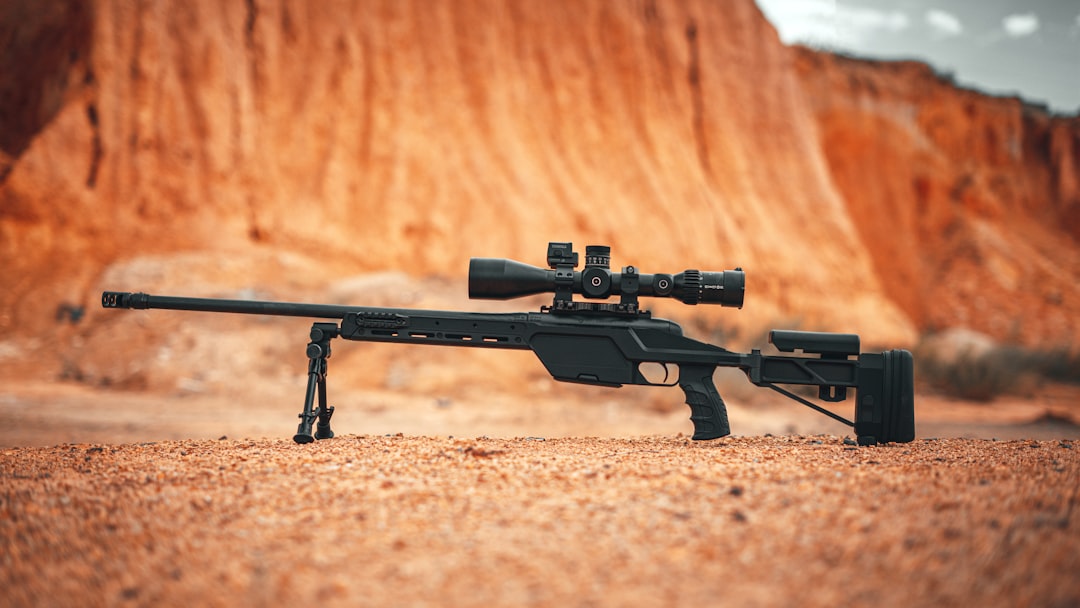
Best Optics for Elk Hunting 2026: Binos, Rangefinders & Spotting Scopes
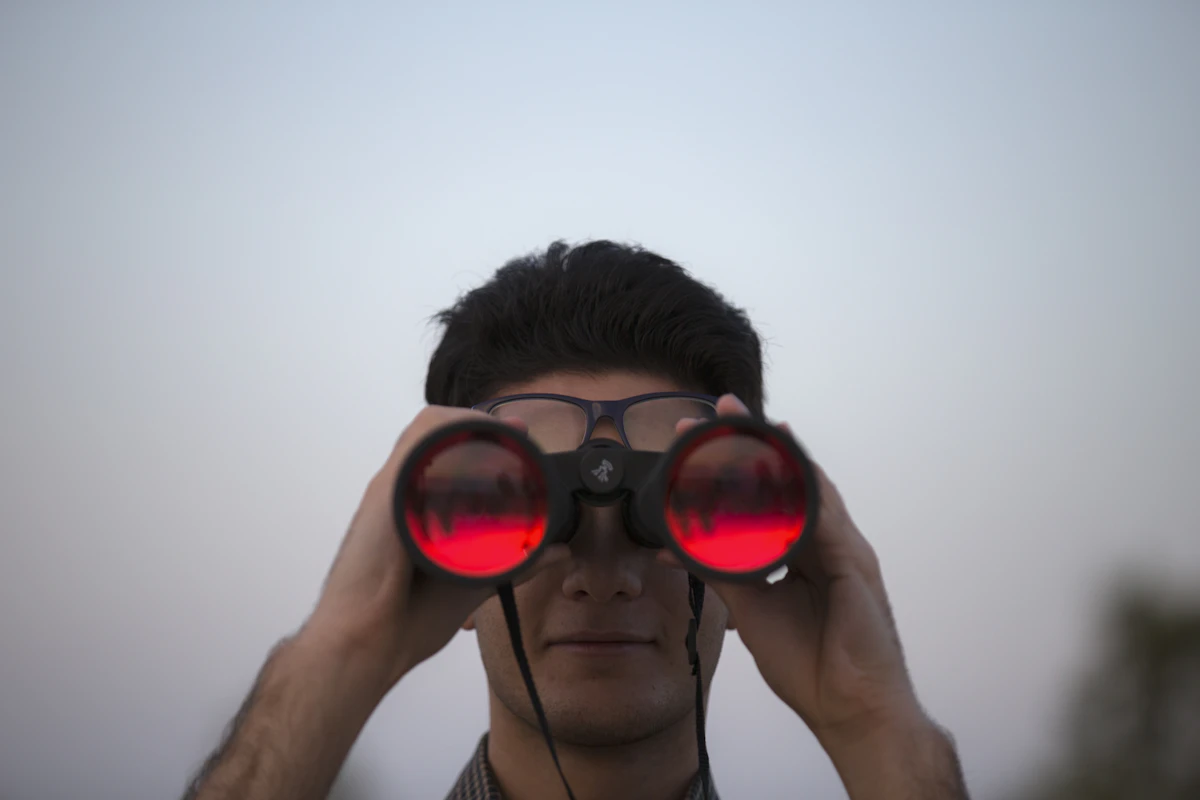
Elk live in terrain that punishes cheap glass. You will spend hours glassing dark timber edges at first light, ranging bulls across canyons at last light, and judging headgear through mirage at midday. The right optics let you find elk other hunters walk past. The wrong optics leave you squinting at shadows while someone with better glass claims the bull you should have seen first.
This guide covers what elk hunters actually need in binoculars, rangefinders, and spotting scopes for 2026. We focus on proven models across price points, real-world performance in elk country, and how to match optics to your hunt style.
Why Optics Matter More for Elk Than Other Big Game
Elk hunting demands more from your glass than most western hunts. Bulls bed in thick black timber where only quality optics pick out antler tips and horizontal back lines. They feed on north-facing slopes at dawn where cheap binoculars show you gray blobs instead of distinguishable animals. Mountain thermals create mirage that inferior glass cannot cut through, turning a 350-inch bull into a wavy brown smear at 800 yards.
Elk also live where shot opportunities happen fast or not at all. A bull bugling in timber might give you thirty seconds to confirm he is legal, range him, and make the shot before he vanishes. Glassing open basins requires spending entire days behind optics without eye fatigue. Your glass needs to perform in low light, handle temperature swings from 15°F mornings to 70°F afternoons, and survive getting banged against rocks when you are scrambling to close distance.
The hunters who consistently tag mature bulls carry optics that let them spot elk earlier, judge them faster, and range them accurately under pressure. That edge is worth the investment.
Best Binoculars for Elk Hunting 2026
Binoculars are your primary search tool. You will use them more than any other optic during an elk hunt. The right pair lets you glass all day without headaches while picking out details other hunters miss.
10x42 — The Elk Hunter's Standard
Ten-power 42mm binoculars hit the sweet spot for elk hunting. The 10x magnification lets you judge bulls at distance and pick apart timber edges without image shake becoming unmanageable. The 42mm objective gathers enough light for productive glassing during the first and last hour of daylight when elk are most active. This configuration works equally well for spot-and-stalk hunts in open country and calling setups in dark timber.
Top picks:
Swarovski EL 10x42 — Best overall. Outstanding low-light performance, wide field of view, and edge-to-edge clarity. These are the benchmark elk binoculars. The field flattener lenses eliminate distortion across the entire image, which matters when you are scanning a basin for antler tips. Worth the price if you hunt elk seriously every year. ($2,600–$2,900)
Leica Noctivid 10x42 — Comparable to Swarovski with slightly better color rendition and low-light capability. Exceptional build quality. The open-bridge design is easier to grip with one hand when you need to range or grab your rifle. ($2,500–$2,800)
Zeiss Victory SF 10x42 — Widest field of view in this class at 336 feet per 1,000 yards. Makes finding and tracking moving elk noticeably easier. Lighter than competitors at 27.5 ounces. ($2,600–$2,900)
Maven B.2 10x42 — Best value for serious elk hunters. Image quality rivals European alpha glass at half the cost. Fully American-owned with outstanding customer service. The newer ED glass provides excellent color accuracy and contrast. ($1,300–$1,500)
Vortex Razor UHD 10x42 — Excellent mid-tier option. Sharp, bright image with good low-light performance. VIP warranty covers everything including loss and theft, which gives peace of mind in rough country. ($1,000–$1,200)
12x50 — For Open-Country Glassing
If you hunt units with big basins and long-distance glassing, 12x50 binoculars give you extra magnification for judging bulls before you commit to a stalk. The larger objective lens maintains low-light performance despite higher power. These shine in Colorado, Wyoming, and New Mexico high country where you glass across multiple drainages.
The tradeoff is weight and shakiness without a tripod. Twelve-power magnification amplifies hand tremor, making steady handheld glassing difficult for more than a few minutes. Use these on a tripod adapter for serious sessions.
Top picks:
Swarovski EL 12x50 — The gold standard for western glassing. Razor-sharp across the entire field, excellent color fidelity, and enough light transmission to keep glassing when others quit. ($2,700–$3,000)
Maven B.1.2 12x50 — Outstanding value. Image quality competes with European glass for $1,500 less. Slightly heavier at 33 ounces but worth it for the price difference. ($1,400–$1,600)
Meopta MeoStar B1 Plus 12x50 — Underrated Czech glass. Excellent clarity and brightness with a street price well below the alpha brands. Good low-light performance and rugged construction. ($900–$1,100)
8x42 — For Timber and Calling Setups
If you hunt thick timber or focus on bugling bulls into close range, 8x42 binoculars offer advantages. The lower magnification provides a wider field of view for finding bulls in dense cover and makes it easier to track movement through trees. Eight-power also means steadier images when your heart is pounding because a herd bull is screaming 60 yards away.
The downside is reduced ability to judge bulls at distance. These work best for hunters who rarely glass past 400 yards or who use a spotting scope for long-range evaluation.
Top picks:
Leica Ultravid HD-Plus 8x42 — Exceptional low-light capability for dark timber. Premium build and image quality. ($1,800–$2,100)
Vortex Viper HD 8x42 — Solid mid-range option with good brightness and clarity. Lighter than most at 24 ounces. ($550–$650)
Best Rangefinders for Elk Hunting 2026
A quality rangefinder eliminates guesswork on shot distance, which is critical when bulls rarely give you time for a second chance. Modern rangefinders also calculate angle-compensated distance, which matters enormously in mountain terrain where shooting uphill or downhill changes your effective range.
Laser Rangefinders
Standalone laser rangefinders remain the most reliable option for elk hunting. They range faster than bino-rangefinders in most conditions, cost less, and give you flexibility to carry your preferred binoculars.
Top picks:
Leica Rangemaster CRF 3500.COM — Ranges reliably to 2,000+ yards on game-sized targets with exceptional speed. Bluetooth connectivity links to Leica ballistic app for precise holdovers. The ABC (Advanced Ballistic Compensation) feature accounts for angle and atmospherics automatically. Outstanding in low light and through mirage. ($900–$1,000)
Sig Sauer Kilo10K-ABS HD — The most capable rangefinder for long-range elk hunters. Ranges to 10,000 yards on reflective targets, over 2,500 yards on animals. Built-in Applied Ballistics calculator provides exact firing solutions. Overkill for most hunters but unbeatable if you shoot past 600 yards regularly. ($1,600–$1,800)
Vortex Fury HD 5000 AB — Combines 10x42 binoculars with a rangefinder accurate to 5,000 yards. The Applied Ballistics integration provides real-time solutions. Heavy at 37 ounces but eliminates carrying separate devices. Best for spot-and-stalk hunts where you glass and range from the same position. ($1,400–$1,600)
Leupold RX-2800 TBR/W — Best value laser rangefinder. Reliable to 1,600 yards on animals with True Ballistic Range calculation for angle compensation. Fast readings and intuitive interface. Lightweight at 7.8 ounces. ($500–$550)
Vortex Impact 1000 — Budget option that still performs. Ranges accurately to 1,000 yards with angle compensation. No-frills design keeps the price under $200. Good starter rangefinder or backup unit. ($170–$200)
Binocular Rangefinders
Bino-rangefinders combine both tools into one unit, reducing weight and eliminating the need to switch devices when you spot a bull. The downsides are higher cost, more weight than standard binoculars, and you lose both functions if the unit fails.
Top picks:
Leica Geovid Pro 10x42 — The best bino-rangefinder available. Outstanding glass quality matching Leica's Noctivid binoculars, ranges to 3,000+ yards, and full ballistic calculator integration. Onboard environmental sensors adjust for temperature, pressure, and angle automatically. Expensive but eliminates compromises. ($3,300–$3,600)
Swarovski EL Range TA 10x42 — Combines EL binocular glass with reliable ranging to 2,000+ yards. Tracking Assistant feature provides continuous range updates on moving animals. Excellent for bow hunters closing distance on bugling bulls. ($3,400–$3,700)
Zeiss Victory RF 10x42 — Sharp Zeiss glass with fast, accurate ranging. Bluetooth connectivity to ballistic app. Lighter than Leica and Swarovski competitors at 31 ounces. ($2,800–$3,100)
Best Spotting Scopes for Elk Hunting 2026
Spotting scopes let you judge bulls at ranges where binoculars cannot provide enough detail. If you hunt open country where you glass basins from ridges, a quality spotter saves you miles of hiking to bulls that do not meet your standards.
Angled vs. Straight Eyepiece
Angled eyepieces are better for elk hunting. They let you glass comfortably while sitting or kneeling, which matters during long glassing sessions on steep terrain. Angled scopes also work better when multiple hunters share one spotter because you do not need to adjust tripod height constantly.
Straight eyepieces are easier to aim initially and slightly better for tracking moving animals. They work well for flat-ground glassing but become uncomfortable on mountainsides.
Magnification Range
A 65mm or 85mm objective lens with 15x-45x zoom covers most elk hunting situations. You will use 20x-30x magnification most often because higher power amplifies mirage and reduces image brightness. The extra magnification is useful on calm mornings for counting points or checking mass, but atmospheric conditions limit practical use above 40x.
Larger 95mm or 115mm objectives gather more light for low-light glassing and provide sharper images at high magnification. The tradeoff is significant weight and bulk. These make sense if you drive to glassing knobs and rarely backpack, but most elk hunters are better served by a lighter 65mm or 85mm scope they will actually carry.
Top picks:
Swarovski ATX 25-60x85 — Modular system where you can swap eyepiece modules. Exceptional edge-to-edge sharpness even at 60x. Outstanding low-light performance. The field-flattener design provides a wide field of view across the zoom range. Best overall spotter for serious elk hunters who glass multiple days per season. ($3,800–$4,200 for objective and eyepiece module)
Leica APO-Televid 25-50x82 — Compact 82mm scope with premium glass. Noticeably lighter at 54 ounces than other alpha spotters. Excellent color accuracy and contrast. The shorter length makes it easier to pack. Good choice for mobile glassing where you move positions frequently. ($3,000–$3,300)
Vortex Razor HD 27-60x85 — Best value in premium spotters. Image quality rivals European alpha glass at half the cost. Sharp across the field with good color rendition. Slightly heavier at 74 ounces but built like a tank. VIP warranty covers everything. ($1,900–$2,100)
Maven S.1A 25-50x80 — Outstanding mid-tier option. ED glass provides excellent sharpness and brightness. Focuses closer than most competitors, which helps for detailed evaluation of bedded bulls. Lightweight at 50 ounces. American company with great customer service. ($1,400–$1,600)
Vortex Diamondback HD 20-60x85 — Best budget spotter that still performs. Good clarity and brightness for the price. Slightly softer at the edges compared to premium models but perfectly usable for judging bulls. Solid entry-level option or backup scope. ($550–$650)
Free to join
Download mobile app
- Detailed draw odds
- Point tracking
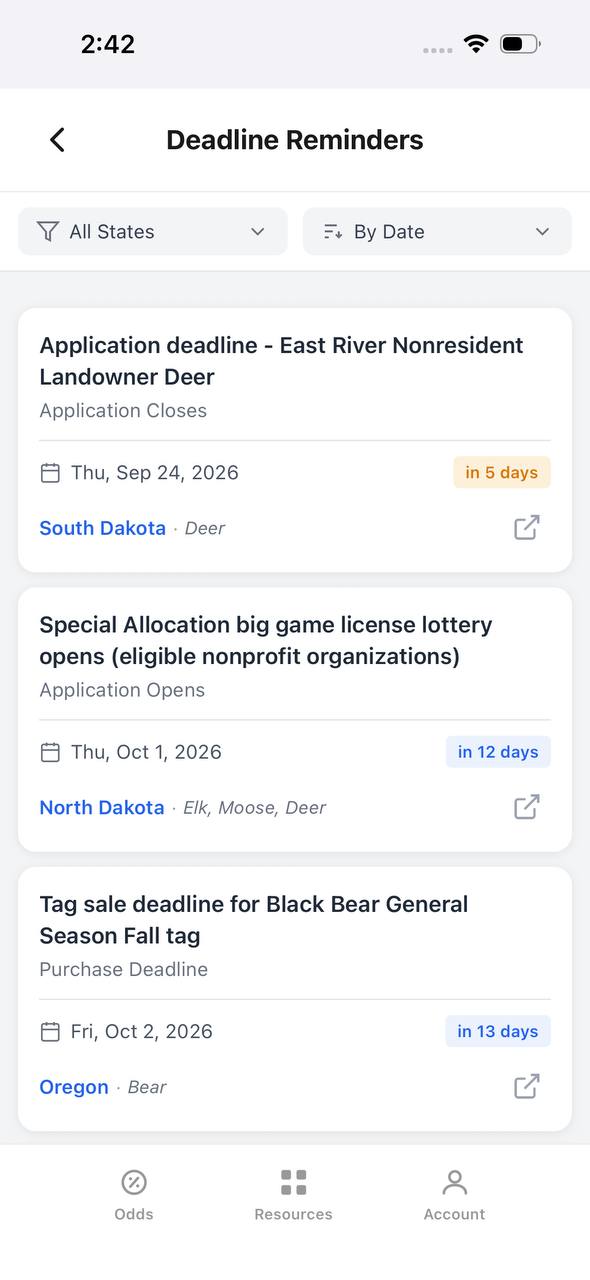
- Deadline reminders
- 18 states covered

Free to join
Download mobile app
- Detailed draw odds
- Point tracking
- Deadline reminders
- 18 states covered
Free to join
Download mobile app
- Detailed draw odds
- Point tracking
- Deadline reminders
- 18 states covered
Tripods and Mounting Systems
Glass quality matters little if you cannot hold your optics steady. A quality tripod turns good binoculars into great ones by eliminating shake and reducing eye fatigue during long glassing sessions.
Tripods for Spotting Scopes
Your spotter tripod needs to be tall enough for comfortable seated glassing, stable enough to eliminate vibration at high magnification, and light enough to carry in rough country.
Top picks:
Really Right Stuff TFC-14 — Carbon fiber, incredibly stable, and lighter than aluminum competitors at 2.5 pounds. Extends to 55 inches for standing use. Expensive but the best tripod for backcountry glassing. ($600–$700 for legs, head sold separately)
Outdoorsmans Micro Pan Head — The smoothest, most precise glassing head available. Makes tracking animals and scanning terrain effortless. Works with Outdoorsmans tripod systems or adapter studs for other brands. ($280–$320)
Vortex Summit SS-P — Good mid-range carbon fiber tripod. Stable for most spotters, extends to 68 inches, and includes a pan head. Heavier at 4.6 pounds but costs half what RRS charges. ($450–$500)
Sirui T-025X — Budget carbon fiber option. Light at 2.2 pounds, surprisingly stable for the price. Max height of 51 inches limits standing use. Good starter tripod for hunters testing whether they will use a spotter enough to justify premium gear. ($150–$180)
Binocular Tripod Adapters
Any serious glassing session benefits from mounting your binoculars on a tripod. Eliminating hand shake lets you glass longer without eye fatigue and pick out details you would miss handheld.
Outdoorsmans Bino Stud — Replaces the center hinge pin on your binoculars with a threaded stud that mounts to their pistol grip or any standard tripod head. The cleanest, lowest-profile mounting system. Requires minor permanent modification to your binos. ($45–$50)
Outdoorsmans Micro Pan Head with Bino Adapter — Complete system for tripod-mounted glassing. The micro adjustment allows smooth panning and tilting. Quick-detach adapter lets you remove binos instantly when you need to move. ($300–$350)
Vortex Optics Binocular Tripod Adapter — Universal adapter that works with most binoculars via the standard tripod socket. No modification required. Heavier and bulkier than the Outdoorsmans system but functional and affordable. ($30–$40)
Optics Accessories That Actually Matter
A few accessories make your optics more effective in the field. Most are cheap insurance against losing or damaging expensive glass.
Lens Covers and Harnesses
Marsupial Gear Binocular Harness — Keeps binos secure and accessible on your chest. Magnetic closure allows quiet, one-handed operation. Built-in rangefinder pouch holds most laser rangefinders. The best harness design for elk hunting. ($75–$95)
Kuiu Pro Bino Harness — Slightly lighter than Marsupial with excellent build quality. Works well with larger 12x50 binos. Side-zip pocket for rangefinder. ($80–$100)
Tethrd Bino Shield — Keeps your binoculars accessible but protects them from rain and snow. Clear plastic window lets you see through the cover without removing it. Good for wet weather elk hunts. ($30–$35)
Lens Cleaning
Lens Pen — Compact cleaning tool with retractable dust brush and cleaning tip. Works better than cloths for removing fingerprints and oils from lenses. Keep one in your bino harness. ($10–$12)
Zeiss Lens Cleaning Wipes — Pre-moistened wipes safe for all lens coatings. Individually wrapped for field use. Good for removing tree pitch, mud, and other stubborn contamination. ($8–$10 for 200-pack)
Anti-Fog Solutions
- Cat Crap Anti-Fog Paste — Works better than sprays for preventing eyepiece fogging in cold weather. Apply thin layer, buff clear, and your optics stay fog-free even when temperatures swing. ($8–$10)
Free to join
Download mobile app
- Detailed draw odds
- Point tracking
- Deadline reminders
- 18 states covered
Free to join
Download mobile app
- Detailed draw odds
- Point tracking
- Deadline reminders
- 18 states covered
Free to join
Download mobile app
- Detailed draw odds
- Point tracking
- Deadline reminders
- 18 states covered
How to Choose Optics for Your Elk Hunt Style
Your optics should match how you actually hunt elk, not some idealized version of elk hunting you saw in a video.
Backcountry Bow Hunters
You need lightweight glass that performs in low light because most bow opportunities happen at dawn and dusk in thick cover. Prioritize 8x42 or 10x42 binoculars with excellent twilight factor and a compact laser rangefinder. Skip the spotting scope unless you are hunting alpine basins above timberline.
Recommended setup: Leica Ultravid 8x42 ($1,900), Leupold RX-2800 rangefinder ($500), Marsupial harness ($85). Total weight: approximately 35 ounces. Total cost: $2,485.
Rifle Hunters — Spot and Stalk
You will spend entire days glassing basins, so tripod-stable binoculars and a quality spotter are essential. A 10x42 or 12x50 bino handles most glassing, with a 65mm or 85mm spotter for detailed bull evaluation. A laser rangefinder that reads accurately past 1,000 yards gives you confidence on long shots.
Recommended setup: Swarovski EL 10x42 ($2,700), Leica CRF 3500 rangefinder ($950), Vortex Razor 85mm spotter ($2,000), Outdoorsmans tripod system ($800). Total cost: $6,450.
Rifle Hunters — Timber and Calling
You rarely glass past 400 yards, so a lightweight 8x42 or 10x42 binocular and basic rangefinder cover 90% of situations. A spotter is optional unless you hunt mixed country. Prioritize low-light performance because timber elk move during the first and last hour of daylight.
Recommended setup: Vortex Razor UHD 10x42 ($1,100), Leupold RX-2800 rangefinder ($500), Marsupial harness ($85). Total cost: $1,685.
Multi-State Hunters
If you hunt different units every year, versatile optics that perform across terrain types make more sense than specialized setups. A 10x42 binocular, quality laser rangefinder, and mid-size spotter cover everything from Colorado oak brush to Wyoming sagebrass.
Recommended setup: Maven B.2 10x42 ($1,400), Leica CRF 3500 rangefinder ($950), Maven S.1A 80mm spotter ($1,500), Vortex Summit tripod ($475). Total cost: $4,325.
What Actually Matters in Elk Hunting Optics
Marketing specs and online reviews emphasize features that sound impressive but matter less in the field than you would expect. Here is what actually makes a difference when you are hunting elk.
Low-Light Performance
Elk are most active during the first and last hour of daylight. Your optics need to perform when there is barely enough light to shoot legally. Twilight factor matters more than raw magnification. A quality 8x42 with excellent glass outperforms a cheap 10x42 in low light every time.
Alpha-tier glass from Swarovski, Leica, and Zeiss provides noticeably better low-light performance than mid-tier options. You will glass 15-20 minutes longer each morning and evening, which often means the difference between finding a bull and going home empty.
Edge-to-Edge Sharpness
Cheap optics are sharp in the center but blurry at the edges. This forces you to constantly re-center your view as you scan terrain, which is exhausting during long glassing sessions and makes you more likely to miss elk at the periphery of your field of view.
Premium optics with field-flattener lenses stay sharp across the entire image. This lets you scan more efficiently and spot more elk.
Field of View
A wide field of view makes finding and tracking elk easier. This matters most for lower magnifications. A 10x42 with a 360-foot field of view shows you significantly more terrain than one with a 300-foot field, which helps when you are scanning large basins or tracking moving animals.
Field of view shrinks as magnification increases. Twelve-power binoculars always show less area than 10-power binos with the same objective lens size.
Optical Coatings
Fully multi-coated lenses with premium anti-reflective coatings transmit more light and provide better color accuracy than cheaper coatings. The difference is subtle in good light but dramatic at dawn and dusk.
Alpha glass typically transmits 90-95% of available light. Budget optics transmit 75-85%. That 10-15% difference translates to 15-20 extra minutes of effective glassing time when light is marginal.
Rangefinder Speed and Accuracy
Your rangefinder needs to return readings in under two seconds and account for shooting angle automatically. Bulls rarely stand still for long. A rangefinder that takes five seconds to lock on or requires you to manually calculate angle compensation costs you shot opportunities.
Accuracy matters less than most hunters think. A rangefinder accurate to plus-or-minus two yards at 600 yards is functionally identical to one accurate to plus-or-minus one yard for elk-sized targets. Focus on speed and angle compensation instead of chasing the tightest accuracy specs.
Common Optics Mistakes Elk Hunters Make
Most hunters waste money on the wrong optics or underutilize the gear they already own. Avoid these common mistakes.
Buying Magnification You Do Not Need
Higher magnification sounds better until you try glassing with 15x binoculars handheld or pushing your spotter to 60x through midday mirage. Most elk are spotted, judged, and killed using moderate magnification. A 10x42 bino and 20x-30x spotter magnification handle 90% of situations.
Buy the lowest magnification that accomplishes your goals. You will glass longer with less fatigue and spot more elk.
Cheaping Out on Glass
Budget optics seem like a smart financial decision until you spend a week squinting through mediocre glass while your buddy with Swarovskis spots bulls you cannot see. The quality gap between $300 binoculars and $2,000 binoculars is enormous. The gap between $2,000 binos and $3,000 binos is small.
If you can only afford mid-tier glass, buy used alpha-tier optics instead of new budget gear. Swarovski ELs from 10 years ago outperform brand-new Vortex Vipers.
Ignoring Tripod Stability
You will not glass effectively for hours while handholding your binoculars, no matter how steady you think you are. A tripod adapter and lightweight tripod turn acceptable binoculars into excellent ones by eliminating shake and reducing eye strain.
If you glass more than 30 minutes per day during your hunt, you need a way to mount your binos on a tripod.
Forgetting to Practice Ranging
Your rangefinder is worthless if you cannot use it quickly and accurately under pressure. Practice ranging rocks, trees, and hillsides until you can get a reading within two seconds without taking your eyes off your target.
Learn your rangefinder's limitations. Most struggle on dark timber elk past 500 yards or in bright sun when the target is backlit. Know when your rangefinder will fail so you have a backup plan.
Carrying Optics You Will Not Use
If you hunt thick timber and never glass past 400 yards, leave the spotting scope in the truck. Extra weight slows you down and makes you less likely to hunt hard all day. Carry only the optics you will actually use.
Similarly, if you hunt open country and glass all day, skimping on spotter quality to save two pounds is false economy. Carry the best glass you can afford and leave something else behind.
Free to join
Download mobile app
- Detailed draw odds
- Point tracking
- Deadline reminders
- 18 states covered
Free to join
Download mobile app
- Detailed draw odds
- Point tracking
- Deadline reminders
- 18 states covered
Free to join
Download mobile app
- Detailed draw odds
- Point tracking
- Deadline reminders
- 18 states covered
How TAGZ Helps You Plan Better Elk Hunts
Quality optics help you find and judge bulls once you are in the field. TAGZ helps you choose which units to hunt in the first place.
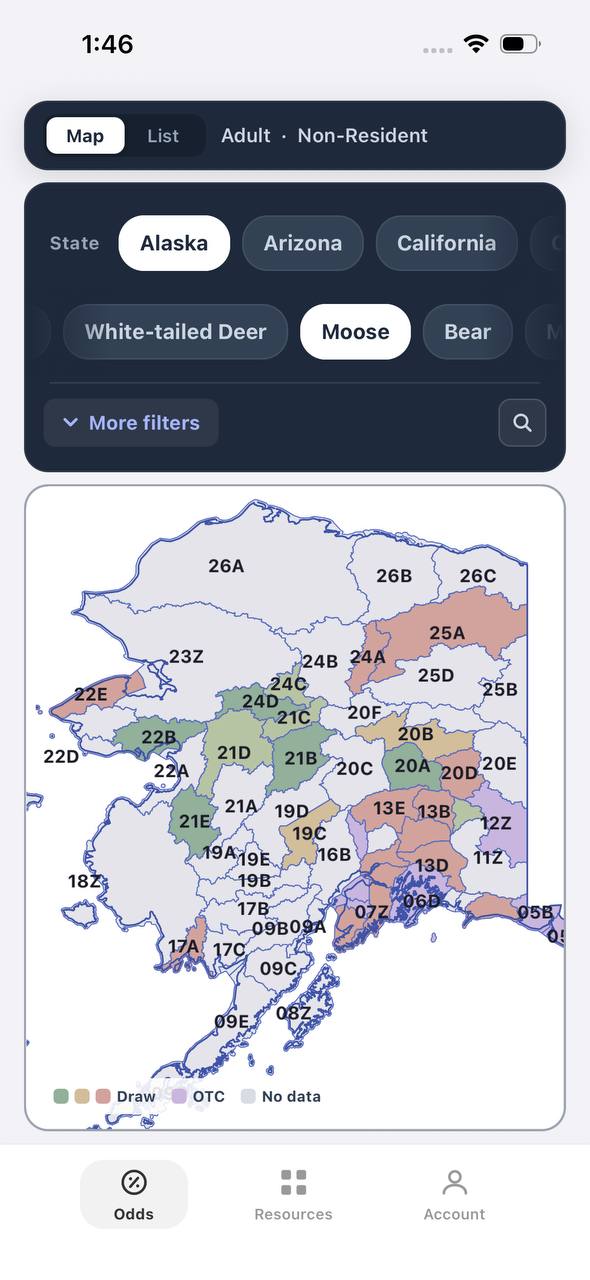
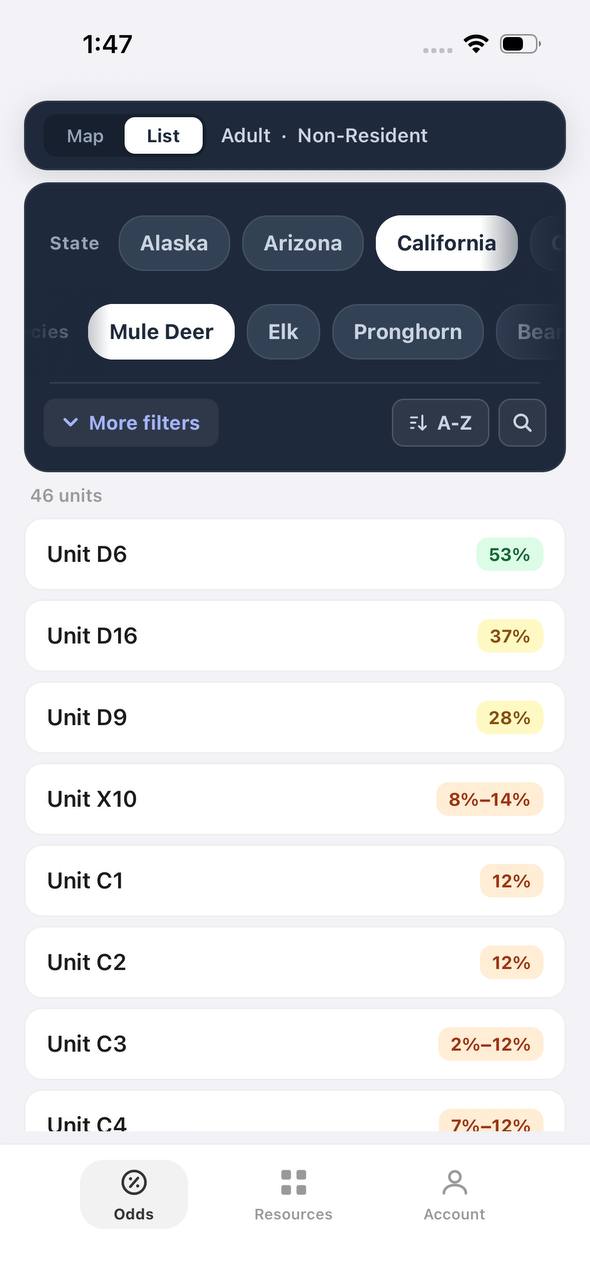
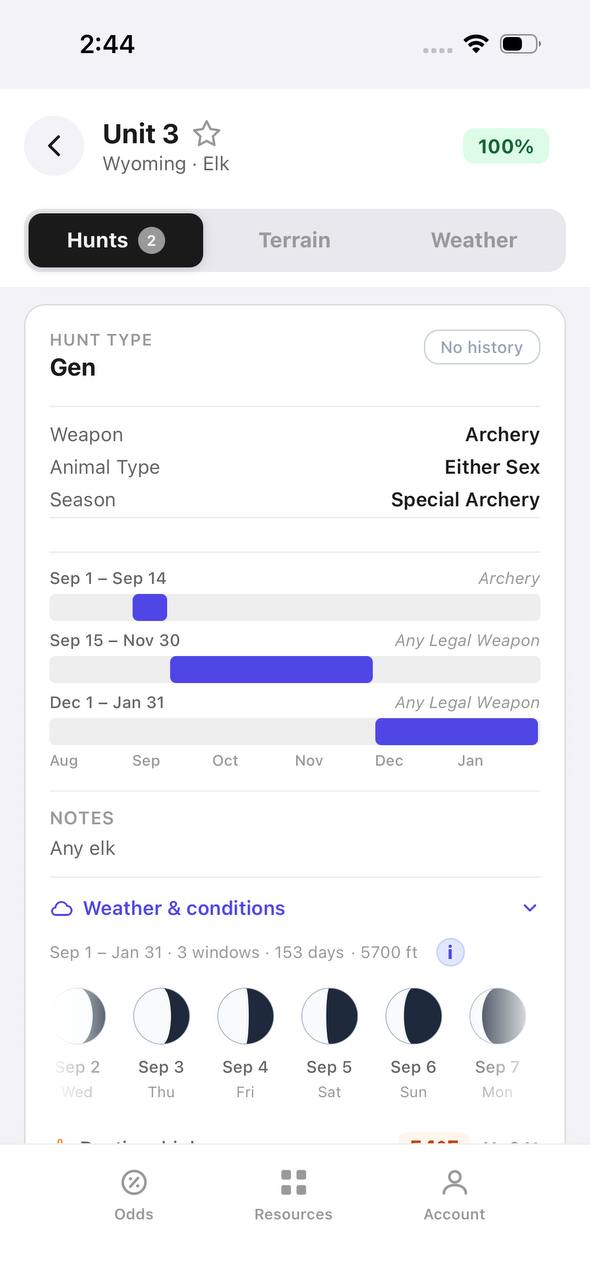
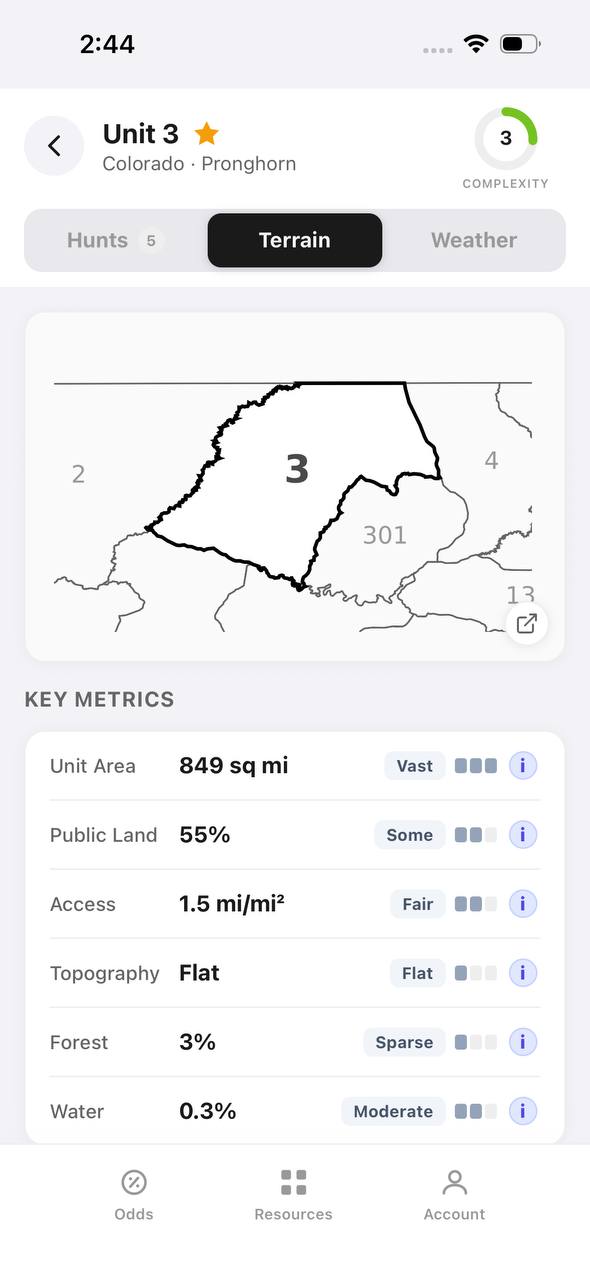
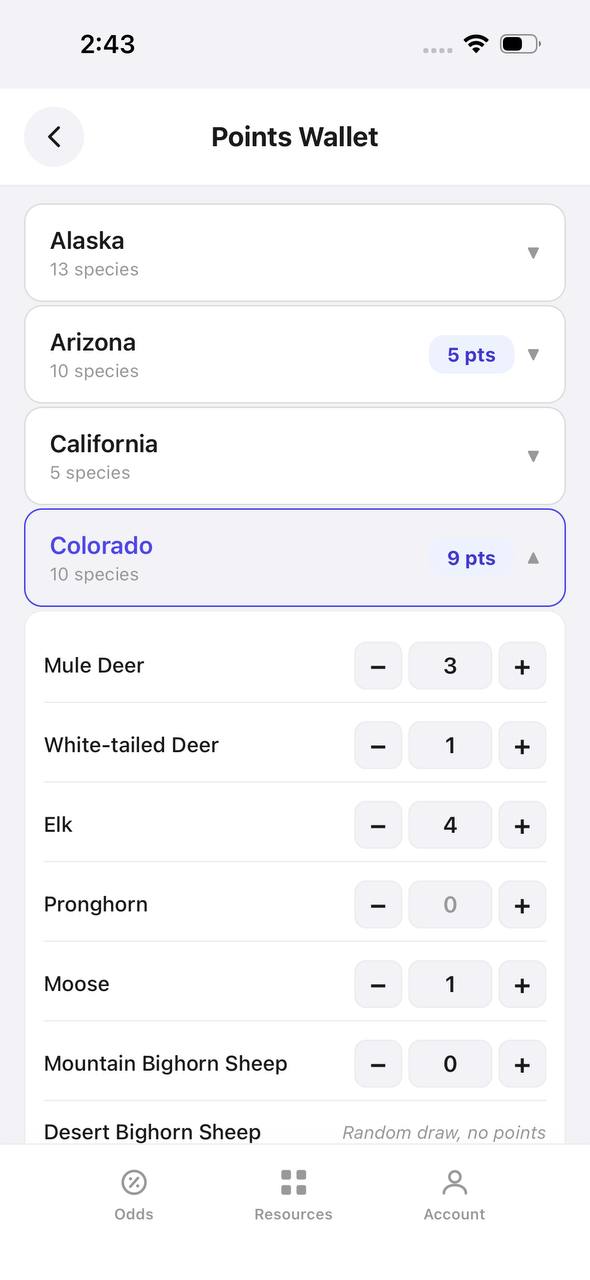
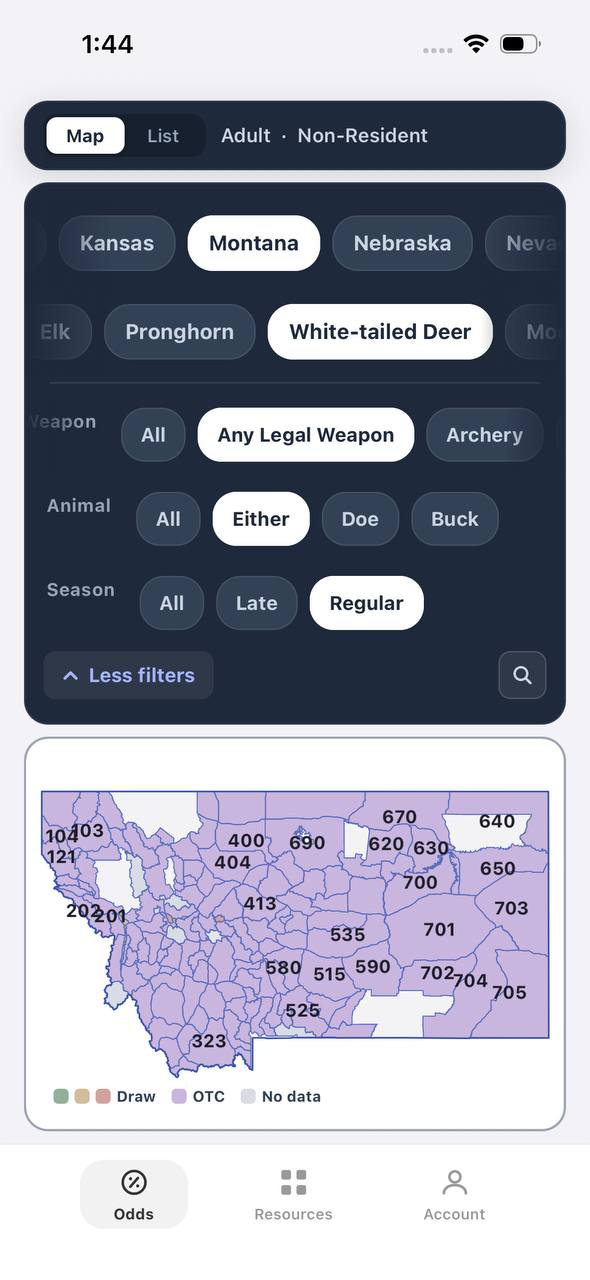
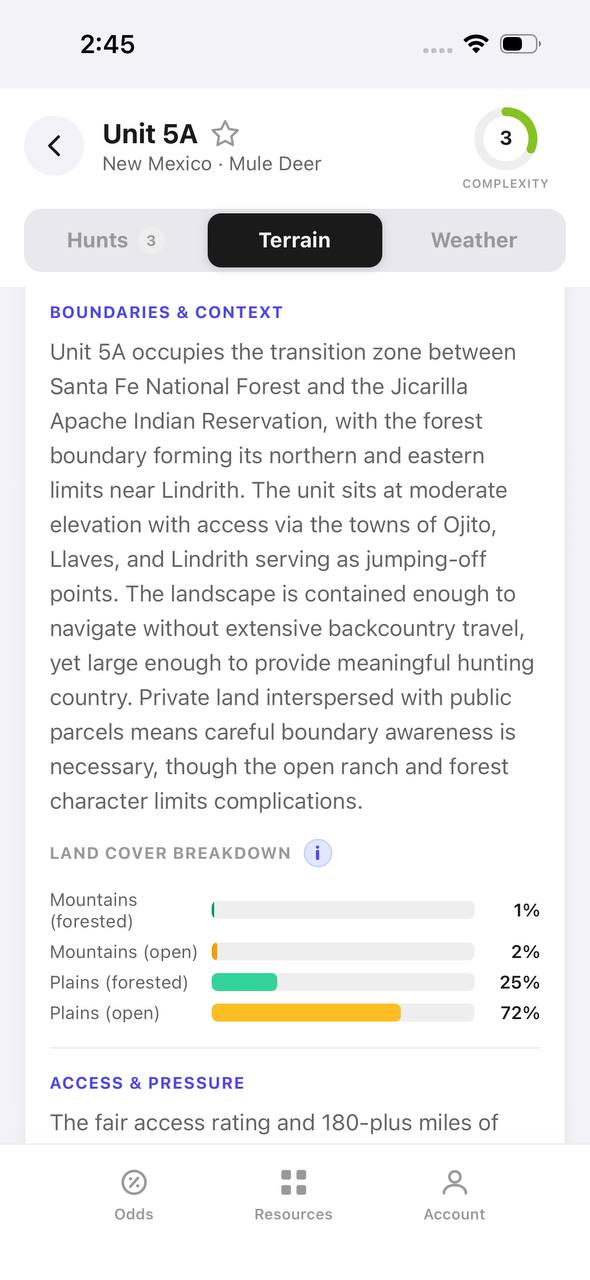
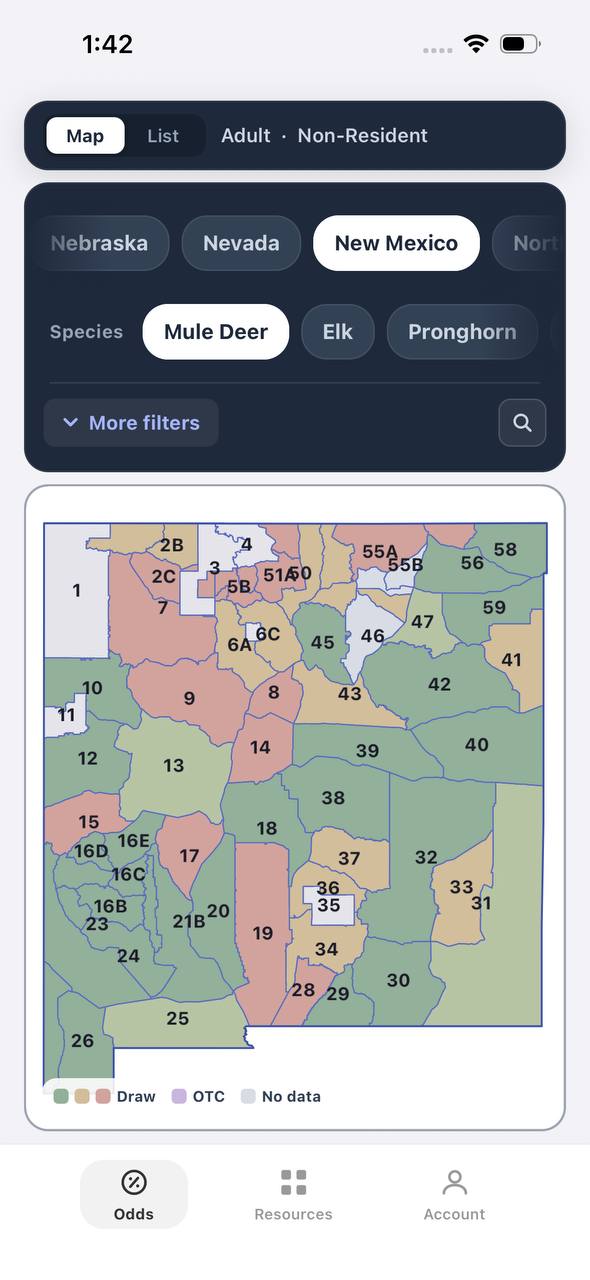
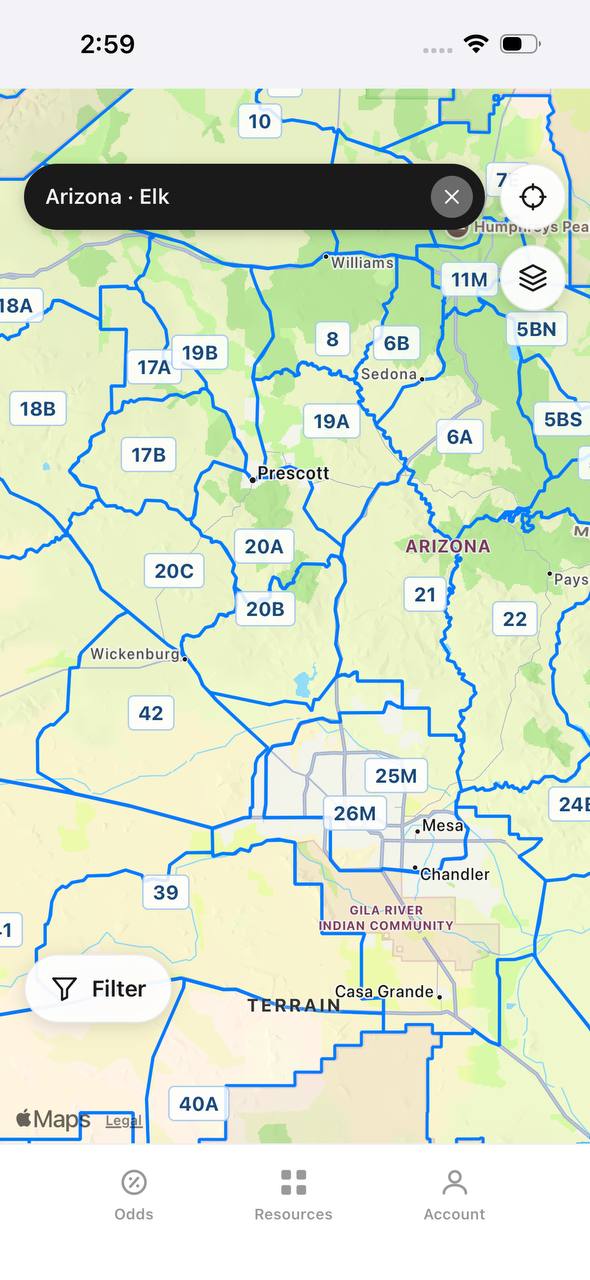
TAGZ provides detailed unit maps showing terrain, public land boundaries, and access points so you can identify glassing knobs and drainage systems before you arrive. The platform tracks your preference points and bonus points across multiple states and alerts you to draw deadlines so you never miss an application window. Compare draw odds side by side to determine whether you should burn points on a premium unit or build for another year.
Whether you are planning your first elk hunt or your twentieth, TAGZ gives you the data to make smarter tag decisions and maximize your limited hunting time.
FAQ — Elk Hunting Optics
What magnification binoculars are best for elk hunting?
Ten-power 42mm binoculars are the standard for elk hunting because they balance magnification, field of view, low-light performance, and stability. Twelve-power binos work better for open-country glassing but require a tripod for extended use. Eight-power binos excel in thick timber and for bow hunters.
Do I need a spotting scope for elk hunting?
A spotting scope is essential if you hunt open country where you glass basins from ridges and need to judge bulls at 800+ yards before committing to a stalk. Spotters are optional for timber hunters or those who never glass past 400 yards. If you glass more than two hours per day during your hunt, a quality spotter pays for itself.
Are expensive binoculars worth it for elk hunting?
Yes, if you hunt elk multiple times per year or plan to use the same binoculars for 10+ years. Premium glass from Swarovski, Leica, and Zeiss provides noticeably better low-light performance, edge-to-edge sharpness, and durability than budget optics. The difference is most apparent during the first and last hour of daylight when elk are most active.
What features matter most in an elk hunting rangefinder?
Speed and angle compensation are the two critical features. Your rangefinder needs to return readings in under two seconds and automatically calculate angle-adjusted distance for mountain terrain. Ranging capability to 1,500+ yards on animals is useful but not essential unless you shoot long range regularly.
Should I buy a binocular rangefinder or keep them separate?
Binocular rangefinders reduce weight and streamline your glassing setup but cost significantly more than separate devices. They make sense for minimalist backcountry hunters or those who want the best possible glass quality in their rangefinder unit. Most hunters are better served by separate binoculars and rangefinder because it costs less and provides more flexibility.
How much should I spend on elk hunting optics?
A functional elk hunting optics setup starts around $1,000 for quality 10x42 binoculars ($600-$700), a solid laser rangefinder ($300-$400), and a harness ($75-$100). Premium setups including alpha-tier binos, high-end rangefinder, and spotting scope run $5,000-$8,000. Most serious elk hunters find the sweet spot around $2,500-$3,500 for binoculars, rangefinder, spotter, and mounting systems that perform well without breaking the bank.
Continue Planning Your Hunt
Quality optics help you make the most of your elk tag once you draw. Choosing which units to apply for and tracking your points across multiple states requires a different set of tools. TAGZ simplifies the western draw system by providing draw odds data, unit research tools, terrain maps, and deadline tracking in one platform. Whether you are chasing your first bull or building points for a trophy unit, TAGZ helps you make smarter application decisions. Explore the platform at getmytagz.com or dive into more hunt planning resources on the TAGZ Insights blog. Check out TAGZ pricing options to see which plan fits your hunting goals, or learn more about how the platform works on the TAGZ product page.
Was this article helpful?
Previous
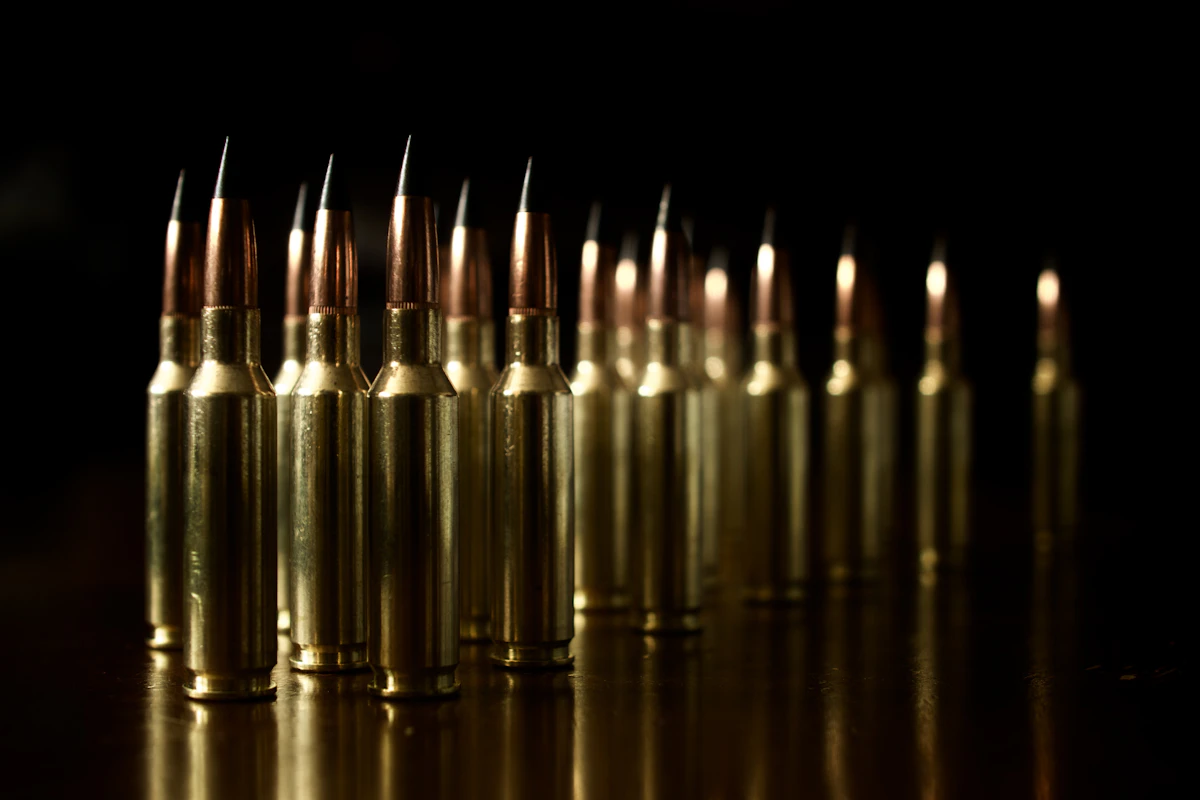
Berger Hybrid Hunter vs Nosler AccuBond: Which Bullet for Western Big Game?
Berger Hybrid Hunters deliver exceptional long-range precision and devastating terminal performance through fragmentation, while Nosler AccuBonds offer proven weight retention and controlled expansion across all impact velocities. Both are proven performers — your choice depends on shot distance, game size, and terminal performance priorities.
Related
Complete Elk Bow Setup Guide 2026: Gear, Tuning & Field-Tested Tips
From draw weight and arrow selection to broadheads and practice routines, this guide covers everything bowhunters need to build a reliable elk setup for 2026 hunts.
Next
Best Rifle Calibers for Sheep Hunting in 2026: Expert Field-Tested Picks
Choosing the right rifle caliber for sheep hunting means balancing long-range precision, wind resistance, and packability for alpine hunts. This guide breaks down the top calibers for Dall, Stone, bighorn, and desert sheep based on real-world mountain performance.