Best Idaho Moose Units to Hunt If You Win the Super Hunt
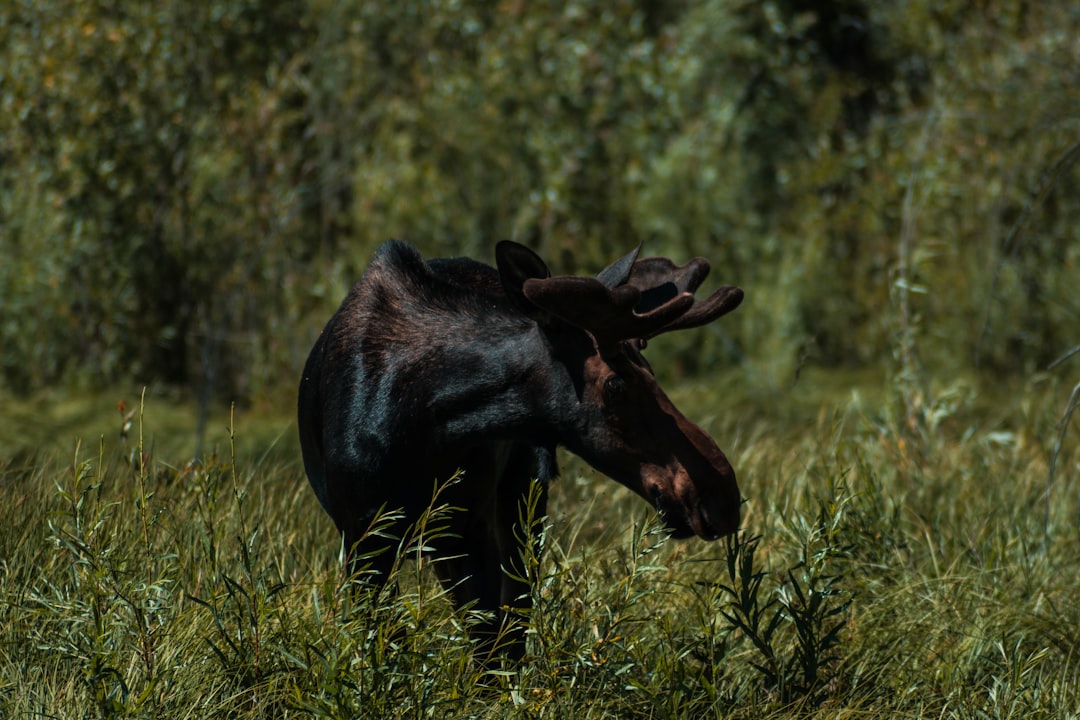
Winning an Idaho Super Hunt moose tag is the dream scenario. Unlike regular controlled hunts that lock you into a single unit and weapon, the Super Hunt moose permit lets you hunt any open moose zone in Idaho during any legal season. You can chase bulls in the Panhandle's cedar swamps, the Clearwater's roadless drainages, or the Island Park caldera — all with the same tag.
But unlimited options create a planning problem. Idaho spans 83,000 square miles and dozens of hunt zones. If you win, you have roughly six months to scout, strategize, and execute. The clock starts the day your name gets drawn.
This guide walks through Idaho's top moose zones for Super Hunt winners, breaking down terrain, access, success rates, and trophy potential. Whether you want the biggest antlers, the highest odds, or the most accessible hunt, you'll leave with a shortlist of units worth your time.
Why the Super Hunt Moose Tag Is Different
Idaho sells Super Hunt tags through fundraising raffles and online lotteries. Proceeds fund habitat work and access projects. Winners receive a controlled hunt permit valid statewide for the species drawn — in this case, Shiras moose.
What makes the tag exceptional:
- Any unit, any season. Hunt archery, rifle, or muzzleloader. Move between units if conditions change. You're not locked into a single September week in Unit 66.
- No preference points required. You don't need a decade of applications. Buy a raffle ticket or enter the lottery, and you're in the mix.
- Valid across all open zones. Idaho manages moose in 17 controlled hunt units plus a few general-season zones. Your tag works in all of them during their respective seasons.
The flexibility is both advantage and burden. You can pivot mid-season if snow closes high country or if a scouting trip reveals better bulls elsewhere. But you also carry the weight of choosing correctly from dozens of options.
Unit 1 — Priest Lake and Selkirk Mountains
Unit 1 covers Idaho's extreme northern panhandle — dense cedar and hemlock forests, subalpine basins, and the roadless Selkirk Range. Moose here live in thick timber and willow-choked drainages. Bulls bed in dark forest pockets and feed in avalanche slides and creek bottoms.
Trophy potential: Moderate to good. Selkirk bulls average 40–50 inches, with occasional 55-inch frames. Antler mass tends to be heavy due to quality forage and low hunting pressure in roadless areas.
Success rates: Controlled hunt permit holders in Unit 1 typically see 60–75% success. Super Hunt winners who scout hard and hunt multiple weeks push higher.
Access and terrain: State Highway 57 runs north to Priest Lake. Forest Service roads branch into the Selkirks, but much of the unit is wilderness or roadless. Plan for backpack hunts or spike camps if you want to escape pressure. Lower elevations along Pack River and upper Priest River offer vehicle-based glassing and still-hunting.
Best strategy: Hunt early September during the rut. Bulls vocalize and respond to cow calls in thick timber. Focus on willow flats near creeks and logged benches where moose feed mornings and evenings. Glass avalanche chutes and clearcuts at dawn.
Unit 4 — St. Joe River Drainage
Unit 4 stretches across the St. Joe River watershed — a roadless expanse of old-growth cedar, dense brush, and high ridges. The St. Joe is one of the West's premier moose strongholds. Bulls here grow heavy palmation and live in country so thick you can bump them at 20 yards and never see more than an ear.
Trophy potential: High. St. Joe bulls regularly crack 50 inches, and 55-plus-inch bulls are taken most years. Habitat quality and low tag numbers produce mature animals.
Success rates: Controlled hunt tags in Unit 4 run 70–80% success. The moose are there. The challenge is terrain and access, not population.
Access and terrain: Forest Road 50 (St. Joe River Road) provides the main access corridor. Side roads spur into drainages, but much of the unit requires hiking or horseback. Expect steep country, wet crossings, and limited cell service. Pack stock helps if you plan to hunt deep.
Best strategy: September rifle or archery during the rut. Bulls cruise drainages searching for cows. Glass burned slopes and willow benches from ridges. Use cow calls sparingly — bulls respond but often hang up in cover. Be ready for close encounters in timber.
Unit 6 — North Fork Clearwater
Unit 6 covers the North Fork Clearwater drainage, including parts of the Selway-Bitterroot Wilderness. It's big, rugged, and holds some of Idaho's best moose densities. Bulls here live in remote basins, high parks, and subalpine meadows.
Trophy potential: Excellent. North Fork bulls average 45–52 inches, with 55-plus-inch bulls taken annually. Old bulls winter in low drainages and summer in high basins near the Bitterroot Divide.
Success rates: 75–85% for rifle hunters who put in the work. Archery hunters face tougher odds due to thick cover and early-season heat.
Access and terrain: Highway 12 parallels the main Clearwater corridor. Side roads like Kelly Creek and Cayuse Creek push into the unit, but much of Unit 6 requires backpacking or stock. Expect vertical relief, creek crossings, and wilderness regulations.
Best strategy: Hunt late September or early October during the rut. Bulls are vocal and mobile. Focus on high willow parks, wet meadows, and subalpine benches. Glass from ridges at dawn and dusk. If you find fresh sign, set up with a cow call and wait.
Unit 8 — Lochsa and Selway Rivers
Unit 8 spans the Lochsa and Selway river drainages — wilderness country with limited road access and high moose quality. This is backcountry hunting at its finest. Bulls summer in high basins and migrate to lower drainages by October.
Trophy potential: Very high. Selway bulls are among Idaho's best, with bulls over 50 inches common and 60-inch bulls possible. Low tag allocation and roadless terrain produce mature animals.
Success rates: 70–80%. The bulls are there, but weather, terrain, and access filter out casual hunters.
Access and terrain: Highway 12 (Lochsa Corridor) offers limited access points. Most of the unit is wilderness. Plan for week-long backpack hunts or outfitter-supported camps. Snow can close high country by mid-October.
Best strategy: September rifle or archery. Bulls rut hard in high basins. Glass subalpine meadows and willow flats from ridges. Use horses or llamas to access deep basins. October hunts can be productive if snow pushes bulls low, but plan for winter weather.
Unit 11 — Clearwater and Potlatch Drainages
Unit 11 sits south of Highway 12 and includes the lower Clearwater and Potlatch river systems. It's more accessible than wilderness units but still holds solid moose numbers. Bulls concentrate in riparian zones and logged benches.
Trophy potential: Moderate. Bulls average 40–48 inches. Not the biggest in Idaho, but respectable and huntable without a week-long pack trip.
Success rates: 65–75%. Lower than wilderness units but still strong. Access and huntable terrain offset slightly lower trophy quality.
Access and terrain: Highway 12 and a network of logging roads provide good vehicle access. You can hunt from a truck or make short hikes into willow bottoms. Less physically demanding than roadless units.
Best strategy: September rifle or archery. Focus on creek bottoms, logged drainages, and wet meadows. Bulls respond to cow calls. Glass clearcuts and willow flats at dawn and dusk. This unit is ideal if you have limited time or want a DIY hunt without horses.
Unit 66 and 66A — Island Park and Yellowstone Border
Unit 66 and 66A cover Island Park, the Henry's Fork drainage, and the Montana-Wyoming border. This is different moose country — subalpine plateaus, lodgepole forests, and willow-lined creeks. Bulls here live near Yellowstone National Park and migrate seasonally.
Trophy potential: Good to very good. Island Park bulls average 45–52 inches. Access to Yellowstone genetics and quality habitat produce solid antlers.
Success rates: 70–80%. The area is well-scouted and popular with locals, but moose densities remain high.
Access and terrain: Highway 20 and a network of forest roads provide easy access. Much of the unit is flat to rolling terrain. You can glass from roads and make short hikes into willow bottoms.
Best strategy: September or early October. Bulls rut in willow flats and along creek corridors. Glass from high points and set up near active feeding areas. Cow calls work well. If weather turns, bulls concentrate in low willow zones near thermal areas.
Units 73, 74, 75 — Salmon River Country
Units 73, 74, and 75 cover the Middle Fork and Main Salmon River drainages. These units are harder to access and see fewer hunters. Moose densities are lower than Panhandle units, but bulls can be exceptional.
Trophy potential: Variable. Bulls average 42–50 inches, with occasional 55-inch bulls. Lower density but less pressure.
Success rates: 60–70%. Success depends on scouting and willingness to hunt remote drainages.
Access and terrain: Limited road access. Plan for backpack hunts or float-hunting the Middle Fork. Some drainages require stock or multi-day hikes.
Best strategy: September rifle or archery. Focus on tributary creeks and high willow parks. Bulls are scattered but respond to calls during the rut. Consider float trips to access remote stretches of the Main Salmon.
How to Plan Your Super Hunt Moose Strategy
Winning the tag is step one. Maximizing it requires a plan. Here's how to approach your hunt:
Start scouting immediately. You have six months from the draw to opening day. Use spring and summer to scout units, talk to biologists, and identify high-probability zones. TAGZ helps you compare terrain, unit boundaries, and historical data side by side so you're not guessing.
Pick two or three backup units. Weather, fire, and snow can close your first-choice zone. Have contingency plans for different elevations and regions.
Hunt the rut. September is peak rut for Idaho moose. Bulls are vocal, mobile, and respond to cow calls. Early-season hunts offer the best shot at finding active bulls.
Use your statewide flexibility. If your first unit doesn't produce, move. You're not locked in. Pivot to a backup zone or chase weather fronts that push bulls into feeding mode.
Consider hiring an outfitter for scouting. Even if you hunt solo, paying an outfitter for a scouting trip or consultation can save weeks of trial and error. Local knowledge is worth the investment on a once-in-a-lifetime tag.
Track your preference points elsewhere. You don't need points for the Super Hunt, but if you're building points in other states, keep tracking them. TAGZ tracks points across multiple states and reminds you of draw deadlines so you never miss an application cycle.
Public Land and Wilderness Access
Most top Idaho moose units are public land — national forest, wilderness, or BLM. Wilderness regulations prohibit mechanized travel, including e-bikes and game carts. Plan for horses, llamas, or backpack hunts if you're hunting roadless areas.
Some units like Island Park and Unit 11 offer more vehicle access, making them ideal for hunters without stock or physical limitations. TAGZ provides unit maps and public land overlays so you can filter hunts by access type and terrain.
Weather and Timing
Idaho moose seasons run from September through early November, depending on the unit. Early-season hunts offer rut activity but warmer temperatures. Late-season hunts bring cooler weather and snow but require planning for winter conditions.
If you draw the Super Hunt tag, prioritize September rifle or archery. Bulls are active, and high-country access is still open. October can be productive but expect snow and road closures in wilderness units.
Gear and Logistics
Moose are big animals. Plan for:
- Meat care: A bull moose yields 400–600 pounds of meat. Pack meat bags, game bags, and a lightweight pack frame for multiple trips. Consider horses or llamas for backcountry hunts.
- Optics: Quality binos and a spotting scope. You'll spend hours glassing willow flats and subalpine basins.
- Clothing: September highs can hit 70°F in low country, but mornings are cold. Layer systems are critical. October requires winter gear — snow and freezing temps are common.
- Navigation: Many units have limited cell service. Carry GPS, OnX, or similar mapping tools. TAGZ integrates unit maps and boundaries so you know exactly where you can hunt.
FAQ — Idaho Super Hunt Moose
What makes the Super Hunt moose tag different from regular controlled hunts?
The Super Hunt tag is valid statewide in any open moose unit during any legal season. You're not locked into a single zone or weapon. Regular controlled hunts restrict you to one unit and one season.
How do I enter the Idaho Super Hunt lottery?
Idaho Fish and Game runs an online Super Hunt lottery annually, and nonprofit groups sell raffle tickets throughout the year. Check the IDFG website for draw dates and participating organizations.
Can I hunt multiple units with the same Super Hunt tag?
Yes. You can move between units during the season. If weather closes your first choice, pivot to a backup zone. The tag is valid anywhere moose hunting is open.
Which Idaho moose unit has the biggest bulls?
Units 4, 6, and 8 in the Panhandle and Clearwater drainages consistently produce bulls over 50 inches. Unit 66 near Island Park also has strong trophy potential. Wilderness units with low tag numbers grow the biggest bulls.
Do I need horses to hunt Idaho moose?
Not necessarily. Units like 11 and 66 offer vehicle access and shorter hikes. Wilderness units like 6 and 8 benefit from stock, but backpack hunts are possible if you're fit and willing to make multiple meat trips.
When is the best time to hunt moose in Idaho with a Super Hunt tag?
September during the rut. Bulls are vocal, mobile, and respond to cow calls. Early October can work, but snow and road closures limit high-country access. Prioritize mid-September for the best combination of rut activity and open terrain.
Continue Planning Your Hunt
Idaho's moose hunting is world-class, but only if you pick the right unit and hunt smart. The Super Hunt tag gives you unlimited flexibility — use it.
TAGZ helps you compare Idaho moose units side by side using terrain maps, unit boundaries, and historical draw data. Track your preference points and bonus points across multiple states so you never miss a draw deadline. Whether you're chasing OTC tags or planning a trophy limited-entry hunt, TAGZ gives you the tools to make smarter decisions before you ever step into the field.
Ready to start planning? Explore unit maps, filter by terrain and access, and build your hunt strategy at getmytagz.com/product. Check out more Western hunting strategies and unit breakdowns on the TAGZ Insights blog, or learn how TAGZ simplifies multi-state applications at getmytagz.com/pricing.
If you win the Super Hunt, the clock starts ticking. Make every day count.
Was this article helpful?
Previous
Best Idaho Pronghorn Units to Hunt If You Win the Super Hunt
Idaho's Super Hunt lottery awards 40 any-weapon pronghorn tags valid in some of the state's most exclusive units. If you draw, you gain access to hunt zones that typically require years of preference points or rarely open to nonresidents.

Next
Best Idaho Elk Units to Hunt If You Win the Super Hunt
Idaho's Super Hunt raffle grants winners access to any elk unit during rifle or archery season. Here's how to maximize your once-in-a-lifetime opportunity by choosing the right unit and timing your hunt strategically.