Best Idaho Elk Units to Hunt If You Win the Super Hunt
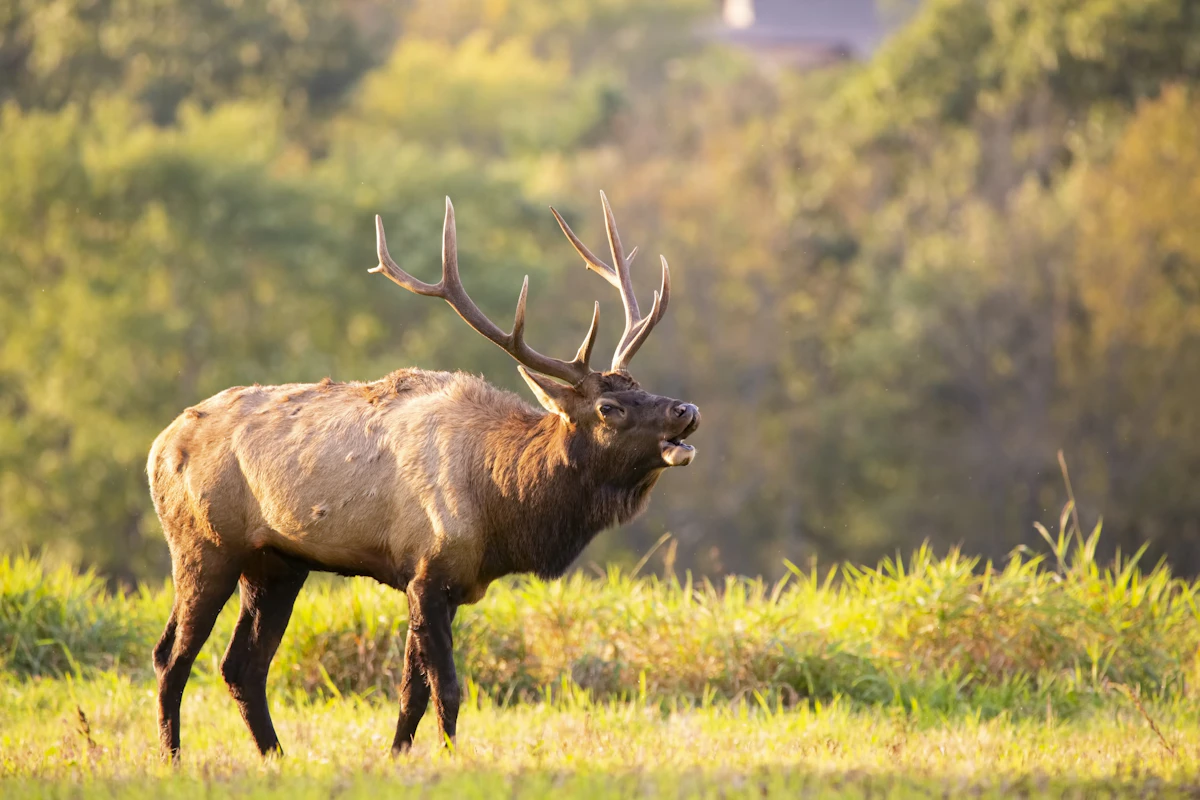
Best Idaho Elk Hunts for a Super Hunt Winner
Winning an Idaho Super Hunt elk tag creates one of the most flexible elk hunting opportunities in the West.
According to Idaho Fish and Game, a Super Hunt winner can participate in any open elk hunt in Idaho, including both general and controlled hunts.
That means a winner isn't locked into one elk zone, one Game Management Unit, or one season.
But the tag doesn't create a separate statewide season.
Super Hunt winners must still follow the dates, hunt boundaries, weapon restrictions, and other rules of whichever Idaho elk hunt they're participating in.
That makes choosing where—and when—to hunt one of the most important decisions a Super Hunt winner will make.
What an Idaho Super Hunt Elk Tag Actually Unlocks
A Super Hunt elk tag isn't simply an upgraded general-season elk tag.
It gives the winner the ability to participate in Idaho's open general and controlled elk hunts.
That's important because some controlled elk hunts provide opportunities that ordinary applicants can only access by successfully drawing the appropriate controlled hunt.
A Super Hunt winner can participate without separately drawing that controlled hunt.
However, all other rules of the hunt still apply.
If a hunt is:
Archery only
Muzzleloader only
Any weapon
Restricted to a specific hunt area
Open only during certain dates
the Super Hunt winner must follow those restrictions.
Think of the tag as providing extraordinary access to Idaho's existing elk hunt structure—not as creating an unrestricted statewide elk season.
Idaho Elk Zones vs. Game Management Units
Idaho elk hunting is organized around both Game Management Units and Elk Management Zones.
Understanding the difference matters when researching a Super Hunt.
For example:
Unit 66 is in the Tex Creek Zone
Unit 66A is in the Diamond Creek Zone
Unit 73 is in the Bannock Zone
Unit 37 is in the Lemhi Zone
Unit 32 is in the Weiser River Zone
Don't assume a Game Management Unit number automatically corresponds to an elk zone with the same name.
Always verify the actual hunt area and season structure before building your hunt.
Unit 66 — Tex Creek Zone
Unit 66 is part of Idaho's Tex Creek Elk Zone, along with Unit 69.
This eastern Idaho country should be evaluated by Super Hunt winners interested in controlled elk opportunities and later-season hunting strategies.
Idaho offers controlled elk hunts involving Unit 66 and surrounding hunt areas, with individual hunts carrying their own dates and weapon restrictions.
A Super Hunt winner could potentially participate in one of these controlled hunts during its legal season without having separately drawn the controlled hunt.
The strategy here shouldn't be based solely on the reputation of "Unit 66."
Instead, evaluate the specific hunt:
Season dates
Hunt boundaries
Bull/cow restrictions
Weapon
Terrain
Public access
Private-land distribution
Weather
Elk movement
A November controlled hunt can require an entirely different strategy from a September archery opportunity.
Unit 66A — Diamond Creek Zone
Unit 66A belongs to Idaho's Diamond Creek Elk Zone, which includes Units 66A and 76.
This is a good example of why Super Hunt winners need to research individual hunts rather than simply selecting a famous unit number.
For 2026, Idaho's hunt structure includes both general archery opportunity and controlled any-weapon hunts involving the Diamond Creek Zone.
A Super Hunt winner could potentially build a season around multiple legal opportunities.
For example, a hunter might evaluate an early archery hunt and then, if unsuccessful, consider a later open controlled hunt.
The hunter would still have to follow the exact dates and weapon restrictions of each hunt.
That's where the Super Hunt's flexibility becomes extremely valuable.
Unit 37 — Lemhi Zone
Unit 37 is part of Idaho's Lemhi Elk Zone, along with Units 29, 37A, and 51.
The Lemhi country provides another very different elk-hunting environment to consider.
Rather than automatically labeling Unit 37 a "trophy unit," a Super Hunt winner should evaluate it based on current biological data, season structure, access, terrain, and recent harvest information.
Look closely at:
Elevation
Road access
Public land
Burn areas
Water
Migration corridors
Hunting pressure
Season timing
Recent harvest statistics
Those factors will tell you far more about whether Unit 37 fits your hunt than an unsupported trophy-score claim.
Unit 32 — Weiser River Zone
Unit 32 is part of Idaho's Weiser River Elk Zone, which includes Units 22, 32, and 32A.
This is another area where the original article incorrectly identified the elk zone.
For a Super Hunt winner, Unit 32 should be considered within the larger context of the Weiser River Zone and the specific open hunts available during the year.
Access and landownership are particularly important considerations when evaluating any Idaho elk hunt.
A hunt that looks attractive based purely on historical harvest numbers may become much less attractive if elk distribution, private property, road access, or hunter pressure doesn't match your hunting style.
Research the actual hunt before committing valuable Super Hunt time to it.
Unit 73 — Bannock Zone
Unit 73 is in Idaho's Bannock Elk Zone, not the Lolo Zone.
The Bannock Zone includes Units:
70, 71, 72, 73, 73A, and 74.
Again, Super Hunt winners should evaluate the specific legal elk hunts available within the zone rather than assuming that possession of the Super Hunt tag means unrestricted hunting throughout the entire zone.
Check current:
Season dates
Hunt-area boundaries
Weapon restrictions
Bull/cow regulations
Access
Public/private land distribution
Harvest information
The Super Hunt gives you flexibility to move between legal open hunts, which means you don't necessarily need to force a hunt in Unit 73 if conditions aren't favorable.
Don't Pick a Super Hunt Area Based Only on Trophy Reputation
Winning a Super Hunt tag naturally makes hunters think about giant bulls.
But choosing a hunt solely because someone online calls it a "350-inch unit" is risky.
Trophy potential can change based on:
Winter severity
Recruitment
Bull survival
Predation
Hunting pressure
Wildfire
Habitat conditions
Season structure
Tag allocation
More importantly, a giant bull somewhere in a unit doesn't mean you'll have a realistic opportunity to find him.
Access and huntability matter.
A slightly less famous area that matches your hunting ability, available time, scouting resources, and preferred weapon could produce a much better hunt.
Controlled Hunts Should Be a Major Part of Your Strategy
This is where a Super Hunt winner has an enormous advantage.
Idaho Fish and Game states that Super Hunt winners can participate in controlled hunts for their species.
You don't have to separately draw that controlled hunt.
That means your research should include Idaho's controlled elk hunt catalog.
Look for hunts offering a combination of:
Favorable season timing
Limited ordinary hunter numbers
Strong elk populations
Good bull opportunity
Manageable access
Suitable terrain
Public land
Weather-driven movement
Instead of asking:
"What's the best Idaho elk unit?"
Ask:
"What are the best open Idaho elk hunts for my Super Hunt tag?"
That's a much better question.
Archery vs. Rifle Strategy
A Super Hunt winner doesn't necessarily have to choose archery or rifle for the entire season.
You can potentially participate in different legal open hunts as the season progresses.
Archery
September opportunities can provide:
Rut activity
Bugling bulls
Calling opportunities
Earlier access to high-elevation country
More aggressive elk behavior
An experienced bowhunter may want to build the first phase of the hunt around rutting elk.
Rifle
Later any-weapon hunts can provide different advantages:
Greater effective range
Weather-driven elk movement
Migration
Reduced foliage
Snow for tracking
Different bull distribution after the rut
The Super Hunt's real advantage is that you can potentially plan around both rather than committing your entire year to one short season.
Build a Multi-Hunt Strategy
Instead of choosing one unit, identify several hunts.
A strong Super Hunt plan might include:
Plan A — September
Identify an open archery hunt with favorable rut opportunity.
Plan B — October
Research an open any-weapon or controlled hunt that fits your objectives.
Plan C — November
Identify a later controlled hunt where weather and migration could improve elk visibility or accessibility.
The exact hunts will depend on that year's Idaho regulations.
If Plan A doesn't produce, you're not necessarily finished.
You can shift to another legal open hunt.
That's one of the biggest advantages of the Super Hunt tag.
Follow the Hunt's Weapon Restrictions
This is critical.
Super Hunt doesn't mean you can carry a rifle into every Idaho elk hunt.
If you're participating in an archery-only hunt, you must comply with that hunt's archery rules.
If you're participating in a muzzleloader hunt, you must use equipment legal for that hunt.
If it's an any-weapon hunt, you can use an appropriate legal weapon.
Always research the individual hunt rather than assuming the Super Hunt tag overrides its restrictions.
Watch Hunt-Area Boundaries
Controlled hunt areas don't always correspond perfectly with individual GMUs.
Some include:
Entire units
Multiple units
Portions of units
Specially defined areas
For example, Idaho's Hunt Planner lists controlled elk hunt areas involving combinations of Units 66, 66A, and 69, while other Diamond Creek hunts involve Units 66A and 76.
A Super Hunt winner needs to know exactly which hunt they're participating in and where its legal boundary lies.
Access Can Matter More Than the Unit
A Super Hunt tag doesn't grant special access to private property.
It also doesn't eliminate:
Road closures
Motorized restrictions
Seasonal closures
Federal land restrictions
Wilderness regulations
Private property boundaries
Study access before selecting a hunt.
A controlled hunt with excellent biological potential may be a poor choice if most of the elk are difficult for you to reach.
Likewise, a less famous hunt with large amounts of accessible public land may provide more realistic opportunity.
Should You Hire an Idaho Outfitter?
It depends on the hunt.
A Super Hunt winner shouldn't automatically assume an outfitter is necessary.
However, professional help can become valuable when hunting:
Remote backcountry
Horse-access country
Areas with difficult pack-outs
Unfamiliar terrain
Hunts requiring extensive scouting
Areas where access is complicated
An outfitter's local knowledge can also help a winner make the most of an exceptionally rare tag.
But plenty of Idaho country can be hunted DIY by experienced hunters who understand the terrain and have sufficient scouting time.
Make the decision based on the hunt—not simply because you won a Super Hunt tag.
How Much Time Should You Spend Hunting?
There's no universal "10-day" or "two-week" rule.
The Super Hunt's flexibility means the best approach may be to hunt several different windows throughout the season rather than one continuous trip.
If your schedule allows it, consider:
Preseason scouting
Early archery hunting
Rut hunting
A later rifle opportunity
A weather-dependent late-season return
A resident may be able to hunt multiple shorter windows.
A nonresident traveling long distances may need to concentrate effort into one or two longer trips.
Build the plan around your actual circumstances.
Use Weather as a Decision Tool
Weather can completely change Idaho elk distribution.
During September, warm temperatures can suppress daytime activity and keep elk near cover and water.
Later in the year, significant snowfall can alter access and move elk toward winter range.
Instead of choosing your entire Super Hunt strategy months in advance and refusing to change, identify backup opportunities.
If conditions aren't favorable in your first hunt area, the Super Hunt gives you something most Idaho elk hunters don't have:
the ability to consider another legal open hunt.
What TAGZ Can Show You
TAGZ can help you compare Idaho hunting opportunities before committing your Super Hunt time to one area.
Research:
Game Management Units
Hunt opportunities
Historical draw information
Terrain
Unit boundaries
Season structure
Weapon type
Public-land considerations
For a normal controlled-hunt applicant, draw probability is one of the biggest constraints.
For a Super Hunt winner, the question changes.
You're trying to identify which available hunt provides the best combination of timing, terrain, access, elk opportunity, and hunting style.
That's a powerful problem to have.
FAQ — Idaho Super Hunt Elk Strategy
Can an Idaho Super Hunt elk winner hunt controlled elk hunts?
Yes. Idaho Fish and Game states that Super Hunt winners can participate in any open hunt in Idaho for the species they drew, including controlled hunts.
Do I need to separately draw the controlled elk hunt?
No. A Super Hunt winner can participate in an open controlled hunt without separately drawing that controlled hunt.
Can I hunt multiple Idaho elk units?
Yes, provided you're participating in legal open hunts and haven't filled your Super Hunt elk tag.
Can I hunt both archery and rifle seasons?
Potentially, yes. You can participate in different legal open hunts as they occur. You must follow the weapon restrictions and dates of each hunt.
Is Unit 66 in the Middle Fork Zone?
No. Unit 66 is part of the Tex Creek Elk Zone.
Is Unit 66A in the Frank Church Wilderness?
No. Unit 66A is part of the Diamond Creek Elk Zone, along with Unit 76.
Is Unit 73 in the Lolo Zone?
No. Unit 73 is part of the Bannock Elk Zone. Idaho's Lolo Zone consists of Units 10 and 12.
Is Unit 37 in the Sawtooth Zone?
No. Unit 37 is part of the Lemhi Elk Zone. Idaho's Sawtooth Zone consists of Units 33, 34, 35, and 36.
Is Unit 32 in the Diamond Creek Zone?
No. Unit 32 is part of the Weiser River Elk Zone. Diamond Creek consists of Units 66A and 76.
What's the best Idaho elk unit for a Super Hunt winner?
There isn't one universally best unit. A better strategy is to compare specific open hunts based on season timing, elk population, access, terrain, hunter pressure, public land, weapon restrictions, and your hunting style.
Continue Planning Your Idaho Super Hunt
Winning an Idaho Super Hunt elk tag gives you something more valuable than access to one famous unit:
options.
You can participate in Idaho's open general and controlled elk hunts, provided you follow the rules of each hunt.
Don't waste that flexibility by blindly choosing the unit with the biggest trophy reputation.
Research multiple hunts. Build an archery strategy. Build a rifle strategy. Have backup areas. Watch the weather. Understand access. And be willing to change plans when conditions change.
Use TAGZ to research Idaho hunting opportunities and build your hunt strategy.
Explore more Idaho elk hunting and Western draw content through the TAGZ Insights blog, or use the TAGZ platform to compare Idaho hunt opportunities.
Before hunting, verify the current season dates, hunt boundaries, and regulations directly through Idaho Fish and Game.
Was this article helpful?
Previous
Can You Hunt Any Unit With an Idaho Super Hunt Tag?
Idaho Super Hunt tags unlock premium hunting opportunities, but they come with specific unit restrictions. Understanding which units your tag covers—and which require separate permits—is critical for planning a successful hunt.
Next
How Many Idaho Super Hunt Entries Should You Buy?
Idaho's Super Hunt Raffle offers guaranteed tags for elk, deer, and pronghorn, but buying more entries doesn't always mean better odds. We break down the math, strategy, and whether the $10-per-ticket gamble is worth it for your hunting goals.