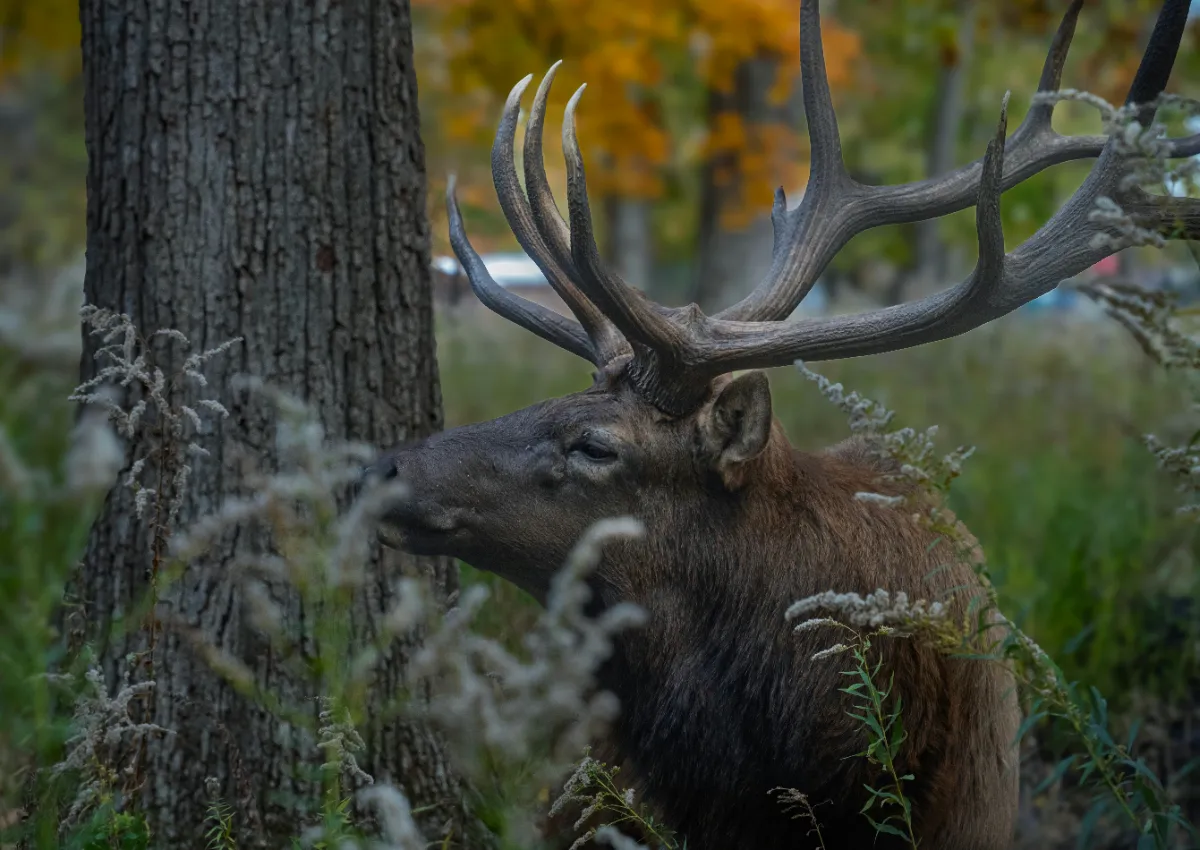
Best Arrow Weight for Elk Hunting — Complete Arrow Setup Guide
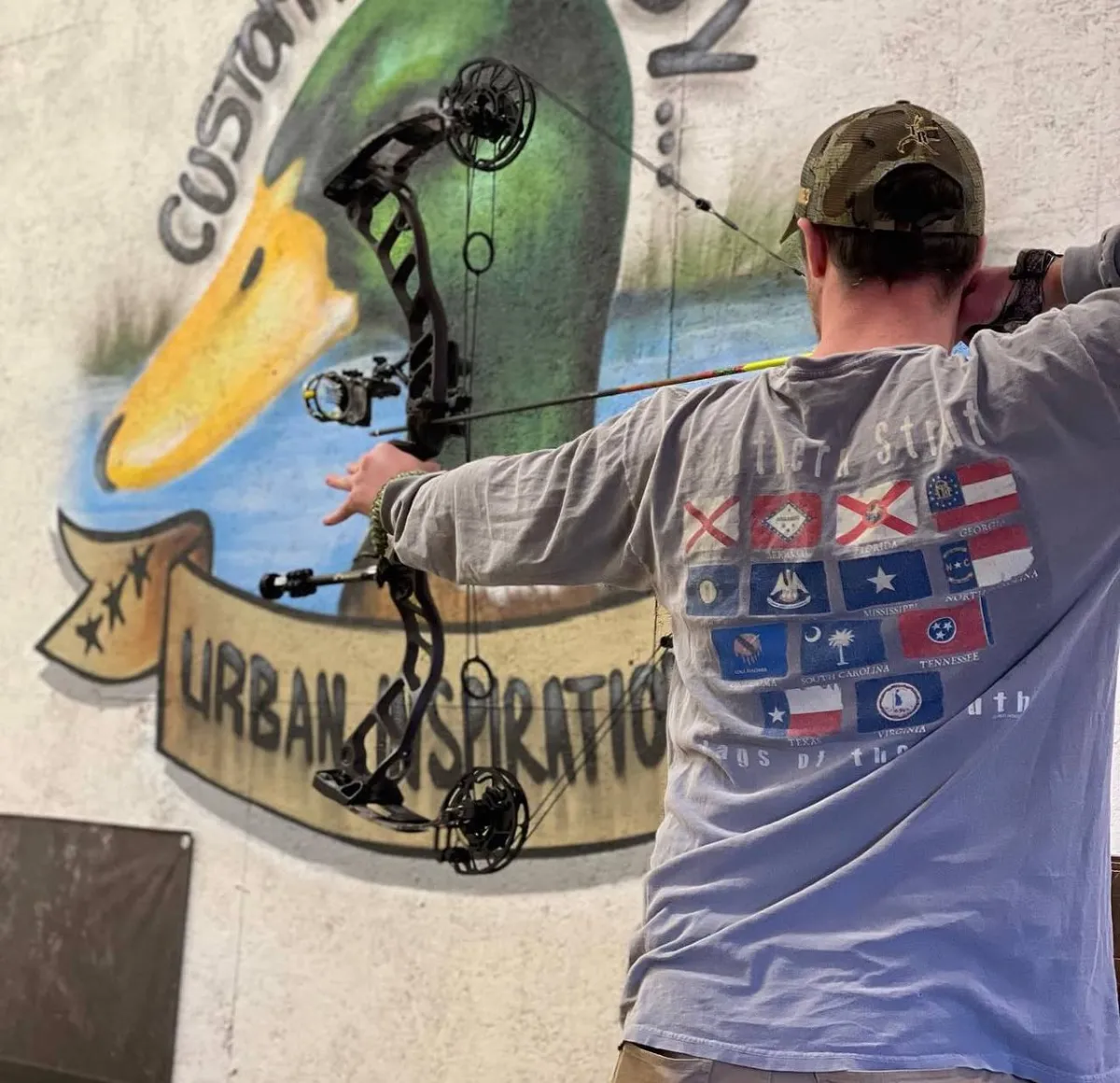
Few topics start more arguments in elk camp than arrow weight. One hunter swears by a light, fast setup, another won't shoot anything under 600 grains, and a third is running a heavy FOC arrow pushing 700. The honest answer is that there's no single perfect weight. The best elk arrow is the one that tunes correctly, flies accurately, penetrates consistently, and matches your bow, because a perfectly tuned 475-grain arrow will outperform a poorly tuned 650-grain arrow every single time. Weight matters, just not as much as the internet thinks, and accuracy stays king.
How weight actually performs
Arrow weight touches nearly everything: speed, penetration, wind drift, momentum, kinetic energy, broadhead flight, and noise. Most hunters fixate on speed, but the best elk hunters chase performance instead. Setups fall into three camps. Lightweight arrows under 425 grains are built for speed, with a flatter trajectory and easy yardage forgiveness, but they give up penetration, drift more in wind, and punish tuning errors, which is why experienced elk hunters mostly avoid them on an animal this large. Midweight arrows of 450 to 550 grains are where most successful elk hunters live, balancing strong penetration, good speed, better broadhead control, and reduced wind drift. Heavy arrows from 550 up past 700 grains deliver exceptional penetration and momentum at the cost of speed and a more demanding trajectory, and they work beautifully when tuned right.
Energy, momentum, and the sweet spot
Hunters love to talk kinetic energy, the energy created by speed and mass, but most modern elk setups already make more than enough, and the gap between 80 and 95 foot-pounds matters far less than where the arrow lands. Momentum, an arrow's ability to keep driving through resistance, is the more useful measure, because when a broadhead meets shoulder blade, ribs, and heavy muscle, that forward push is what carries it through. For most hunters the ideal elk arrow lands in the 475 to 550 grain range, which combines excellent penetration, forgiving flight, reliable broadhead performance, and practical speed. Pairing that with some front-of-center weight, where standard FOC runs 8 to 12 percent, moderate 12 to 15, and high 15 to 20-plus, helps too, and most elk hunters settle around 12 to 18 percent.
Matching weight to your setup
Your broadhead is part of the equation, since head grain changes total weight. The 100-grain head is most popular, 125-grain heads are increasingly common for added front-end weight, and 150-grain heads show up in heavy-arrow systems. Draw weight guides the choice as well: a 50 to 60 pound bow pairs well with 425 to 500 grain arrows, 60 to 70 pounds with 475 to 550, and 70 to 80 pounds with 500 to 600. By species, whitetails do fine with 400 to 500 grains, mule deer 425 to 525, black bears 450 to 550, elk 475 to 600, and moose 500 to 650, with bigger animals rewarding more momentum. A few proven elk builds: a balanced arrow with a 300 spine, 50-grain insert, and 100-grain head runs roughly 475 to 500 grains; a heavier build with a 250 spine, 75-grain insert, and 125-grain head lands near 550; and an extreme-penetration setup with a 250 spine, 100-grain insert, and 150-grain head tops 600.
Don't overthink it
Faster shoots flatter and heavier penetrates better, so the goal is balance, and since most elk are killed inside 40 yards, penetration usually matters more than speed. Fixed blades especially benefit from heavier arrows and higher FOC, and many experienced hunters prefer them for reliability. The common mistakes are chasing speed, ignoring tuning, shooting underspined arrows, and getting lost in online debates. Build a setup you shoot well, then point it at the right country, TAGZ helps you research units, draw odds, and hunt plans so you're ready when a bull steps in.
Was this article helpful?
Previous
Best Spotting Scopes for Western Hunting — Complete Buyer's Guide
A spotting scope helps hunters evaluate animals, save miles of hiking, and make better decisions in the field. Most western hunters benefit from either a versatile 65mm spotter or a powerful 85mm model depending on the species they pursue and the terrain they hunt.
Next
Public Land Access Strategy: Real Tactics for 2026 Western Hunts
Public land hunting is more challenging than ever. Learn how to approach access, pressure, and scouting for a smarter 2026 hunt.