Alaska Wolf Hunting 2027: Regulations, Seasons, and Where to Hunt
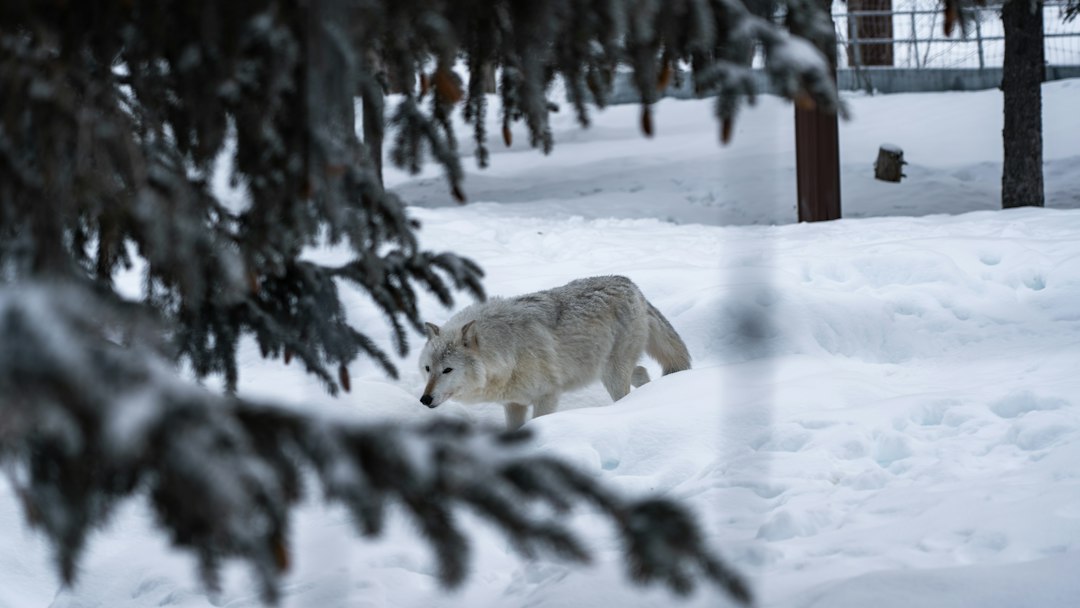
Alaska remains one of the few places in North America where hunters can pursue wolves with minimal barriers. Most of the state operates under liberal regulations: no drawing, no lottery, generous bag limits, and seasons that run much of the year. Nonresidents can hunt wolves in many units without a guide, though some areas require one. The 2026–2027 season structure carries forward Alaska's traditional approach to wolf management, emphasizing hunter opportunity while supporting predator control objectives in targeted game management units.
Alaska Wolf Season Dates and Bag Limits
For most of Alaska, the wolf season runs from August 10, 2026, through April 30, 2027. Some units have extended seasons or year-round opportunities. Bag limits vary by unit but are generous across the board — many areas allow five to ten wolves per hunter, with no seasonal cap in certain zones. Units 9, 17, and 19D, for example, historically allow ten wolves with no closed season. Units in Southeast Alaska and some coastal regions have shorter seasons aligned with other big-game hunts. Check the Alaska Department of Fish and Game hunt regulations for your target unit before planning a trip, as a small number of units impose specific restrictions tied to predator control programs or local management goals.
Resident vs. Nonresident Requirements
Alaska residents can hunt wolves statewide without a guide. Nonresidents face more restrictions. In most units, nonresidents can hunt wolves without a guide, but certain areas — primarily those also requiring guides for brown bear and grizzly — extend that requirement to wolves. Units 5, 9, 10 (Unimak Island), 17, 18, 22, 23, 24, and 26A require nonresidents to either hire a registered guide or hunt with a close relative who is an Alaska resident. This is a small subset of the state; the majority of Alaska's wolf range remains open to unguided nonresident hunters. Nonresident hunters must also purchase a nonresident hunting license and a nonresident wolf tag, which together cost approximately $160 as of the 2026–2027 season. Residents pay significantly less. All hunters — resident and nonresident — must seal wolf hides within 30 days of harvest and submit the hide to an Alaska Department of Fish and Game office for inspection and tagging.
Best Units for Wolf Hunting
Units in Interior and Western Alaska consistently offer the highest wolf densities and longest seasons. Unit 20A, encompassing the Fairbanks area and much of the Tanana Valley, supports a stable wolf population and is accessible by road. Unit 13, covering the Nelchina Basin and Copper River drainage, offers good wolf numbers and coincides with moose and caribou hunting, increasing the chance of encounters. Unit 16, in Southwest Alaska, has high wolf numbers tied to moose populations and operates under liberal bag limits. Southeast Alaska units (1, 2, 3, 4, and 5) have shorter seasons and lower bag limits but can be hunted by nonresidents without a guide in most cases. Hunters targeting wolves often plan trips around moose or caribou hunts, as wolf sign is more likely where ungulate populations concentrate. Coastal units generally support lower wolf densities due to habitat and prey distribution, while Interior units near drainages with moose offer better odds.
Calling, Tracking, and Spot-and-Stalk Tactics
Wolf hunting in Alaska rewards patience and adaptability. Calling — using predator calls mimicking injured prey or howling to locate packs — works best in early season when wolves are more vocal and before heavy snow limits movement. Snow tracking is the most common method once winter sets in. Fresh snow reveals travel routes, kill sites, and pack size. Hunters glassing open tundra, frozen rivers, and ridgelines can spot wolves at long distances, then plan stalks or ambushes along travel corridors. Wolves often follow game trails, frozen drainages, and shorelines, making these natural funnels productive ambush points. Some hunters time their trips to coincide with moose or caribou hunts, increasing the likelihood of encountering wolves near ungulate concentrations. Trapping is also legal during specified seasons, and some hunters use both methods. Wolves are wary and cover huge distances, so success rates are lower than for most big game, but persistent hunters willing to cover ground and read sign will find opportunities.


Free to join
Download mobile app
- Detailed draw odds
- Point tracking
- Deadline reminders
- 19 states covered





Free to join
Download mobile app
- Detailed draw odds
- Point tracking
- Deadline reminders
- 19 states covered






Free to join
Download mobile app
- Detailed draw odds
- Point tracking
- Deadline reminders
- 19 states covered

Nonresident Planning and Logistics
Nonresident hunters planning a wolf hunt should start by selecting a unit that does not require a guide unless they intend to hire one. Access is a major consideration. Some of the best wolf units are remote and require a bush plane charter, snowmachine, or boat. Units near road systems — such as portions of 20A, 13, and 20D — allow drive-in access, reducing costs and logistical complexity. Hunters should plan for cold-weather gear, as prime wolf hunting coincides with Alaska's winter. Temperatures can drop well below zero, and daylight is limited from November through February. Combining a wolf hunt with a moose or caribou hunt in the fall increases efficiency and opportunity. Many hunters book combination hunts targeting caribou in August or September, then pursue wolves opportunistically. Those hunting unguided should be self-sufficient: capable of winter camping, navigating in limited visibility, and field-judging wolf sign. Hiring a transporter for access, even when not required to hire a guide, can open up remote units with better wolf densities.
Sealing Requirements and Reporting
Alaska requires all harvested wolves to be sealed. Hunters must present the untanned hide with skull attached to an Alaska Department of Fish and Game office within 30 days of harvest. The agency inspects the hide, collects biological data, and affixes a permanent locking tag. This process is mandatory for both residents and nonresidents. Failure to seal a hide is a violation. Sealing locations are listed in the Alaska hunting regulations and include regional Fish and Game offices in Fairbanks, Anchorage, Juneau, and other hub towns. Hunters should plan their itinerary to allow time for sealing before leaving the state. Some hunters arrange to have hides sealed by a proxy if they must leave Alaska before the 30-day window closes, but this requires careful coordination. The sealing data contributes to Alaska's wolf population monitoring and informs future management decisions. Hunters should also retain their wolf tag and be prepared to show it during any law enforcement contact in the field.
FAQ — Alaska Wolf Hunting
Can nonresidents hunt wolves in Alaska without a guide?
Yes, in most units. Only a small number of areas — primarily those requiring guides for brown bear — also require a guide or resident relative for wolf hunting. The majority of the state is open to unguided nonresident wolf hunters.
How much does a nonresident wolf tag cost in Alaska?
A nonresident wolf tag costs approximately $60, and a nonresident hunting license costs about $100, for a combined total near $160 as of the 2026–2027 season.
What is the bag limit for wolves in Alaska?
Bag limits vary by unit. Many Interior and Western Alaska units allow five to ten wolves per hunter, with some zones having no seasonal limit. Southeast and some coastal units have lower limits, often one to three wolves.
When is the best time to hunt wolves in Alaska?
Early season (August through October) is good for calling and glassing, while winter (November through March) offers snow tracking and visibility advantages. Many hunters combine wolf hunting with moose or caribou seasons in the fall.
Do I need to seal a wolf hide in Alaska?
Yes. All wolf hides must be sealed at an Alaska Department of Fish and Game office within 30 days of harvest, regardless of whether you are a resident or nonresident.
Which Alaska units have the best wolf populations?
Units 13, 16, 19, 20A, and 20D consistently support high wolf numbers. These Interior and Western units also have long seasons and liberal bag limits, making them popular for both residents and nonresidents.
Was this article helpful?
Previous
Public Land Elk Hunting in Oregon: 2027 Units, Tags & Draw Strategy
Oregon offers 450,000+ acres of public elk habitat spanning general and controlled hunt units. Success hinges on weapon choice, unit selection, and understanding Oregon's preference point system for premium tags.

Related
Rifle Elk Hunting in Montana: Units, Draws, and OTC Strategies for 2025
Montana offers both general rifle elk tags and limited-entry permits across diverse terrain. Success depends on understanding the combination license draw, choosing between general and LE units, and timing your hunt around rut and weather.
Next
Best Elk Hunting in Wyoming: Top Units and Strategies for 2027
Wyoming offers exceptional elk hunting across general and limited-quota areas, with top units like 100, 90, and the wilderness zones of Region G delivering consistent trophy opportunities and high success rates for both residents and nonresidents.