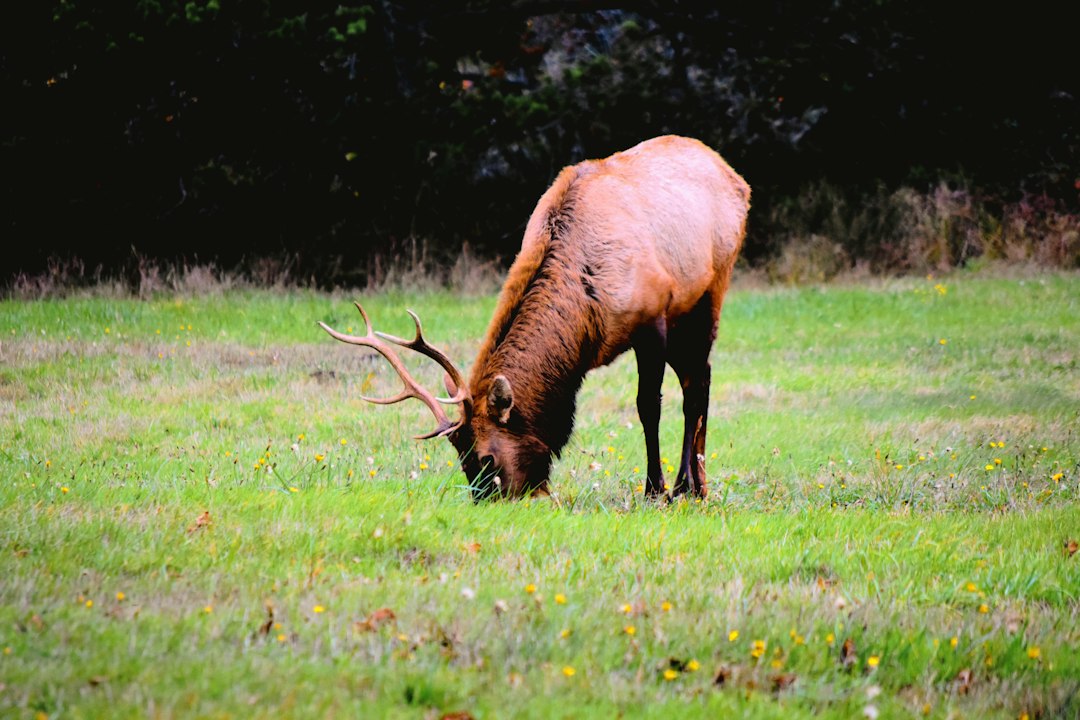
9 Critical Questions to Ask Before Booking a Western Canadian Moose Hunt
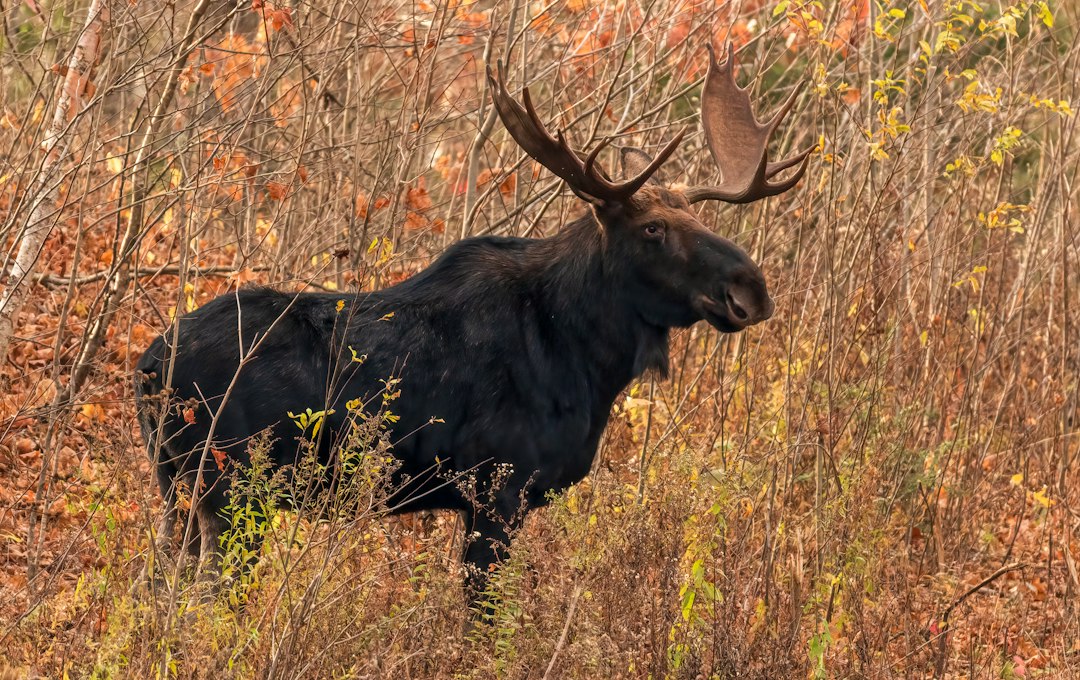
Western Canada — British Columbia, Alberta, and Yukon — produces some of the largest moose in North America, with mature bulls regularly carrying 50-inch-plus antlers. The region attracts hunters from across the continent, but booking the right hunt requires more than scanning brochures and comparing trophy photos. Outfitter quality, hunt structure, and hidden logistics vary dramatically. The difference between a well-run hunt and a frustrating week in camp often comes down to the questions you ask before signing a contract.
What Species and Subspecies Are You Targeting?
Western Canada is home to multiple moose subspecies, and the distinction matters. Shiras moose, found in parts of southern British Columbia and Alberta, are the smallest North American subspecies, with bulls topping out around 40 inches. Canada moose, found across central and northern BC and much of Alberta, run larger — mature bulls often exceed 50 inches. Alaska-Yukon moose, hunted primarily in Yukon and extreme northern BC, are the giants of the family, with top-end bulls pushing 65 inches or more.
Make sure the outfitter is clear about which subspecies you will be hunting. Some operations market "Canadian moose" without specifying the region or realistic antler expectations. If you are chasing a 60-inch bull, you need to be hunting Alaska-Yukon moose in the right region, not booking a hunt in southern BC and hoping for the best.
What Does the License and Tag Process Look Like?
Canadian moose hunting involves navigating both federal and provincial or territorial regulations. Nonresident hunters cannot hunt big game in Canada without hiring a licensed outfitter or hunting with a blood relative who is a Canadian resident. The outfitter handles most of the licensing logistics, but you need to understand the timeline, costs, and requirements.
Ask whether the hunt price includes the moose tag or if it is an additional expense. In some provinces, the tag is built into the package; in others, you pay it separately upon arrival. Confirm whether you need to apply for a draw or if the tag is guaranteed. Most outfitted moose hunts in BC, Alberta, and Yukon operate on a first-come, first-served basis for nonresidents booking through licensed outfitters, but some limited areas still require a draw.
Also clarify what happens if you do not harvest a moose. Some outfitters offer partial refunds or discounted return hunts if you do not fill your tag. Others do not. Know the policy before you commit.
What Is the Outfitter's Success Rate — and How Do They Define It?
Success rates are one of the most manipulated statistics in the hunting industry. An outfitter claiming an 80 percent success rate might mean 80 percent of hunters see a legal bull, 80 percent get a shot opportunity, or 80 percent actually tag an animal. The difference is not trivial.
Ask for the outfitter's success rate over the past three to five seasons, and clarify exactly what the number represents. Request a breakdown by weapon type if you are hunting with a bow or rifle. Archery success rates are typically lower than rifle rates, and some outfitters lump them together to inflate the overall number.
Also ask about trophy quality. A high success rate means little if most bulls are young or small. Request average antler measurements and ask what percentage of harvested bulls score above specific benchmarks — 45 inches, 50 inches, 55 inches. Reputable outfitters track this data and are willing to share it.
What Type of Hunt Are You Offering — Spot and Stalk, Calling, Stand Hunting, or a Combination?
Moose hunting tactics vary by region, season, and terrain. Some outfitters specialize in spot-and-stalk hunting from riverbanks or clearcuts. Others focus on calling during the rut, when bulls respond aggressively to cow calls and raking. Still others rely on tree stands or ground blinds over bait, waterholes, or natural travel corridors.
Understand the primary tactic before you book. If you want the experience of calling in a bull during the rut, do not book a late-season hunt that relies on glassing frozen muskeg. If you prefer still-hunting through timber, do not sign up for a hunt that involves sitting in a stand all day.
Also ask how much ground you will cover. Some hunts involve ATVs, horses, or boats to access remote areas. Others keep hunters within walking distance of camp. The level of physical exertion varies widely, and you need to know what you are signing up for.


Free to join
Download mobile app
- Detailed draw odds
- Point tracking
- Deadline reminders
- 19 states covered





Free to join
Download mobile app
- Detailed draw odds
- Point tracking
- Deadline reminders
- 19 states covered






Free to join
Download mobile app
- Detailed draw odds
- Point tracking
- Deadline reminders
- 19 states covered

What Are the Accommodations and What Is Included in the Hunt Price?
Outfitted moose hunts range from wall-tent camps with wood stoves to full-service lodges with hot showers and home-cooked meals. Neither is better or worse — it depends on what you want and what you are paying for. Ask for specifics about camp setup, sleeping arrangements, meal quality, and amenities.
Confirm what is included in the hunt price. Most packages cover lodging, meals, guide services, and in-field transportation. Some include airport or town pickup, meat processing, and trophy care. Others charge extra for these services. Ask about trophy fees, gratuities, licenses, tags, and any other potential add-ons. A hunt advertised at six thousand dollars can easily climb to eight thousand once you add mandatory extras.
Also ask about the guide-to-hunter ratio. Some outfitters run one guide per hunter. Others operate on a two-to-one ratio, meaning you share your guide with another hunter. Shared guiding is not necessarily a problem, but it affects the pace and flexibility of the hunt.
How Do You Handle Meat Care and Trophy Prep in the Field?
Moose are massive animals. A mature bull can weigh 1,200 pounds on the hoof, and field care becomes a logistical challenge. Ask how the outfitter handles meat and trophy care after the shot. Do they pack the animal out whole using horses or ATVs, or do they quarter it in the field? How quickly can they get the meat cooled and hung?
Also ask about trophy preparation. Will the outfitter cape the animal for a shoulder mount, or do you need to arrange that separately? How do they handle antler transport? Some outfitters include skull cleaning and antler preparation; others leave it to you. If you are flying home, confirm whether the outfitter can help arrange shipping or packaging for oversized antlers.
What Is Your Cancellation and Weather-Delay Policy?
Weather in western Canada can be unpredictable, especially in Yukon and northern BC. Flights get delayed, rivers flood, and early snowstorms can shut down access roads. Ask what happens if weather prevents you from reaching camp on time or forces an early evacuation. Will the outfitter extend your hunt, offer a partial refund, or reschedule for the following season?
Also clarify the cancellation policy. If you need to cancel due to a medical emergency or family issue, what percentage of your deposit is refundable? Some outfitters offer full refunds up to a certain date; others keep the deposit regardless of circumstances. Know the terms before you sign.
Can You Provide References from Recent Clients?
Reputable outfitters have no problem connecting you with past clients. Ask for three to five references from hunters who booked within the past two seasons. Contact them and ask specific questions: Was the hunt as advertised? How was the guide quality? Did the outfitter deliver on promises? Would you book again?
Pay attention to patterns. One disappointed client might have had bad luck or unrealistic expectations. Multiple clients reporting the same issues — poor equipment, disorganized logistics, or low game sightings — signal deeper problems.
Also check online reviews and hunting forums, but take them with a grain of salt. Some negative reviews come from hunters who refused to put in effort or expected guaranteed success. Some glowing reviews come from friends or family. References you contact directly give you the clearest picture.
What Happens If I Do Not Harvest a Moose — Do You Offer a Rebook or Partial Refund?
No hunt guarantees success, but some outfitters offer rebook policies or partial refunds if you do not tag an animal. Ask whether the outfitter provides any compensation if you go home empty-handed. Some offer a discounted or free return hunt the following season. Others refund a percentage of the hunt cost. Many offer nothing.
Understand the terms clearly. Some rebook policies only apply if you do not see a legal bull. Others apply if you see a bull but do not get a shot. Still others require you to pass on bulls below a certain size. Know the threshold before you agree to it.
Also ask what constitutes a missed opportunity. If you wound a bull and do not recover it, most outfitters consider that a filled tag. If your guide makes a poor call that costs you a shot, the policy might not apply. Clarify the gray areas up front.
FAQ — Canadian Moose Hunts
Do I need a licensed outfitter to hunt moose in Canada?
Yes, unless you are hunting with a blood relative who is a Canadian resident. Nonresident hunters must book through a licensed outfitter to hunt big game in British Columbia, Alberta, and Yukon.
What is the best time to hunt moose in western Canada?
September is peak rut across most of western Canada, offering the best calling opportunities and active bulls. Early October can also be productive, especially in northern regions where the rut runs slightly later.
How much does a guided moose hunt in Canada cost?
Guided moose hunts in BC, Alberta, and Yukon typically range from five thousand to twelve thousand dollars depending on region, accommodations, hunt length, and trophy potential. Alaska-Yukon moose hunts in remote areas cost more than Shiras moose hunts in accessible zones.
Can I bring meat and antlers home from Canada?
Yes. You can bring moose meat and antlers back to the U.S., but you must declare them at the border and provide proof of legal harvest. Some outfitters help arrange shipping for meat and oversized antlers.
What is the average antler size for a mature Canada moose?
Mature Canada moose bulls in BC and Alberta typically carry antlers between 45 and 55 inches, with top-end bulls exceeding 60 inches. Alaska-Yukon moose in Yukon and northern BC run larger, with mature bulls often surpassing 55 inches.
What should I do if an outfitter will not provide references?
Move on. Any legitimate outfitter with a solid track record will connect you with past clients. Refusing to provide references is a red flag that the operation has poor reviews or unhappy hunters.
Was this article helpful?
Previous
Washington Rifle Elk Hunting 2027: Draw Odds, General Season Options, and Where to Hunt
Washington offers both general-season rifle elk opportunities and competitive special-permit hunts in 2027. Understanding the difference between general seasons and special permits—and knowing which units favor DIY public-land hunters—is essential for planning a successful Washington elk hunt.
Related
Alaska Moose Hunting Guide 2027: Drawing, Permits & Prime Units
Alaska offers both general-season moose hunting and controlled permit hunts for nonresidents. Most hunts require a registered guide, while resident hunters enjoy broader access across the state's most productive units.
Next
DIY Elk Hunting in Oregon: 2027 Complete Guide
Oregon offers accessible DIY elk hunting through general season tags and controlled hunts across diverse terrain. Learn how to navigate the draw system, choose between OTC and controlled tags, and scout productive public land units.