Wyoming Nonresident Elk Draw Odds 2027: Complete Application Guide
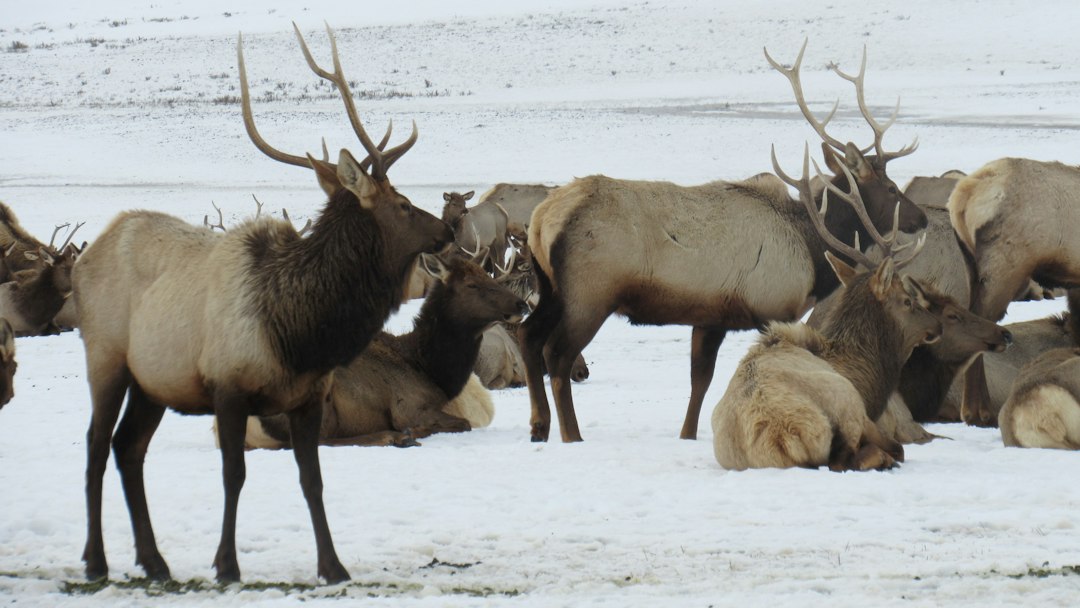
Wyoming offers nonresident elk hunters one of the West's most flexible draw systems, with opportunities ranging from high-demand limited-quota units to general-license areas that draw with zero points in the special-fee tier. For 2027, the state allocates up to 16% of full-price elk licenses to nonresidents in the initial draw, with special-fee applicants competing in a separate pool that historically offers 2–5 times better odds on the same hunts. First-choice applications receive priority over second and third choices, making strategic unit selection and fee-tier choice critical to draw success.
How the Wyoming Elk Draw Works
Wyoming runs a preference point system for elk. Each unsuccessful application earns one point, which carries forward to future years. When multiple applicants compete for the same hunt, higher point totals draw first. Within each point tier, the draw is random. Importantly, Wyoming offers two fee structures: regular-priced licenses and special-priced licenses. Special-fee elk licenses cost significantly more (approximately $1,258 compared to $692 for regular), but the special pool typically has far fewer applicants, yielding substantially better draw odds for the same hunt codes.
Nonresidents may apply for up to three hunt choices on a single application. Only the first choice counts toward point accumulation if unsuccessful. If you draw your second or third choice, you still burn your points, so most serious applicants build their application around a strong first choice and use subsequent choices for backup options or point-banking strategies.
Regular vs. Special Draw: The Odds Gap
The special-fee tier consistently delivers higher draw odds across nearly all hunt areas. In recent years, general-license elk areas in regions with moderate to low pressure have drawn 100% in the special draw with zero points, while the same hunts required 1–3 points in the regular draw. For limited-quota hunts in high-demand units like those in the Wyoming Range or Bighorn Mountains, the gap widens further. A hunt requiring 8–10 points in the regular draw may take only 4–6 points in special.
This pricing strategy effectively splits the applicant pool. Hunters willing to pay the premium gain access to better odds and often draw tags years earlier. For nonresidents who hunt Wyoming annually or who have accumulated significant points, the special draw is often the faster path to a quality tag. First-time applicants with zero points can draw general tags in the special pool immediately, while the regular pool may require waiting 1–3 years for the same opportunity.
Top General Elk Areas for Nonresidents
Wyoming's general elk license is valid in most hunt areas across the state, excluding limited-quota units. Several regions offer solid hunting with minimal point requirements. Areas in the western portion of the state, particularly in Lincoln and Sublette counties, provide extensive public land and elk populations that support general hunting. In recent draw cycles, hunt areas in these regions drew at 100% success rates in the special pool and required 0–2 points in regular.
Central Wyoming hunt areas, including portions of the Bighorn Basin and Shoshone National Forest, also offer general elk hunting. Demand varies by specific hunt area and weapon type, but archery and rifle general tags in these zones typically require 0–3 points in regular and draw instantly in special for applicants with any point history. The Wind River Range units and areas adjacent to Yellowstone National Park tend to see higher pressure, pushing point requirements slightly higher even for general tags.
Limited-Quota Hunts: Where Points Matter Most
Limited-quota elk hunts in Wyoming cover units with restricted tag numbers, often in areas with higher elk densities, better age-class structure, or concentrated public-land access. These hunts include some of the state's premier opportunities, such as wilderness areas in the Teton, Gros Ventre, and Wyoming ranges, as well as high-elevation units in the Medicine Bow and Sierra Madre ranges.
Point creep affects limited-quota hunts significantly. A hunt that drew with 7 points three years ago may now require 9–11 points in the regular draw. The special pool mitigates this somewhat, often requiring 3–5 fewer points for the same tag, but point creep still applies. Applicants should review the prior-year draw odds published by Wyoming Game and Fish Department and consider both current and historical trends when selecting a first-choice hunt. Units with rapid point growth may not be realistic targets even in the special pool for mid-tier point holders.


Free to join
Download mobile app
- Detailed draw odds
- Point tracking
- Deadline reminders
- 19 states covered





Free to join
Download mobile app
- Detailed draw odds
- Point tracking
- Deadline reminders
- 19 states covered






Free to join
Download mobile app
- Detailed draw odds
- Point tracking
- Deadline reminders
- 19 states covered

First-Time Applicant Strategies
Nonresidents with zero points can draw Wyoming elk tags in 2027, but expectations must align with reality. General licenses in the special pool are accessible immediately in many hunt areas. If your goal is to hunt Wyoming elk in 2027 without waiting, apply special-fee for a general hunt in a region with lower hunter density. Western and central Wyoming areas are strong candidates.
If you prefer to start building points for a future limited-quota hunt, apply for a top-tier hunt as your first choice knowing you will not draw, then use second and third choices for general hunts you would accept if drawn. This strategy earns a point while keeping you in the running for a backup tag. Alternatively, some applicants choose to apply for a point only, skipping the hunt-choice process entirely, though this approach forfeits any chance of drawing a tag that year.
Weapon-Specific Considerations
Wyoming offers elk hunts across archery, rifle, and muzzleloader seasons, with rifle hunts typically seeing the highest demand. Archery general tags often require fewer points than rifle general tags in the same area, and archery limited-quota hunts similarly trend 1–3 points lower than their rifle counterparts. If you are comfortable bowhunting, targeting an archery hunt can reduce the wait time or improve odds in competitive units.
Muzzleloader hunts occupy a middle ground, with point requirements generally falling between archery and rifle. Some hunt areas offer muzzleloader seasons during or immediately after the rut, providing a tactical advantage for hunters who can capitalize on bugling and elk movement patterns. Review the hunt area descriptions and season dates carefully, as some muzzleloader hunts overlap with high hunter numbers from other weapon types, while others provide a quieter window.
Preference Point Banking and Long-Term Planning
Wyoming's preference point system rewards patience but also requires foresight. Points accumulate indefinitely, and there is no point-averaging for group applications, so each hunter's point total stands alone. If you are targeting a hunt that currently requires 10+ points, check whether the hunt is gaining points each year (point creep) or holding steady. Units with consistent quotas and stable demand may be realistic 5–7 year plans, while hunts with declining tag numbers and increasing applicants may never become accessible for current low-point holders.
Some applicants adopt a hybrid strategy: build points in Wyoming while hunting other states' general or easier-draw units, then cash in Wyoming points once they reach a threshold for a true trophy-caliber hunt. This approach requires discipline to avoid burning points prematurely on a marginal hunt during a lean year. Set a clear goal, track point requirements annually, and stick to the plan unless draw trends shift dramatically.
How to Apply for the 2027 Draw
Wyoming's elk draw application period typically opens in early January and closes in late January or early February. Exact dates for 2027 will be published by Wyoming Game and Fish Department in late 2026. Applications are submitted online through the department's licensing portal. You will need a customer ID number, which can be created during the application process if you are a first-time Wyoming applicant.
Application fees include a license fee (refunded if unsuccessful) and a non-refundable application fee. Special-fee applicants pay the higher license cost upfront, which is also refunded if unsuccessful. Draw results are typically released in late March or early April. Successful applicants must purchase their license and any required conservation stamps by the deadline specified in the draw results notification.
Managing Expectations and Backup Plans
Understanding draw odds is essential, but odds are not guarantees. A hunt with 30% draw odds means seven out of ten applicants in your point tier do not draw. If you are applying for a competitive hunt, have a backup plan. This may mean accepting a general tag as a second choice, planning a hunt in another state, or committing to reapplying the following year with an additional point.
Some applicants overestimate their odds by focusing only on the special pool's percentages without accounting for point creep or tag-quota changes. Review multiple years of draw data, not just the most recent year, and consider whether a unit's tag numbers are increasing, stable, or declining. A unit that issued 50 tags last year but only 35 this year will see a corresponding drop in draw odds even if applicant numbers stay flat.
Internal Resources for Draw Planning
TAGZ offers tools to analyze Wyoming draw odds, filter hunts by species, weapon, and region, and track point-requirement trends over time. For hunters comparing Wyoming to other states, Montana elk draw odds provide a useful benchmark for western nonresident opportunities, while Colorado's leftover elk list highlights alternative options if Wyoming draws are unsuccessful. Hunters targeting multiple species in a single state may also benefit from reviewing Wyoming pronghorn draw strategies to maximize tag opportunities across applications. Understanding how to scout elk on public land is critical for success after drawing a tag, and calling tactics for September elk can improve outcomes during archery and early rifle seasons.
FAQ — Wyoming Nonresident Elk Draw
What are the odds of drawing a Wyoming elk tag as a nonresident with zero points?
Zero-point applicants can draw general elk licenses in the special pool at 100% success in many hunt areas. Regular-pool general tags may require 1–3 points depending on the region and weapon type. Limited-quota hunts are not realistic for zero-point holders.
Is the Wyoming special elk draw worth the extra cost?
Yes, if drawing sooner is a priority. Special-fee applicants face 2–5 times better odds on the same hunts, often cutting the wait time by several years. For first-time applicants or those with fewer than five points, special is the most reliable way to draw quickly.
How many preference points does it take to draw a good Wyoming elk tag?
General tags require 0–3 points in most areas. Mid-tier limited-quota hunts require 5–8 points in special or 8–12 in regular. Premium limited-quota hunts in top units may take 10–15+ points even in the special pool.
Can I apply for both regular and special draws in the same year?
No. You must choose either regular or special when submitting your application. You cannot apply for both fee tiers in the same year for the same species.
What happens if I draw my second or third choice?
You receive the tag and your preference points are cleared, just as if you had drawn your first choice. Only unsuccessful first-choice applications earn a point, so draw success on any choice resets your point total to zero.
When will 2027 draw odds be available?
Historical draw odds for prior years are published by Wyoming Game and Fish Department shortly after the draw. Final 2027 odds will not be available until after the 2027 draw is complete in spring 2027, but applicants use prior-year data to project trends and plan applications.
Was this article helpful?
Previous
Utah Elk Draw Odds With Five Points: 2027 Application Strategy
Five preference points opens realistic elk opportunities across Utah's general-season and limited-entry units. Several premium rifle hunts require exactly this threshold, while spike units remain accessible with points to spare.
Related
Wyoming Nonresident Mule Deer Draw Odds 2027: What the Numbers Really Mean
Wyoming's 2027 nonresident mule deer draw shows demand continuing to outpace supply across most regions, with point creep advancing in premium units while a handful of general tags remain available in the random draw.
Next
Oregon Nonresident Elk Draw Odds 2027: What You Need to Know
Oregon's nonresident elk draw remains challenging but accessible for hunters willing to target the right units and weapon types. Understanding preference points and tier-based allocation gives you a strategic edge.