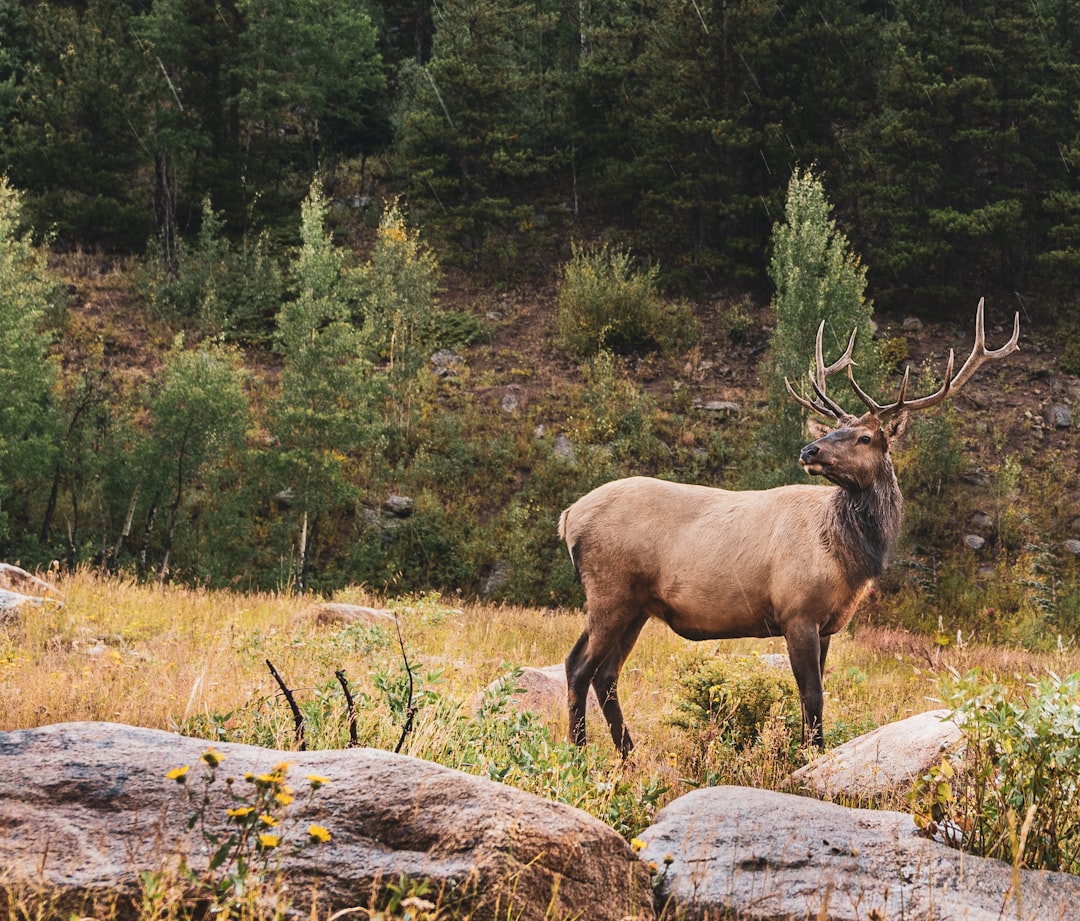
5 Lessons I Learned Guiding Elk Hunters in the West
Most elk hunters show up with high expectations and a pack full of gear. Some succeed. Most don't. After guiding hundreds of hunters through the mountains of Montana, Colorado, and Wyoming, I've seen what separates the hunters who fill tags from those who go home empty-handed. Here are five lessons that changed how I hunt elk — and how I help other hunters plan smarter trips.
The Best Gear Won't Save a Bad Hunt Plan
Every September, I'd meet clients who spent thousands on the latest camo, rangefinders, and packs — but hadn't spent ten minutes researching the unit we were hunting. They'd ask on day one, "Where are the elk?" as if I could guarantee animals in a specific drainage.
The hardest lesson I learned as a guide: gear matters far less than preparation. The hunters who studied topographic maps, understood elk behavior during the rut, and asked smart questions about terrain before arrival consistently outperformed those who showed up with a credit card and hope.
TAGZ helps hunters avoid this mistake by providing detailed unit breakdowns, terrain maps, and public land boundaries before you apply. You're not guessing where elk live — you're studying the landscape months in advance. When you finally step into the field, you already know which drainages hold feeding areas, where bedding cover sits, and how other hunters will pressure the unit.
Most Hunters Quit One Ridge Too Early
I watched this play out every season. A hunter would glass a basin at first light, see nothing, and decide the elk weren't there. By 9 a.m., he'd be back at camp.
Meanwhile, the elk were bedded 300 yards over the next ridge.
Elk don't vanish. They move into heavy timber and dark north-facing slopes when the sun climbs. The hunters who kept pushing — who glassed one more ridge, hiked one more drainage, stayed out until noon — found elk. The ones who gave up early never did.
This lesson applies to draw strategy too. Hunters see a unit with 10% draw odds and assume it's impossible. But TAGZ shows you the full picture: how odds shift by weapon type, season, and residency status. That "impossible" rifle tag might be 60% odds as an archery hunt. You just have to look one layer deeper.
Calling Works, But Only If You Shut Up Afterward
New elk hunters love calling. They bugle, cow call, and rake trees like they're auditioning for a hunting show. Then they wonder why bulls won't come in.
The best callers I guided did two things: they called sparingly, and they stayed silent afterward. A single bugle, then nothing. A soft cow call, then twenty minutes of silence. Elk are curious, but they're not stupid. They need time to commit, circle downwind, and decide if the sound they heard was real.
Impatient calling spooks more bulls than it attracts. The same principle applies to draws. Hunters burn points chasing the "perfect" tag every year, never committing to a unit. TAGZ lets you compare draw odds across units and states, so you can commit to a smart strategy instead of second-guessing yourself every application season.
Physical Fitness Beats Hunting Skill in Tough Terrain
I guided plenty of expert hunters who couldn't keep up. They understood elk behavior, shot well at the range, and had decades of experience. But when the terrain got steep and the altitude hit, they couldn't go where the elk lived.
The hunters in the best shape — even if they'd never killed an elk — could glass farther, push deeper, and hunt harder on day five than day one. Fitness isn't optional in the West. It's the baseline requirement.
Before you apply for a tag, ask yourself: can I hike five miles uphill with a loaded pack? Can I quarter an elk and pack meat two miles in the dark? If not, you're setting yourself up for failure no matter how good the unit is. TAGZ shows you terrain breakdowns and elevation profiles for every unit, so you can match your fitness level to the landscape before you commit.
Success Isn't About Killing — It's About Making Smart Decisions
The hunters I respected most weren't always the ones who killed the biggest bulls. They were the ones who hunted smart, stayed patient, and made decisions based on conditions instead of ego.
They passed marginal shots. They knew when to push and when to back off. They understood that some days, the best move is to sit still and let the mountain come to you.
This mindset applies to tag applications too. Success isn't drawing the hardest tag in the toughest unit. It's choosing a hunt that matches your skill level, your schedule, and your goals — then executing. TAGZ helps you filter units by success rates, draw odds, public land access, and hunter density, so you're not chasing hype. You're making informed decisions that lead to better hunts.
FAQ — Guiding Elk Hunters
What's the biggest mistake first-time elk hunters make?
They underestimate the physical demand and overestimate their gear. Fitness and mental preparation matter far more than expensive equipment.
How many days should I plan for a DIY elk hunt?
At least five to seven days. The first two are often spent learning the terrain and locating elk. Success rates climb significantly after day three.
Do I need a guide to hunt elk successfully?
No, but you need to do the work a guide would do: study maps, scout terrain, and understand elk behavior. TAGZ provides unit-level data that replaces much of the guesswork.
What's more important: calling ability or physical fitness?
Fitness. The best caller in the world can't reach elk if he can't hike to where they live. Calling matters, but only after you're in position.
How do I know if a unit is too hard for my skill level?
Check success rates, hunter density, and terrain profiles on TAGZ. Units with low success rates and extreme elevation gains require advanced skills and conditioning.
Should I apply for a hard-to-draw tag or hunt an easier unit more often?
It depends on your goals. If you want to hunt every year and build experience, choose units with better draw odds. If you're chasing a trophy and can wait, save points for a premier tag. TAGZ lets you compare both strategies side by side.
Continue Planning Your Hunt
Ready to turn these lessons into action? Explore TAGZ to research units, compare draw odds, and plan smarter hunts across the West. Whether you're applying for the first time or building a long-term point strategy, TAGZ Insights provides the data-driven breakdowns that help you make better decisions. Start your hunt plan today with TAGZ pricing options, and see how hunters are using the TAGZ platform to track points, analyze odds, and filter hunts by weapon, season, and terrain.
Was this article helpful?
Previous
How to Bugle Elk: A Hunter's Guide to Calling in Bulls
Master the art of elk bugling with proven techniques for timing, tone, and situational calling that consistently bring bulls into range during the September rut.
Next
The Best Time of Day to Move Through Timber for Elk
Timber elk demand perfect timing. Learn when to move through dark timber to intercept bedded bulls, avoid spooking herds, and position yourself for close-range encounters during peak feeding transitions.