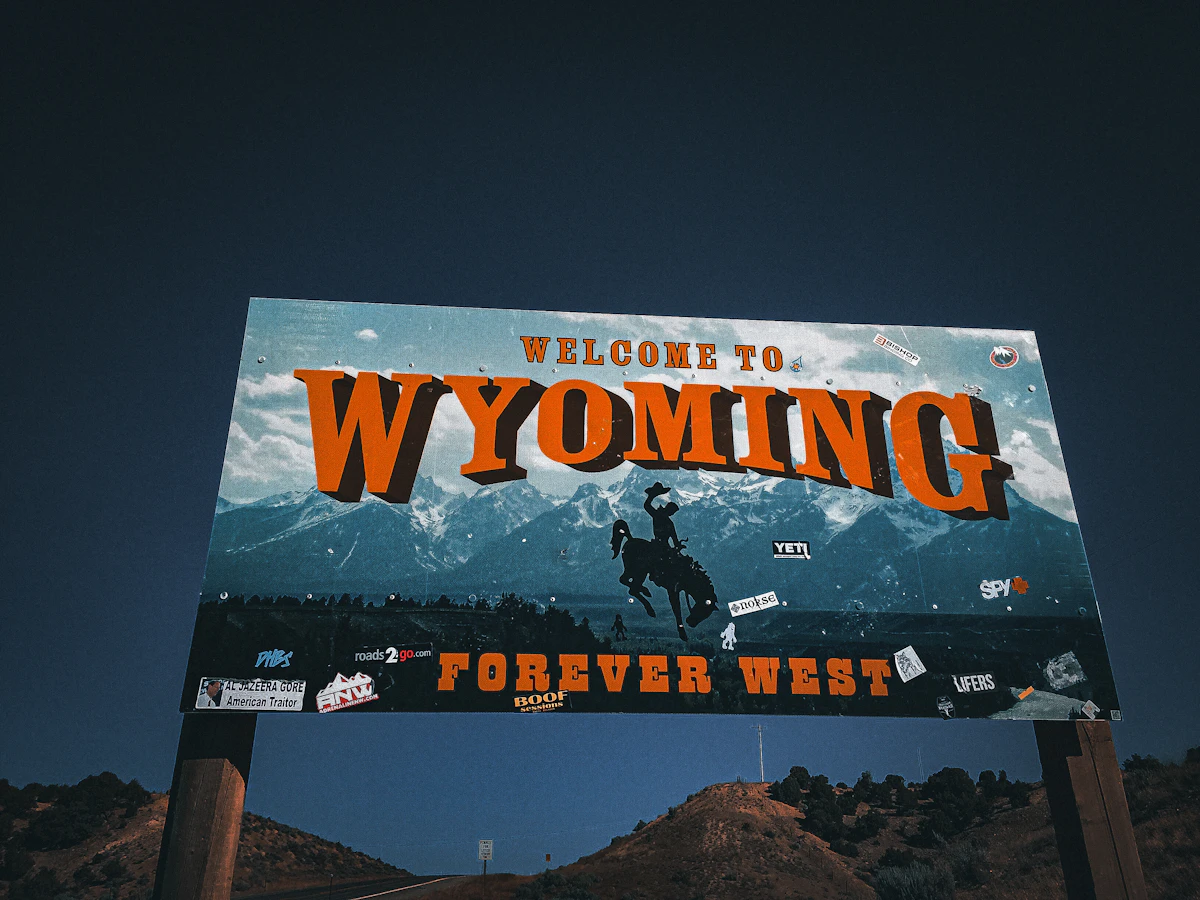
Wyoming Mule Deer Draw Odds With One Point 2027

18 min read·Oct 2, 2026·Jim
Wyoming Mule Deer Draw Odds With One Point 2027

Does Wyoming Use Preference Points for Mule Deer?

Yes—for nonresidents.

Wyoming uses preference points for:

Nonresident Full-Price Deer Licenses.

Wyoming residents do not use:

Deer Preference Points

in the same system.

So this article specifically addresses:

Nonresident Wyoming Mule Deer Applicants With One Point.

What Does One Wyoming Deer Point Actually Mean?

If you enter the 2027 draw with:

1 Deer Preference Point,

your first-choice application enters the applicable:

Preference-Point Drawing

at:

1 Point.

Applicants with:

More Preference Points

receive priority ahead of you in that portion.

Applicants with:

The Same Point Total

are ordered according to:

The Drawing Process.

75% Preference — 25% Random

Wyoming currently divides applicable nonresident full-price deer quota:

75% — Preference-Point Draw

25% — Random Draw.

That means your one point matters significantly in:

The Preference Portion.

But even if you don't have enough points there:

You Still Have Random Opportunity.

Can a One-Point Hunter Draw a Hunt That Historically Takes More Points?

Potentially, yes.

If you fail to draw through:

The Preference Portion,

your unsuccessful application participates in:

The Applicable Random Drawing.

That means a hunter with:

1 Point

can potentially draw a hunt where the preference portion historically required:

Many More Points.

But:

Possible ≠ Likely.

For extremely high-demand hunts:

Random Odds Can Be Very Small.

Draw odds
Alaska moose draw odds by unit, colored by draw, OTC, or no data
AdultNonresident

Alaska · Moose

Draw, OTC, and no-data units across the whole state.

Adult, Nonresident, Moose, no additional filters. Every unit is colored by its best matching draw odds; if nothing draws, it shows OTC; if neither, no data.

  • Alaska mixes draw and OTC moose hunts within the same region.
  • Green units are worth an application; purple units are OTC.
  • Filters stay applied when a unit is opened for hunt detail.
Draw odds
California mule deer draw odds ranked by unit in a list
AdultNonresident

California · Mule deer

Nonresident odds ranked unit by unit.

Adult, Nonresident, Mule deer, no weapon or season chip, so every matching hunt in a zone is combined into one badge and sorted by best projected odds.

  • D6 leads the list; a range like 8%–14% means more than one hunt code exists in that zone.
  • The list and the map read the same filtered hunt set.
  • 46 units are shown for this species and state alone.

Free to join

Download mobile app

  • Detailed draw odds
  • Point tracking
  • Deadline reminders
  • 18 states covered
Download on the App StoreGet it on Google Play
Unit detail
Wyoming elk unit detail, hunts tab, showing hunt windows on a timeline

Wyoming · Elk, Unit 3

Every hunt window inside one unit, laid out on a timeline.

Unit 3 has two hunt codes for elk. Each one shows its weapon, animal type, and season as a bar on a shared Aug–Jan timeline, plus a day-by-day moon phase strip.

  • Archery, then a long Any Legal Weapon window, then a late season — three opportunities in one unit.
  • The 100% badge at top means no real draw competition for the selected filters right now.
  • Weather & conditions expands below the hunt list without leaving the unit.
Terrain data
Colorado pronghorn unit detail, terrain tab, showing unit outline and key metrics

Colorado · Pronghorn, Unit 3

Unit boundaries and a complexity score at a glance.

The Terrain tab draws the unit outline against its neighbors and scores it for complexity, then breaks out area, public land, access, topography, forest, and water.

  • 849 sq mi, 55% public land, and flat topography make this a fairly approachable unit.
  • Each metric carries a short rating word — Vast, Some, Fair, Flat, Sparse, Moderate — with a tooltip.
  • The outline map shows adjacent units 2, 4, 13, and 301 for context.
State profiles
State Profiles screen listing states with wildlife agency and public land percentage

State Profiles

Each state's wildlife agency and public land share, at a glance.

State Profiles lists every covered state as a photo card naming its wildlife agency and, where available, its public land percentage.

  • Public land percentage shows right in the list, before opening the state.
  • Each card names the exact agency the regulations come from.
  • States without a public land figure yet, like Alabama here, are still listed.
Points wallet
Points Wallet screen with Colorado expanded, showing a point stepper per species

Points Wallet · Colorado

Every state and species point balance in one wallet.

Points Wallet lists each state with a species count; expanding a state, like Colorado here, shows a stepper for every species so a balance can be entered or adjusted directly.

  • Colorado alone tracks points across 10 species independently.
  • Species with no points, like Pronghorn here, still show a zero to stay visible.
  • Desert Bighorn Sheep is flagged as a random draw with no points system.

Free to join

Download mobile app

  • Detailed draw odds
  • Point tracking
  • Deadline reminders
  • 18 states covered
Download on the App StoreGet it on Google Play
Draw odds
Montana white-tailed deer draw odds filtered to any legal weapon, either sex, regular season
AdultNonresidentAny Legal WeaponEitherRegular

Montana · White-tailed deer

Nearly the whole state is OTC for this filter combination.

Adult, Nonresident, White-tailed deer, filtered to Any Legal Weapon, Either, Regular. Under this combination almost every unit turns purple — over the counter.

  • Switching weapon, sex, or season changes the picture completely.
  • Purple means the tag can be bought directly, no draw.
  • This is the tag-and-go read of Montana whitetail, not the point-based one.
Terrain data
New Mexico mule deer unit 5A terrain tab with boundary description and land cover breakdown

New Mexico · Mule deer, Unit 5A

A written boundary description, not just a shape.

Unit 5A's terrain tab opens with a plain-language paragraph about surrounding land, access towns, and ownership mix, then a land cover breakdown by percentage.

  • 72% open plains and 25% forested plains describe the terrain at a glance.
  • The boundary text calls out the exact reservation and forest lines that define the unit.
  • Access & pressure continues below the fold with mileage detail.
Draw odds
New Mexico mule deer draw odds by unit
AdultNonresident

New Mexico · Mule deer

Mule deer draw odds for every unit in the state.

Adult, Nonresident, Mule deer, all weapons and seasons. Each unit is colored by the same odds calculation used in the dashboard.

  • Green and tan together separate units worth applying to from units that are not.
  • Numbered units follow New Mexico's own game management unit boundaries.
  • Opening a unit shows the exact hunt behind the color.
Favorites
Favorite Units screen grouped by state and species

Favorite Units

Starred units from any state, grouped by species.

Favorite Units collects every starred unit across states and species into one list, grouped by state and species pair, so a saved unit is one tap away.

  • Arizona mule deer and Colorado pronghorn favorites sit side by side here.
  • Each row opens straight into that unit's detail view.
  • Unstarring from this screen removes it from the group instantly.
Deadlines
Deadline Reminders screen listing application and purchase deadlines by date

Deadline Reminders

Every application and purchase deadline, sorted by date.

Deadline Reminders filters by state and sorts by date, showing the deadline type, a countdown, and the state and species it applies to, with a link out to the source.

  • Countdown badges shift as a deadline gets close — "in 5 days" here, for example.
  • Application opens and closes are tracked as separate reminder types.
  • Each card links out to confirm the rule at the source.
Interactive map
Arizona elk unit boundaries overlaid on an interactive street map

Arizona · Elk

Unit boundaries laid directly over a real map.

This view overlays Arizona elk unit boundaries and labels on top of a street map, with a search bar pinned to state and species and a layer toggle in the corner.

  • Real towns like Prescott and Sedona sit inside their unit boundaries for context.
  • A location button and layer switch float over the map, clear of the unit labels.
  • A Filter button at the bottom opens the same filters used elsewhere in the app.

Free to join

Download mobile app

  • Detailed draw odds
  • Point tracking
  • Deadline reminders
  • 18 states covered
Download on the App StoreGet it on Google Play
Insights
Insights screen with a featured article and a latest articles list

Insights

Hunting articles, built into the app itself.

Insights opens to a featured article with a hero image, then a Latest list of recent posts, each with a thumbnail, read time, and publish date.

  • The featured slot rotates to the newest deep-dive article.
  • Read time and publish date show on every card, not just the featured one.
  • This mirrors the blog content already published on the marketing site.
Download on the App StoreGet it on Google Play

Don't Confuse 25% Random With 25% Odds

This is critical.

Wyoming allocating:

25% Of Applicable Licenses To Random

does not mean:

Every Hunter Has A 25% Chance.

Your individual probability depends on:

Random Tags Available ÷ Applicants Competing For Those Tags.

A hunt could allocate:

Several Random Tags

while attracting:

Hundreds or Thousands of Applicants.

Preference Points Only Apply to First Choice

For nonresident full-price deer:

Preference Points Are Considered Only For Your First Choice

in the initial preference-point drawing.

That's one of the most important rules for:

Wyoming Mule Deer Strategy.

What Happens if You Draw Your First Choice?

If you draw your:

First-Choice Full-Price Deer License,

your accumulated deer preference points are:

Used

and become unavailable for:

Future Drawings.

This applies even if your first-choice license was awarded through:

The Random Portion.

Random First Choice Still Uses Your Point

Suppose you have:

1 Point.

You apply for a difficult mule deer hunt.

You don't draw through:

Preference.

Then you get lucky and draw through:

Random.

Your point is still:

Used.

You don't get to:

Keep The Point

just because the license came from:

The Random Drawing.

What if You Don't Draw First Choice?

If you're unsuccessful on:

First Choice,

your preference points aren't used.

That's important when building:

Second + Third Choice Strategies.

Does Drawing Second Choice Use Your Point?

No.

Under Wyoming's current preference-point structure, drawing:

Second or Third Choice

does not use your accumulated deer preference points.

This creates one of Wyoming's most useful:

Hunt + Build Points Strategies.

Can You Hunt Wyoming and Keep Your Point?

Potentially.

If you obtain a license as:

Second Choice

Third Choice

or through:

The Leftover Drawing,

you can potentially hunt while:

Preserving Your Existing Preference Points.

But:

The Hunt Must Actually Survive Earlier Choices.

Don't Put a High-Demand Hunt Second

If a Region or limited-quota license historically sells out to:

First-Choice Applicants,

putting it:

Second Choice

doesn't magically create:

Another Opportunity.

Look for hunts that historically:

Reach Second Choice.

Wyoming Regular vs. Special Deer Draw

Nonresident hunters can choose:

Regular

or:

Special.

The Special Draw doesn't provide:

A Better Deer License

Different Season

or:

Different Hunt Area.

It places you in:

A Separate Higher-Priced Applicant Pool.

How Wyoming Splits Regular and Special

After applicable nonresident landowner allocations, Wyoming divides remaining nonresident quota between:

40% — Special

and:

60% — Regular.

Each applicable pool then uses:

75% Preference

and:

25% Random.

That creates four major sets of historical data:

Regular Preference

Regular Random

Special Preference

and:

Special Random.

Is Special Better With One Point?

Not Automatically.

The Special Draw can have:

Better Odds

Similar Odds

or:

Worse Odds

than Regular.

Why?

Because:

Applicants React To Price + Historical Odds.

Never assume:

More Expensive = Better Odds.

Current Regular Deer License Cost

Wyoming currently lists the:

Nonresident Regular Deer License — $374

plus:

$15 Application Fee.

Always verify:

Final 2027 Pricing

before applying.

Current Special Deer License Cost

Wyoming currently lists the:

Nonresident Special Deer License — $1,200

plus:

$15 Application Fee.

That's a substantial premium over:

Regular.

Before paying it:

Compare The Actual Historical Odds.

2027 Deer Preference Point Price Increase

This is a major:

2027 Change.

Beginning:

January 1, 2027,

Wyoming's nonresident deer preference point price increases from:

$41

to:

$75.

That's:

$34 More Per Point.

Hunters building Wyoming deer points need to update:

Their 2027 Application Budget.

You Don't Automatically Get a Point When You Fail to Draw

This is one of the biggest Wyoming mistakes.

If you:

Apply + Don't Draw,

Wyoming does not automatically hand you:

Another Deer Preference Point.

You need to purchase the point during:

The Separate Preference-Point Period.

Preference-Point Period

For 2026, Wyoming's deer preference-point period runs:

July 1 Through November 2.

Use that as:

Current Historical Timing.

Verify the:

2027 Point Period

when Wyoming publishes its final dates.

Don't Forget the Point

If you're sitting at:

1 Point

and fail to draw in 2027:

Purchase Your Next Point

if you intend to continue building.

Don't assume:

The System Automatically Added It.

Wyoming's Point-Loss Rule

Under current rules, hunters can lose accumulated:

Deer Preference Points

after failing to participate in the applicable point system for:

Two Consecutive Years.

If you're building points:

Track Them.

One Point Per Year

You can't buy:

Five Points At Once

to catch up.

Preference points accumulate:

One Per Applicable Year.

Region General Deer Licenses

This is where Wyoming mule deer gets:

Especially Important.

Wyoming has:

General Deer Hunt Areas

and:

Limited-Quota Deer Hunt Areas.

Residents can purchase:

General Deer Licenses.

Nonresidents wanting to hunt general areas must obtain:

A Region General Deer License.

Draw odds
Alaska moose draw odds by unit, colored by draw, OTC, or no data
AdultNonresident

Alaska · Moose

Draw, OTC, and no-data units across the whole state.

Adult, Nonresident, Moose, no additional filters. Every unit is colored by its best matching draw odds; if nothing draws, it shows OTC; if neither, no data.

  • Alaska mixes draw and OTC moose hunts within the same region.
  • Green units are worth an application; purple units are OTC.
  • Filters stay applied when a unit is opened for hunt detail.
Draw odds
California mule deer draw odds ranked by unit in a list
AdultNonresident

California · Mule deer

Nonresident odds ranked unit by unit.

Adult, Nonresident, Mule deer, no weapon or season chip, so every matching hunt in a zone is combined into one badge and sorted by best projected odds.

  • D6 leads the list; a range like 8%–14% means more than one hunt code exists in that zone.
  • The list and the map read the same filtered hunt set.
  • 46 units are shown for this species and state alone.

Free to join

Download mobile app

  • Detailed draw odds
  • Point tracking
  • Deadline reminders
  • 18 states covered
Download on the App StoreGet it on Google Play
Unit detail
Wyoming elk unit detail, hunts tab, showing hunt windows on a timeline

Wyoming · Elk, Unit 3

Every hunt window inside one unit, laid out on a timeline.

Unit 3 has two hunt codes for elk. Each one shows its weapon, animal type, and season as a bar on a shared Aug–Jan timeline, plus a day-by-day moon phase strip.

  • Archery, then a long Any Legal Weapon window, then a late season — three opportunities in one unit.
  • The 100% badge at top means no real draw competition for the selected filters right now.
  • Weather & conditions expands below the hunt list without leaving the unit.
Terrain data
Colorado pronghorn unit detail, terrain tab, showing unit outline and key metrics

Colorado · Pronghorn, Unit 3

Unit boundaries and a complexity score at a glance.

The Terrain tab draws the unit outline against its neighbors and scores it for complexity, then breaks out area, public land, access, topography, forest, and water.

  • 849 sq mi, 55% public land, and flat topography make this a fairly approachable unit.
  • Each metric carries a short rating word — Vast, Some, Fair, Flat, Sparse, Moderate — with a tooltip.
  • The outline map shows adjacent units 2, 4, 13, and 301 for context.
State profiles
State Profiles screen listing states with wildlife agency and public land percentage

State Profiles

Each state's wildlife agency and public land share, at a glance.

State Profiles lists every covered state as a photo card naming its wildlife agency and, where available, its public land percentage.

  • Public land percentage shows right in the list, before opening the state.
  • Each card names the exact agency the regulations come from.
  • States without a public land figure yet, like Alabama here, are still listed.
Points wallet
Points Wallet screen with Colorado expanded, showing a point stepper per species

Points Wallet · Colorado

Every state and species point balance in one wallet.

Points Wallet lists each state with a species count; expanding a state, like Colorado here, shows a stepper for every species so a balance can be entered or adjusted directly.

  • Colorado alone tracks points across 10 species independently.
  • Species with no points, like Pronghorn here, still show a zero to stay visible.
  • Desert Bighorn Sheep is flagged as a random draw with no points system.

Free to join

Download mobile app

  • Detailed draw odds
  • Point tracking
  • Deadline reminders
  • 18 states covered
Download on the App StoreGet it on Google Play
Draw odds
Montana white-tailed deer draw odds filtered to any legal weapon, either sex, regular season
AdultNonresidentAny Legal WeaponEitherRegular

Montana · White-tailed deer

Nearly the whole state is OTC for this filter combination.

Adult, Nonresident, White-tailed deer, filtered to Any Legal Weapon, Either, Regular. Under this combination almost every unit turns purple — over the counter.

  • Switching weapon, sex, or season changes the picture completely.
  • Purple means the tag can be bought directly, no draw.
  • This is the tag-and-go read of Montana whitetail, not the point-based one.
Terrain data
New Mexico mule deer unit 5A terrain tab with boundary description and land cover breakdown

New Mexico · Mule deer, Unit 5A

A written boundary description, not just a shape.

Unit 5A's terrain tab opens with a plain-language paragraph about surrounding land, access towns, and ownership mix, then a land cover breakdown by percentage.

  • 72% open plains and 25% forested plains describe the terrain at a glance.
  • The boundary text calls out the exact reservation and forest lines that define the unit.
  • Access & pressure continues below the fold with mileage detail.
Draw odds
New Mexico mule deer draw odds by unit
AdultNonresident

New Mexico · Mule deer

Mule deer draw odds for every unit in the state.

Adult, Nonresident, Mule deer, all weapons and seasons. Each unit is colored by the same odds calculation used in the dashboard.

  • Green and tan together separate units worth applying to from units that are not.
  • Numbered units follow New Mexico's own game management unit boundaries.
  • Opening a unit shows the exact hunt behind the color.
Favorites
Favorite Units screen grouped by state and species

Favorite Units

Starred units from any state, grouped by species.

Favorite Units collects every starred unit across states and species into one list, grouped by state and species pair, so a saved unit is one tap away.

  • Arizona mule deer and Colorado pronghorn favorites sit side by side here.
  • Each row opens straight into that unit's detail view.
  • Unstarring from this screen removes it from the group instantly.
Deadlines
Deadline Reminders screen listing application and purchase deadlines by date

Deadline Reminders

Every application and purchase deadline, sorted by date.

Deadline Reminders filters by state and sorts by date, showing the deadline type, a countdown, and the state and species it applies to, with a link out to the source.

  • Countdown badges shift as a deadline gets close — "in 5 days" here, for example.
  • Application opens and closes are tracked as separate reminder types.
  • Each card links out to confirm the rule at the source.
Interactive map
Arizona elk unit boundaries overlaid on an interactive street map

Arizona · Elk

Unit boundaries laid directly over a real map.

This view overlays Arizona elk unit boundaries and labels on top of a street map, with a search bar pinned to state and species and a layer toggle in the corner.

  • Real towns like Prescott and Sedona sit inside their unit boundaries for context.
  • A location button and layer switch float over the map, clear of the unit labels.
  • A Filter button at the bottom opens the same filters used elsewhere in the app.

Free to join

Download mobile app

  • Detailed draw odds
  • Point tracking
  • Deadline reminders
  • 18 states covered
Download on the App StoreGet it on Google Play
Insights
Insights screen with a featured article and a latest articles list

Insights

Hunting articles, built into the app itself.

Insights opens to a featured article with a hero image, then a Latest list of recent posts, each with a thumbnail, read time, and publish date.

  • The featured slot rotates to the newest deep-dive article.
  • Read time and publish date show on every card, not just the featured one.
  • This mirrors the blog content already published on the marketing site.
Download on the App StoreGet it on Google Play

What Is a Wyoming Deer Region?

Wyoming groups applicable general deer hunt areas into:

Nonresident Regions.

Examples include:

Region A

Region B

Region C

Region D

Region F

Region G

Region H

Region J

Region K

Region L

Region M

Region Q

Region R

Region T

Region W

Region X

and:

Region Y.

Exact region structure should always be verified for:

2027.

A Region License Is Not Valid Everywhere

If you draw:

Region G,

that doesn't mean:

You Can Hunt Every Deer Area In Western Wyoming.

Your Region license is valid only in:

Applicable General Deer Hunt Areas Within That Region

and subject to:

Each Hunt Area's Season + Limitations.

Limited-Quota Deer Areas Are Different

Some Wyoming deer hunt areas are:

Limited Quota.

These have a set number of licenses valid for:

The Specific Hunt Area + License Type.

Full-price limited-quota deer licenses can include:

Type 0

Type 1

Type 2

or:

Type 9.

Type 3 Is White-Tailed Deer

Don't accidentally include:

Type 3

when writing about:

Mule Deer Opportunity.

Wyoming's Hunt Planner states:

Type 3 Licenses Are For Any White-Tailed Deer

and do:

Not Permit Mule Deer Harvest.

Doe/Fawn Licenses Are Separate

Reduced-price:

Type 6 + Type 7

can permit doe/fawn deer under applicable rules.

Type 8

is for:

Doe/Fawn White-Tailed Deer.

These reduced-price licenses don't represent the same:

One-Point Mule Deer Strategy

as full-price buck/any-deer licenses.

2026 Region Quotas

Wyoming's 2026 regulation provides useful context for:

2027 Planning.

Examples of 2026 nonresident Region General Deer quotas included:

Region A — 2,000

Region B — 700

Region C — 1,800

Region D — 300

Region F — 550

Region G — 250

Region H — 350

Region J — 750

Region K — 200

Region L — 200

Region M — 400

Region Q — 75

Region R — 500

Region T — 400

Region W — 600

Region X — 100

Region Y — 1,000

These are:

2026 Quotas

—not confirmed:

2027 Quotas.

Quota Changes Can Move the Point Requirement

Suppose a Region goes from:

500 Licenses

to:

300 Licenses.

Even if applicant demand stays similar:

The Preference Cutoff Can Increase.

That's why historical odds should always be analyzed with:

Quota History.

One-Point Hunters Shouldn't Chase Only Famous Regions

Wyoming has mule deer Regions with:

Strong Name Recognition.

That can attract:

Heavy Applicant Demand.

A one-point hunter shouldn't automatically:

Apply Where Everyone Else Applies.

Research:

Every Realistic Region + Limited-Quota Option.

Region G

Region G is one of Wyoming's:

Well-Known Western Mule Deer Regions.

It includes applicable general-license portions of hunt areas such as:

135

143

144

and:

145

under the current region structure.

Because of:

Demand + Conservative Quotas,

don't assume:

One Point Guarantees Region G.

Check:

2026 Regular Preference

2026 Regular Random

2026 Special Preference

and:

2026 Special Random

before applying.

Region H

Region H is another recognizable:

Western Wyoming Mule Deer Region.

Current region structure includes applicable general areas such as:

130

138

139

140

142

and:

149–155.

Again:

One Point Does Not Automatically Equal A Region H License.

Use exact:

Current Draw Data.

Region A

Region A has a much larger:

2026 Nonresident Quota

than several western Regions.

But quota alone doesn't determine:

Hunt Quality + Access + Mule Deer Density.

Wyoming notes that portions of the Black Hills have:

Different Mule Deer Distribution

and some areas hold more:

White-Tailed Deer.

Research:

The Actual Area You Plan To Hunt.

Region B

Wyoming currently warns that:

Public Access Can Be Limited

in portions of Region B.

That's a perfect example of why:

Easy Draw ≠ Easy Mule Deer Hunt.

A license can be relatively obtainable because:

Access Is Difficult.

Public Access Matters as Much as Draw Odds

Before applying with:

One Point,

research:

BLM Land

National Forest

State Land

Hunter Management Areas

Walk-In Areas

and:

Private Land.

A hunt with:

Great Odds

can still be a poor DIY option if:

Accessible Public Land Is Limited.

Wyoming Flags Difficult Access

Wyoming's Hunt Planner marks some license types as having:

Difficult Public Access.

WGFD warns hunters that these hunts can have:

Limited Opportunity On Accessible Public Land

and:

High Hunter Density On The Public Land That Is Available.

Don't ignore:

The Access Warning.

Hunter Management Areas

Wyoming's:

Hunter Management Areas — HMAs

can provide hunting access to:

Private Land + Landlocked Public Land.

Some require:

Permission Slips.

HMA Permission Can Be a Separate Draw

Drawing your:

Deer License

doesn't automatically guarantee:

HMA Permission.

Some HMAs conduct:

Separate Permission-Slip Drawings.

Research:

Both Processes.

Walk-In Hunting Areas

Wyoming also operates:

Walk-In Hunting Areas.

These can provide:

Public Hunting Access On Enrolled Private Property.

But:

Species + Dates + Rules Vary By Property.

How to Read 2026 Odds With One Point

Start with the official:

2026 Nonresident Preference-Point Report.

Find:

Region or Hunt Area

then:

License Type.

Look for the:

1-Point Row.

Example of a One-Point Result

If a historical report shows:

1 Point — 100%

that means all applicable applicants at that point level in:

That Specific Historical Preference Draw

were successful.

It does not mean:

One Point Guarantees The Hunt In 2027.

Draw odds
Alaska moose draw odds by unit, colored by draw, OTC, or no data
AdultNonresident

Alaska · Moose

Draw, OTC, and no-data units across the whole state.

Adult, Nonresident, Moose, no additional filters. Every unit is colored by its best matching draw odds; if nothing draws, it shows OTC; if neither, no data.

  • Alaska mixes draw and OTC moose hunts within the same region.
  • Green units are worth an application; purple units are OTC.
  • Filters stay applied when a unit is opened for hunt detail.
Draw odds
California mule deer draw odds ranked by unit in a list
AdultNonresident

California · Mule deer

Nonresident odds ranked unit by unit.

Adult, Nonresident, Mule deer, no weapon or season chip, so every matching hunt in a zone is combined into one badge and sorted by best projected odds.

  • D6 leads the list; a range like 8%–14% means more than one hunt code exists in that zone.
  • The list and the map read the same filtered hunt set.
  • 46 units are shown for this species and state alone.

Free to join

Download mobile app

  • Detailed draw odds
  • Point tracking
  • Deadline reminders
  • 18 states covered
Download on the App StoreGet it on Google Play
Unit detail
Wyoming elk unit detail, hunts tab, showing hunt windows on a timeline

Wyoming · Elk, Unit 3

Every hunt window inside one unit, laid out on a timeline.

Unit 3 has two hunt codes for elk. Each one shows its weapon, animal type, and season as a bar on a shared Aug–Jan timeline, plus a day-by-day moon phase strip.

  • Archery, then a long Any Legal Weapon window, then a late season — three opportunities in one unit.
  • The 100% badge at top means no real draw competition for the selected filters right now.
  • Weather & conditions expands below the hunt list without leaving the unit.
Terrain data
Colorado pronghorn unit detail, terrain tab, showing unit outline and key metrics

Colorado · Pronghorn, Unit 3

Unit boundaries and a complexity score at a glance.

The Terrain tab draws the unit outline against its neighbors and scores it for complexity, then breaks out area, public land, access, topography, forest, and water.

  • 849 sq mi, 55% public land, and flat topography make this a fairly approachable unit.
  • Each metric carries a short rating word — Vast, Some, Fair, Flat, Sparse, Moderate — with a tooltip.
  • The outline map shows adjacent units 2, 4, 13, and 301 for context.
State profiles
State Profiles screen listing states with wildlife agency and public land percentage

State Profiles

Each state's wildlife agency and public land share, at a glance.

State Profiles lists every covered state as a photo card naming its wildlife agency and, where available, its public land percentage.

  • Public land percentage shows right in the list, before opening the state.
  • Each card names the exact agency the regulations come from.
  • States without a public land figure yet, like Alabama here, are still listed.
Points wallet
Points Wallet screen with Colorado expanded, showing a point stepper per species

Points Wallet · Colorado

Every state and species point balance in one wallet.

Points Wallet lists each state with a species count; expanding a state, like Colorado here, shows a stepper for every species so a balance can be entered or adjusted directly.

  • Colorado alone tracks points across 10 species independently.
  • Species with no points, like Pronghorn here, still show a zero to stay visible.
  • Desert Bighorn Sheep is flagged as a random draw with no points system.

Free to join

Download mobile app

  • Detailed draw odds
  • Point tracking
  • Deadline reminders
  • 18 states covered
Download on the App StoreGet it on Google Play
Draw odds
Montana white-tailed deer draw odds filtered to any legal weapon, either sex, regular season
AdultNonresidentAny Legal WeaponEitherRegular

Montana · White-tailed deer

Nearly the whole state is OTC for this filter combination.

Adult, Nonresident, White-tailed deer, filtered to Any Legal Weapon, Either, Regular. Under this combination almost every unit turns purple — over the counter.

  • Switching weapon, sex, or season changes the picture completely.
  • Purple means the tag can be bought directly, no draw.
  • This is the tag-and-go read of Montana whitetail, not the point-based one.
Terrain data
New Mexico mule deer unit 5A terrain tab with boundary description and land cover breakdown

New Mexico · Mule deer, Unit 5A

A written boundary description, not just a shape.

Unit 5A's terrain tab opens with a plain-language paragraph about surrounding land, access towns, and ownership mix, then a land cover breakdown by percentage.

  • 72% open plains and 25% forested plains describe the terrain at a glance.
  • The boundary text calls out the exact reservation and forest lines that define the unit.
  • Access & pressure continues below the fold with mileage detail.
Draw odds
New Mexico mule deer draw odds by unit
AdultNonresident

New Mexico · Mule deer

Mule deer draw odds for every unit in the state.

Adult, Nonresident, Mule deer, all weapons and seasons. Each unit is colored by the same odds calculation used in the dashboard.

  • Green and tan together separate units worth applying to from units that are not.
  • Numbered units follow New Mexico's own game management unit boundaries.
  • Opening a unit shows the exact hunt behind the color.
Favorites
Favorite Units screen grouped by state and species

Favorite Units

Starred units from any state, grouped by species.

Favorite Units collects every starred unit across states and species into one list, grouped by state and species pair, so a saved unit is one tap away.

  • Arizona mule deer and Colorado pronghorn favorites sit side by side here.
  • Each row opens straight into that unit's detail view.
  • Unstarring from this screen removes it from the group instantly.
Deadlines
Deadline Reminders screen listing application and purchase deadlines by date

Deadline Reminders

Every application and purchase deadline, sorted by date.

Deadline Reminders filters by state and sorts by date, showing the deadline type, a countdown, and the state and species it applies to, with a link out to the source.

  • Countdown badges shift as a deadline gets close — "in 5 days" here, for example.
  • Application opens and closes are tracked as separate reminder types.
  • Each card links out to confirm the rule at the source.
Interactive map
Arizona elk unit boundaries overlaid on an interactive street map

Arizona · Elk

Unit boundaries laid directly over a real map.

This view overlays Arizona elk unit boundaries and labels on top of a street map, with a search bar pinned to state and species and a layer toggle in the corner.

  • Real towns like Prescott and Sedona sit inside their unit boundaries for context.
  • A location button and layer switch float over the map, clear of the unit labels.
  • A Filter button at the bottom opens the same filters used elsewhere in the app.

Free to join

Download mobile app

  • Detailed draw odds
  • Point tracking
  • Deadline reminders
  • 18 states covered
Download on the App StoreGet it on Google Play
Insights
Insights screen with a featured article and a latest articles list

Insights

Hunting articles, built into the app itself.

Insights opens to a featured article with a hero image, then a Latest list of recent posts, each with a thumbnail, read time, and publish date.

  • The featured slot rotates to the newest deep-dive article.
  • Read time and publish date show on every card, not just the featured one.
  • This mirrors the blog content already published on the marketing site.
Download on the App StoreGet it on Google Play

Partial Point-Level Odds

Suppose the report shows:

2 Points — 100%

1 Point — 40%

0 Points — 0%.

A better description is:

The 2026 preference draw fully cleared 2 points and partially cleared 1 point.

Don't simplify that to:

"It Takes Two Points."

Drawn Out At One Point

If the quota runs out while processing:

1-Point Applicants,

then some one-point hunters may draw and others:

May Not.

That's why:

Point Cutoff ≠ Guarantee.

Random Draw Opportunity

After checking preference odds:

Check Random.

If your one point isn't enough to draw through:

Preference,

you may still have:

Random Opportunity.

Regular Random vs Special Random

Check both:

Regular Random

and:

Special Random.

They can have:

Very Different Applicant Numbers.

Again:

Special Isn't Automatically Better.

One-Point Strategy #1 — Find Hunts That Historically Cleared One Point

Start with hunts where:

1 Point Historically Had Strong Preference Success.

Then evaluate:

2027 Quota

Access

Season

and:

Herd Conditions.

Strategy #2 — Find Hunts Near the One-Point Cutoff

A hunt that:

Partially Drew At One Point

in 2026 deserves:

Closer Analysis.

Compare:

2024 + 2025 + 2026

to determine whether demand is:

Stable

Increasing

or:

Decreasing.

Strategy #3 — Use Random Opportunity on a Reach Hunt

You could use:

First Choice

on a harder hunt.

Your one point may not be enough through:

Preference.

But you still participate in:

Random.

If unsuccessful:

You Keep The Point.

Strategy #4 — Add a Real Second Choice

Pair your:

Reach First Choice

with a hunt that historically:

Reaches Second Choice.

That creates a potential:

Swing For A Hard Hunt + Still Hunt Wyoming

strategy.

Strategy #5 — Don't Burn a Point Accidentally

If you put an easy-to-draw hunt:

First Choice

and draw it:

Your Point Is Used.

If your goal is:

Keep Building Points,

research whether the hunt can instead realistically be obtained as:

Second Choice.

Strategy #6 — Compare Regular vs Special

With one point:

Price Sensitivity Matters.

Current prices are:

Regular — $374

vs:

Special — $1,200

before the applicable application fee.

That's a difference of:

$826.

Only pay Special after evaluating:

Actual Hunt-Level Historical Odds.

Strategy #7 — Don't Ignore Limited-Quota Hunts

Many hunters focus only on:

Region General Licenses.

But Wyoming also offers:

Limited-Quota Mule Deer Hunts.

Compare:

Both Systems.

Strategy #8 — Check Access Before Applying

Don't burn:

Your Only Point

on a hunt where:

Most Mule Deer Habitat Is Private

unless you already have:

Legal Access.

Strategy #9 — Watch 2027 Quotas

Wyoming sets final:

Deer License Quotas + Seasons

through its annual regulatory process.

Compare:

2027 Final Quota

against:

2026.

A major quota cut can make:

Last Year's Odds Misleading.

Strategy #10 — Buy the Next Point if You Don't Draw

If you remain unsuccessful:

Purchase Your 2027 Deer Point

during the separate point period if you want to continue:

Building.

Remember:

2027 Price = $75.

What About the Leftover Draw?

After the initial drawing:

Remaining Limited-Quota Deer Licenses

can enter Wyoming's:

Leftover Drawing.

This is separate from:

The Initial Draw.

Preference Points Aren't Used in Leftovers

In the leftover drawing:

Preference Points Cannot Be Used.

That means your:

1 Point

doesn't improve your leftover odds.

Leftover Tags Don't Use Your Point

If you draw:

A Leftover License,

your existing preference point isn't:

Lost.

This can provide another:

Hunt + Build Points

strategy.

Residents and Nonresidents Compete Together

Wyoming's leftover drawing does not use the normal:

Residency Quota Split.

Residents and nonresidents compete against:

The Same Leftover Quota.

Leftover Doesn't Mean Great Hunt

Wyoming specifically warns that many leftover licenses occur in areas with:

Limited Public Access.

Research:

Why The License Was Left Over

before applying.

2026 Leftover Timing

For 2026, Wyoming's leftover drawing application period ran:

June 22–26.

Use this only as:

Historical Timing.

Verify:

2027 Leftover Dates.

Draw odds
Alaska moose draw odds by unit, colored by draw, OTC, or no data
AdultNonresident

Alaska · Moose

Draw, OTC, and no-data units across the whole state.

Adult, Nonresident, Moose, no additional filters. Every unit is colored by its best matching draw odds; if nothing draws, it shows OTC; if neither, no data.

  • Alaska mixes draw and OTC moose hunts within the same region.
  • Green units are worth an application; purple units are OTC.
  • Filters stay applied when a unit is opened for hunt detail.
Draw odds
California mule deer draw odds ranked by unit in a list
AdultNonresident

California · Mule deer

Nonresident odds ranked unit by unit.

Adult, Nonresident, Mule deer, no weapon or season chip, so every matching hunt in a zone is combined into one badge and sorted by best projected odds.

  • D6 leads the list; a range like 8%–14% means more than one hunt code exists in that zone.
  • The list and the map read the same filtered hunt set.
  • 46 units are shown for this species and state alone.

Free to join

Download mobile app

  • Detailed draw odds
  • Point tracking
  • Deadline reminders
  • 18 states covered
Download on the App StoreGet it on Google Play
Unit detail
Wyoming elk unit detail, hunts tab, showing hunt windows on a timeline

Wyoming · Elk, Unit 3

Every hunt window inside one unit, laid out on a timeline.

Unit 3 has two hunt codes for elk. Each one shows its weapon, animal type, and season as a bar on a shared Aug–Jan timeline, plus a day-by-day moon phase strip.

  • Archery, then a long Any Legal Weapon window, then a late season — three opportunities in one unit.
  • The 100% badge at top means no real draw competition for the selected filters right now.
  • Weather & conditions expands below the hunt list without leaving the unit.
Terrain data
Colorado pronghorn unit detail, terrain tab, showing unit outline and key metrics

Colorado · Pronghorn, Unit 3

Unit boundaries and a complexity score at a glance.

The Terrain tab draws the unit outline against its neighbors and scores it for complexity, then breaks out area, public land, access, topography, forest, and water.

  • 849 sq mi, 55% public land, and flat topography make this a fairly approachable unit.
  • Each metric carries a short rating word — Vast, Some, Fair, Flat, Sparse, Moderate — with a tooltip.
  • The outline map shows adjacent units 2, 4, 13, and 301 for context.
State profiles
State Profiles screen listing states with wildlife agency and public land percentage

State Profiles

Each state's wildlife agency and public land share, at a glance.

State Profiles lists every covered state as a photo card naming its wildlife agency and, where available, its public land percentage.

  • Public land percentage shows right in the list, before opening the state.
  • Each card names the exact agency the regulations come from.
  • States without a public land figure yet, like Alabama here, are still listed.
Points wallet
Points Wallet screen with Colorado expanded, showing a point stepper per species

Points Wallet · Colorado

Every state and species point balance in one wallet.

Points Wallet lists each state with a species count; expanding a state, like Colorado here, shows a stepper for every species so a balance can be entered or adjusted directly.

  • Colorado alone tracks points across 10 species independently.
  • Species with no points, like Pronghorn here, still show a zero to stay visible.
  • Desert Bighorn Sheep is flagged as a random draw with no points system.

Free to join

Download mobile app

  • Detailed draw odds
  • Point tracking
  • Deadline reminders
  • 18 states covered
Download on the App StoreGet it on Google Play
Draw odds
Montana white-tailed deer draw odds filtered to any legal weapon, either sex, regular season
AdultNonresidentAny Legal WeaponEitherRegular

Montana · White-tailed deer

Nearly the whole state is OTC for this filter combination.

Adult, Nonresident, White-tailed deer, filtered to Any Legal Weapon, Either, Regular. Under this combination almost every unit turns purple — over the counter.

  • Switching weapon, sex, or season changes the picture completely.
  • Purple means the tag can be bought directly, no draw.
  • This is the tag-and-go read of Montana whitetail, not the point-based one.
Terrain data
New Mexico mule deer unit 5A terrain tab with boundary description and land cover breakdown

New Mexico · Mule deer, Unit 5A

A written boundary description, not just a shape.

Unit 5A's terrain tab opens with a plain-language paragraph about surrounding land, access towns, and ownership mix, then a land cover breakdown by percentage.

  • 72% open plains and 25% forested plains describe the terrain at a glance.
  • The boundary text calls out the exact reservation and forest lines that define the unit.
  • Access & pressure continues below the fold with mileage detail.
Draw odds
New Mexico mule deer draw odds by unit
AdultNonresident

New Mexico · Mule deer

Mule deer draw odds for every unit in the state.

Adult, Nonresident, Mule deer, all weapons and seasons. Each unit is colored by the same odds calculation used in the dashboard.

  • Green and tan together separate units worth applying to from units that are not.
  • Numbered units follow New Mexico's own game management unit boundaries.
  • Opening a unit shows the exact hunt behind the color.
Favorites
Favorite Units screen grouped by state and species

Favorite Units

Starred units from any state, grouped by species.

Favorite Units collects every starred unit across states and species into one list, grouped by state and species pair, so a saved unit is one tap away.

  • Arizona mule deer and Colorado pronghorn favorites sit side by side here.
  • Each row opens straight into that unit's detail view.
  • Unstarring from this screen removes it from the group instantly.
Deadlines
Deadline Reminders screen listing application and purchase deadlines by date

Deadline Reminders

Every application and purchase deadline, sorted by date.

Deadline Reminders filters by state and sorts by date, showing the deadline type, a countdown, and the state and species it applies to, with a link out to the source.

  • Countdown badges shift as a deadline gets close — "in 5 days" here, for example.
  • Application opens and closes are tracked as separate reminder types.
  • Each card links out to confirm the rule at the source.
Interactive map
Arizona elk unit boundaries overlaid on an interactive street map

Arizona · Elk

Unit boundaries laid directly over a real map.

This view overlays Arizona elk unit boundaries and labels on top of a street map, with a search bar pinned to state and species and a layer toggle in the corner.

  • Real towns like Prescott and Sedona sit inside their unit boundaries for context.
  • A location button and layer switch float over the map, clear of the unit labels.
  • A Filter button at the bottom opens the same filters used elsewhere in the app.

Free to join

Download mobile app

  • Detailed draw odds
  • Point tracking
  • Deadline reminders
  • 18 states covered
Download on the App StoreGet it on Google Play
Insights
Insights screen with a featured article and a latest articles list

Insights

Hunting articles, built into the app itself.

Insights opens to a featured article with a hero image, then a Latest list of recent posts, each with a thumbnail, read time, and publish date.

  • The featured slot rotates to the newest deep-dive article.
  • Read time and publish date show on every card, not just the featured one.
  • This mirrors the blog content already published on the marketing site.
Download on the App StoreGet it on Google Play

2026 Deer Application Dates

For 2026:

Application Opens — January 2

Application Deadline — June 1

Modify/Withdraw Deadline — June 1

Results — June 18

Preference-Point Period — July 1 Through November 2

These are:

2026 Dates.

Verify the final:

2027 Dates

before applying.

Does Applying Early Improve Odds?

No.

Applying:

January 2

doesn't give you more:

Preference Priority

than applying:

Before The Deadline.

Apply early to avoid:

Account Problems

Payment Problems

or:

Missing The Deadline.

Final Quotas Matter

Wyoming finalizes important deer:

Season + Quota Information

during its annual regulatory process.

Don't lock your application strategy based only on:

Last Year's Numbers.

Review:

Current-Year Information

before the modification deadline.

Party Applications

Nonresidents can apply:

As A Party.

Up to:

Six Hunters

can participate in an applicable party application.

Party Points Are Averaged

For nonresident preference-point drawings:

Party Points Are Averaged To Four Decimal Places.

Example:

Hunter A:

1 Point

Hunter B:

3 Points

Party average:

2.0000 Points.

One-Point Hunter Joining Higher-Point Hunters

A one-point hunter can increase their effective:

Party Point Average

by applying with:

Higher-Point Hunters.

But the higher-point members simultaneously:

Lower Their Individual Position

to the party average.

Party Applications Don't Create Extra Random Chances

Applying as a party primarily helps hunters:

Draw Together Or Not Draw Together.

It doesn't inherently create:

Better Drawing Odds.

Don't Confuse Mule Deer With White-Tailed Deer

Wyoming deer regulations cover:

Mule Deer + White-Tailed Deer.

When researching:

Wyoming Mule Deer Draw Odds With One Point,

make sure the license actually permits:

Mule Deer Harvest.

A:

Type 3 White-Tailed Deer License

doesn't.

One Full-Price Deer License in the Initial Draw

Under current Wyoming rules, a hunter can apply for and receive a maximum of:

One Applicable Full-Price Deer License

through the initial drawing.

Additional deer-license opportunities can exist later under:

Specific Rules.

One Antlered/Any Mule Deer Limitation

Wyoming's current rules restrict hunters from receiving more than:

One License Valid For Antlered Or Any Mule Deer

in a calendar year.

Don't build a strategy around:

Stacking Multiple Buck Mule Deer Licenses.

Draw Odds vs Harvest Success

These are different.

Draw Odds

Measure:

How Difficult It Is To Receive The License.

Harvest Success

Measures:

What Happens After Hunters Receive The License.

Don't choose a hunt solely because:

The Draw Odds Look Easy.

Draw Odds vs Buck Quality

Likewise:

More Preference Points Required

doesn't automatically mean:

Bigger Mule Deer.

Point demand reflects:

Hunter Demand Relative To Available Licenses.

Buck quality depends on:

Age Structure

Winter Survival

Habitat

Migration

Hunting Pressure

Access

and:

Individual Animals.

One Point Doesn't Mean "Beginner Hunt"

Some one-point or low-point opportunities can still involve:

Excellent Mule Deer Country.

Others may have:

Difficult Access

or:

Lower Deer Density.

Research:

The Hunt

—not merely:

The Point Requirement.

How TAGZ Should Display Wyoming One-Point Deer Odds

For each applicable hunt, show:

Region/Hunt Area

License Type

2027 Quota When Available

2026 Quota

Regular Preference Odds At 1 Point

Regular Random Odds

Special Preference Odds At 1 Point

Special Random Odds

First-Choice Demand

Second-Choice Availability

Public Access Context

and:

Multi-Year Trend.

Don't Publish a Generic "One-Point Odds" Table

A statement such as:

"Wyoming Mule Deer With One Point = 40% Odds"

isn't accurate statewide.

The correct unit of analysis is:

Exact Region/Hunt Area + License Type + Regular/Special + Draw Portion.

How TAGZ Helps With Wyoming Mule Deer

TAGZ helps hunters research:

Draw Odds + Preference Points + Hunt Areas + Units + Application Strategy.

Wyoming is exactly why:

Point-Level Draw Analysis Matters.

A hunter with:

1 Point

needs different information than someone with:

5

or:

10 Points.

Browse TAGZ Wyoming Game Units.

Build a One-Point Hunt Strategy

Instead of asking:

"What's The Best Wyoming Mule Deer Hunt?"

ask:

What Can I Draw With One Point?

What Can I Randomly Draw?

What Can Reach Second Choice?

Where Do I Have Public Access?

and:

Is Special Worth The Extra Money?

Those questions create:

A Real Application Strategy.

Built by Hunters, Guides and Outfitters

TAGZ was started by hunters, guides and outfitters with firsthand experience navigating Western big-game draws.

Wyoming mule deer is a perfect example of why:

A Single Statewide Draw Percentage Isn't Enough.

You need:

Point Level + Region/Hunt + License Type + Draw Pool + Access.

Learn more about the team and experience behind TAGZ through About TAGZ.

Can I draw Wyoming mule deer with one preference point in 2027?

Yes. Some licenses may be obtainable through the preference portion at one point, while other hunts may require random-draw luck or more points.

Does Wyoming use preference points for nonresident deer?

Yes. Nonresident full-price deer licenses use Wyoming's preference-point system.

What percentage of Wyoming nonresident deer licenses are random?

Wyoming allocates 25% of applicable nonresident full-price quota to the random drawing and 75% to the preference-point drawing.

Can one point draw Region G?

One point should not be treated as a guaranteed Region G license. Compare the completed 2026 Regular and Special preference/random reports with final 2027 quotas before applying.

Can one point draw Region H?

Again, don't assume. Check the exact current Regular and Special reports and final 2027 quota.

Does drawing my first choice use my point?

Yes. Drawing your first-choice full-price deer license uses your preference points, including when the first-choice license comes through the random portion.

Does drawing second choice use my point?

No. Under current rules, drawing a second- or third-choice license doesn't use your accumulated deer preference points.

Can I hunt and keep my point?

Potentially. Second-choice, third-choice and leftover opportunities can allow you to obtain a license without using your existing preference points.

How much will a Wyoming deer preference point cost in 2027?

The nonresident deer preference-point fee increases to $75 effective January 1, 2027.

Does the Special Draw guarantee better odds?

No. Special odds can be better, similar or worse depending on applicant demand.

FAQ — Wyoming Mule Deer Draw Odds With One Point 2027

What are my exact odds with one point?

There is no statewide percentage. Exact odds depend on the Region or hunt area, license type, Regular/Special pool, quota and number of applicants.

Are actual 2027 odds available yet?

No. Actual 2027 odds cannot be calculated until 2027 applications and the drawing are complete.

Should I use 2026 odds?

Yes—as historical planning data. Compare multiple years rather than assuming 2026 repeats exactly.

Is the Special Draw worth $1,200?

It depends entirely on the exact hunt and how its Special odds compare with Regular odds. Don't pay the premium automatically.

Can I apply for a difficult hunt with one point?

Yes. If you're unsuccessful in the preference portion, you can still have random-draw opportunity.

Should I put an easy hunt second choice?

Only if it historically survives first-choice demand. Otherwise it won't reach your second choice.

Can I apply as a party?

Yes. Nonresident party points are averaged to four decimal places under current rules.

Does an HMA come with my deer license?

Not necessarily. Some Hunter Management Areas require a separate permission slip or drawing.

Are Region licenses limited for nonresidents?

Yes. Nonresident Region General Deer licenses have established quotas.

Should I choose the easiest hunt to draw?

Not without checking access, season structure, deer population and the actual terrain. Easy draw odds can sometimes reflect difficult public access.

Final Wyoming One-Point Mule Deer Strategy for 2027

If you enter:

2027 With One Wyoming Deer Preference Point,

start by separating:

Region General Licenses

from:

Limited-Quota Mule Deer Hunts.

Then compare:

Regular Preference

Regular Random

Special Preference

and:

Special Random.

Look for hunts where:

One Point Historically Drew

or:

One Point Was Near The Cutoff.

Then identify:

Random Reach Hunts.

Build:

A Real Second Choice

if you want the possibility of:

Hunting + Keeping Your Point.

Check:

Public Access Before Applying.

Watch:

Final 2027 Quotas.

Don't assume:

Special = Better Odds.

And if you're unsuccessful and want to keep building:

Purchase Your 2027 Preference Point During The Separate Point Period.

Beginning January 1, 2027:

Nonresident Deer Preference Point = $75.

Most importantly:

Don't Treat 2026 Odds As Guaranteed 2027 Odds.

Use historical data to:

Plan

—not:

Promise A Drawing Result.

Use TAGZ to research Western big-game draw opportunities.

Browse TAGZ Wyoming Game Units.

Explore hunting and draw research through TAGZ Insights.

See how TAGZ works through TAGZ Product.

Learn about the hunters, guides and outfitters behind TAGZ through About TAGZ.

For official historical odds, use Wyoming Game and Fish Draw Results & Odds.

For hunt areas, Region information and access research, use the Wyoming Game and Fish Deer Hunt Planner.

For application timing, use Wyoming Game and Fish Application Dates & Deadlines.

For preference-point rules, use Wyoming Game and Fish Preference Points.

Historical drawing statistics are planning tools—not guarantees. Wyoming's 2027 quotas, seasons, applicant totals, license fees and resulting draw odds can change before the drawing.

Share

Was this article helpful?

Previous

California Bighorn Sheep Draw Odds 2027: Points, Zones & Tags

California bighorn sheep tags are among the most limited: Big-Game Tags in California. California uses a: Modified Preference-Point System for its public bighorn sheep drawing. That means tags can be divided between: Preference-Point Tags and: Draw-by-Choice Tags. Under current California rules: 1-Tag Hunt → 1 Draw-by-Choice Tag 2-Tag Hunt → 1 Preference + 1 Draw-by-Choice 3-Tag Hunt → 2 Preference + 1 Draw-by-Choice 4+ Tag Hunt → 75% Preference + Remaining Tags Draw-by-Choice This creates something extremely important: A Hunter Without Maximum Points Can Still Potentially Draw Certain California Sheep Tags. But: Possible Does Not Mean Likely. California sheep quotas are extremely small and applicant demand is high. Actual: 2027 California Bighorn Sheep Draw Odds will not exist until the: 2027 Drawing Is Completed. Use: 2026 + Earlier Completed Draw Statistics for 2027 planning.
California Bighorn Sheep Draw Odds 2027: Points, Zones & Tags

Related

Colorado Mule Deer Draw Odds With Two Points 2027

Can you draw a Colorado mule deer license with: Two Preference Points in 2027? Yes. Two points can put hunters in range of multiple Colorado mule deer opportunities depending on: Hunt Code Game Management Unit Season Weapon Residency Quota and: Applicant Demand. But there is no single: "Colorado Mule Deer Two-Point Draw Odd." Colorado deer licenses are drawn by: Exact Hunt Code. A second-rifle hunt in one GMU can have a completely different point requirement from: Third Rifle Fourth Rifle Muzzleloader or: Archery in the same area. Actual: 2027 Colorado Mule Deer Draw Odds do not exist yet. Use: 2026 + Earlier Completed CPW Draw Results to plan for: 2027.
Colorado Mule Deer Draw Odds With Two Points 2027

Next

Guided Rocky Mountain Bighorn Sheep Hunts 2027: Costs & Outfitters

A guided Rocky Mountain bighorn sheep hunt in 2027 can take two very different forms: Draw The Tag First + Hire An Outfitter or: Book A Commercial Hunt Where Hunting Access/Allocation Is Part Of The Package. Those two hunt types have: Completely Different Costs. Current U.S. guided services for hunters who already hold a state-issued sheep permit can commonly fall around: $9,000–$18,000+ depending on: State + Unit + Hunt Length + Horses + Camp + Scouting + Guide Ratio. By contrast, current published Alberta Rocky Mountain bighorn hunts that include access through the outfitter's allocation can reach roughly: $95,000–$120,000+ for 2027. Those aren't comparable products. One is primarily: Guide Service After Drawing A Rare Public Tag. The other can package: Commercial Hunting Allocation + Guide + Camp + Horses + Logistics. For U.S. draw hunts: Hiring A Guide Does Not Improve Your Draw Odds. You generally need to: Draw The Tag First.
Guided Rocky Mountain Bighorn Sheep Hunts 2027: Costs & Outfitters












