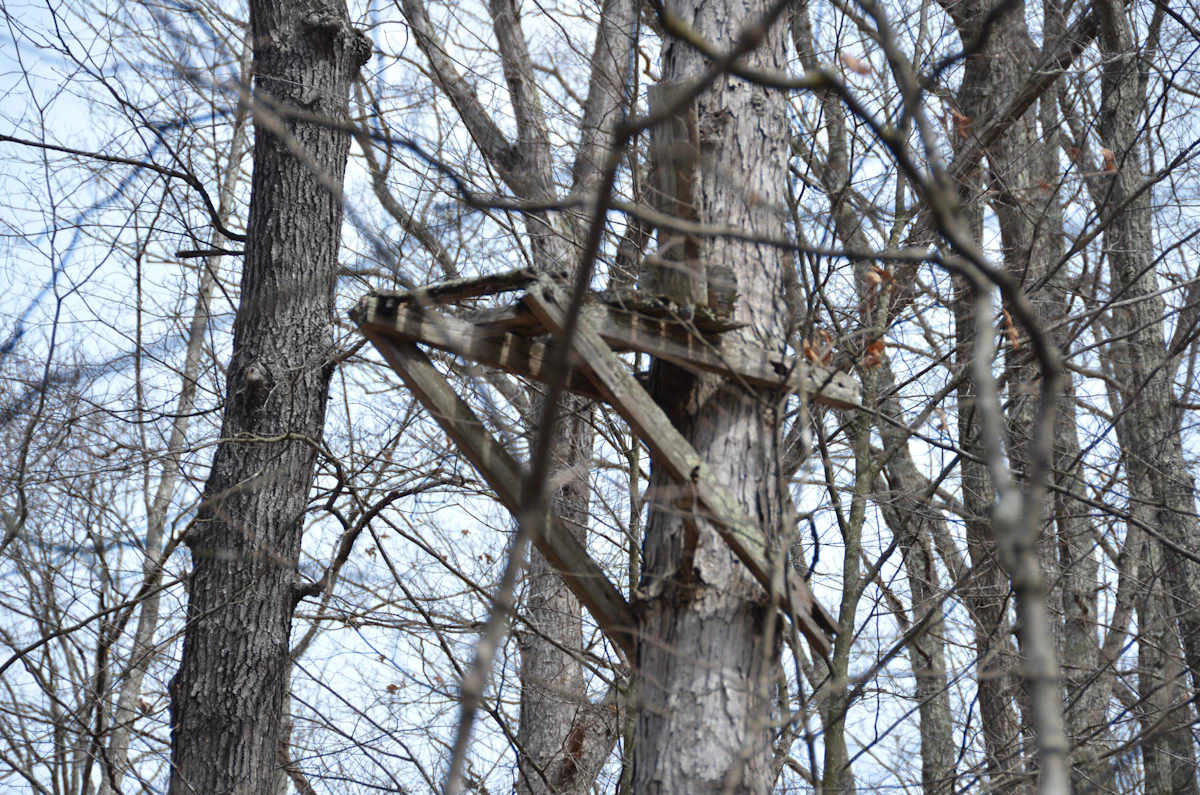
Why I Rarely Hunt the First Ridge — And Where I Go Instead
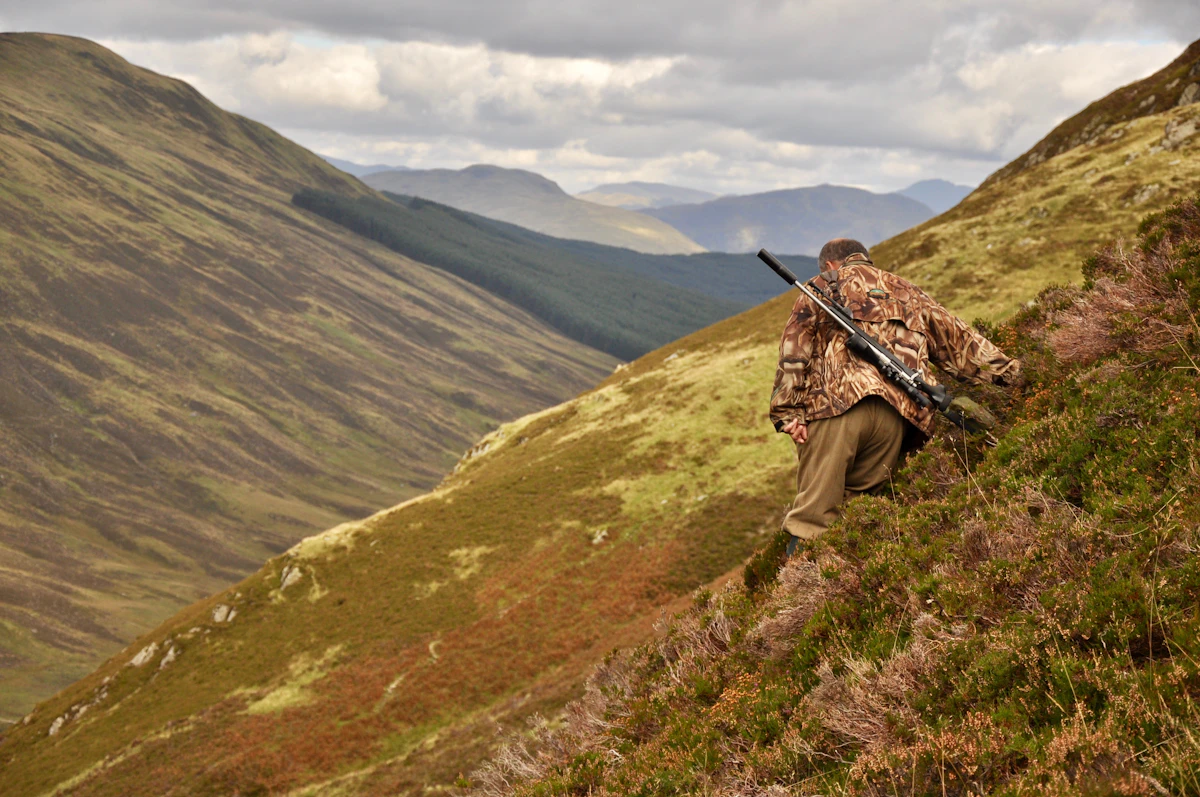
The first ridge from the trailhead looks perfect. Good vantage, decent elevation gain, and you can glass the basin below without killing yourself on the approach. But after decades of guiding and hunting across the West, I've learned that ridge is almost always a mistake.
Every other hunter sees the same advantages you do. That's the problem. The first high point accessible from a popular trailhead gets hammered opening weekend and stays pressured all season. Elk and mule deer learn this pattern fast. By mid-September, mature animals have already shifted their routines to avoid the gauntlet.
The Pressure Pattern Most Hunters Miss
Game animals don't abandon country because of a single encounter. They adjust. A bull that beds on the first ridge in August will move his core area 400 to 800 yards deeper once boot traffic picks up. He's not spooked out of the drainage — he's just repositioned to where he can monitor approaches without getting bumped every morning.
This shift happens consistently across units, states, and terrain types. I've watched it play out in Colorado's Flat Tops, Montana's Absarokas, and Idaho's Sawtooths. The first accessible ridge becomes a travel corridor, not a destination. Bulls and bucks use it to move between feeding areas after dark, then retreat to secondary ridges or timber pockets before first light.
Most hunters arrive at the first ridge right as legal light hits, set up to glass, and wonder why they're only seeing cows and young bucks. Meanwhile, the mature animals are watching from the next ridge back, completely unbothered.
Where Elk and Deer Actually Go Under Pressure
Mature bulls don't run to the wilderness boundary when pressure builds. They move just far enough to regain security — usually the second or third ridgeline from the trailhead, especially if there's a terrain feature that makes access slightly harder.
Look for transitions where the trail gets rougher, where a creek crossing requires commitment, or where the ridge pitch steepens enough to discourage casual hunters. Elk will stage just past these natural filters. A 200-foot gain in elevation or an extra half-mile of walking can cut hunter density by 60 percent or more.
Timbered benches above the second ridge are gold. These aren't visible from the trailhead, they hold water or feed nearby, and they offer escape routes in multiple directions. Bulls will bed here during midday, then drift to feed on north-facing slopes or meadow edges in low light. TAGZ unit maps highlight these terrain transitions and help you identify which drainages have secondary access points that let you skip the first ridge entirely.
The Math Behind Going Deeper
Hunter density drops exponentially with distance from trailheads. Research from multiple state agencies shows that 80 percent of hunters stay within one mile of vehicle access. Push to 1.5 or 2 miles and you've eliminated most of the competition.
But distance alone isn't the trick. Direction matters more. If everyone hikes the main trail to the first ridge, the side drainage 400 yards off the trail can be completely empty. Elk don't measure pressure in miles — they measure it in human encounters per day. A spot half the distance from the truck but off the beaten path will hold more animals than the popular ridge twice as far.
I use TAGZ to study hunt unit boundaries and overlays of historic hunting pressure. Units with multiple trailheads often have one or two that see 70 percent of the traffic. Identifying the quiet entry points gives you access to unpressured country without the suffering of a five-mile death march.
Glassing Strategy for Secondary Ridges
Once you commit to skipping the first ridge, your glassing strategy has to change. You're not sitting in one spot scanning a single basin anymore. You're moving through terrain, pausing at micro-vantage points to check pockets, then continuing.
I carry a spotter but rely on 10x42 binoculars for most glassing. The second ridge rarely offers the sweeping views of the first. Instead, you're picking apart edges — the transition between timber and meadow, the shadow line on a north slope, the gap where a game trail exits a saddle.
This type of hunting rewards patience and attention to detail. You're not glassing for entire herds. You're looking for a single set of antler tips in the shade or the flick of an ear in a mahogany patch. Slow down, grid the terrain in sections, and let your eyes adjust to the shadows.
When the First Ridge Actually Works
There are exceptions. On true wilderness hunts where the trailhead requires a stock permit or a rugged approach, the first ridge can hold game because it's not the first ridge for most hunters — it's already deep.
Early-season archery hunts before general rifle pressure can also be productive on easily accessed ridges, especially if you're hunting evenings and focusing on feed rather than bedding areas. And in units with extremely low tag allocations or limited public access, the pressure pattern never develops in the first place.
But in average OTC elk units, general deer zones, or any area with easy road access and moderate to high hunter density, betting on the first ridge is a losing strategy. The odds are stacked against you before you even string your bow.
How I Plan Around Pressure Before the Season
I don't wait until opening morning to figure out where everyone else will be. I use TAGZ draw odds and unit research tools to understand tag allocations, then cross-reference hunt unit maps with trailhead locations and terrain.
High tag numbers mean high pressure on obvious features. I mark the first ridge from each major trailhead, then focus my scouting on the drainages and benches one terrain feature deeper. I also look for alternate access — closed roads that allow foot or bike travel, stock trails, or boundary hops from adjacent units with different season dates.
Deadline tracking through TAGZ helps me apply for limited-entry units where tag numbers are controlled and pressure stays manageable. In those zones, I can hunt the first ridge if it's legitimately the best terrain because I'm not competing with 500 other hunters doing the same thing.
The Tradeoff No One Talks About
Skipping the first ridge costs you something. You're hiking farther, glassing harder terrain, and giving up the safety net of easy country. If conditions turn bad or you make a mistake, extraction is tougher.
But the return is worth it. I've killed more mature bulls and bucks from second and third ridges than I ever did camping on the obvious high points. The animals are there, they're calmer, and the sign is fresh. You're hunting instead of managing a crowd.
This approach also extends your season. When pressure collapses in November because casual hunters have tagged out or given up, those secondary ridges become even better. The animals relax slightly, and you've already done the work to learn the terrain.
FAQ — Hunting Beyond the First Ridge
How far past the first ridge should I go? Usually just to the next major terrain feature — the second ridgeline, a timbered bench 400 to 800 yards deeper, or the far side of a drainage that most hunters won't cross. Distance matters less than getting past the natural stopping point for average pressure.
Does this strategy work for mule deer and elk equally? Yes, but elk respond faster to pressure and shift patterns within days of season opening. Mule deer are more tolerant initially but eventually concentrate in the same secondary terrain where human traffic drops off.
What if the second ridge has no water? Animals will travel to water, usually in low light. Focus on bedding areas and feeding zones on the ridge itself, then expect movement toward water sources at dawn and dusk. Dry ridges with good feed and security can still hold game all day if water is within a mile.
Can I use this approach on a day hunt without camping deeper? Absolutely. You don't need to pack in. Just start earlier and hike past the first ridge before first light. Hunt the second ridge through morning, then reverse the process in the evening. Most day hunters never make it past the obvious stopping points.
How do I know if a ridge is actually the first ridge or just the first high point? Look at the map and the trailhead. The first ridge is the first place you can gain significant elevation and glass a drainage without serious commitment. It's not about distance — it's about ease of access and whether other hunters will see it as an obvious destination.
Is this worth it in units with low hunter density? In truly low-pressure units, game patterns don't shift as much and the first ridge can be productive. But even in limited-entry zones, animals still prefer secondary terrain for bedding and security. Going deeper almost always improves your odds.
What if I glass animals from the first ridge — should I leave them alone? Depends on the animal and the situation. A raghorn bull or young buck on the first ridge might be your best opportunity. But if you're after mature animals and you're seeing mostly cows and does, that's a clear sign the good stuff has moved deeper.
How does this change in late season after weather pushes animals to lower elevations? Late-season migrations often bring animals back to easier terrain, but they still prioritize security. In November and December, focus on the thickest cover and least-accessible feed within the lower-elevation range rather than the open, obvious ridges everyone checks first.
Was this article helpful?
Previous
When to Move and When to Stay Put — Elk Hunting Movement Strategy
Knowing when to move and when to sit still is one of the most critical skills in elk hunting. This guide breaks down the scenarios where patience pays off and when aggressive repositioning wins the day.
Next
Best Crossbows for Whitetail Deer Hunting in 2025
Choosing the right crossbow can make or break your whitetail season. This guide breaks down the top crossbows for different hunting styles, budgets, and state regulations, helping you find the perfect setup for treestand, ground blind, or spot-and-stalk hunting.