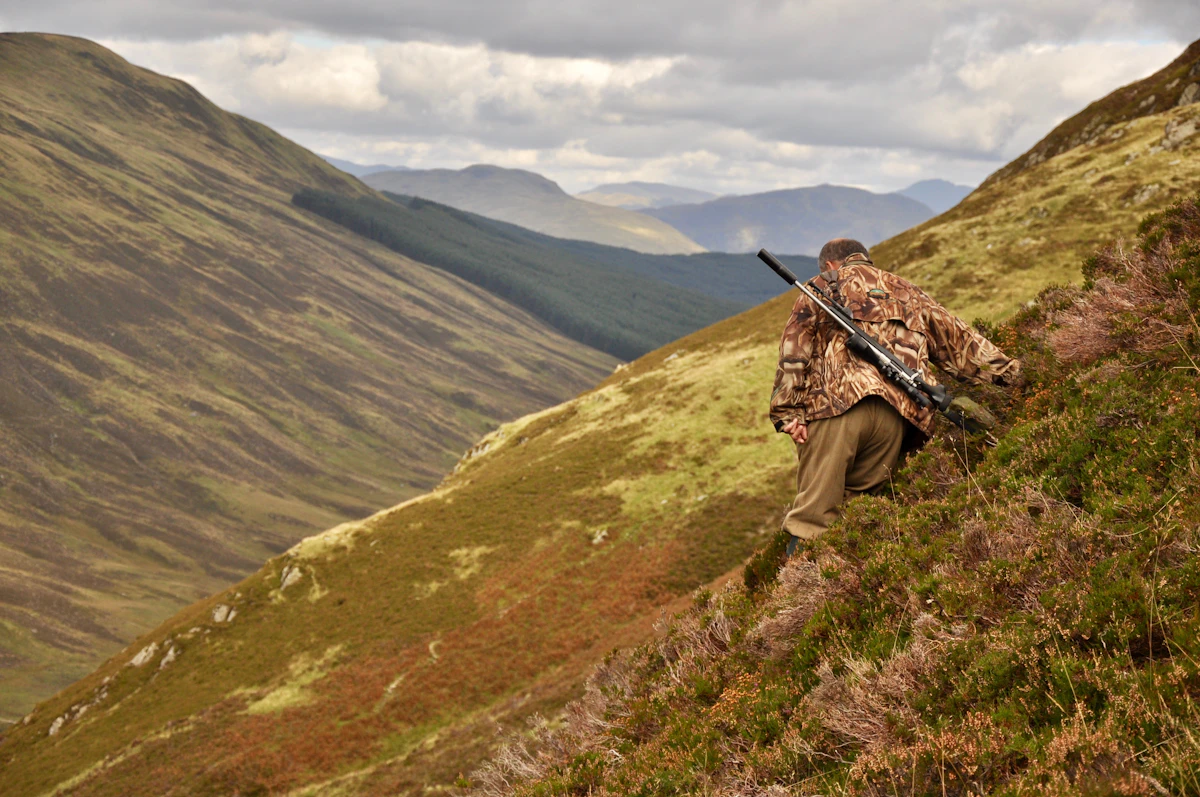
When to Move and When to Stay Put — Elk Hunting Movement Strategy
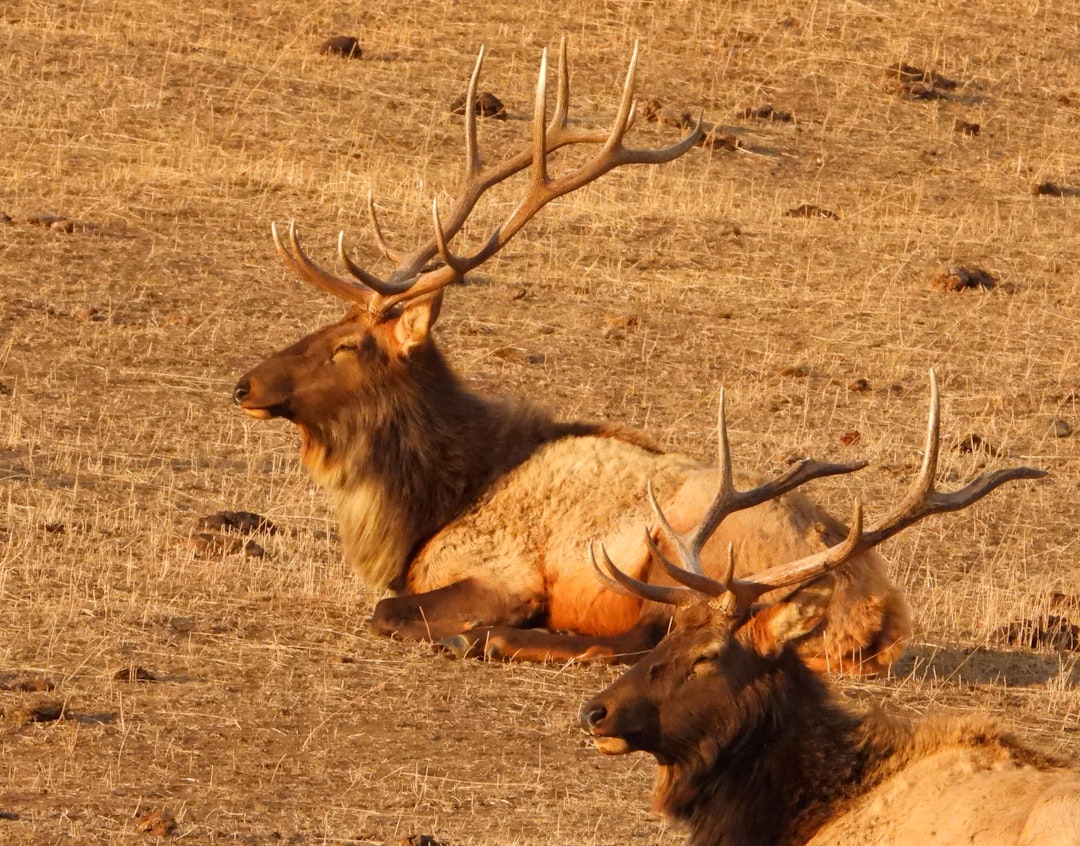
You hear a bugle 400 yards uphill. Do you close the distance now, or do you stay put and keep calling? You have been sitting a wallow for two hours without action. Do you give it another 30 minutes, or do you pack up and hunt somewhere else?
These decisions define your success rate more than your gear or your shot placement. Elk hunting is a constant chess match between aggressive movement and disciplined patience. The hunters who consistently fill tags are not necessarily the fastest hikers or the best callers. They are the ones who read the situation correctly and know when to stay quiet and when to push.
Here is how to make that call in the field.
When to Move — Aggressive Repositioning Situations
There are specific scenarios where sitting still is a losing strategy. Elk are mobile animals, and if you wait too long in the wrong spot, you will watch the hunt unfold somewhere else without you.
The Bull Is Bugling but Moving Away
If a bull is screaming his head off but steadily drifting away from your position, you need to move. Elk cover ground fast, especially when they are fired up and leading cows. Waiting for him to circle back rarely works. Close the distance aggressively but intelligently. Use terrain to stay out of sight, move during his bugles to mask your noise, and get within 150 yards before you set up again. If he keeps moving, keep following until he either stops or you run out of cover.
Mid-Morning Silence After a Hot Start
The first hour of light was chaos. Bulls were bugling, cows were talking, and then everything went quiet by 9 a.m. This is not the time to sit tight and hope they fire back up. Elk have likely bedded down in thick timber or a shaded north slope. Move slowly through high-probability bedding areas and look for fresh sign. Glass openings from elevated vantage points. The goal is to bump into elk visually before they know you are there.
You Are Set Up in the Wrong Spot
You hiked into a saddle before dawn, set up perfectly, and nothing happened. No bugles, no movement, no fresh sign. The wind shifted, or the elk chose a different drainage. Do not waste the morning hoping they show up. Acknowledge the mistake, regroup, and relocate to a better position. Stubbornness kills more hunts than bad shooting.
Covering Ground During the Rut's Peak
When the rut is at full intensity, elk are constantly moving, regrouping, and repositioning. Bulls are fighting, cows are shifting between herds, and the action is spread across multiple drainages. This is the time to cover ground, call aggressively, and stay mobile. Set up for 15 to 20 minutes, call, listen, and move again. You are trying to intercept elk that are already on the move.
When to Sit Still — Patience-Based Scenarios
A Bull Is Responding but Not Closing
You call, he bugles back. You wait, he bugles again from the same spot. He is interested but not committed. This is when most hunters blow it by moving too soon. Sit tight. Let the tension build. Call sparingly and let him think about it. Bulls will often circle downwind, hang up behind cover, or wait for the cow to come to them. If you stay patient and keep calling softly every few minutes, he may eventually commit. Moving now will likely spook him or put you in a worse position.
You Are Set Up on a Travel Route or Wallow
If you have done your homework and you are sitting on a fresh trail, an active wallow, or a known feeding-to-bedding transition route, do not abandon it early. Elk are creatures of habit, especially in September. They will use the same trails, wallows, and feeding areas day after day. Give it time. Sit for at least two hours in the morning and two hours in the evening. Bring a book, stay alert, and trust the setup.
You Are Glassing from a High Vantage Point
If you are sitting on a ridge or a glassing knob with clear views into multiple drainages, basins, or meadows, stay put. Moving gives up your advantage. Elk will reveal themselves through movement, feeding, or bugling. The longer you glass, the more you see. Early morning and late afternoon are prime times for elk to move into openings. Patience here pays off more than hiking.
The Wind Is Swirling or Unpredictable
When the wind is inconsistent, moving is dangerous. Every step risks blowing your scent into an area you cannot predict. Sit still, stay quiet, and wait for the wind to stabilize. If you are set up in a good spot and the wind is shifting every few minutes, trust your position and let the elk come to you. They are dealing with the same wind you are, and they are often more cautious in these conditions.
Late Afternoon Before the Evening Feed
From 3 p.m. to 5 p.m., elk are often bedded in thick cover waiting for the temperature to drop before they move into feeding areas. If you are positioned near a known feeding area or a travel corridor, sit tight. Do not push into their bedding area and blow them out. Let them come to you. The last two hours of light are some of the best hunting of the day, but only if you are in position and motionless.
How to Read the Situation in Real Time
The best elk hunters make decisions based on what the elk are telling them, not based on a rigid plan. Here is how to read the field.
Listen to the Elk's Body Language Through Sound
A bugle that is steady, confident, and moving in a straight line means the bull is on a mission. You need to move. A bugle that is hesitant, repetitive, and stationary means the bull is uncertain. Sit still and let him make the next move. Cows that are mewing softly are relaxed and feeding. Cows that are barking or alarm-calling mean something spooked them. Stop moving immediately.
Watch the Clock
Elk behavior changes by the hour. Early morning and late evening are movement windows. Mid-morning and mid-afternoon are bedding windows. Adjust your strategy accordingly. If it is 10 a.m. and nothing is happening, move. If it is 6 p.m. and you are near a feeding area, sit still.
Trust Fresh Sign Over Old Plans
If you are hiking to a pre-planned setup and you find a fresh rub line, fresh tracks, or a fresh wallow, stop and hunt that spot. Do not keep moving just because your GPS waypoint is another half mile away. Fresh sign is more valuable than a perfect-looking spot on a map.
Common Mistakes That Cost Hunters Elk
Moving Too Soon After a Setup
Most hunters give a spot 10 to 15 minutes before they pack up and move. Elk do not work on your schedule. Give a good setup at least 30 to 45 minutes before you bail. If you are calling, give it even longer. Bulls will often take 20 minutes to close the distance, especially if they are working through thick timber or checking the wind.
Staying Too Long in a Dead Zone
If you have been sitting for two hours and you have not seen a track, heard a bugle, or found any fresh sign, you are in the wrong spot. Do not waste the day hoping elk materialize. Move to a better location.
Moving During Peak Elk Activity
If elk are bugling all around you at first light or last light, do not move unless you absolutely have to. You are in the middle of the action. Let the elk come to you. Moving now will likely push them out of the area.
Ignoring Wind and Terrain
You can have the perfect plan, but if the wind is wrong or the terrain does not allow for a quiet approach, the plan fails. Always factor wind and terrain into your decision to move or stay.
How TAGZ Helps You Hunt Smarter
Knowing when to move and when to sit still starts with being in the right unit. TAGZ helps you compare units side by side using terrain maps, unit boundaries, and historical draw data. Track your preference points and bonus points across multiple states so you never miss a draw deadline. Whether you are chasing OTC tags or planning a trophy limited-entry hunt, TAGZ gives you the tools to make smarter decisions before you ever step into the field.
FAQ — Elk Movement Strategy
How long should I sit in one spot while elk hunting?
In a high-probability area like a wallow, trail, or feeding zone, sit for at least two hours. If you are set up and calling, give it 30 to 45 minutes before relocating. If there is zero fresh sign, move sooner.
Should I move toward a bugling bull or wait for him to come to me?
If he is moving away or staying in one spot and not closing the distance, move toward him. If he is responding and closing, sit still and let him come. Read his behavior through his bugles and adjust.
What time of day should I be most aggressive while elk hunting?
Early morning during the first two hours of light and late afternoon during the last two hours before dark. Mid-morning and mid-afternoon are better for slow, patient setups near bedding areas.
How do I know if I am in a dead zone with no elk?
No fresh tracks, no droppings, no rubs, no wallows, and no vocalizations after an hour or more. If the area feels lifeless, it probably is. Move to a drainage or basin with recent sign.
What is the biggest mistake hunters make when deciding to move or stay?
Moving too soon after a setup. Most hunters do not give a spot enough time. Elk move slowly through thick cover, and bulls will often hang back and wait before committing. Patience wins more often than aggression.
Should I stay in one drainage all day or cover multiple areas?
It depends on sign and elk behavior. If you are seeing fresh sign and hearing bugles, stay in that drainage. If the area is quiet and sign is old, move to a different drainage. Do not waste time in unproductive country.
How do I move quietly through thick timber without spooking elk?
Move during wind gusts, during the elk's bugles, or during mid-day when elk are bedded and less alert. Step on rocks and logs instead of crunchy leaves. Go slow. If you cannot move quietly, sit still.
Is it better to hunt from a glassing spot or move through the timber?
Both have a place. Glass early morning and late evening from high points to locate elk. Move through timber mid-morning and mid-afternoon when elk are bedded. Use glassing to find them, use timber hunting to get close.
Was this article helpful?
Previous
Reading Fresh Elk Sign Like a Guide: Track, Scat, and Rubs Explained
Learn to identify fresh elk tracks, droppings, rubs, wallows, and feeding sign in the field. This guide breaks down what guides look for when trailing elk, how to age sign accurately, and how to use terrain and behavior clues to close the distance on bulls during your hunt.
Next
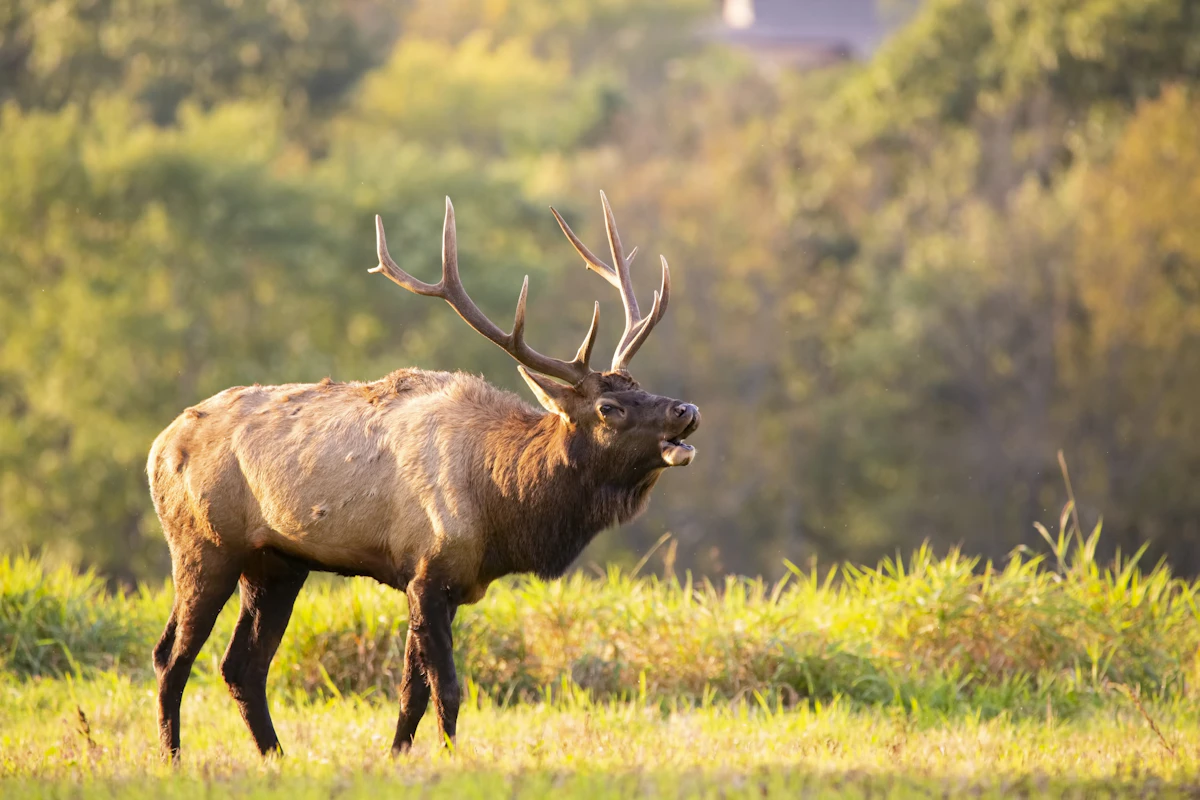
Why I Rarely Hunt the First Ridge — And Where I Go Instead
The first ridge from the trailhead sees the most pressure and often holds the least game. Experienced hunters know to push deeper, where elk and deer patterns remain undisturbed and success rates climb.