Whitetail Grunt Calls Explained: When, How, and Why They Work
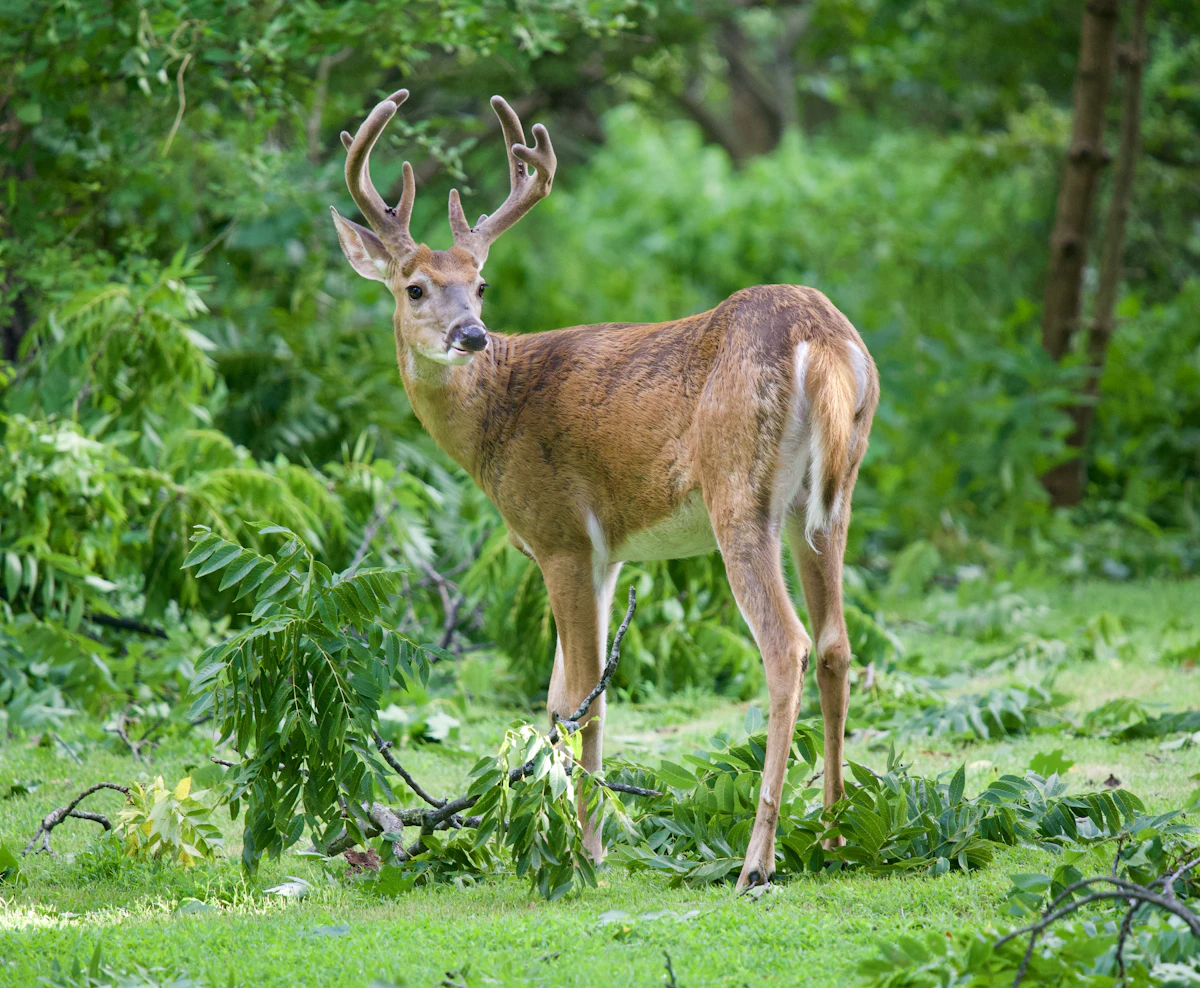
A mature buck appears 80 yards out, moving parallel through the timber. You raise your grunt call, deliver three sharp contact grunts, and watch him pivot hard in your direction. That single sequence turned a passing deer into a 20-yard shot opportunity — but only because you understood what the call imitates, when bucks respond, and how to avoid the mistakes that spook more deer than they attract.
Grunt calls replicate the guttural vocalizations whitetail bucks make year-round to communicate dominance, curiosity, and breeding readiness. During the pre-rut and peak rut, aggressive bucks often respond to grunt sequences by investigating the source, especially when they believe another buck is working their territory or tending a doe. The call works because it triggers both curiosity and territorial aggression — but only when you match the tone, volume, and timing to what a real buck would produce in that situation.
What Grunt Calls Imitate
Whitetail bucks grunt throughout the year, but the context and intensity change with the season. A soft contact grunt in early September signals casual communication between bachelor group members. A deep, drawn-out tending grunt in November announces a buck trailing an estrous doe. The most aggressive grunt — the snort-wheeze — is a dominance display reserved for serious confrontations between mature bucks.
Commercial grunt calls replicate the mid-range contact grunt and tending grunt most effectively. These are the two vocalizations bucks make when they are moving, investigating, or trailing does — exactly the situations where a call can redirect their travel. The call itself is a flexible reed or bellows-style tube that produces a low-frequency burp when you blow into it. Adjusting air pressure and call length changes the tone from a soft inquiry to a full-throated challenge.
The key is matching your call to what a buck would naturally produce at that distance and in that context. A buck 200 yards out will not hear a whisper-soft grunt, and a buck at 40 yards will spook if you blast a challenge grunt that sounds like a 200-pound bruiser is about to fight him.
When Bucks Respond to Grunt Calls
Grunt calls are most effective during the pre-rut and peak rut when bucks are actively seeking does and defending territory. Outside of these windows, success drops sharply. Bucks in bachelor groups during summer and early fall are not territorial, and they are far less likely to investigate another buck's presence. Post-rut bucks are exhausted and primarily focused on feeding — not fighting or breeding.
The sweet spot is mid-October through mid-November in most whitetail range. During this period, bucks are cruising, scraping, and checking doe groups. They are primed to respond to any signal that another buck is nearby, especially if they believe a competitor is working their core area. Peak response happens during the seeking and chasing phases when bucks are on their feet during daylight and willing to detour toward any vocalization that suggests competition or breeding opportunity.
Timing within the day also matters. Bucks respond best during active movement periods — first light, mid-morning, and the last two hours before dark. Calling blind during midday can work during the rut when bucks are on their feet all day, but success rates are lower. If you see a buck moving through cover, that is your highest-percentage calling opportunity. A buck already on his feet and moving is far more likely to respond than one bedded 300 yards away.
How to Use Grunt Calls Effectively
The most common mistake is overcalling. Hunters blow grunt sequences every five minutes for hours, turning the woods into a cacophony that sounds nothing like a real whitetail. A mature buck grunts sporadically — a few contact grunts while walking, a short sequence when trailing a doe, or a single challenge grunt when another buck approaches. Replicating that natural cadence is what separates effective calling from noise.
Start with a single contact grunt when you see a buck at distance. If he stops or looks your way, wait. Let him process what he heard and decide whether to investigate. If he keeps moving, follow with a three-grunt sequence spaced two seconds apart. This mimics a buck on the move and often triggers curiosity. If he still ignores the call, wait five minutes before trying again. Bucks that are locked onto a destination or a doe will rarely change course no matter how many times you call.
When a buck approaches within 100 yards, reduce volume and frequency. Soft, short grunts sound like a buck nearby, which can pull a cruising deer the final yards into range. Loud calling at close range often spooks deer because the volume does not match the perceived distance. A buck expects to see another deer if he hears a full-volume grunt 40 yards away. When he does not, he often leaves.
Tending grunts — longer, deeper vocalizations — work best when you see a buck trailing a doe or moving with purpose during peak rut. This grunt imitates a buck tending an estrous doe, which can trigger aggressive responses from mature bucks looking to steal breeding opportunities. Blow a single tending grunt and wait. If the buck stops or changes direction, he is interested. If he keeps moving, he is either locked onto a doe or not willing to challenge what he thinks is a breeding buck.
Common Mistakes That Ruin Grunt Calling
Blowing a grunt call when a buck is staring directly at your position is a setup for failure. Bucks have excellent directional hearing, and they will pinpoint the exact spot the sound came from. If they do not see another deer, they spook. Always call when a buck is looking away, walking behind cover, or has his head down feeding. This gives you time to prepare for the shot when he turns to investigate.
Using the wrong tone for the situation is another frequent error. A soft, non-aggressive grunt works for most encounters. A deep, aggressive challenge grunt should be reserved for situations where you see a mature buck that appears dominant and confident. Hitting a young buck with a challenge grunt often sends him the other direction because he is not interested in confronting a larger deer.
Calling too often within a small area can also educate deer. If you sit the same stand three times in a week and blow grunt sequences every sit, bucks will pattern the calling and avoid the area. Treat grunt calls as a tool for specific encounters — not a constant background noise. When you see a shooter buck, call strategically. When the woods are quiet, let them stay quiet.
Ignoring wind direction when calling is a mistake that costs shot opportunities. A buck that responds to a grunt will almost always circle downwind to scent-check before committing. If your wind is blowing toward his approach route, he will smell you before he sees you and leave. Set up with the wind in your favor and position yourself so a buck approaching from downwind will pass through shooting lanes before he gets directly downwind of your stand.
Combining Grunt Calls with Rattling and Decoying
Grunt calls become even more effective when combined with rattling antlers or a decoy. Rattling imitates two bucks fighting, and following a rattling sequence with soft contact grunts mimics the post-fight vocalizations bucks make after a sparring session. This one-two punch can pull bucks from long distances, especially during the pre-rut when dominance hierarchies are being established.
Decoying adds a visual element that confirms what the buck heard. A buck decoy placed 20 yards from your stand with a grunt call sequence creates a complete scenario — sound and sight. Bucks that respond to the call expect to see another deer, and the decoy provides that confirmation. This works best in open terrain where bucks can spot the decoy from 100-plus yards. In thick timber, decoys are less effective because visibility is too limited.
When combining calls, rattling, and decoys, always set up in a location where a buck can approach without immediately spotting your position. Thick bedding cover, funnels, and field edges work well. Open ridges and sparse timber do not, because bucks will hang up out of range once they fail to see the deer they expect.
Choosing the Right Grunt Call
Most commercial grunt calls fall into two categories: adjustable tone calls and fixed tone calls. Adjustable calls allow you to change the pitch by moving a band or O-ring on the call body, which lets you replicate everything from a young buck's high-pitched grunt to a mature buck's deep rumble. Fixed tone calls produce a single pitch, which simplifies use but limits versatility.
For most hunters, an adjustable call is the better choice. Set the call to a mid-range tone for general use, and adjust deeper for aggressive calling during peak rut. Higher-pitched settings can work for imitating younger bucks, which sometimes draws in mature deer looking to assert dominance over subordinates.
Call volume also matters. Some calls are designed for long-range use and produce loud, carrying grunts. Others are built for close-range finesse work. If you hunt thick timber and most shot opportunities happen inside 50 yards, a softer call works better. If you hunt open country and need to reach bucks several hundred yards out, a louder call is necessary.
Testing your call before the season starts is critical. Blow it at different volumes and distances to understand how it sounds in real terrain. Record yourself calling and compare it to actual buck grunts from hunting videos. The closer you can match natural vocalizations, the better your results will be.
Shot Preparation After Calling
When a buck responds to a grunt call, he will almost always approach cautiously. He expects to see another deer, and when he does not, he will stop frequently to scan for movement and scent-check the air. This creates natural shot windows, but only if you are ready before he arrives.
Draw your bow or shoulder your rifle while the buck is still out of range and moving. Waiting until he stops in your shooting lane often results in blown opportunities because any movement at that range will catch his attention. If you are bowhunting, use a grunt call to stop the buck once he reaches your shooting lane. A single soft grunt will freeze most deer for two to three seconds — enough time for a clean release.
If the buck hangs up at 60 or 80 yards and refuses to close the distance, resist the urge to keep calling. He heard you, and he is looking for confirmation. More calling will not change his mind and may spook him. Instead, stay still and wait. Many bucks will circle downwind or slowly work closer after several minutes of silence. Patience after calling is just as important as the calling itself.
TAGZ Helps You Plan Hunts Around Peak Rut Timing
Grunt calls work best during the seeking and chasing phases of the rut, but peak timing varies across whitetail range. Southern states often see peak rut in late December or January, while northern states peak in early to mid-November. Understanding local rut timing lets you schedule hunts when bucks are most responsive to calling.
TAGZ provides unit-level rut timing data and historical harvest trends so you can plan hunts during peak calling windows. Compare units side by side using terrain maps, public land boundaries, and harvest statistics to identify where mature bucks are most active during the rut. Track application deadlines and draw odds across multiple states so you can build a multi-state whitetail strategy that puts you in the field during peak calling periods. Whether you are targeting a limited-entry whitetail unit or planning an OTC hunt on public land, TAGZ gives you the tools to time your hunt when grunt calls will have the highest success rate.
FAQ — Whitetail Grunt Calls
What is the best time of year to use a grunt call? Pre-rut and peak rut — mid-October through mid-November in most whitetail range. Bucks are territorial, seeking does, and most responsive to vocalizations during this window.
How often should I use a grunt call? Sparingly. Call only when you see a buck or during peak movement windows. One to three grunt sequences per sit is usually enough. Overcalling educates deer and reduces effectiveness.
Will grunt calls work on pressured public land bucks? Yes, but timing and tone matter more. Pressured bucks respond better to soft, natural-sounding grunts rather than aggressive challenge sequences. Call less frequently and only when you have a specific target in sight.
Should I grunt at a buck that is already walking toward me? No. If a buck is already moving in your direction, let him come. Calling risks pinpointing your exact location and spooking him if he does not see another deer.
What is the difference between a contact grunt and a tending grunt? A contact grunt is short and soft, used for casual communication. A tending grunt is longer and deeper, imitating a buck trailing an estrous doe. Use contact grunts for general calling and tending grunts during peak rut when bucks are actively chasing.
Can I use a grunt call during bow season? Yes. Grunt calls work equally well during bow and rifle seasons. The key is matching your calling to the phase of the rut and the behavior of the bucks you are hunting.
Continue Planning Your Hunt
Mastering grunt calls is one piece of a successful whitetail strategy, but consistent success comes from hunting the right units at the right time. TAGZ helps you compare whitetail units across multiple states using terrain maps, public land boundaries, and historical harvest data. Track your preference points and bonus points so you never miss a draw deadline, and filter hunts by weapon type, season dates, and trophy potential. Whether you are chasing a limited-entry tag or planning an OTC hunt, TAGZ simplifies the research so you can focus on calling in mature bucks when it matters most.
Explore the full platform at getmytagz.com/product, compare pricing options at getmytagz.com/pricing, and read more hunting strategies on the TAGZ Insights page.
Was this article helpful?
Previous
Best Crossbows for Whitetail Deer Hunting in 2025
Choosing the right crossbow can make or break your whitetail season. This guide breaks down the top crossbows for different hunting styles, budgets, and state regulations, helping you find the perfect setup for treestand, ground blind, or spot-and-stalk hunting.
Next
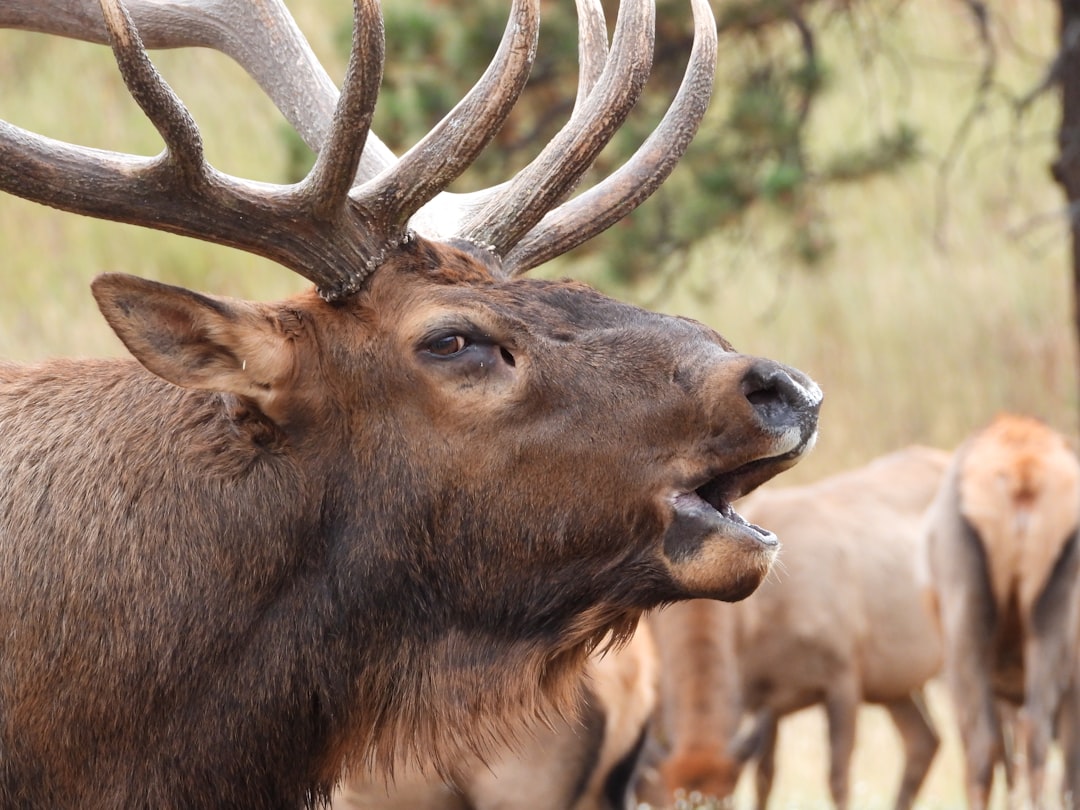
Complete Beginner's Guide to Elk Calling — Master the Basics
Learn the fundamentals of elk calling from bugle basics to cow calls. This guide covers when to call, which sounds to use, and common mistakes that spook bulls instead of bringing them in.